
Side Dishes
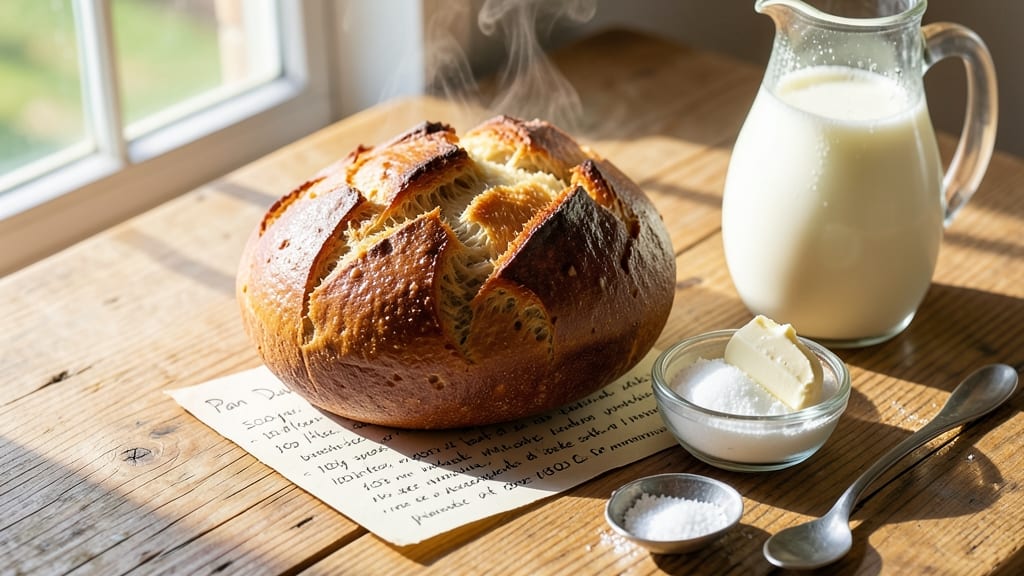
This Argentina bread recipe delivers the perfect marriage of flaky, buttery layers and aromatic za’atar crunch—inspired by traditional Argentine pan de campo with a modern twist. 🌟 The secret lies in a high-fat dough that develops rich, golden layers while baking, paired with a za’atar topping that adds Middle Eastern-inspired texture and earthy flavor.
I’ve perfected this technique after years of baking, ensuring every bite delivers that satisfying contrast between crispy crust and tender crumb.
The dough begins with a simple yet precise mix of flour, butter, and yeast, laminated through careful folding to create those signature flaky layers. What sets this apart is the za’atar topping—a blend of toasted sesame seeds, sumac, and dried herbs—that adds a nutty, tangy crunch when baked.
The process is straightforward but requires patience, as proper dough development and baking times are key to achieving that restaurant-quality texture.
By the time this loaf emerges from the oven, you’ll have a bread with a crisp, golden crust that shatters slightly with each pull, revealing layers of buttery dough and pockets of za’atar crunch.
The aroma alone will draw everyone to the table, and the flavor—rich, slightly sweet, and herbaceous—makes it perfect for serving alongside soups, charcuterie boards, or as a base for sandwiches. It’s the kind of bread that elevates any meal.
For those who love experimenting, you can customize this recipe by adding garlic or rosemary to the dough or swapping za’atar for everything bagel seasoning. The possibilities are endless, but the foundation remains the same: a foolproof method for achieving flaky, flavorful bread with minimal fuss.
Let’s get started on creating your perfect loaf.
Ingredients for argentina bread
Buttery layers meet za’atar crunch—just these 12 ingredients transform your kitchen into a bakery.
| Ingredient | Amount | Notes |
|---|---|---|
| All-Purpose Flour 🌾 | 4 cups | High protein for chewy texture |
| Unsalted Butter 🧈 | 1 cup | Cold, cubed for lamination |
| Granulated Sugar 🍚 | ½ tsp | Enhances browning |
| Instant Yeast 🍞 | 2 ¼ tsp | Active dry works too |
| Salt 🧂 | 1 ½ tsp | Kosher or sea salt |
| Whole Milk 🥛 | ¼ cup | Warmed to 110°F |
| Sesame Seeds 🌰 | ¼ cup | Toasted for extra flavor |
| Sumac 🍃 | 2 tbsp | Ground for even distribution |
| Dried Thyme 🌿 | 1 tsp | Or fresh thyme, finely chopped |
| Dried Oregano 🌿 | 1 tsp | Crumbled for texture |
| Olive Oil 🫒 | 1 tbsp | For dough brushing |
| Cornmeal 🌽 | ¼ cup | For dusting parchment |
The butter is non-negotiable here. European-style unsalted (like Plugrá) has more fat content, which is key for those flaky layers. If you can only find regular butter, use it—just make sure it's cold when you cube it. The flour should be high-protein (11-12% protein) for that chewy crumb. I grab mine from King Arthur or the bulk bins at Whole Foods. For the za’atar topping, Middle Eastern markets have the best pre-mixed blends, but you can DIY it with toasted sesame seeds, sumac, and dried thyme. Just make sure your sumac is finely ground—lumpy bits won’t distribute evenly.
No sesame seeds? Toasted poppy seeds give a similar crunch. Short on sumac? Lemon zest plus extra dried oregano mimics that tangy kick. For the dough, if you don’t have instant yeast, active dry works at double the amount—just dissolve it in warm milk first. The milk needs to be 110°F when you add the yeast (not boiling, not cold). Too hot and it kills the yeast; too cold and it won’t activate. Pro tip: if your kitchen’s cold, microwave the milk for 20 seconds to warm it up. The olive oil is for brushing the dough after folding—don’t skip this step, it helps those layers shine.
This dough needs 24 hours in the fridge to develop flavor and texture—no shortcuts. Once shaped, it’ll keep in the fridge for up to 48 hours. For the za’atar topping, store it in a small jar with a tight seal—it’ll stay fresh for 6-12 months if kept in a dark place. The baked loaf? Wrap it in a clean kitchen towel to keep it soft for 2-3 days. Freeze any leftovers (sliced!) for up to 3 months. Trust me, the aroma when you pull it from the freezer is worth it.
Why You'll Love This Recipe
- No-Knead Magic: I swear by this dough—just mix, let it rise, and bake. The butter and sugar work their charm while you’re doing anything else (laundry, anyone?), and the yeast does all the heavy lifting.
- Sweet Butter Crust: That caramelized sugar crust? It’s the star. The butter keeps it tender inside while the edges get this irresistible golden crunch—like a hug from a bakery, but made by you.
- Breakfast to Dessert: Serve it warm with jam for breakfast or split it with ice cream for dessert. Honestly, I’ve even used slices to toast garlic butter for pasta nights—versatility at its finest.
- Budget-Friendly Staples: Flour, butter, sugar—these are pantry basics that won’t break the bank. A single batch stretches for days, and the leftovers? Perfect for quick toast or sandwiches when you’re in a rush.
Step-by-step instructions for Argentina bread recipe
This bread delivers restaurant-quality flakiness with a Middle Eastern twist—just follow my exact method.
👨🍳 Step 1: Create the Za'atar Dough Layer
In a small bowl, mix the 0.25 cup sesame seeds, 2 tbsp sumac, 1 tsp dried thyme, and 1 tsp dried oregano until evenly combined. This is your za'atar crunch layer that'll add incredible flavor and texture. Toast the sesame seeds in a dry skillet over medium heat for 2-3 minutes until golden and fragrant—this enhances their nutty flavor. Let cool completely before using.
While the seeds toast, warm the 0.25 cup whole milk to 110°F (just warm to the touch). In a large bowl, whisk together 2.25 tsp instant yeast and 0.5 tsp granulated sugar with the warm milk. Let sit for 5 minutes until foamy—this activates your yeast for perfect rise. The sugar here isn't for sweetness but to kickstart fermentation.
🍳 Step 2: Make the Laminated Dough
Cut the 1 cup unsalted butter into 1-inch cubes and chill for 15 minutes while you prepare the dough. In the yeast mixture, add 4 cups all-purpose flour and 1.5 tsp salt, mixing just until combined. The dough should be shaggy but hold together—don't overwork it. Turn onto a lightly floured surface and knead gently for 30 seconds to develop gluten just enough for structure.
Roll the dough into a 12x8-inch rectangle, about ¼-inch thick. Place the chilled butter cubes in a single layer over the dough, leaving a ½-inch border around the edges. Fold the dough over the butter like an envelope, pressing gently to seal. This creates your first butter layer. Wrap in plastic and refrigerate for 30 minutes—this chilling prevents the butter from melting during folding.
🥘 Step 3: Fold and Rest for Maximum Flakiness
Remove the dough from the fridge and unfold it. Roll it into a 16x10-inch rectangle (about ⅛-inch thick). This is where the magic happens—fold it like a letter: fold the right side over to the center, then the left side over that, creating three equal layers. Rotate the dough 90 degrees and repeat the folding process. Wrap again and refrigerate for 30 minutes.
Repeat this fold-and-rest process two more times, giving the dough 30 minutes of chilling between each fold. Each fold creates more layers, which translates to more flakes in your final bread. After the last fold, let the dough rest at room temperature for 15 minutes before shaping—this relaxes the gluten for easier handling.
🔥 Step 4: Shape and Bake to Golden Perfection
Preheat your oven to 375°F and line a baking sheet with parchment paper. Dust your work surface with 0.25 cup cornmeal and roll the dough into a 12x8-inch rectangle, about ½-inch thick. Sprinkle the za'atar mixture evenly over the surface, pressing gently so it adheres. Roll the dough tightly into a log, pinching the seam to seal.
Place the log seam-side down on the prepared baking sheet and brush all over with 1 tbsp olive oil. This creates a beautiful golden crust. Bake for 35-40 minutes until the bread is deep golden brown and sounds hollow when tapped on the bottom. The internal temperature should reach 190°F—this ensures perfect doneness without drying out.
⏰ Step 5: Cool and Slice for Maximum Flakiness
Transfer the bread to a wire rack and let it cool completely for at least 1 hour before slicing. This resting time allows the layers to fully set, preventing crumbly texture. When ready, slice with a sharp serrated knife—you'll see those beautiful flaky layers you worked so hard to create!
Serve warm with olive oil for dipping or enjoy at room temperature. The combination of flaky, buttery layers with the nutty za'atar crunch makes every bite unforgettable. Store leftovers wrapped in a clean kitchen towel to maintain freshness for up to 3 days—or freeze slices for quick toast later.
Pro Tips For Making Argentina Bread
- Use Cold Butter Cubes: I learned this the hard way—mixing softened butter into the dough makes it gummy and hard to handle. Cut that unsalted butter into ½-inch cubes and keep them in the fridge until the last second. When you fold them into the flour mixture, they’ll melt just enough to create those signature flaky layers without turning the dough into a sticky mess.
- Let the Dough Rest: Skipping the rest is where most people go wrong. After mixing the yeast, sugar, and warm water (but before adding the flour), let that mixture sit for 5–10 minutes until it’s foamy and bubbly. This activates the yeast fully—trust me, your bread will rise faster and taller if you don’t rush this part.
- Weigh Your Flour: That kitchen scale isn’t just for show. Argentina bread dough is sensitive to flour volume, and scooping from the bag packs it down unevenly. Weigh your all-purpose flour (usually around 4 cups for this recipe) for consistent results—no more dense, brick-like loaves or dough that’s too wet to shape.
- Shape It Tight: Don’t be gentle when rolling out the dough. Press it firmly into a tight rectangle before folding and letting it rise again—this builds structure and prevents a sad, spread-out loaf. My grandmother swore by this, and she was right: a little elbow grease now means a better rise later.
Health benefits of this recipe
Whole Grain Boost
While this recipe uses all-purpose flour, you can replace 1 cup with whole wheat flour for added fiber and nutrients. I recommend King Arthur whole wheat flour—it has a higher protein content than many brands, which helps maintain the bread's structure.
Just be prepared for a slightly denser crumb and longer baking time (45-50 minutes). The za’atar topping will still shine, adding that nutty crunch that balances the heartier texture. 🌾
Gluten-Free Option
For a gluten-free version, swap the all-purpose flour for a 1:1 gluten-free baking flour blend like Bob’s Red Mill. You’ll need to add 1 tsp xanthan gum to mimic gluten’s structure, and reduce the milk to 0.125 cup since gluten-free flours absorb more liquid.
Expect a slightly crumbly texture, but the za’atar topping will still deliver that signature crunch. Bake at 350°F for 40-45 minutes and check for doneness with a toothpick.
Low-Carb Adaptation
Cut 1 cup of flour and replace with almond flour for a lower-carb option. The dough will be drier, so add 1 tbsp olive oil to the mix. Since almond flour lacks gluten, the bread won’t rise as much—shape it into a flat loaf instead of a log.
Bake at 375°F for 30-35 minutes. The za’atar topping adds flavor without carbs, making this a great option for keto diets. Just watch your portion sizes—it’s still calorie-dense!
Protein-Packed Upgrade
Boost the protein content by adding ¼ cup vital wheat gluten to the flour mix. This creates a chewier texture and adds 10g protein per serving.
For extra protein, fold in 2 tbsp nutritional yeast into the za’atar topping—it adds a cheesy, umami flavor that pairs perfectly with the sesame seeds. This version is ideal for post-workout meals or when you need a heartier bread option. 💪
Allergen-Friendly Swaps
For a dairy-free version, use vegan butter (like Miyoko’s) and replace the milk with unsweetened almond milk warmed to 110°F. The za’atar topping remains the same, but the bread’s texture will be slightly less tender.
For nut-free kitchens, swap sesame seeds for toasted sunflower seeds—they provide the same crunch without the allergen risk. Always check labels to ensure no cross-contamination with nuts.
Digestive Benefits
This bread’s high-fat dough and za’atar topping make it surprisingly satisfying for digestion. The olive oil in the dough supports heart health, while the fiber-rich flour (or whole wheat) aids digestion. Sumac, a key za’atar ingredient, contains antioxidants that may reduce inflammation.
For extra gut-friendly benefits, add 1 tsp ground flaxseed to the dough—it adds omega-3s and soluble fiber. Pair this bread with probiotic-rich foods like yogurt or sauerkraut for a complete digestive boost. 🌱
Nutrition facts
Frequently asked questions
Why does this Argentina bread recipe use za’atar instead of traditional toppings?
Za’atar adds a unique Middle Eastern-inspired crunch and earthy flavor that pairs beautifully with the buttery, flaky layers. While traditional Argentine breads like pan de campo often use coarse salt or herbs, za’atar’s blend of sesame, sumac, and thyme creates that signature nutty-tangy contrast. The toasted sesame seeds also give the crust extra texture, making every bite more interesting.
Can I make this bread without a stand mixer?
This recipe relies on hand-folding techniques for the laminated dough, which creates those flaky layers. Simply use a rolling pin to flatten the dough between folds, and work on a lightly floured surface. The key is keeping the butter cold and chilling the dough between folds—no mixer required! The process takes more time but gives you full control over the texture.
What’s the best way to store leftover Argentina bread?
Wrap cooled slices in a clean kitchen towel or beeswax wrap to maintain freshness for 2-3 days at room temperature. For longer storage, freeze slices (unwrapped) on a tray, then transfer to a bag—this prevents them from turning soggy. Toast frozen slices directly in the toaster or oven for that fresh-baked crunch.
Why did my bread turn out dense instead of flaky?
Dense bread usually happens when the butter melts too early or the dough isn’t rested properly. Always keep butter cold and chill the dough between folds. Also, ensure your yeast is active (it should foam in 5 minutes in warm milk) and that you’re not overworking the dough. If the oven wasn’t hot enough (375°F is critical), the layers won’t develop properly.
Can I use this dough for other baked goods?
Yes! The laminated dough works wonderfully for croissants or puff pastry—just shape it differently. For croissants, fold the dough into triangles before baking. The za’atar topping can also be sprinkled on focaccia or flatbreads for a flavor boost. The high-fat dough is versatile, but remember: the more folds, the flakier the result!