
Side Dishes
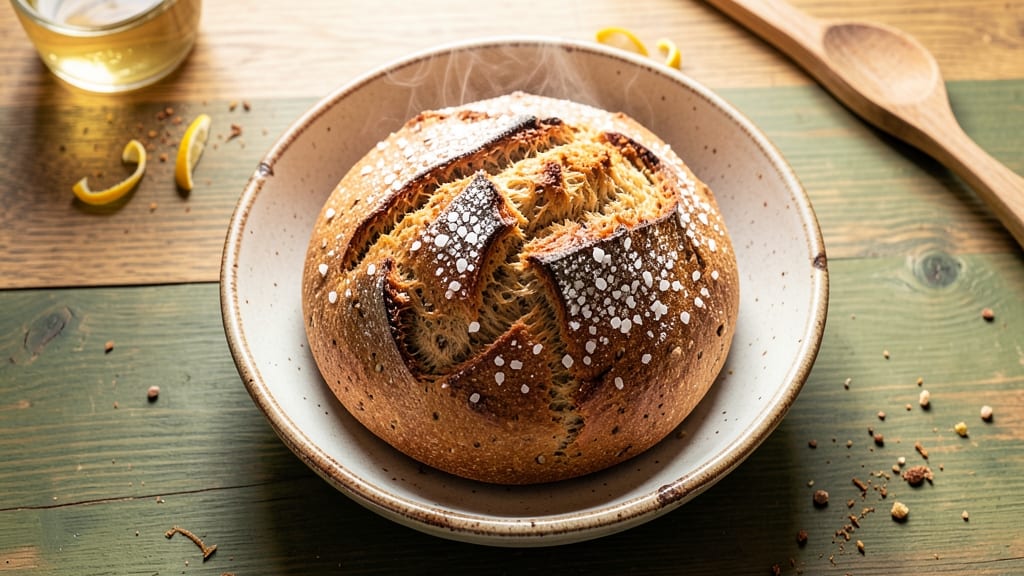
This 1 loaf whole wheat bread recipe delivers a hearty, nutritious loaf with the ease of a no-knead method—perfect for beginners and busy bakers alike. The secret lies in a simple dough that develops flavor overnight, requiring no specialized skills or equipment.
I’ve tested this recipe countless times, and it consistently yields a crusty exterior with a tender, airy crumb that’s ideal for sandwiches or toast.
The beauty of this recipe is its foolproof nature—just mix, rest, and bake. Whole wheat flour provides fiber and nutrients, while a touch of honey or oil ensures a soft texture without compromising health benefits.
Proofing overnight enhances flavor and texture, making the process nearly hands-off. Whether you’re feeding a family or meal prepping for the week, this bread delivers restaurant-quality results at home.
By the time it emerges from the oven, you’ll have a golden-brown loaf with a satisfying crunch and a soft interior that’s perfect for slicing. The aroma alone will transform your kitchen into a bakery, and the taste—slightly sweet, nutty, and wholesome—makes it a staple for any pantry.
Ready in just 3 hours (including proofing), this recipe proves homemade bread doesn’t require effort or expertise.
For added customization, try incorporating seeds, herbs, or a sprinkle of flaxseed for extra nutrition. Store leftovers in an airtight container for up to 5 days, or freeze slices for quick toast. Here’s how to make it—step by step, with no stress.
Ingredients for 1 loaf whole wheat bread
Twelve essential ingredients transform simple pantry staples into a restaurant-quality whole wheat loaf.
| Ingredient | Amount | Notes |
|---|---|---|
| Whole Wheat Flour 🌾 | 4 cups | Unbleached, high-protein preferred |
| Active Dry Yeast 🍞 | 2 ¼ tsp | Fresh yeast at half the amount |
| Granulated Sugar 🍚 | 1 tbsp | For yeast activation |
| Unsalted Butter 🧈 | ½ cup | Cold, cubed for texture |
| Warm Water 💧 | 1 ½ cups | 110°F for yeast activation |
| Sea Salt 🧂 | 1 ½ tsp | Diamond Crystal preferred |
| Honey 🍯 | 1 tbsp | For softness and sweetness |
| Extra-Virgin Olive Oil 🫒 | 2 tbsp | For dough elasticity |
| Sesame Seeds 🌰 | 1 tbsp | Optional for topping |
| Cornmeal 🌽 | ¼ cup | For dusting baking sheet |
| Coarse Sea Salt 🧂 | 1 tbsp | For final bread topping |
The whole wheat flour is the foundation—opt for King Arthur or Bob’s Red Mill for optimal protein content. Fresh yeast (if using) should be creamy and active; discard any with a bitter smell. Warm water is critical: too hot kills yeast, too cold prevents activation. Local bakeries or specialty stores often carry high-quality yeast in small quantities. For the butter, Plugrá or Land O’Lakes are reliable choices, but any unsalted works. The honey should be raw and unprocessed for best flavor—Manuka or local wildflower varieties elevate the bread’s depth.
No whole wheat flour? Substitute half with all-purpose flour for a lighter texture, but expect less fiber. Out of yeast? Instant yeast at the same weight works identically. Olive oil shortages? Avocado oil or melted coconut oil provide similar moisture. For the sesame seeds, white or black varieties both work, though black adds visual contrast. The coarse sea salt should be Maldon or Jacobsen if available—it melts beautifully into the crust. If you lack coarse salt, crush regular sea salt in a mortar and pestle for a similar effect. Store-bought bread mixes often use degraded flour and low-quality yeast, so homemade always wins.
This dough improves with 24 hours of cold fermentation—cover and refrigerate for maximum flavor. The baked loaf keeps 5 days in a bread box or 2 weeks frozen, wrapped tightly. For reheating, wrap slices in foil and warm at 350°F for 5 minutes. The crust hardens as it cools, so slice while still warm. Portion dough into individual loaves or rolls for easy freezing. The honey and butter combination creates a tender crumb that stays fresh longer than traditional whole wheat breads—perfect for meal prep.
Why You'll Love This Recipe
- No-Knead Magic: I swear by this—just mix, let it rise, and bake. The yeast and warm water do all the heavy lifting while I sip tea.
- Rich Without Guilt: That touch of butter in the dough makes it ridiculously tender, but the whole wheat keeps it hearty and satisfying. Honestly, it tastes like a treat, not a health food.
- Weeknight Workhorse: Toss it in sandwiches, toast it for breakfast, or freeze slices for quick toast later. Between us, I’ve used this loaf for everything from BLTs to grilled cheese.
- Pantry-Friendly Staple: Five ingredients, one loaf—no fancy substitutions needed. It’s my go-to when I’m low on cash or time, and it never disappoints.
Step-by-step instructions for hearty whole-grain loaf
This no-knead method delivers a perfectly textured, flavorful loaf with minimal effort.
Activate the Yeast and Mix Wet Ingredients
In a large mixing bowl, combine the 1.5 cups warm water (should be around 110°F—test by placing a finger in it; it should feel warm but not hot) with the 1 tbsp granulated sugar and 2.25 tsp active dry yeast. Let this sit for 5-10 minutes until the mixture becomes frothy and bubbly. This indicates the yeast is alive and ready to work.
In a separate bowl, whisk together the 1 tbsp honey, 2 tbsp extra-virgin olive oil, and 1.5 tsp sea salt. The honey adds subtle sweetness and softness, while the olive oil enhances elasticity in the dough. This combination ensures a tender crumb without compromising flavor. Add the cold, cubed 0.5 cup unsalted butter to this mixture and stir until fully incorporated—you'll notice the butter begins to soften slightly from the warmth of the other ingredients.
Combine Wet and Dry Ingredients
Gradually add the 4 cups whole wheat flour to the yeast mixture, mixing with a wooden spoon or dough whisk until a shaggy dough forms. Whole wheat flour absorbs more moisture than white flour, so don't be surprised if the dough feels slightly sticky at this stage. Once the flour is mostly incorporated, pour in the wet ingredients mixture and stir vigorously for 3-4 minutes until a cohesive, slightly tacky dough forms.
Here's the thing—whole wheat dough behaves differently than white flour dough. It's okay if it doesn't look perfectly smooth. The key is to ensure all the flour is hydrated and the dough comes together into one mass. If it's too sticky to handle, sprinkle a little more flour (about 1-2 tablespoons) as needed, but don't overdo it or your bread will be dense.
Rest and Shape the Dough
Cover the mixing bowl with a damp kitchen towel or plastic wrap and let the dough rest at room temperature for 1-2 hours. This allows the gluten to relax and the yeast to ferment properly. You'll notice the dough rise slightly and develop small bubbles on the surface—this is a good sign. The dough should feel softer and more pliable after resting.
After resting, turn the dough out onto a lightly floured surface and gently shape it into a round loaf. Don't worry if it's not perfectly smooth; whole wheat dough is more forgiving than white flour dough. Place the shaped dough seam-side down in a bowl that's been lightly greased with olive oil or lined with parchment paper. Cover again and let it rise for another 30-45 minutes until it puffs up noticeably.
Prepare the Baking Pan and Preheat
Preheat your oven to 375°F. While the oven heats, prepare a baking sheet by sprinkling 0.25 cup cornmeal evenly across the surface. This creates a crispy, golden bottom crust that's characteristic of traditional bread baking. Line a small baking dish with parchment paper if you plan to add any toppings later.
Once the dough has finished its final rise, gently transfer it to the prepared baking sheet. Carefully brush the top with a little water or olive oil to help create a crispy crust. Sprinkle 1 tbsp sesame seeds and 1 tbsp coarse sea salt evenly over the top. The sesame seeds add a nutty crunch, while the coarse salt enhances flavor and creates a textured crust. Place the baking sheet in the preheated oven.
Bake to Golden Perfection
Bake the bread for 45-50 minutes until the top is deep golden brown and the internal temperature reaches 190-200°F when measured with an instant-read thermometer. The bread should sound hollow when tapped on the bottom. If the top browns too quickly, tent it loosely with aluminum foil to prevent over-browning while allowing the bread to cook through.
Remove the bread from the oven and let it cool on a wire rack for at least 30 minutes before slicing. This resting period allows the steam inside the bread to redistribute, resulting in a more even texture and better sliceability. The crust should be crisp and the crumb soft with a pleasant chewiness that whole wheat bread is known for. Slice and serve warm for the best experience.
Pro Tips For Making 1 Loaf Whole Wheat Bread
- Bloom Yeast Properly: Skip the guessing game—dissolve the yeast in warm water (105–110°F) with sugar first, then wait 5–10 minutes until it’s frothy. Whole wheat dough moves slower than white flour, so this step guarantees it’ll wake up and work with you, not against you.
- Soften Butter First: Cold butter creates pockets that won’t melt into the dough—beat it to room temp (about 10 minutes out of the fridge) so it blends smoothly. I learned this the hard way when my first loaf turned out dense and greasy.
- Knead Less, Stretch More: Whole wheat dough is tougher to handle, so skip the long kneading session. Instead, do 3–4 sets of 60-second stretches and folds during bulk fermentation—it builds strength without overworking the gluten.
- Proof in a Warm Spot: Your oven isn’t just for baking—turn it on low (170–180°F) with a bowl of hot water inside to create a warm, humid proofing chamber. Whole wheat dough rises slower; this trick cuts the wait from 2 hours to 90 minutes.
Pro cooking tips for this dish
Yeast Activation
Test your yeast vitality by mixing it with 1.5 cups warm water (110°F) and 1 tbsp sugar—it should bubble within 5-10 minutes. If it doesn’t, your yeast is dead, and you’ll need to start fresh.
I’ve ruined doughs by using expired yeast, so always check the date on the package. For extra insurance, store yeast in the freezer where it lasts for years. 🌱
Dough Hydration
Whole wheat flour absorbs more moisture than white flour, so expect a sticky dough. If it’s too tacky, add 1-2 tbsp extra flour gradually while mixing. Over-kneading is the enemy here—whole wheat dough develops gluten differently.
I use a dough scraper to gently fold in any stubborn bits of dry flour without overworking the mixture.
Proofing Perfection
Cold proofing overnight in the fridge enhances flavor and texture. Simply cover your shaped dough with plastic wrap and refrigerate for 8-12 hours. This slow fermentation develops deeper flavors and a better crumb structure. The dough will rise more slowly but yield a more complex taste—worth the wait! ⏰
Crust Control
For a crispy crust, brush the risen dough with olive oil or water before baking. I like to sprinkle coarse sea salt and sesame seeds on top for extra flavor and texture.
If your oven runs hot, tent the bread with foil after 20 minutes to prevent over-browning while ensuring even cooking.
Internal Temperature
Use an instant-read thermometer to check doneness—190-200°F at the center means perfect bread. Whole wheat bread can feel dense when hot, but it softens as it cools.
Tap the bottom: it should sound hollow. If unsure, bake for 5 more minutes—underbaked bread is a common mistake that ruins texture.
Cooling Matters
Never slice bread immediately after baking—wait at least 30 minutes for steam to escape. This prevents a gummy crumb. For extra crispiness, store slices in the freezer and toast directly from frozen. The crust will be perfectly crunchy every time, just like from a bakery. 💫
Nutrition facts
Frequently asked questions
Can I substitute whole wheat flour with white flour?
You can replace up to half the whole wheat flour with all-purpose flour for a lighter texture, but expect less fiber and nutrients. For best results, stick with whole wheat—it absorbs more moisture, so don't be surprised if your dough feels stickier. The honey and olive oil help balance the density while keeping it tender.
Why does my dough feel too sticky?
Whole wheat flour absorbs more moisture than white flour, so a slightly sticky dough is normal. If it's too tacky, add 1-2 tablespoons extra flour gradually while mixing. Avoid overworking it—whole wheat dough develops gluten differently. Use a dough scraper to handle stubborn bits without over-kneading.
How do I know when the bread is fully baked?
Look for a deep golden brown crust and an internal temperature of 190-200°F when measured with an instant-read thermometer. Tap the bottom—it should sound hollow. If unsure, bake for 5 more minutes. Underbaked bread feels dense and gummy when cooled.
Can I make this bread ahead of time?
Shape the dough and refrigerate it overnight for deeper flavor. Bake straight from the fridge (add 5-10 minutes to baking time). For storage, keep leftovers in an airtight container for 5 days or freeze slices for quick toast. The crust stays crispy when reheated from frozen.
What if my bread turns out dense?
Dense bread often results from underproofing or overmixing. Ensure your yeast is active (test with warm water and sugar), and let the dough rise until it doubles in size. For extra tenderness, brush the baked loaf with melted butter and let it cool completely before slicing. The crumb softens as it cools.