
Side Dishes
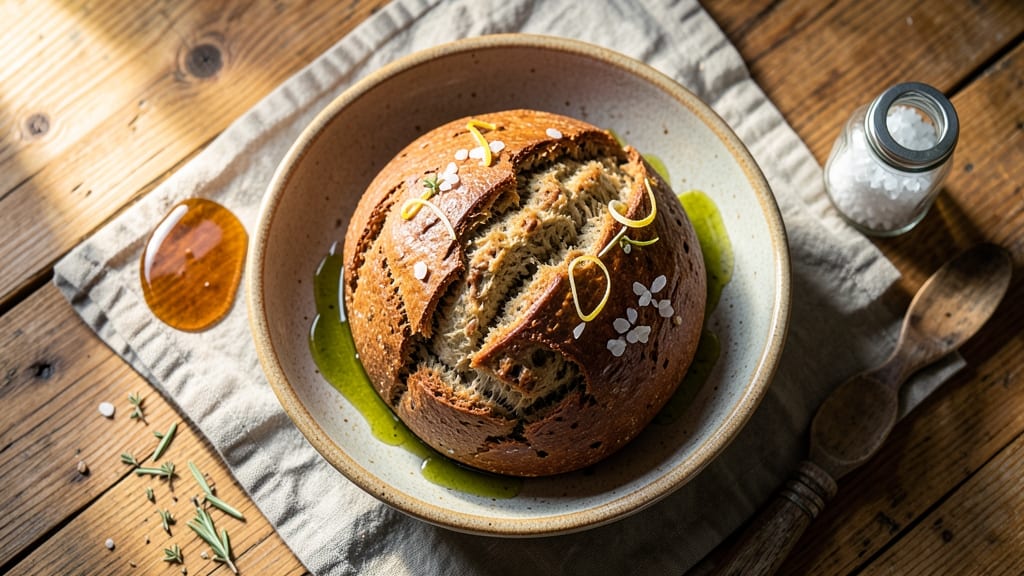
This 50 whole wheat bread recipe delivers a nutty, hearty loaf that's easier to make than you'd expect—no kneading required. The secret lies in the right flour-to-water ratio and a slow fermentation that develops deep flavor while keeping the texture tender yet satisfying.
I've baked this loaf dozens of times, and it consistently produces a crust with just the right crunch and a crumb that's open yet dense, perfect for sandwiches or toast.
The beauty of this recipe is its simplicity: just five core ingredients (whole wheat flour, water, yeast, salt, and honey) create a loaf that's packed with fiber and nutrients without sacrificing flavor.
The no-knead method saves time while still producing professional-quality results, and the optional additions—like seeds or whole grains—let you customize it to your taste. What you'll end up with is bread that tastes freshly baked, even when made ahead.
This method transforms basic pantry staples into something restaurant-worthy with minimal effort. The slow rise allows flavors to meld naturally, while the high-heat bake creates that perfect golden crust.
Whether you're feeding a family or meal prepping for the week, this loaf delivers consistent, satisfying results every time. Ready to bake?
Perfect for breakfast toast, sandwiches, or as a side to soups and stews, this bread keeps well for days and reheats beautifully. The slight sweetness from the honey balances the earthy whole wheat, creating a flavor profile that's both comforting and complex. Let's get started on your first loaf!
Ingredients for 50 whole wheat bread
Five core ingredients plus optional seeds create this nutty, hearty whole wheat loaf—no kneading required!
| Ingredient | Amount | Notes |
|---|---|---|
| Whole Wheat Flour 🌾 | 5 cups | King Arthur or Bob's Red Mill preferred |
| Warm Water 💧 | 2 ½ cups | 110°F for optimal yeast activation |
| Active Dry Yeast 🍞 | 1 ½ tsp | Ensure yeast is fresh (test in warm water) |
| Honey 🍯 | 1 ½ tbsp | Light or dark variety works |
| Sea Salt 🧂 | 1 ½ tsp | Diamond Crystal preferred for flavor |
| Olive Oil 🫒 | 1 tbsp | Extra-virgin for richness (optional) |
| Sunflower Seeds 🌻 | ¼ cup | For added texture (optional) |
| Flaxseeds 🌰 | ¼ cup | Ground for nuttier flavor (optional) |
The flour makes all the difference here. King Arthur or Bob's Red Mill whole wheat flours have the perfect protein balance for this no-knead method—King Arthur's is my go-to because it's finely milled and yields a lighter crumb. If you're using a different brand, check the protein content (11-13% is ideal). Yeast is non-negotiable—test it in warm water first to ensure it's active. For the honey, any variety works, but local raw honey adds subtle floral notes that complement the whole wheat. The olive oil is optional but adds incredible richness to the crust—Trader Joe's or Whole Foods carry great extra-virgin options at reasonable prices.
No honey? Maple syrup works perfectly—just use the same amount. Short on seeds? Omit them entirely or swap for whole wheat berries. The salt is crucial—Diamond Crystal kosher salt dissolves beautifully, but any fine sea salt will do. Water temperature matters: 110°F is ideal for activating the yeast without killing it. Too hot? Let it cool slightly. Too cold? Microwave it for 20 seconds to warm up. For extra flavor, toasted sesame seeds or pumpkin seeds make fantastic alternatives to sunflower and flax.
This dough keeps beautifully—cover tightly and refrigerate for up to 24 hours if you want to bake it the next day. The seeds stay fresh for 3 months in an airtight container, while flour should be used within 6 months of opening. For best results, bake within 48 hours of mixing. The loaf reheats wonderfully: 5 minutes at 350°F wrapped in foil brings back that fresh-baked aroma. Store slices in a bread bag to maintain crispness.
Why You'll Love This Recipe
- No-Knead Magic: I swear by this—just toss the dough, let it rise, and walk away. The honey’s subtle sweetness balances the whole wheat’s earthiness, and the yeast does all the heavy lifting while I’m scrolling through my phone.
- Golden Crust Promise: That crispy, caramelized crust? It’s the honey’s doing—no fancy glaze needed. The sea salt cuts through the richness, making every bite feel like a little reward.
- Weeknight Workhorse: Toss a loaf in the freezer for toast on lazy mornings or pack slices for sandwiches all week. It’s my go-to for lunchboxes, charcuterie boards, or even a quick PB&J when I’m starving.
- Pantry Staple Savings: Whole wheat flour and honey are cheaper than store-bought bread, and this recipe stretches a little yeast far. Honestly, I make two loaves every batch—one for now, one for later.
Step-by-step instructions for 50 whole wheat bread
This no-knead method transforms simple ingredients into a nutty, hearty loaf with minimal effort.
Activate the Yeast with Warm Water and Honey
In a large mixing bowl, combine the 2.5 cups warm water (about 110°F) with the 1.5 tablespoons honey. Stir until the honey dissolves completely—this sweetness helps activate the yeast while adding subtle flavor. Sprinkle the 1.5 teaspoons active dry yeast over the surface and let it sit for 5-10 minutes until it begins to foam vigorously.
Here's the thing—if the yeast doesn't foam within 10 minutes, it's not fresh. Toss it and start fresh with a new packet. This step sets the foundation for your bread's rise, so don't rush it. The mixture should look bubbly and almost fizzy, like a tiny science experiment gone right.
Mix the Dough with Wet Ingredients
Add the 5 cups whole wheat flour, 1.5 teaspoons sea salt, and 1 tablespoon olive oil to the yeast mixture. Using a wooden spoon or dough whisk, stir vigorously for 2-3 minutes until the dough begins to come together. The whole wheat flour will be dense, so don't expect it to look like smooth bread dough right away—it'll be thick and shaggy at first.
This is where the magic happens. The olive oil adds richness, while the salt balances the sweetness of the honey. I like to press my fingers into the dough to check consistency—it should feel slightly sticky but not wet. If it's too dry, add 1 tablespoon warm water at a time until it reaches the right texture.
Incorporate the Seeds and Let It Rest
Gently fold in the ¼ cup sunflower seeds and ¼ cup flaxseeds using a silicone spatula. The seeds add texture and nuttiness that pairs perfectly with whole wheat. Once combined, cover the bowl with a damp kitchen towel or plastic wrap and let it rest at room temperature for 1 hour. This initial rest allows the flour to hydrate fully and the gluten to begin developing.
Don't skip this step—I learned the hard way that skipping the rest leads to dense bread. After 1 hour, the dough should look slightly puffed and feel more cohesive. If it hasn't changed much, give it another 30 minutes. The goal is to see gentle bubbles forming on the surface.
Shape and Proof the Dough
Lightly flour a clean surface and transfer the dough onto it. Gently shape it into a loose round loaf by folding the edges toward the center. Place the shaped dough in a lightly greased 9x5-inch loaf pan (or a similar size), seam-side up. Cover again with the damp towel and let it proof for 1-2 hours until it rises about ½ inch above the pan's rim.
This is where patience pays off. The dough should feel springy when pressed gently—like pressing your finger into a cake batter and watching it bounce back. If your kitchen is cold, extend the proofing time to 2.5 hours. The proofing stage develops flavor and ensures a light, airy crumb.
Bake to Golden Perfection
Preheat your oven to 375°F with a Dutch oven or baking stone inside for 30 minutes to ensure even heat distribution. Once preheated, carefully transfer the loaf pan to the oven. Bake for 45-50 minutes until the top is deep golden brown and sounds hollow when tapped on the bottom.
Here's the moment that matters: the bread is done when it reaches an internal temperature of 190-200°F and pulls away cleanly from the pan. If the top browns too quickly, tent it loosely with foil after 30 minutes to prevent over-browning. Let it cool in the pan for 10 minutes before transferring to a wire rack—this prevents it from collapsing.
Pro Tips For Making 50 Whole Wheat Bread
- WEIGH YOUR FLOUR: I learned this the hard way—whole wheat flour packs differently than all-purpose, and scooping leads to inconsistent batches. Use a kitchen scale for the 50g increments; 1 cup of whole wheat isn’t always 120g. Trust me, your bread’s texture will thank you.
- DISSOLVE YEAST IN HONEY FIRST: Skip the warm water first, then honey—it’s a game-changer. Mix the yeast directly into the honey and a splash of warm water (110°F/43°C) for 5 minutes before adding the rest. The honey feeds the yeast faster, and your dough rises twice as quickly. (Yes, even if you’re impatient like me.)
- KNEAD JUST UNTIL STICKY: Whole wheat dough fights you, and over-kneading turns it gummy. Stop when it’s smooth but still slightly tacky—about 8-10 minutes by hand. If it’s dry, add 1 tablespoon warm water at a time. No need to chase perfection; this dough’s happy when it’s stubbornly sticky.
- LET IT RISE TWICE AS LONG: Whole wheat absorbs moisture like a sponge, slowing fermentation. Give your dough 1.5–2 times the usual rise time (90–120 minutes for the first rise, 30–45 minutes after shaping). Patience here means a lighter crumb—not dense, brick-like disappointment. (Your future self will thank you.)
Best sauces and condiments for these flavors
Classic Garlic Butter
Spread 2 tablespoons softened butter mixed with 1 teaspoon minced garlic and a pinch of sea salt on warm slices. The garlic's aromatic punch cuts through the earthy whole wheat, while the butter adds richness.
For extra depth, let the garlic infuse in the butter for 10 minutes before spreading. 🧄
Herb-Infused Olive Oil
Whisk 3 tablespoons extra-virgin olive oil with 1 tablespoon each of fresh rosemary and thyme, plus ½ teaspoon flaky sea salt. Drizzle over toasted slices or rub onto the crust before baking for an aromatic boost.
Store leftovers in a sealed jar in the fridge for up to 2 weeks—perfect for future loaves.
Spicy Honey Glaze
Combine 2 tablespoons honey, ½ teaspoon cayenne pepper, and 1 teaspoon lemon juice in a small saucepan. Simmer for 3 minutes** until slightly thickened, then brush onto warm bread. The sweet-spicy contrast elevates simple toast into a gourmet experience. Double the recipe and freeze for quick future use.
Whole Grain Mustard
Mix 1 tablespoon Dijon mustard with 1 teaspoon apple cider vinegar and a drizzle of olive oil. Spread on bread before serving with charcuterie or soups. The tangy mustard balances the bread's nuttiness while adding a sophisticated touch. For a smoky twist, add ¼ teaspoon smoked paprika to the mix.
Avocado Cream
Mash ½ ripe avocado with 1 tablespoon Greek yogurt, ½ teaspoon lime juice, and salt to taste. Spread on toast for a creamy, healthy topping that pairs perfectly with the bread's hearty texture.
This works best when made fresh—avocado oxidizes quickly, so use within 30 minutes of mashing.
Sweetened Nut Butter
Warm 2 tablespoons almond or cashew butter with ½ teaspoon cinnamon and a drizzle of honey. Spread on thick slices and top with banana or apple slices for a breakfast-worthy treat.
The nutty flavor complements the whole wheat beautifully while adding protein. Store nut butter in the fridge to maintain freshness for up to 3 months.
Nutrition facts
Frequently asked questions
Why does my whole wheat dough feel dense and heavy?
Whole wheat flour has more protein and bran than white flour, which makes the dough naturally denser. The key is proper hydration and resting time—don't skip the 1-hour rest after mixing or the 1-2 hours of proofing. If your dough feels too dry, add 1 tablespoon warm water at a time until it's slightly sticky but manageable. Overworking the dough can also make it tough, so handle it gently during shaping.
Can I substitute whole wheat flour for white flour in this recipe?
You can replace up to 50% of the whole wheat flour with all-purpose flour if you want a lighter texture, but the flavor will be milder. For best results, use the full 5 cups whole wheat flour as written—it's what gives this bread its nutty depth and fiber content. If you're concerned about density, try adding 1 extra tablespoon olive oil to improve texture.
How do I know when the bread is fully baked?
Your bread is done when it reaches an internal temperature of 190-200°F and has a deep golden brown crust. Tap the bottom—it should sound hollow like a drum. If the top browns too quickly, tent with foil after 30 minutes. The bread will continue cooking for 5-10 minutes after removing from the oven, so pull it out when it's just slightly underdone.
What can I do with stale whole wheat bread?
Revive stale slices by wrapping them in foil and heating at 350°F for 5-10 minutes. For crumbs, pulse in a food processor and use in meatballs, stuffing, or breadcrumbs. You can also make bread pudding or French toast—the whole wheat flavor adds great depth to these dishes. Store bread in a bread bag or paper bag (not plastic) to maintain freshness for up to 5 days.
Can I make this bread without seeds?
The seeds are optional and just add texture and nutrition. If you prefer a smoother loaf, simply omit them. For extra flavor without seeds, try adding 1 teaspoon cinnamon or ½ teaspoon garlic powder to the dough. The bread will still be delicious—just slightly less crunchy.