
Side Dishes
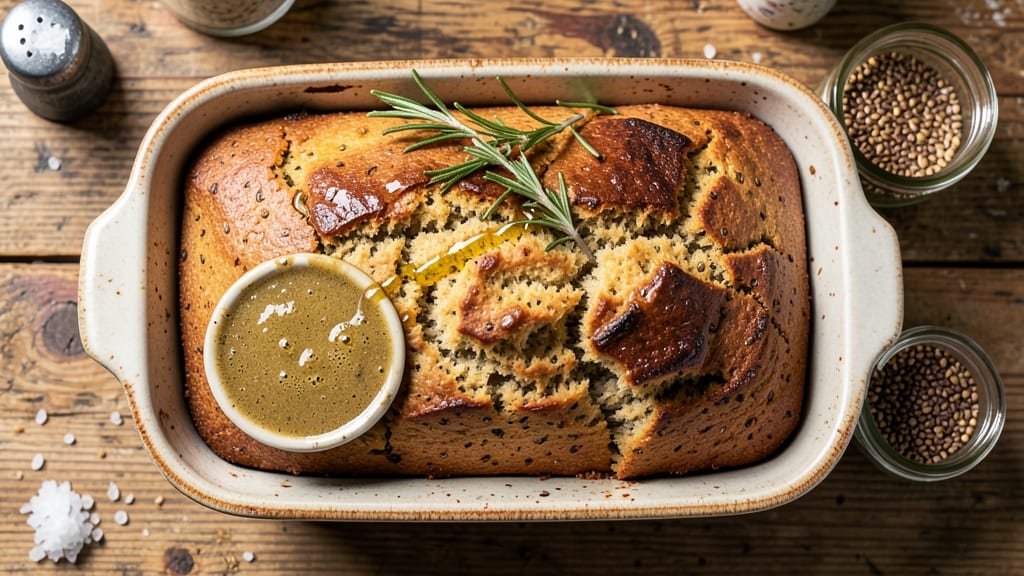
This almond flour and flaxseed bread recipe delivers a nutty crust with a light, airy crumb—perfect for anyone seeking a vegan, gluten-free alternative. The flaxseed "eggs" bind the dough while adding fiber and omega-3s, while almond flour creates a rich, slightly sweet flavor that rivals traditional bread.
What makes this recipe stand out is its ability to rise beautifully without yeast, thanks to a simple baking powder lift.
What you'll achieve is a loaf that's naturally sweet from the almonds, with a tender crumb that holds up perfectly for toast or sandwiches. The crust develops a delicate golden-brown hue, while the interior remains soft and slightly chewy—a texture that's surprisingly satisfying.
Unlike many gluten-free breads, this one doesn't crumble or taste overly dense, making it ideal for everyday use.
The beauty of this recipe lies in its versatility—use it for savory toast with avocado or olive oil, or sweeten it with honey or jam for breakfast. The flaxseed adds a subtle nuttiness that complements both sweet and savory toppings beautifully.
With just five key ingredients and 30 minutes of active time, you'll have a loaf that's as nutritious as it is delicious.
Perfect for those following a plant-based diet, managing blood sugar, or simply craving a healthier bread option, this recipe proves you don't need gluten or dairy to enjoy a satisfying loaf.
The best part? It keeps well for 3-4 days at room temperature, making it perfect for meal prep. Let's get started with the simple steps that yield such impressive results.
Ingredients for almond flour and flaxseed bread
Five simple ingredients transform into a loaf with nutty richness and perfect rise—no yeast needed!
| Ingredient | Amount | Notes |
|---|---|---|
| Almond Flour 🌰 | 2 ½ cups | Fine, blanched preferred |
| Ground Flaxseeds 🌾 | ⅓ cup | Freshly ground for binding |
| Water 💧 | 0.83 cup | Room temperature preferred |
| Baking Powder 🍞 | 1 ½ tsp | Aluminum-free recommended |
| Sea Salt 🧂 | ½ tsp | Fine grain preferred |
| Extra-Virgin Olive Oil 🫒 | ¼ cup | For richness and moisture |
| Maple Syrup 🍁 | 2 tbsp | Pure, grade B preferred |
| Vanilla Extract 🌸 | 1 tsp | Pure, alcohol-free preferred |
| Apple Cider Vinegar 🍏 | 1 tsp | For subtle tang |
Almond flour is the star here, so don't skimp—look for finely ground, blanched almond flour at Bob's Red Mill or Trader Joe's for the best texture. Freshly ground flaxseeds make all the difference; buy whole flaxseeds and grind them yourself for maximum binding power. The maple syrup adds natural sweetness while keeping the bread vegan-friendly. For extra flavor, consider a splash of vanilla bean paste instead of extract, though pure vanilla works perfectly fine. The baking powder is crucial for that light, airy crumb—aluminum-free is best to avoid any metallic aftertaste.
No almond flour? Cashew flour works beautifully—just add an extra tablespoon of water to compensate for its moisture content. Running short on flaxseeds? Chia seeds at double the amount (so 2 tbsp chia + 6 tbsp water = 1 flax egg) will work in a pinch. Substituting the maple syrup? Agave nectar or date syrup are excellent alternatives, though they may slightly alter the flavor profile. The apple cider vinegar can be swapped for lemon juice if that's what you have on hand, but it will add a brighter tang. For a richer bread, consider adding 1 tbsp nutritional yeast—it adds a cheesy depth without any dairy.
This bread keeps beautifully for 3-4 days at room temperature, wrapped tightly in a clean kitchen towel to maintain freshness. For longer storage, slice and freeze—it reheats perfectly in a toaster or oven. The crust develops best when baked in a lightly greased loaf pan, but you can also bake it free-form on a parchment-lined sheet for a rustic look. Once cooled, store in an airtight container to preserve that delicate crumb. The flaxseed eggs make this bread naturally moist, so it won't dry out like many gluten-free loaves.
Why You'll Love This Recipe
- No Mixer Needed: Mixing this dough is seriously hands-off—just fold the wet ingredients into the almond flour until it clumps like wet sand. No electric mixer, no overworking, no stress. I’ve made it in a bowl while chatting on the phone, and it still turns out light and tender.
- Nutty Comfort Crunch: That first bite? Warm, slightly sweet almond flavor with a subtle earthiness from the ground flaxseeds—like a cross between a scone and a cracker, but better. Honestly, it’s the kind of bread that makes you pause mid-slice to appreciate how good it is.
- Weeknight Workhorse: This bread is my go-to for breakfast toast, lunch sandwiches, or even a quick charcuterie base. It holds up for days in the fridge (no sogginess!) and freezes beautifully—just thaw and toast. (Yes, even on a Tuesday night when you’re exhausted.)
- Budget-Friendly Staple: Almond flour might seem pricey, but a little goes a long way, and the flaxseeds add bulk without breaking the bank. I’ve stretched this recipe into muffins, pancakes, or even a crust—minimal ingredients, maximum versatility. My wallet (and my taste buds) thank me.
Step-by-step instructions for almond flour and flaxseed bread
This gluten-free loaf delivers a nutty crust and airy crumb—here's how to nail it every time.
Create the Flaxseed Egg Replacement
In a small bowl, whisk together the 0.33 cup ground flaxseeds and 0.83 cup water. Let it sit for 5 minutes while you prepare the rest—this creates a gel-like binder that replaces eggs perfectly. You'll know it's ready when it thickens to a pudding-like consistency and holds its shape when stirred.
I always use freshly ground flaxseeds because pre-ground versions lose potency. The gel should be smooth with no visible seeds—if you see gritty bits, strain through a fine-mesh sieve. This step is crucial for binding the crumb without adding density.
Mix Wet and Dry Ingredients Separately
In a large mixing bowl, combine the 2.5 cups almond flour, 1.5 tsp baking powder, and 0.5 tsp sea salt. Whisk vigorously for 30 seconds to aerate the almond flour—this lightens the crumb significantly. In a separate small bowl, mix the 0.25 cup extra-virgin olive oil, 2 tbsp maple syrup, 1 tsp vanilla extract, and 1 tsp apple cider vinegar until smooth.
The almond flour should look fluffy with no clumps. I press the mixture through a fine-mesh sieve if I see any lumps—this prevents a dense texture. The wet ingredients should be completely homogeneous, with no visible streaks of oil.
Combine and Let Batter Rest
Pour the wet ingredients into the dry ingredients and mix gently with a spatula until just combined—do not overmix. Add the flaxseed gel last and fold it in until no streaks remain. The batter will be thick but pourable. Let it rest for 10 minutes at room temperature while you preheat your oven.
This resting period allows the flaxseed gel to fully hydrate the almond flour, creating a more cohesive crumb. I tap the bowl gently to help distribute the batter evenly. If it looks too thick, add 1 tablespoon water—but don't worry if it's perfect, as almond flour absorbs differently each time.
Preheat and Prepare the Pan
Preheat your oven to 350°F and line a 9x5-inch loaf pan with parchment paper, leaving an overhang on the sides for easy removal. Lightly grease the parchment with extra-virgin olive oil—this prevents sticking and creates a beautiful crust. Pour the batter into the prepared pan and smooth the top with a spatula.
The batter should fill the pan about ¾ full. I use a skewer to check if it's level—uneven batter can cause uneven baking. Tap the pan gently on the counter 2-3 times to eliminate any air bubbles that might have formed during mixing.
Bake to Golden Perfection
Bake for 40-45 minutes until the top is golden brown and a toothpick inserted in the center comes out clean. The internal temperature should reach 205°F—this ensures complete doneness without drying out. If the top browns too quickly, tent loosely with foil after 25 minutes to prevent over-browning.
I always check for doneness at the 35-minute mark because almond flour bread can vary. The edges should pull away slightly from the pan, and the crust should be firm to the touch. Let the bread cool in the pan for 10 minutes before transferring to a wire rack—this prevents crumbling when you remove it.
Rest and Slice for Maximum Flavor
Allow the bread to cool completely on a wire rack for at least 1 hour before slicing. This resting period lets the crumb set properly and prevents a gummy texture. The bread should have a nutty aroma and a light, airy crumb with a crisp exterior.
Slice with a serrated knife for clean cuts. Store wrapped at room temperature for 3 days or freeze for up to 3 months. This bread shines in French toast or as a base for avocado toast—its subtle sweetness and nutty depth make it incredibly versatile.
Pro Tips For Making Almond Flour And Flaxseed Bread
- Mix Flour First: Combine almond flour and ground flaxseeds in a bowl before adding wet ingredients—this prevents clumping and ensures even distribution. I used to toss them in mid-mix, and the bread always turned out denser on one side.
- Use Warm Water: Warm the water slightly (just enough to feel cozy, not hot) before mixing—it activates the flaxseed gel better and creates a lighter crumb. Cold water makes the bread gummy; trust me, I’ve ruined batches both ways.
- Don’t Overmix the Dough: Stir just until combined—overworking the batter develops gluten-like strings in almond flour, making the bread tough. Two minutes max with a spatula; I learned this after a brick-like loaf.
- Bake at 350°F, Not Higher: Almond flour burns easily, so stick to 350°F and avoid opening the oven early—even for a peek. My first attempt at 375°F left me with a charred crust and underbaked center. Patience wins here.
Pro cooking tips for great almond flour and flaxseed bread
Flaxseed Gel Mastery
The flaxseed "egg" is your secret weapon—measure the ground flaxseeds and water precisely by weight for consistency. I use a digital kitchen scale for accuracy, as volume measurements can vary.
Let the mixture sit for exactly 5 minutes—any less and it won't gel properly, any more and it may become too thick. Stir once halfway through to ensure even distribution. 🌾
Almond Flour Aeration
Whisk your almond flour vigorously for 30 seconds to incorporate air—this creates that signature light crumb. I use a handheld mixer on low speed to avoid overworking the flour.
If you see any lumps, press the mixture through a fine-mesh sieve before adding wet ingredients. Pre-sifting prevents dense pockets in your final loaf.
Baking Powder Timing
Add your baking powder to the dry ingredients last to preserve its leavening power. The moment you mix it in, start your 10-minute rest period—this allows the baking powder to begin activating before baking.
I place my bowl in a warm spot near the oven while preheating to help kickstart the reaction. Never skip this step—it's what gives your bread that perfect rise. 🍞
Pan Prep Secrets
Grease your loaf pan with extra-virgin olive oil and then dust with almond flour for an extra layer of protection. I use a pastry brush to apply the oil evenly, focusing on the corners where sticking often occurs.
The parchment overhang makes removal effortless—just grab the paper and lift. For a rustic look, bake on a parchment-lined sheet instead.
Doneness Test
Your bread is done when it reaches 205°F internal temperature and a toothpick comes out clean. I check at 35 minutes because almond flour bread can bake faster than wheat-based loaves.
If the top browns too quickly, tent with foil at 25 minutes—this prevents over-browning while maintaining moisture. The edges should pull away cleanly from the pan when ready. ⏰
Crust Perfection
For an extra crisp crust, brush the top with melted coconut oil after removing from the oven. Let the bread cool completely in the pan for 10 minutes before transferring—this prevents crumbling when you remove it.
I always slice with a serrated knife for clean cuts through the tender crumb. Store wrapped in a clean kitchen towel to maintain freshness longer than plastic.
Nutrition facts
Frequently asked questions
Why does my almond flour bread turn out dense?
Overmixing the batter or skipping the 10-minute rest period are the most common culprits. Always whisk the almond flour vigorously for 30 seconds to aerate it, and let the flaxseed gel hydrate completely before baking. Using freshly ground flaxseeds also makes a huge difference—pre-ground versions lose their binding power.
Can I make this bread without a loaf pan?
Shape the batter into a free-form loaf on a parchment-lined baking sheet. For better structure, lightly dimple the top with your fingers before baking. The crust will be slightly thicker, but the interior remains tender. Bake for 35-40 minutes at 350°F, checking for doneness at 30 minutes.
How do I store this bread to keep it fresh?
Wrap the cooled loaf tightly in a clean kitchen towel or beeswax wrap to maintain moisture. Store at room temperature for 3-4 days—this bread stays fresh longer than most gluten-free options. For longer storage, slice and freeze—it reheats beautifully in a toaster or oven. The flaxseed eggs help preserve freshness naturally.
What's the best way to add seeds or nuts to this recipe?
Fold in 2-3 tablespoons of chopped nuts (like walnuts or pecans) or 1 tablespoon of seeds (sunflower, pumpkin) during the final mixing step. For even distribution, toast the nuts/seeds first to enhance flavor. Avoid overloading—too many additions can make the bread crumble. Start with 1 tablespoon if you're unsure.
Can I substitute almond flour with other nut flours?
Yes! Cashew flour works best as a 1:1 substitute, though you may need 1 extra tablespoon of water due to its higher moisture content. Hazelnut flour also works but has a stronger flavor—reduce to 2 cups and add 0.5 cup almond flour for balance. Always sift nut flours to prevent density.