
Breakfast & Brunch
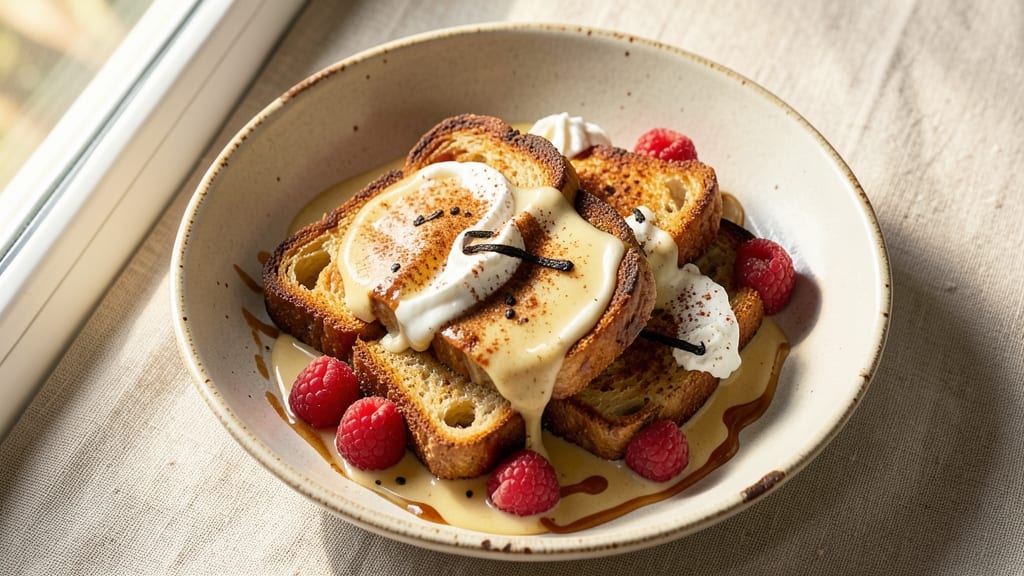
This artisan bread French toast recipe transforms stale loaves into golden, caramelized perfection with a cinnamon sugar crunch that rivals your favorite bakery. The secret lies in using high-quality, crusty bread that soaks up the custard just right while developing a crispy exterior.
I’ve perfected the balance between tender interior and crispy edges—no soggy bites here.
What sets this recipe apart is the cinnamon sugar crunch topping, which adds texture and warmth in every bite. The custard mixture, enriched with vanilla and a touch of nutmeg, ensures a rich, custardy center that holds together beautifully.
Cooking on medium-low heat prevents burning while allowing the bread to crisp up just enough for that satisfying crunch.
By the time you plate this dish, you’ll have caramelized edges and a golden-brown crust that’s impossible to resist. The cinnamon sugar topping adds a sweet, spiced contrast that elevates the dish from ordinary to extraordinary.
Serve with maple syrup, fresh berries, or a dollop of whipped cream for the ultimate breakfast experience.
This recipe is designed for foolproof results, whether you’re using a cast-iron skillet or baking sheet. The instructions are straightforward, ensuring you achieve that bakery-style crunch without the fuss. Ready to turn breakfast into a showstopper? Let’s get started.
Ingredients for artisan bread french toast
Pantry staples plus a few bakery-quality touches for that perfect crunch.
| Ingredient | Amount | Notes |
|---|---|---|
| Crusty Artisan Bread 🍞 | 8 slices | Stale or day-old preferred |
| Large Eggs 🥚 | 4 whole | Room temperature for best results |
| Heavy Cream 🥛 | ½ cup | Full-fat for richness |
| Milk 🥛 | ½ cup | Whole milk preferred |
| Vanilla Extract 🌿 | 1 tsp | Pure, not imitation |
| Ground Cinnamon 🌶️ | 1 tbsp | Freshly ground preferred |
| Ground Nutmeg 🌶️ | ¼ tsp | Freshly grated for flavor |
| Granulated Sugar 🍚 | 2 tbsp | For custard mixture |
| Unsalted Butter 🧈 | 2 tbsp | For cooking, melted |
| Cinnamon Sugar Mix 🍚 | ½ cup | For topping (mix 0.25 cup sugar + 1 tbsp cinnamon) |
| Salt 🧂 | ¼ tsp | Kosher or sea salt |
| Maple Syrup 🍁 | ¼ cup | For serving (optional) |
The bread is everything here—crusty, dense loaves soak up custard like a dream. Hit the bakery section for sourdough or brioche if you can, but any crusty bread works. Look for loaves with thick slices—French bread or ciabatta from Whole Foods or your local bakery are my go-tos. If using day-old bread, it’ll absorb the custard even better. Skip the soft, fluffy stuff—this isn’t pancake batter.
No heavy cream? Half-and-half works in a pinch, but trust me on the full-fat version. The vanilla matters too—imitation won’t cut it. For the cinnamon sugar topping, Trader Joe’s cinnamon is my secret weapon, but any high-quality ground cinnamon does the trick. Want extra crunch? Toast the bread slices lightly before dipping. And if you’re out of nutmeg, skip it—it’s just a subtle flavor boost, not essential. The custard should be thick but pourable—if it’s too thin, add a splash more egg.
This keeps best made fresh, but you can prep the custard mixture ahead and store it in the fridge for 1 day. The bread should be at room temp when dipping—30 minutes out of the fridge is perfect. Leftovers? Reheat in a skillet with a little butter—2 minutes per side until crispy again. Store the cinnamon sugar mix in an airtight jar for 2 weeks—it’s great on toast or oatmeal too.
Why You'll Love This Recipe
- No Chopping Needed: I swear by this trick—just tear that crusty artisan loaf into chunks, no knife required. The bread soaks up the egg-cream-milk mix in seconds, so you’re not waiting around for soggy bread or dry bites.
- Creamy Crispy Magic: That heavy cream and vanilla turn ordinary toast into something luxurious—golden edges that shatter, then melt into a custardy center. Honestly, it’s the kind of breakfast that makes me pause mid-bite to savor it.
- Weeknight Hero: I make this when I’ve got zero energy but need something impressive. It’s ready in 15 minutes, feeds the whole family, and even my picky teenager doesn’t complain. (Yes, even on a Tuesday night.)
- Leftovers That Shine: The best part? It reheats like a dream—just pop slices in the toaster or oven, and they’re crispy again. I’ve fed my book club with these for years, and they always ask for the recipe. Budget-friendly too—uses up stale bread instead of wasting it.
Step-by-step instructions for artisan bread French toast
Here's how to transform stale artisan bread into golden, caramelized French toast with a perfect crunch.
Prepare the Custard Mixture
In a large bowl, whisk together the 4 whole Large Eggs, 0.5 cup Heavy Cream, 0.5 cup Milk, 1 tsp Vanilla Extract, 2 tbsp Granulated Sugar, and 0.25 tsp Salt until completely combined. I like to use a fork first to break up the eggs, then switch to a whisk for about 30 seconds to create a smooth, creamy mixture. The custard should be thick enough to coat the back of a spoon but still pourable.
This step is where the magic happens—the custard soaks into the bread, creating that signature custardy interior. Don't rush this; let the mixture sit for 2-3 minutes while you prepare the bread. The eggs should be at room temperature for best results, as cold eggs can make the custard too thick and prevent even cooking.
Prep the Bread for Cooking
Cut the 8 slices Crusty Artisan Bread in half diagonally to create triangles. This gives you more surface area for that perfect caramelized crust. If your bread is fresh, toast it lightly in the oven at 350°F for 5-7 minutes to dry it out slightly—this ensures the French toast stays crispy instead of soggy.
Here's the thing—artisan bread has a thick, chewy crust that needs time to soften. Don't skip the light toasting if your bread is fresh. You want the exterior to crisp up beautifully while the interior stays tender. Arrange the bread slices in a single layer on a plate, ready for dipping.
Cook the French Toast to Golden Perfection
Melt 2 tbsp Unsalted Butter in a large skillet over medium heat. You'll want the butter to foam but not brown—this usually takes about 2 minutes. Dip each bread slice into the custard mixture, letting any excess drip off, then carefully place it in the skillet. Cook for 2-3 minutes per side until the edges are golden brown and the interior is cooked through.
I press down gently on the bread slices during the first minute of cooking—this prevents them from curling and ensures even contact with the pan. You'll know they're ready when the edges are crispy and the center springs back slightly when touched. Don't overcrowd the pan; cook in batches if needed to maintain even heat. The skillet should be warm but not smoking hot.
Add the Cinnamon Sugar Crunch
While the French toast is still hot, transfer it to a wire rack set over a plate. Immediately sprinkle 0.5 cup Cinnamon Sugar Mix evenly over the top. The residual heat from the toast will help the cinnamon sugar melt slightly, creating that signature caramelized crunch. Gently press the sugar mixture into the toast so it sticks.
This is the moment that matters: the contrast between the warm, custardy interior and the crispy, spiced exterior. Let the toast cool for 1-2 minutes before serving—this allows the sugar to set slightly while keeping the interior warm. If you serve it too soon, the sugar might melt too much and make a mess.
Serve with Maple Syrup
Plate the French toast and drizzle with 0.25 cup Maple Syrup for that classic touch. The syrup adds a perfect balance of sweetness to complement the cinnamon sugar. I like to serve it immediately while the toast is still warm, so the syrup can pool beautifully on the plate.
Each bite should deliver that perfect combination of crispy exterior, custardy interior, and warm cinnamon sugar crunch. If you're serving this for breakfast, pair it with fresh fruit or whipped cream for an extra touch of elegance. The key to success is keeping everything hot and serving it right away—this dish doesn't wait!
Pro Tips For Making Artisan Bread French Toast
- Soak the Bread Twice: First dip the crusty artisan slices in the egg-cream-milk mix for 10 seconds—just enough to wet the surface. Flip them and let them soak another 20 seconds, especially on the crusty sides. I learned this the hard way—skipping the second soak leaves you with dry, unabsorbed edges that won’t caramelize right.
- Use Room-Temp Cream: Heavy cream straight from the fridge will make your batter separate like a bad relationship. Let it sit out for 30 minutes before mixing—it blends smoother, coats the bread better, and gives you that velvety texture instead of a lumpy mess. (Yes, even if you’re impatient like me.)
- Medium-Low Heat Only: Cranking the heat high will steam the bread instead of searing it, leaving you with soggy, pale toast. Medium-low is where the magic happens—golden crust in 2-3 minutes per side, no flipping frenzy. Trust me, your first batch will burn if you don’t.
- Toast the Bread First: Skip the soggy bread trap by lightly toasting your artisan slices for 3-4 minutes before dipping. The crust stays crispy, the interior soaks up the custard perfectly, and you avoid the classic "French toast that falls apart" disaster. (Your future self will thank you.)
Make-ahead tips for this dish
Custard Prep Ahead
Mix the custard ingredients—eggs, cream, milk, vanilla, sugar, and salt—up to 1 day ahead and store in an airtight container in the fridge. When ready to cook, whisk again to recombine, then let sit at room temperature for 10 minutes before dipping the bread.
This saves time in the morning and ensures the custard is perfectly tempered for soaking. 💡
Bread Prep Strategy
Cut the bread into triangles and lightly toast fresh slices at 350°F for 5-7 minutes the night before. Store in a paper bag at room temperature—this prevents sogginess and makes dipping easier in the morning.
For stale bread, skip toasting and proceed directly to dipping. The key is ensuring the bread absorbs custard evenly without falling apart. ✨
Batch Cooking Tips
Cook French toast in two batches to maintain even heat and prevent overcrowding. Use a 10-inch cast-iron skillet for maximum crispiness, and keep the cooked pieces warm in a 200°F oven while finishing the second batch.
This method guarantees consistent results without burning. The residual heat in the oven keeps the toast warm and crispy until serving. 🔥
Cinnamon Sugar Storage
Pre-mix the cinnamon sugar topping in a small bowl and store it in an airtight container for up to 2 weeks. This saves time on the day of cooking and keeps the spices fresh.
For extra crunch, toast the bread slices lightly before dipping—this step is optional but enhances texture. The pre-mixed topping is ready to sprinkle as soon as the French toast comes out of the pan. 🌶️
Reheating Leftovers
Reheat leftover French toast in a skillet over medium heat for 2 minutes per side, adding a pat of butter to restore crispiness. Alternatively, pop slices in a 375°F oven for 5-7 minutes until warmed through.
The cinnamon sugar topping may lose some crunch, so I recommend serving fresh whenever possible. Store leftovers in an airtight container for up to 2 days. ❄️
Make-Ahead Serving
Assemble the French toast completely—including the cinnamon sugar topping—up to 30 minutes ahead and keep it warm in a 200°F oven. This is perfect for brunch gatherings or when you want to serve while the coffee is still hot.
The sugar will stay slightly sticky but won’t melt completely, maintaining that signature crunch. Just reheat for 1 minute at 350°F before serving. 💫
Nutrition facts
Frequently asked questions
What's the best type of artisan bread for French toast?
Look for crusty, dense loaves like sourdough, brioche, or ciabatta—these hold up best to soaking. Avoid soft, fluffy breads that'll turn mushy. Day-old bread works perfectly as it absorbs custard better than fresh. For extra crunch, lightly toast fresh slices at 350°F for 5-7 minutes before dipping.
Can I make this ahead of time?
Yes! Prep the custard mixture 1 day ahead and store it in the fridge. For the bread, cut into triangles and toast fresh slices the night before if using. Assemble completely (with cinnamon sugar) up to 30 minutes ahead, then reheat in a 200°F oven for 1 minute before serving. The sugar stays slightly sticky but maintains its crunch.
Why is my French toast soggy instead of crispy?
Sogginess usually means the bread absorbed too much custard or wasn't cooked long enough. Use day-old or lightly toasted bread and cook on medium heat for 2-3 minutes per side until edges are golden. Press down gently with a spatula during cooking to prevent curling. Overcrowding the pan also causes uneven cooking.
What can I substitute if I don't have heavy cream?
Use half-and-half in equal amounts, or substitute with whole milk plus 1 tablespoon melted butter per cup. For richness, add 1/4 cup sour cream or Greek yogurt to the custard mixture. The texture will be slightly lighter but still delicious. Just ensure your custard is thick enough to coat the bread.
How do I make this gluten-free?
Use a gluten-free artisan bread like a good-quality baguette or sourdough alternative. For the custard, ensure all ingredients (eggs, milk, vanilla) are certified gluten-free. The cooking method remains the same, but gluten-free bread may need slightly more custard to absorb properly. Cook on medium-low heat to prevent burning.