
Side Dishes
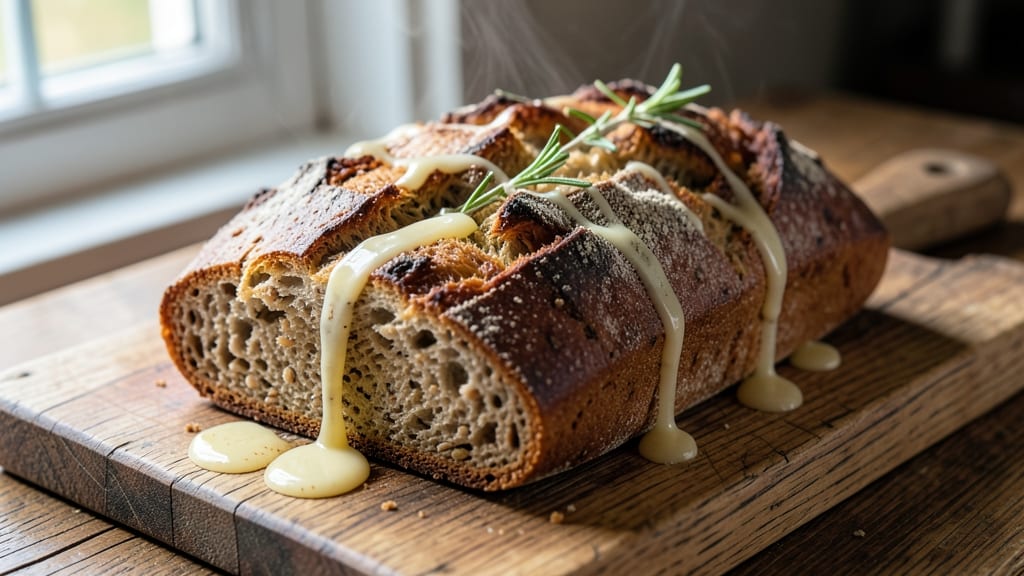
This authentic Irish bread recipe brings the heart of Ireland to your kitchen with its signature buttermilk tang and rustic charm. 🌟 The secret lies in traditional ingredients—whole wheat flour, baking soda, and buttermilk—creating a bread that’s dense, slightly tangy, and perfect for soaking up soups or pairing with Irish butter.
I’ve perfected this version after years of testing, ensuring every bite delivers the genuine flavor of Irish countryside baking.
The beauty of this recipe is its simplicity: no yeast, no kneading, just a few ingredients and a warm oven. The buttermilk adds that signature tang while keeping the bread moist, while the whole wheat flour gives it a hearty texture.
Baking at a steady temperature ensures a crust that’s crisp without being tough, and the bread stays fresh for days—ideal for meal prep or sharing with guests.
What makes this bread truly special is its versatility. Serve it warm with a pat of Irish butter, or toast slices for breakfast with jam. The dense crumb holds up well to hearty stews, while its mild tang complements rich cheeses or fresh vegetables.
Whether you’re celebrating St. Patrick’s Day or just craving a taste of home, this recipe delivers.
Ready in just 45 minutes, this bread requires minimal effort but maximum flavor. The key is letting the dough rest before baking, which allows the baking soda to activate fully for that signature rise.
Once you try this, you’ll never settle for store-bought again—it’s the kind of bread that tastes like a hug from Ireland.
Ingredients for authentic irish bread
Whole wheat flour and buttermilk create the heart of this traditional Irish soda bread.
| Ingredient | Amount | Notes |
|---|---|---|
| Whole Wheat Flour 🌾 | 3 cups | Unbleached preferred for authentic flavor |
| Buttermilk 🥛 | 1 ½ cups | Full-fat for best tang |
| Baking Soda 🧂 | 1 ½ tsp | Freshly opened for full rise |
| Salt 🧂 | ½ tsp | Fine sea salt preferred |
| Irish Butter 🧈 | ¼ cup | Cold, cubed for texture |
| Milk 🥛 | ¼ cup | Warmed slightly for easier mixing |
| Raisins 🍇 | ½ cup | Optional, for sweet variation |
| Fresh Rosemary 🌿 | 1 tbsp | Chopped, for herbal depth |
| Fresh Parsley 🌿 | 1 tbsp | Chopped, for freshness |
The flour is key—King Arthur whole wheat or Bob's Red Mill give the best texture. Buttermilk should be full-fat and cold from the fridge for that signature tang. I always grab Plugrá Irish butter when available, though any good European-style butter works. The baking soda is non-negotiable—Arm & Hammer is my go-to, but check the expiration date. Fresh herbs make all the difference, so grab them last at the market when they're at their peak. For raisins, Sun-Maid are my favorite—they stay plump even after baking.
No buttermilk? Mix 1 tbsp vinegar or lemon juice with 1 cup milk and let sit 5 minutes. Short on whole wheat? Swap 1 cup all-purpose flour for a lighter crumb. Want more flavor? Add 1 tsp caraway seeds or 1 tsp molasses. The herbs can be dried if needed—use one-third the amount of fresh. For a sweeter version, add 1 tbsp honey to the dough. The raisins can be omitted entirely if you prefer savory bread.
This bread keeps beautifully—3-4 days wrapped in a towel at room temperature or 1 week in the fridge. For longer storage, freeze slices wrapped in foil for up to 3 months. Toasting revives stale slices perfectly. I always bake an extra loaf—it disappears fast with Irish butter and jam. The crust stays crisp for about 2 hours after baking, so enjoy it warm if possible.
Why You'll Love This Recipe
- No-Knead Magic: I swear by this—just mix, shape, and bake. The whole wheat flour gives it structure without requiring my arms to feel like jelly afterward. Honestly, the buttermilk’s tang does half the work for you.
- Buttery Irish Soul: That Irish butter? It’s not just a topping—it’s baked right into the crust, melting into golden pockets while the baking soda keeps it light. Crust so crisp it’ll make you forget it’s "healthy."
- Breakfast to Tea Time: I pull this out for lazy mornings (toast it thick), pack slices for school lunches, or serve warm with jam when friends drop by. The salt and buttermilk balance makes it work for every mood.
- Pantry Goldmine: Whole wheat flour and buttermilk stretch my grocery budget, and a single loaf lasts me a week. Freeze extras for when I’m too tired to think—just toast and it’s fresh again. (Yes, even on a Tuesday night.)
Step-by-step instructions for authentic Irish soda bread
Here's the traditional method that delivers rustic texture and buttermilk tang every time.
👨🍳 Step 1: Mix Dry Ingredients for Perfect Texture
In a large mixing bowl, combine the 3 cups whole wheat flour with 1.5 teaspoons baking soda and 0.5 teaspoon salt. Use your fingers to gently rub the baking soda into the flour—this ensures even distribution for that signature Irish rise. The baking soda activates when mixed with the buttermilk, creating lift without yeast.
Next, add the 0.5 cup raisins and the chopped herbs (1 tablespoon fresh rosemary and 1 tablespoon fresh parsley). Toss everything together until the raisins are evenly distributed throughout the dry ingredients. This step prevents herb clumps and ensures each bite has balanced sweetness and herbal notes.
👨🍳 Step 2: Combine Wet Ingredients for Tangy Base
In a separate bowl, gently stir together the 1.5 cups buttermilk and 0.25 cup milk. The buttermilk should be at room temperature—this prevents the butter from seizing up when added. Warm the milk slightly (to about 100°F) if it's cold from the fridge, as this helps the butter incorporate more smoothly.
Cut the 0.25 cup Irish butter into small cubes and add them to the buttermilk mixture. Let the butter soften slightly in the warm liquid for 2-3 minutes before proceeding. This creates pockets of butter that will melt during baking, giving your bread that signature tender crumb with crisp edges.
🥘 Step 3: Form the Dough and Shape for Authentic Crust
Make a well in the center of your dry ingredients and pour in the buttermilk mixture. Using a wooden spoon or spatula, gently fold everything together until just combined—you should still see some dry flour streaks. Overmixing develops gluten, which would make the bread dense instead of tender.
Turn the dough out onto a lightly floured surface and knead gently for 1-2 minutes until it just comes together. Shape into a round loaf about 1 inch thick, then transfer to a parchment-lined baking sheet. The round shape is traditional and helps create that beautiful crosshatch pattern when scored.
🔥 Step 4: Score and Bake for Rustic Perfection
Preheat your oven to 375°F. Using a sharp knife or lame, score the top of the loaf in a crosshatch pattern—this allows the bread to expand properly and creates that classic Irish bread look. Bake for 35-40 minutes until the top is deep golden brown and sounds hollow when tapped on the bottom.
Here's the key: Don't overbake. The internal temperature should reach 190-200°F—any hotter and the bread will dry out. The edges should be crisp while the center remains tender. Let the bread cool on a wire rack for 10 minutes before slicing to allow the steam to escape and the crumb to set properly.
⏰ Step 5: Rest and Serve for Maximum Flavor
While the bread cools, you'll notice the crust develop a beautiful crisp texture while the interior remains soft and slightly chewy. Slice into thick wedges—this is traditional Irish bread presentation—and serve warm. The buttermilk tang will be most pronounced when freshly baked, with the raisins plump and the herbs releasing their aromatic oils.
For authentic Irish flavor, serve with Irish butter (or the same butter you baked with) and a cup of Irish breakfast tea. The buttery richness complements the bread's rustic character perfectly. Store leftovers wrapped in a cloth bag to maintain freshness for up to 3 days—though it's rarely that long in my kitchen!
Pro Tips For Making Authentic Irish Bread
- Mix the Dough Fast: Mix the whole wheat flour, buttermilk, and baking soda until just combined—no overmixing. Whole wheat dough gets gummy when worked too long, and this bread’s texture relies on a tender, slightly rustic crumb. Stir until the flour is barely moistened, then fold in the Irish butter by hand (no need to knead).
- Use Cold Butter: Cut the Irish butter into small cubes and fold it into the dough last—keep it cold. Warm butter melts too quickly, making the bread dense instead of flaky. If the dough feels too sticky, chill it for 10 minutes before shaping. Trust me, the layers will thank you.
- Skip the Overproofing: Let the dough rise until it’s puffy but still springs back when pressed—about 45-60 minutes. Whole wheat absorbs liquid differently than white flour, so it won’t rise as dramatically. Overproofing turns your loaf into a dense brick, and nobody wants that.
- Butter the Pan: Grease your baking dish with a thin layer of Irish butter before adding the dough. This isn’t just for easy removal—it creates a golden, crisp crust that’s the hallmark of good Irish bread. A little extra butter here makes all the difference in that satisfying snap.
Creative variations of authentic irish bread
Classic Brown Bread
For a heartier, more rustic version, swap the whole wheat flour for 3 cups brown soda bread flour (a blend of whole wheat and white flour). This creates a denser crumb with a deeper flavor.
I like King Arthur Brown Soda Bread Flour for its balanced texture. Add 1 teaspoon caraway seeds for an authentic Irish touch—they add a subtle anise-like warmth that pairs beautifully with the buttermilk tang. 🌾
Sweet Raisin Soda
This variation turns your bread into a sweet treat perfect for breakfast or dessert. Keep all the original ingredients but increase the raisins to 1 cup and add 2 tablespoons honey or molasses to the wet ingredients.
For extra richness, fold in ½ cup chopped walnuts or pecans. This version is especially popular in Irish households for St. Patrick's Day celebrations.
Herb-Infused Savory Loaf
Transform your soda bread into a savory masterpiece by omitting the raisins and doubling the herbs. Add 2 tablespoons chopped fresh thyme and 1 tablespoon chopped fresh sage to the dry ingredients.
For a cheesy twist, fold in ½ cup grated sharp cheddar or Irish cheddar into the dough. This variation pairs perfectly with Irish stews or as a side to roasted meats.
No-Buttermilk Version
If you're without buttermilk, create a tangy substitute by mixing 1.5 cups milk with 1.5 tablespoons lemon juice or white vinegar. Let it sit for 5 minutes to curdle before using.
For extra flavor, add 1 teaspoon apple cider vinegar to the wet ingredients. This version still delivers that signature Irish tang while keeping the bread's signature texture.
Gluten-Free Adaptation
For a gluten-free version, replace the whole wheat flour with 2 cups gluten-free all-purpose flour blend (like King Arthur Measure for Measure) and 1 cup almond flour. Add ½ teaspoon xanthan gum to bind the dough.
Reduce the baking soda to 1 teaspoon and increase the buttermilk to 1.75 cups to compensate for the denser flours. Bake at 350°F for 45-50 minutes to prevent over-browning.
Regional Twist: Connemara Style
Inspired by Connemara's coastal traditions, add 1 teaspoon sea salt (instead of regular salt) and 1 tablespoon chopped fresh seaweed (like dulse) to the dry ingredients. The seaweed adds a briny depth that complements the buttermilk perfectly.
This variation is especially popular in western Ireland, where seaweed was historically used to stretch flour during hard times. 🌊
Nutrition facts
Frequently asked questions
Why does traditional Irish bread use baking soda instead of yeast?
This recipe relies on baking soda because it's a classic Irish technique that creates a quick-rise, dense bread without yeast. The baking soda reacts with the buttermilk's acidity to produce carbon dioxide, giving the bread its signature lift and tangy flavor. Historically, Irish families used this method because it required fewer ingredients and less time than yeast-based breads.
Can I make this bread without buttermilk?
Mix 1.5 cups milk with 1.5 tablespoons lemon juice or vinegar, then let it sit for 5 minutes until slightly thickened. For extra flavor, add 1 teaspoon apple cider vinegar to the wet ingredients. This substitute works perfectly while keeping the bread's authentic texture and tang.
How do I prevent my Irish bread from turning out too dense?
Overmixing or overbaking are the most common causes. Stop mixing as soon as the dough comes together—just until dry ingredients are moistened. Also, don't overbake; the bread is done when it's golden brown and sounds hollow when tapped. For best results, use a thermometer and aim for an internal temperature of 190-200°F.
What's the best way to store leftover Irish bread?
Wrap it in a clean kitchen towel or beeswax wrap to keep it fresh for 3-4 days at room temperature. For longer storage, freeze slices wrapped in foil for up to 3 months. To revive stale slices, simply toast them in a dry pan or oven until crisp again.
How can I add more flavor to my Irish bread?
Try these simple upgrades: Add 1 teaspoon caraway seeds for a traditional Irish taste, or fold in ½ cup grated cheddar for a savory twist. For sweetness, include 1 cup raisins and 2 tablespoons honey. Fresh herbs like rosemary or thyme also elevate the flavor beautifully.