
Main Courses
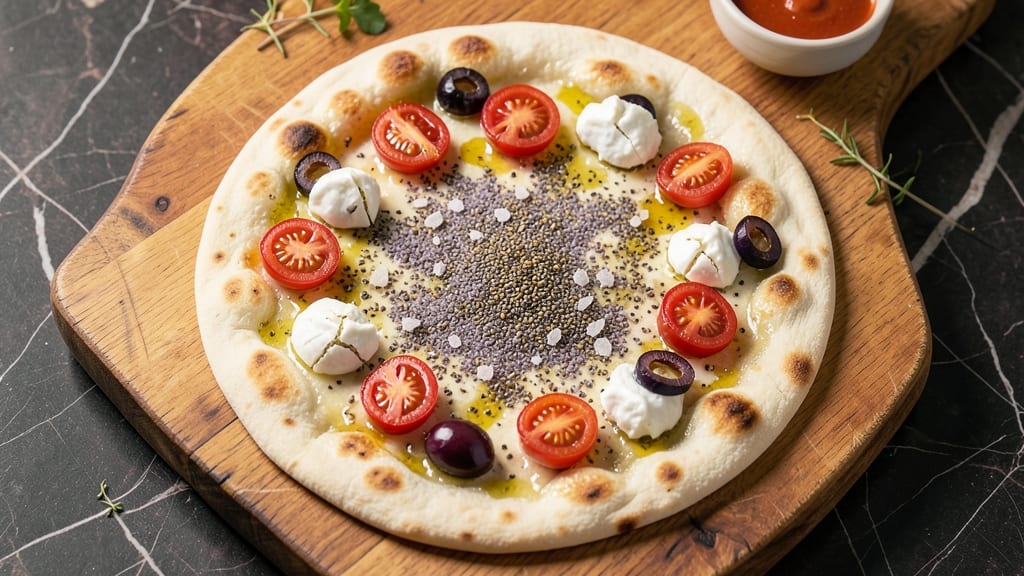
Atoria's flatbread pizza recipe delivers the perfect balance of crispy, za'atar-spiced crust and melty cheese magic in every bite. The secret lies in a simple yet flavorful dough that transforms into a tender, aromatic base—ideal for customizing with your favorite toppings.
This recipe combines Middle Eastern inspiration with Italian pizza traditions, creating a dish that's both authentic and approachable for home cooks.
The dough starts with a basic yeast mixture, but the real magic happens when you fold in za'atar—a fragrant blend of sesame seeds, sumac, and herbs—that gives the crust its distinctive flavor and aroma. Rolling it thin ensures a crispy exterior while keeping the inside soft and pillowy.
The dough is designed to be stretched by hand, making it perfect for beginners or anyone who wants to avoid complicated techniques.
Once baked, the flatbread develops a golden-brown crust with a subtle nutty undertone from the za'atar, while the melted cheese and toppings create a delicious contrast. The result is a pizza that's crispy yet tender, flavorful yet balanced, and ready to be shared in just 30 minutes.
Whether you're feeding a crowd or treating yourself to a quick weeknight meal, this recipe delivers restaurant-quality results with minimal effort.
Serve with a fresh side salad or roasted vegetables to complete the meal. The versatility of this flatbread means you can experiment with different toppings—think grilled chicken, roasted red peppers, or even a simple tomato sauce.
The possibilities are endless, but the foundation remains the same: a perfectly spiced crust that makes every bite unforgettable.
Ingredients for atoria's flatbread pizza
Middle Eastern spice meets Italian pizza magic with these simple yet transformative ingredients.
| Ingredient | Amount | Notes |
|---|---|---|
| Active Dry Yeast 🍞 | ¼ tsp | Instant yeast works too |
| Warm Water 💧 | ½ cup | 110°F for optimal yeast activation |
| All-Purpose Flour 🌾 | 2 ½ cups | King Arthur preferred |
| Za'atar Spice Blend 🌿 | 1 tbsp | Middle Eastern seasoning |
| Extra-Virgin Olive Oil 🫒 | ¼ cup | For richness and aroma |
| Fine Sea Salt 🧂 | 1 tsp | Diamond Crystal preferred |
| Shredded Mozzarella Cheese 🧀 | 1 ½ cups | Part-skim for balance |
| Fresh Tomatoes 🍅 | 1 whole | Roma or vine-ripened |
| Fresh Basil Leaves 🌿 | ¼ cup | Chopped for garnish |
| Garlic Cloves 🧄 | 2 cloves | Minced for tomato sauce |
| Tomato Paste 🍅 | 1 tbsp | San Marzano preferred |
| Balsamic Glaze 🍷 | 2 tbsp | For drizzling |
| Freshly Ground Black Pepper 🌶️ | ½ tsp | For finishing |
Za'atar is the star here, so grab the good stuff—look for blends with sumac, sesame seeds, and dried herbs. Middle Eastern markets have the best quality, but Whole Foods or Trader Joe's carry decent versions too. The olive oil matters just as much: extra-virgin with fruity notes (like California or Italian varieties) elevates the dough's nutty aroma. For the yeast, check the expiration date—old yeast won't activate properly. Flour? King Arthur or Caputo Tipo 00 if you want restaurant-level texture, but all-purpose works in a pinch.
No za'atar? Mix 1 tsp sesame seeds + 1 tsp sumac + 1 tsp dried oregano for a DIY version. Short on mozzarella? Fontina or provolone melt beautifully too. The tomato paste can be skipped if you're using fresh tomatoes, but it adds that umami depth that makes the sauce sing. For the basil, dried oregano at half the amount works in a bind, though fresh is ideal. The balsamic glaze? Any good-quality one works—just avoid the syrupy, overly sweet versions.
The dough keeps 2 days in the fridge wrapped tightly in plastic. For best results, let it sit at room temp for 30 minutes before stretching. The za'atar flavor intensifies after baking, so don't overwork the dough—just stretch it gently. Leftovers? Freeze baked flatbreads for up to 1 month—reheat in a toaster oven for crispy perfection. The tomato sauce can be prepped ahead and stored for 3 days, but add fresh basil just before serving.
Why You'll Love This Recipe
- No-Knead Magic: I swear, this dough comes together with just flour, yeast, and water—no standing at the counter, no overworking. The za’atar in the oil? That’s the secret: it infuses while you mix, so you’re not chasing flavor later.
- Crispy Yet Soft: That perfect charred edge with a pillowy center? The olive oil brush and quick cook time nail it every time. Honestly, it’s the kind of texture that makes you pause mid-bite just to appreciate it.
- Lunch or Dinner: Same dough, endless toppings—tomato sauce one night, hummus the next, or just cheese and za’atar for a speedy lunch. I’ve even used it for breakfast with eggs and feta. (Yes, even on a Tuesday night.)
- Budget-Friendly Staple: Flour, yeast, and olive oil are pantry basics, and this recipe stretches them far. Leftovers? Toss them in the freezer—reheat in minutes, and it’s still better than takeout. My wallet and taste buds win.
Step-by-step instructions for za'atar-spiced flatbread pizza
Here's how to craft the perfect Atoria-inspired flatbread with a fragrant za'atar crust and gooey cheese magic.
Activate the Yeast and Mix the Dough
In a small bowl, combine the 0.25 tsp active dry yeast with the 0.5 cup warm water (110°F). Let it sit for 5-10 minutes until it becomes foamy—this confirms the yeast is alive and ready to work. If it doesn't foam, your yeast may be expired, and you'll need to start over.
In a large mixing bowl, whisk together the 2.5 cups all-purpose flour and 1 tbsp za'atar spice blend. Add the yeast mixture and 0.25 cup extra-virgin olive oil, then stir until a shaggy dough forms. Sprinkle in the 1 tsp fine sea salt and mix until fully incorporated. The dough should be slightly sticky but manageable—if it's too dry, add 1 teaspoon of warm water at a time until it comes together.
Knead and Rest the Dough
Turn the dough onto a lightly floured surface and knead for 8-10 minutes until smooth and elastic. You'll know it's ready when it springs back slowly when poked. If the dough feels too sticky, add 1 tablespoon of flour at a time until it's just right.
Place the dough in a lightly oiled bowl, cover with a damp towel, and let it rise in a warm place for 1-2 hours, or until it has doubled in size. The za'atar will give the dough a subtle nutty aroma—this is your signal that fermentation is working. Poke the dough gently; if it springs back slowly, it's ready for shaping.
Prepare the Tomato Sauce Base
While the dough rises, prep the tomato sauce. In a small saucepan, combine 1 tbsp tomato paste, 2 cloves minced garlic, and 0.5 cup chopped fresh tomatoes. Cook over medium heat for 5-7 minutes, stirring occasionally, until the tomatoes break down and the mixture thickens slightly. Season with a pinch of the 1 tsp fine sea salt and 0.5 tsp freshly ground black pepper.
Remove from heat and stir in 0.25 cup chopped fresh basil leaves. The sauce should be vibrant and slightly chunky—this adds freshness that balances the za'atar's earthiness. Keep it warm while you shape the dough.
Shape and Assemble the Flatbread
Preheat your oven to 475°F and line a baking sheet with parchment paper. Divide the risen dough into 4 equal portions (about 8 ounces each) and roll each into a 10-inch round, keeping the edges slightly thicker for structure. The dough should be about ¼-inch thick—press down gently with your fingers to even out the thickness.
Transfer each flatbread to the prepared baking sheet. Spread ¼ of the tomato sauce evenly over each round, leaving a ½-inch border for the cheese. Sprinkle ⅓ cup shredded mozzarella cheese over each flatbread, pressing down lightly so it melts into a blanket of gooey goodness. The za'atar-infused dough will add a complex, aromatic depth that pairs perfectly with the creamy cheese.
Bake to Golden Perfection
Bake the flatbreads for 12-15 minutes until the crust is golden brown and the cheese is bubbling and slightly browned in spots. The edges should be crisp, while the center remains tender. If the cheese browns too quickly, tent the baking sheet with foil to prevent burning.
Remove from the oven and let rest for 2 minutes. Drizzle each flatbread with ½ tbsp balsamic glaze and garnish with additional chopped fresh basil leaves. Serve immediately while the crust is still warm and crispy. The za'atar's sesame, sumac, and thyme notes will shine through the melty cheese, creating a flavor profile that's both familiar and excitingly unique.
Pro Tips For Making Atoria'S Flatbread Pizza
- Bloom the Yeast: Skip the guesswork—dissolve the yeast in warm water (about 110°F) with a pinch of sugar or flour first, then wait 5-7 minutes until it’s foamy. I used to just toss it in dry and wondered why my dough sometimes failed to rise. This step guarantees it’s active before mixing with flour.
- Weigh the Flour: Ditch the scooping—use a kitchen scale for the all-purpose flour. A cup of flour varies wildly by brand (I’ve seen 120g to 150g in the same measuring cup), and this recipe’s light, airy texture depends on precision. Save yourself from dense, chewy flatbread by measuring by weight.
- Preheat the Pan: Heat your cast-iron or pizza stone on high for 15 minutes before cooking, then add a thin layer of olive oil (about 1 tablespoon) and swirl it around. The oil will smoke slightly—that’s good. This creates a nonstick crust and ensures that za’atar-infused oil soaks in evenly instead of pooling.
- Press, Don’t Roll: Use your palms to press the dough into the pan—no rolling pin needed. The goal is a ¼-inch-thick layer, and rolling can overwork the gluten, making the flatbread tough. Press gently but firmly, like you’re giving it a firm handshake.
Common mistakes when making great atoria's flatbread pizza
Overworking the Dough
Resist the urge to knead this za'atar dough excessively—it only needs 8-10 minutes of gentle kneading. Overworking develops gluten too much, which makes the flatbread tough instead of tender. The za'atar's delicate herbs and sesame seeds will lose their nuanced flavors if the dough becomes dense.
Remember, this is a hand-stretched flatbread, not sourdough—keep it light and airy. 💫
Skipping the Rest
Never skip the 1-2 hour rise time—this is where the za'atar's aromatic magic develops fully. The yeast needs time to activate the spices, creating that signature nutty depth.
If you're short on time, try a 10-minute quick-rise method with 1 tsp sugar in the yeast mixture, but the flavor won't be as complex. Patience here makes all the difference!
Uneven Thickness
Rolling the dough too thin (less than ¼-inch) creates crispy spots that burn before the cheese melts. Aim for consistent ⅛-inch to ¼-inch thickness throughout. Use a rolling pin for even pressure, or press gently with your fingers if stretching by hand.
The edges should be slightly thicker to hold the toppings—this prevents soggy centers. 🍕
Overloading Toppings
This delicate flatbread can't handle heavy toppings like traditional pizza. Stick to ⅓ cup mozzarella per flatbread plus light sauces. Too many toppings will weigh down the crust, making it gummy instead of crisp.
For extra flavor, use sauces like pesto or roasted garlic instead of extra cheese. Balance is key!
Baking at Wrong Temp
Baking below 475°F means the cheese won't melt properly, while going above 500°F burns the za'atar crust before the center cooks. Use an oven thermometer to confirm accuracy—many home ovens run 25°F hotter or cooler than set.
The perfect bake should have golden edges and gooey cheese in 12-15 minutes.
Not Preheating Properly
Skipping preheating means your flatbread won't get that signature crispy crust. Always preheat for 15-20 minutes with the rack in the middle position. The za'atar needs that high heat to toast the sesame seeds and activate the sumac's tangy notes.
Place your baking sheet on the middle rack—too high and the crust burns before the cheese melts. ✨
Nutrition facts
Frequently asked questions
Can I make this flatbread without yeast?
Yes! For a quick version, replace the yeast with 1 tbsp baking powder and 1 tsp baking soda, reducing the flour to 2 cups. Mix the dough ingredients, let it rest for 10 minutes, then shape and bake immediately at 450°F for 10-12 minutes. The texture will be denser but still delicious. The za'atar flavor remains intact!
What's the best way to store leftover flatbreads?
Cool completely, then store in an airtight container at room temperature for 2 days. For longer storage, freeze baked flatbreads for up to 1 month. Reheat in a 375°F oven for 5-7 minutes or until crispy. The za'atar aroma intensifies when reheated, making it even more flavorful!
How can I make this gluten-free?
Use a 1:1 gluten-free flour blend (like Bob's Red Mill) and add 1 extra tbsp xanthan gum to the dough. Reduce the olive oil to 0.2 cup and let the dough rest for 15 minutes before shaping. Bake at 425°F for 14-16 minutes—gluten-free dough needs lower heat to prevent burning. The za'atar flavor still shines through!
Can I use this dough for other recipes?
This versatile za'atar dough works perfectly for stuffed flatbreads (add cheese and herbs before rolling), gyros wraps (with grilled chicken and tzatziki), or even dessert flatbreads (drizzle with honey and cinnamon). The key is keeping the dough ¼-inch thick for best texture. The spices add amazing depth to any dish!
Why does my flatbread taste bland?
Bland flavor usually means the za'atar didn't infuse properly. Make sure your spices are fresh and toast them lightly in a dry pan for 1 minute before mixing into the dough. Also, let the dough rise fully—2 hours develops the za'atar's nutty aroma. For extra depth, add ½ tsp smoked paprika to the dough or sprinkle extra sumac on top before baking.