
Side Dishes
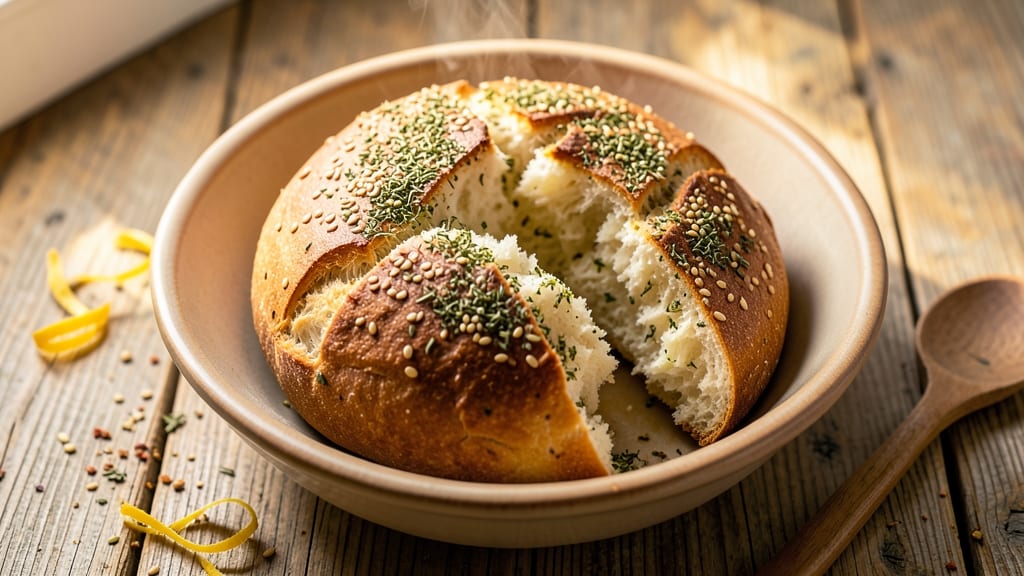
This Arabic bread recipe without yeast delivers restaurant-quality flatbread in just 15 minutes—no rising time, no fuss, just crispy, golden edges and a soft, pillowy center.
The secret lies in a simple dough of flour, water, and salt, shaped and cooked to perfection, then finished with a sprinkle of za'atar for that signature Middle Eastern crunch.
I developed this version after craving warm, fresh bread without the wait, and it’s become a staple in my kitchen for everything from wraps to dipping in hummus.
The beauty of this recipe is its versatility—traditionally, Arabic flatbreads like khobz or markook are baked on a hot stone or in a clay oven, but this adaptation works just as well in a cast-iron skillet or even your oven.
The dough comes together in minutes, and the shaping technique (rolling or stretching) is so intuitive even beginners will nail it. What sets this apart is the za'atar finish, which adds a nutty, herby depth that transforms simple flatbread into something truly special.
By the time you pull that last piece from the pan, you’ll have bread that’s crisp enough to hold up to bold flavors like spiced lamb stew or creamy baba ganoush, yet soft enough to fold into a sandwich.
The aroma alone—warm, toasty, with hints of sesame and sumac—will have everyone at the table asking for seconds. This is the kind of bread that feels like a hug: comforting, familiar, and impossible to resist.
Whether you’re serving it as a side, a wrap, or straight from the pan, this yeast-free Arabic bread proves you don’t need complexity to create something extraordinary. Let’s get started—your kitchen (and taste buds) will thank you.
Ingredients for arabic bread recipe without yeast
Six simple ingredients transform into golden, crispy flatbread in minutes.
| Ingredient | Amount | Notes |
|---|---|---|
| All-Purpose Flour 🌾 | 3 cups | Plus 2 tbsp for dusting |
| Warm Water 💧 | 1 ½ cups | About 105°F (40°C) |
| Salt 🧂 | 1 tsp | Fine sea salt preferred |
| Olive Oil 🫒 | 2 tbsp | For dough and cooking |
| Za'atar Seasoning 🌿 | 2 tbsp | Middle Eastern blend |
| Sesame Seeds 🌰 | 1 tbsp | Toasted for extra crunch |
| Semolina Flour 🌾 | ¼ cup | For dusting and rolling |
| Garlic Powder 🧄 | ½ tsp | Optional for extra flavor |
The flour is the backbone here—King Arthur or Bob’s Red Mill work best for that tender crumb. If your kitchen’s humid, chill the dough for 15 minutes before shaping. Warm water is key: too hot and the dough gets gummy, too cold and it won’t stretch right. Check the temperature with a candy thermometer if you’re unsure. Za'atar’s the magic—look for the sesame-and-sumac blend at Middle Eastern markets or in the international aisle. If you can’t find it, mix 1 tbsp sesame seeds, 1 tsp dried thyme, 1 tsp dried oregano, and ½ tsp salt as a quick sub.
No za'atar? Dried oregano plus a pinch of sumac (if you’ve got it) gets you close. Running low on sesame seeds? Toasted poppy seeds add a similar crunch. The dough’s so forgiving that even if you skip the garlic powder, it’ll still taste amazing—just slightly less aromatic. Semolina isn’t mandatory but it gives that professional touch. If you’re out, all-purpose flour works too, though the bread might stick a little more to the pan. For extra crispiness, brush the cooked bread with melted butter after baking—trust me, it’s worth it.
Dough keeps 2 hours covered at room temp if you’re prepping ahead. Freeze shaped discs on a tray for up to 1 month—thaw and cook straight from frozen. Za'atar loses potency fast, so store it in the fridge and use within 3 months. These breads reheat beautifully: 5 minutes at 350°F in the oven with a sprinkle of water on the pan. Pro tip: Stack them in a bread box or wrapped in a towel to keep them soft for days.
Why You'll Love This Recipe
- No-Knead Magic: I swear by this—just mix, fold, and let it rest. No yeast, no waiting hours, no fancy equipment. The dough comes together in minutes, and honestly? It’s the kind of bread that makes me feel like I actually cooked something when I’m just folding a bowl.
- Za’atar Zing: That earthy, nutty za’atar isn’t just a topping—it’s the star. The olive oil soaks right in, giving every bite a crispy crust and a warm, herby finish. Between us, it’s the kind of flavor that turns plain meals into something special without trying too hard.
- Weeknight Workhorse: This bread is my go-to for everything: toast for breakfast, wraps for lunch, or a quick side for dinner. I keep a batch in the freezer for lazy mornings or when I’m too tired to bake. It’s the kind of staple that makes my life easier—no overcomplicating, just reliable good food.
- Pocketbook Hero: Four ingredients, one bowl, zero waste. The flour and salt are basics you already have, and olive oil stretches further than you’d think. I’ll be real: I’ve made this on a budget, and it still tastes like I spent an hour in the kitchen. That’s the kind of recipe that doesn’t break the bank.
Step-by-step instructions for quick za'atar flatbread
Here's how to make this yeast-free Arabic bread in under 30 minutes—no waiting, no fuss.
Mix the Dough Until Smooth
In a large mixing bowl, combine the 3 cups all-purpose flour, 1 tsp salt, and 0.5 tsp garlic powder (if using). Create a well in the center and pour in the 1.5 cups warm water (about 105°F) and 2 tbsp olive oil. The water should be warm to the touch but not hot.
Using a wooden spoon or your hands, mix the ingredients until they come together into a shaggy dough. You'll notice it's sticky—that's normal for this recipe. Once combined, turn the dough out onto a lightly floured surface and knead gently for 2-3 minutes until just smooth. Over-kneading develops gluten, which makes the bread tough. The dough should be soft and slightly tacky to the touch.
Incorporate Za'atar and Sesame Seeds
Return the dough to the mixing bowl and sprinkle the 2 tbsp za'atar seasoning and 1 tbsp sesame seeds over the top. Using your hands, gently work the seasonings into the dough until evenly distributed. The za'atar will give your bread that signature nutty, herby flavor, while the sesame adds delightful crunch.
Cover the bowl with a damp kitchen towel and let the dough rest for 10-15 minutes at room temperature. This short rest helps relax the gluten and makes the dough easier to handle. You'll see the dough become slightly more pliable during this time.
Divide and Roll the Dough
Lightly dust your work surface with 0.25 cup semolina flour (plus extra if needed). Divide the dough into 6 equal portions (about 4 ounces each) and roll each piece into a ball. Then, using a rolling pin, flatten each ball into a ¼-inch thick circle, about 6 inches in diameter. Keep the remaining dough covered to prevent drying.
If the dough sticks to the surface, dust with more semolina flour—but don't overdo it, or the bread will taste like flour instead of za'atar. The edges should be slightly thicker than the center, which helps create that classic flatbread shape when cooked.
Cook Until Golden and Puffed
Heat a clean skillet or griddle over medium-high heat until hot. Place one flatbread in the skillet and cook for 1-2 minutes until the bottom is golden brown and small bubbles form on the surface. You'll see the edges start to puff up—that's your signal to flip.
Carefully flip the bread using a thin spatula and cook the other side for another 1-2 minutes until golden brown. Transfer to a clean kitchen towel to keep warm. Repeat with the remaining dough balls, working in batches to avoid overcrowding the pan. Each flatbread should have a crispy exterior and a soft, pillowy interior.
Serve Warm with Dipping Sauce
Serve the flatbreads immediately while still warm and slightly puffed. They'll deflate as they cool, so enjoy them right away. For extra flavor, brush the tops with a little more olive oil or drizzle with melted butter. These flatbreads pair perfectly with hummus, baba ganoush, or even as a wrap for grilled meats.
Real talk: If you make more than you can eat right away, store them in an airtight container at room temperature for up to 2 days. To reheat, warm in a dry skillet over medium heat for 30 seconds per side until crispy again. The za'atar flavor only gets better as the bread sits!
Pro Tips For Making Arabic Bread Recipe Without Yeast
- STRETCH THE DOUGH LONG: Roll it out thin—like you’re flattening a pancake, not a tortilla. I used to think "thin" meant "see-through," but it’s more like a crispy cracker’s thickness. Too thick? It’ll stay doughy. Too thin? It burns before it puffs. Aim for even pressure, and don’t skip the flour on your surface—this stuff sticks like glue.
- SALT THE WATER FIRST: Mix the salt into the warm water before adding flour—it dissolves better and seasons the dough evenly. I learned this the hard way after pulling out a bland, crumbly mess. Use about ½ teaspoon per cup of water, and trust me, the bread won’t taste "salty" unless you overdo it.
- LET IT REST (YES, REALLY): Give the dough a 20-minute rest after mixing, even though it’s yeast-free. This lets the flour relax and makes rolling easier. I was skeptical until I tried it—I used to fight with the dough, and it always cracked. Now it stretches smooth as silk.
- OIL THE PAN HOT: Heat the pan until a drop of water sizzles violently, then wipe it dry and add just enough olive oil to coat. Too cool? The bread sticks. Too much oil? It turns greasy. Get it right, and you’ll have crispy, golden pockets every time—no flipping required. (And no, you don’t need a fancy pan.)
Essential equipment for perfect results
Cast-Iron Skillet
This is my go-to tool for making perfect flatbread—Lodge 10.25-inch cast iron is my absolute favorite because it retains heat like a dream and creates that signature crispy crust. The weight helps distribute heat evenly, so you get golden edges without burning the center.
If you don’t have cast iron, a heavy stainless steel skillet works too, but it won’t hold heat as well. Preheat your skillet over medium-high heat for 3-5 minutes before adding the dough to ensure even cooking. 🔥
Rolling Pin
A good rolling pin makes all the difference for smooth, even flatbread. I use a French-style wooden pin (like OXO Good Grips) because it’s sturdy and gives me precise control. For thicker edges, I roll from the center outward, pressing slightly harder at the edges.
If you don’t have one, a clean wine bottle or even a soda can works in a pinch—just roll gently to avoid tearing the dough.
Semolina Flour
Semolina isn’t just for dusting—it’s what gives your flatbread that professional, golden finish. I keep a small container of Barilla semolina on hand because it’s fine and absorbs moisture well, preventing sticking. If you’re out, all-purpose flour works, but your bread might stick slightly more to the pan.
Lightly dust your work surface and rolling pin with semolina before shaping, and sprinkle a pinch on the cooked bread for extra crunch.
Kitchen Towel
You’ll need two towels: one damp to cover the dough while it rests (this keeps it from drying out) and one clean to stack your finished flatbreads. I like thick, absorbent cotton towels because they trap heat and keep the bread soft.
Pro tip: Fold the towel into a square and place it over the dough bowl to create a snug, breathable cover—this helps the dough relax and become more pliable before rolling.
Instant-Read Thermometer
For perfect dough consistency, I check the water temperature with a Thermoworks ThermoPop—it’s fast and accurate. The water should be 105°F (40°C); too hot and the dough gets gummy, too cold and it won’t stretch right.
If you don’t have a thermometer, test the water with your finger: it should feel warm but not hot enough to burn you. This small step makes a huge difference in texture! 🌡️
Za'atar Blend
While not a cooking tool, za'atar is the secret weapon in this recipe. I always buy Penzeys Spices za'atar because it’s balanced—equal parts sesame seeds, sumac, and dried herbs.
If you can’t find it, mix 1 tbsp sesame seeds, 1 tsp dried thyme, 1 tsp dried oregano, and ½ tsp salt for a quick sub. Toast the sesame seeds in a dry pan for 1-2 minutes before adding them to the dough for extra depth of flavor.
Nutrition facts
Frequently asked questions
Why does this Arabic bread recipe skip yeast?
Traditional Middle Eastern flatbreads like khobz and markook are often made without yeast for quick preparation and a denser texture. The dough relies on steam and high heat to create that signature puff, rather than yeast fermentation. This method delivers crispy edges and a soft center in just 15 minutes—perfect for busy weeknights!
Can I make this dough ahead of time?
The dough keeps well in an airtight container at room temperature for up to 2 hours. For longer storage, shape the dough into balls and freeze them on a tray for 1 month. Thaw completely before cooking—no need to defrost in the fridge. The flavor actually improves slightly after resting!
What if my flatbread sticks to the pan?
This usually happens if the pan isn't hot enough or you didn't dust properly. First, ensure your skillet is smoking hot before adding the dough. Second, generously dust with semolina flour (not all-purpose) before rolling. If it still sticks, gently slide a thin spatula between the bread and pan to release it—never force it!
Can I use whole wheat flour instead?
Yes, but with adjustments! Replace 1 cup of all-purpose flour with whole wheat, and add 1 extra tablespoon of olive oil to the dough. Whole wheat absorbs more moisture, so the dough may be slightly stickier. Roll thinner (⅛-inch thick) and cook on medium heat to prevent burning.
How do I serve these flatbreads beyond dipping?
These versatile flatbreads work as wraps for grilled chicken shawarma, stuff with falafel and tahini, or use as a base for za'atar-crusted pizzas. For a Middle Eastern feast, layer with lamb kofta and pickled vegetables. The crispy edges hold up perfectly—no soggy sandwiches here!