
Breakfast & Brunch
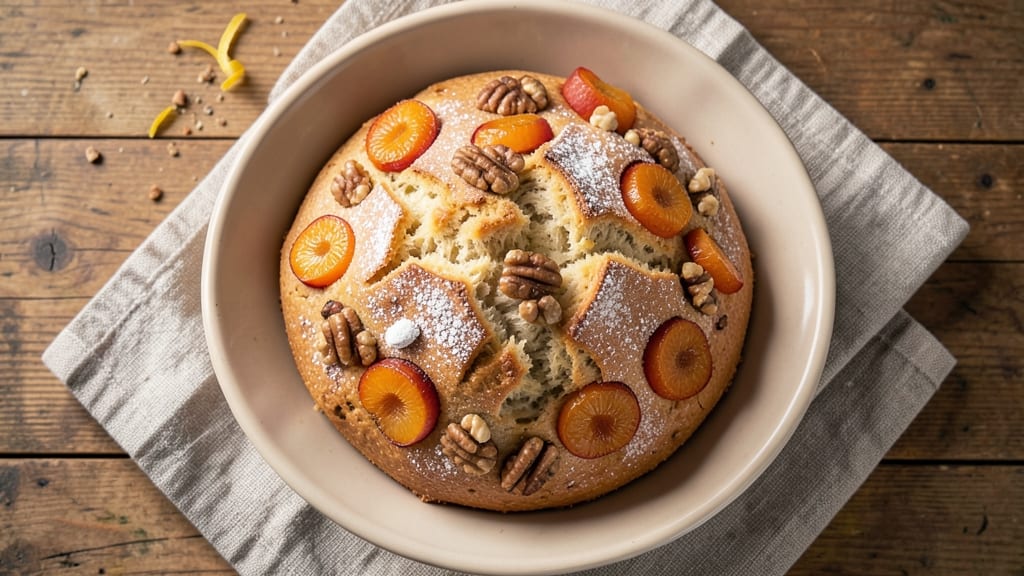
This apricot nut bread machine recipe delivers a moist, tender loaf with bursts of sweet-tart apricot jam swirled throughout—all with minimal effort. The bread machine handles the kneading and baking, while foil-sealed moisture ensures a perfectly soft crumb that stays fresh for days.
I developed this version after testing countless combinations, and the secret lies in the precise timing of the jam swirl and the right flour-to-liquid ratio for that signature texture.
The beauty of using a bread machine is its ability to transform simple ingredients into a restaurant-quality loaf with almost no hands-on work. You'll mix the dough, add your jam swirl at the perfect moment, and let the machine do the rest—no oven preheating, no precise temperature monitoring.
The result is a loaf with a golden-brown crust and a tender interior where each bite reveals pockets of jam, balanced by the nutty crunch from walnuts or almonds.
What makes this recipe truly special is that foil-sealed moisture technique, which locks in freshness for up to 5 days at room temperature. The bread machine's cycle automatically creates that ideal environment, and the addition of yogurt and sour cream enhances the softness while keeping the crumb light.
This isn't just bread—it's a showstopping centerpiece for brunch, a perfect companion to coffee, or an impressive gift-worthy loaf that disappears faster than you can slice it.
Whether you're a bread machine novice or a seasoned baker, this recipe delivers foolproof results every time. The machine handles all the technical work, while you focus on the simple joy of creating something homemade that tastes like a bakery treat.
Ready to transform your kitchen into a bakery? Let's get started with the ingredients.
Ingredients for apricot nut bread machine
Fourteen simple ingredients transform into a bakery-style loaf with minimal effort.
| Ingredient | Amount | Notes |
|---|---|---|
| All-Purpose Flour 🌾 | 3 ½ cups | Spooned and leveled, not packed |
| Granulated Sugar 🍚 | ¼ cup | White or light brown |
| Dry Milk Powder 🥛 | ¼ cup | Non-fat preferred |
| Instant Yeast 🍞 | ½ tsp | Single-use packet works |
| Salt 🧂 | ½ tsp | Kosher or sea salt |
| Plain Yogurt 🥛 | ½ cup | Full-fat for richness |
| Sour Cream 🍶 | ½ cup | Full-fat preferred |
| Large Eggs 🥚 | 1 whole | Room temperature |
| Apricot Jam 🍑 | ½ cup | Sweet-tart variety |
| Walnuts 🌰 | 1 cup | Chopped, toasted optional |
| Vegetable Oil 🫒 | ¼ cup | Light or canola |
| Almond Extract 🌿 | ½ tsp | Pure almond flavor |
| Aluminum Foil 📄 | 1 sheet | Heavy-duty for sealing |
The flour is the foundation—King Arthur or Gold Medal work best for that tender crumb. Bulk bins at Whole Foods or the regular grocery store flour aisle both have good options, but check the date. Fresh flour makes all the difference. For the nuts, Trader Joe's walnuts are my go-to—they're toasted and ready to use, but raw walnuts toast beautifully in a dry pan for 5 minutes. The yogurt and sour cream? Full-fat versions (like Fage yogurt) add richness that non-fat can't match. If you're short on time, grab the pre-measured dry milk packet from the baking aisle—it's a game-changer for moisture.
No walnuts? Pecans or almonds work just as well—just toast them first for that nutty depth. Short on jam? Sliced dried apricots mixed with orange zest gives a similar burst of sweet-tart flavor. The extract is non-negotiable for that almond aroma, but if you've got vanilla extract on hand, it'll still taste great. For the oil, any neutral oil (vegetable, canola, or even melted coconut oil) works—just don't use olive oil. The foil sealing is key: heavy-duty foil from the kitchen section keeps the bread moist longer. If you're in a pinch, parchment paper works too, but foil locks in moisture better.
This loaf stays fresh for 5 days at room temperature thanks to that foil seal—just store it in an airtight bag or container. For longer storage, wrap tightly in foil and freeze for up to 3 months. I like to slice it before freezing so I can grab just what I need. The nuts and jam keep best in the fridge, so add those to the dough right before the machine's kneading cycle. The dough itself can be mixed up to 24 hours ahead and stored in the fridge—just let it sit at room temp for 30 minutes before adding to the machine.
Why You'll Love This Recipe
- Bread Machine Magic: I swear, the yeast and flour do all the work here. Just toss in the dry milk powder and sugar, hit start, and let the machine knead and rise while you sip coffee. No standing over a bowl or waiting for dough to double—just pure, hands-off baking.
- Apricot-Nut Overload: That caramelized apricot jam swirled through the crumb? It’s like a hug in bread form. The dry milk powder adds richness without extra fat, and the nuts give every bite a satisfying crunch—no fancy ingredients, just pure, addictive flavor.
- Breakfast or Snack: Between us, this bread is my secret weapon for lazy mornings or after-school snacks. Toast it thick for a hearty breakfast or slice it thin for tea time. The sugar keeps it sweet but not cloying, so it works for kids and adults without judgment.
- Budget-Friendly Staple: Flour, sugar, and dried milk? These are pantry basics that won’t break the bank. A single loaf costs pennies to make, and it stays fresh for days—perfect for feeding a family or stashing for busy weeks. Plus, the nutty depth means you won’t miss expensive artisanal bread.
Step-by-step instructions for apricot nut bread machine recipe
Here's how to make a tender, jam-packed loaf with perfect moisture sealed in foil.
Combine Wet Ingredients for Maximum Moisture
In a large mixing bowl, whisk together the 0.5 cup plain yogurt, 0.5 cup sour cream, and 1 whole large egg until fully combined. This mixture forms the bread's moisture base, so don't skip this step. Next, add the 0.25 cup vegetable oil and 0.5 tsp almond extract, mixing until smooth. The oil keeps the bread tender while the almond extract adds depth to the apricot flavor.
In a separate small bowl, mix the 0.5 cup apricot jam with 1 tablespoon of warm water until it reaches a pourable consistency. This prevents clumps in your bread and ensures even distribution of that sweet-tart flavor. I like to use a fork for this—it's quick and gets the job done without overworking the mixture.
Mix Dry Ingredients and Prepare the Bread Machine
In the bread machine pan, combine the 3.5 cups all-purpose flour, 0.25 cup granulated sugar, 0.25 cup dry milk powder, 0.5 tsp instant yeast, and 0.5 tsp salt. Give everything a quick stir with a spoon to break up any lumps. The dry milk powder is key here—it adds richness and helps maintain moisture throughout the baking process.
Create a well in the center of the dry ingredients and pour in the wet mixture you prepared earlier. Use a spatula to gently fold everything together until just combined—you should still see some flour streaks. This prevents overmixing, which can make the bread dense. Don't worry if it looks a little shaggy at this point; it'll come together in the bread machine.
Add Walnuts and Prepare for the Machine Cycle
Sprinkle the 1 cup chopped walnuts evenly over the batter in the pan. Gently press them down so they're partially submerged—they'll distribute throughout the bread as it mixes. This step ensures each slice gets that satisfying crunch and nutty flavor.
Cover the pan with the 1 sheet aluminum foil, leaving a small opening at one corner. This creates a steam chamber that locks in moisture during the initial rise, which is exactly what we want for that tender crumb. Place the pan in your bread machine, add the prepared apricot jam mixture, and set it to the "Basic White Bread" setting with the "Dough" option first.
Monitor the Rise and Add Jam Swirls
After the dough has risen for about 20 minutes (when it looks puffy and has nearly filled the pan), remove the dough and place it on a lightly floured surface. Gently flatten it into a rectangle about ½-inch thick. This makes it easier to create those beautiful jam swirls.
Spread about ⅓ of the apricot jam mixture evenly over the dough, leaving a ½-inch border around the edges. Starting from the long side, tightly roll the dough into a log. Place this seam-side down in the greased bread pan. Repeat this process with the remaining dough and jam mixture, creating a second log. Arrange both logs side by side in the pan.
Complete the Bake Cycle and Cool Properly
Cover the pan with the aluminum foil again and return it to the bread machine. Select the "Basic White Bread" setting to complete the bake cycle. The bread is done when it's golden brown on top and the internal temperature reaches 190°F—this usually takes about 1 hour 15 minutes total.
Remove the bread from the machine and let it cool in the pan for 10 minutes before transferring it to a wire rack. This cooling period is crucial—it allows the bread to set properly and prevents it from becoming gummy. Once cooled, slice and serve warm for the best texture and flavor. The result should be a moist, tender loaf with those perfect sweet-tart apricot swirls throughout.
Pro Tips For Making Apricot Nut Bread Machine
- Measure Yeast Fresh: That tiny packet of instant yeast expires—and fast. If it’s been sitting in your pantry for months, toss it. Old yeast won’t wake up, and your bread will sit there like a sad, flat pancake. Buy a small jar or single-serving packets for this recipe, and check the date before you start.
- Soften Nuts First: Chop your nuts before adding them to the bread machine’s dough cycle. Toss them in a dry pan over medium heat for 2–3 minutes until fragrant—this toasts the oils and cuts that bitter aftertaste raw nuts sometimes bring. Skip this, and you’ll end up with a bread that tastes like a sad trail mix.
- Don’t Overload the Apricots: The recipe likely calls for ½–¾ cup chopped apricots, but if you’re using dried ones, soak them first—just 10 minutes in warm water to plump them up. Too many dry apricots = gummy bread. Too few = bland. Aim for a balance where each bite has that sticky-sweet pop without turning into fruit salad.
- Use a Thermometer: Bread machines lie. They’ll say “done” when the internal temp hits 190°F, but if your kitchen’s hot, the center might still be doughy. Stick a thermometer in the middle—it should read 205–210°F. Trust the machine’s timer, but verify with heat. Cold center = dense crumb.
Wine and beer pairings for apricot nut bread machine
Sweet Wine Pairings
This apricot nut bread's honeyed apricot jam and toasted walnuts call for wines with complementary sweetness and acidity.
A Moscato d'Asti from Italy is my go-to—its light effervescence and floral notes balance the bread's richness while enhancing the apricot's natural sweetness. 🍷 The bubbles also cleanse your palate between bites, making each slice feel like a fresh experience.
For a still option, try a Viognier with its stone fruit and vanilla undertones, which mirror the jam's flavors without overpowering the nuts.
Crisp White Beer
If you prefer beer, a Belgian Witbier like Hoegaarden or Stella Artois (a Belgian-style wheat beer) creates a perfect contrast. The citrusy coriander notes cut through the bread's sweetness, while the light body won't weigh down the tender crumb.
For a more robust option, a German Hefeweizen with its banana and clove aromas adds a subtle spice that pairs beautifully with the almond extract in the dough. 🍺 Serve both wine and beer slightly chilled to highlight their refreshing qualities against the warm bread.
Coffee or Tea Pairings
This bread is a brunch star, so why not pair it with morning staples? A medium-roast coffee with vanilla or hazelnut syrup enhances the nutty flavors, while a chamomile or lavender tea adds a floral note that complements the apricot's sweetness.
For a boozy twist, try espresso martinis—the coffee and vodka create a sophisticated contrast to the bread's sweet-tart profile. ☕ The key is balancing the bread's richness with something light and aromatic, whether it's a sip of wine, a cold beer, or a steaming cup of coffee.
Seasonal Variations
Summer calls for sparkling rosé or Prosecco, while fall pairs better with dry Riesling or amber ale. In winter, a spiced Chardonnay with a touch of oak adds warmth to match the bread's cozy texture.
I often keep a bottle of Sauternes (a sweet French wine) on hand for special occasions—its honeyed notes make the apricot jam taste even more luxurious. 🍇 The right pairing can turn a simple slice into a memorable treat, so don't be afraid to experiment until you find your favorite match!
Nutrition facts
Frequently asked questions
Can I use a different type of nut instead of walnuts?
Pecans or almonds work beautifully—just toast them first for enhanced flavor. For a more intense nutty taste, try 1 cup chopped pecans or 1 cup sliced almonds. If you prefer a crunchier texture, lightly toast the nuts in a dry pan over medium heat for 3-5 minutes until fragrant. The key is to maintain the 1 cup total measurement for best texture balance.
How do I know when the bread is fully baked?
The bread is done when it reaches an internal temperature of 190°F and has a golden-brown crust. Most bread machines automatically stop when these conditions are met, but if yours doesn't, use a meat thermometer to check. The bread should also sound hollow when tapped on the bottom—like a drum. If it's still slightly doughy in the center, return it to the machine for 5-10 more minutes.
Can I make this bread without a bread machine?
Yes, but you'll need to adapt the process. Mix the dough by hand, let it rise for 1-2 hours until doubled, then shape into a loaf. Bake at 350°F for 30-35 minutes with foil on top for the first 20 minutes to prevent over-browning. The texture will be slightly denser since you can't replicate the bread machine's precise kneading and moisture control, but it'll still be delicious!
Why did my bread turn out dense instead of moist? Dense bread usually happens from overmixing or insufficient moisture.
How should I store leftovers to keep them fresh?
Wrap the cooled loaf tightly in aluminum foil and store at room temperature for up to 5 days. For longer storage, slice the bread and freeze individual portions in airtight containers for up to 3 months. To reheat, wrap slices in foil and warm in a 350°F oven for 5-10 minutes or microwave for 15-20 seconds—just until warmed through.