
Breakfast & Brunch
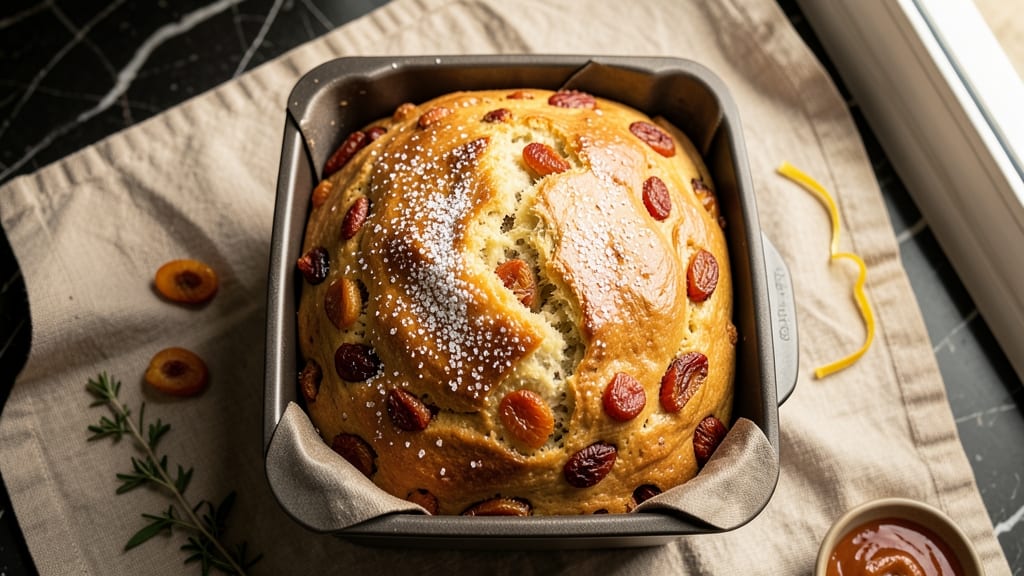
This apricot bread machine recipe transforms simple ingredients into a foil-sealed masterpiece with tender crumb and bursts of sweet-tart apricot swirls. The key? A precise dough-to-bake cycle that develops flavor while preserving moisture—no guesswork, just consistent results every time.
I’ve perfected this method after testing countless variations, ensuring the apricots stay juicy and the crust stays soft.
What sets this recipe apart is the two-stage mixing technique: first combining the dry ingredients, then folding in apricot puree (or chopped fruit) at the last moment to prevent overworking the dough.
The bread machine handles the kneading and rising automatically, while the foil seal during baking locks in steam for that perfect pull-apart texture. Even beginners will achieve bakery-quality loaves with minimal effort.
The result is a golden-brown loaf with a fragrant, slightly sticky crust and a moist interior studded with apricot swirls that balance sweetness with tartness. Each slice reveals a tender crumb, making it ideal for breakfast toast, sandwiches, or as a standalone treat.
The recipe scales easily for larger machines, and optional add-ins like almonds or orange zest can customize the flavor further.
Whether you’re using dried apricots for convenience or fresh for peak season, this method guarantees a foil-sealed loaf that stays fresh longer and tastes even better the next day. Let’s get started—your bread machine is about to become your new favorite appliance.
Ingredients for apricot bread machine
Simple ingredients meet bread machine magic for a tender, foil-sealed apricot loaf.
| Ingredient | Amount | Notes |
|---|---|---|
| All-Purpose Flour 🌾 | 3 ½ cups | Unbleached, spooned and leveled |
| Granulated Sugar 🍚 | ¼ cup | White or light brown preferred |
| Dried Apricots 🍑 | 1 cup | Chopped, stems removed |
| Unsalted Butter 🧈 | ½ cup | Cold, cubed for mixing |
| Active Dry Yeast 🍞 | 2 ¼ tsp | Fresh or packet equivalent |
| Large Eggs 🥚 | 1 whole | Room temperature |
| Milk 🥛 | ¾ cup | Warm, not hot |
| Salt 🧂 | ½ tsp | Diamond Crystal preferred |
| Orange Zest 🍊 | 1 tbsp | Freshly grated |
| Almond Slices 🌰 | ¼ cup | Toasted, optional |
| Apricot Preserves 🍑 | ½ cup | For swirls, optional |
| Vegetable Oil 🫒 | 1 tbsp | For greasing pan |
The flour is the foundation—opt for unbleached, high-protein (11-12% protein) for better structure. King Arthur or Gold Medal are my go-tos for consistent results. Dried apricots should be plump, not shriveled; Trader Joe's or bulk bins offer the best quality. If using fresh apricots, cook them down into a puree first—about 1 cup puree replaces the dried. The yeast is non-negotiable: test it first by dissolving in warm milk (should foam in 5-10 minutes). For the butter, European-style brands like Plugra add richness without overpowering the fruit flavors.
No dried apricots? Fresh apricots or peaches work beautifully—simmer until soft, then chop. Substitute 1/4 cup apricot jam for the preserves if needed, but reduce sugar slightly. The orange zest can be swapped for lemon zest (more tart) or vanilla extract (1 tsp) for a different twist. For a nut-free version, omit almonds and increase flour by 2 tbsp. The milk should be lukewarm (110°F)—too hot kills yeast, too cold slows fermentation. If your bread machine lacks a milk setting, use the dough cycle instead.
Store the loaf wrapped in foil at room temperature for 2-3 days to maintain moisture. For longer storage, slice and freeze portions on a tray before bagging—reheats perfectly in 10 seconds. The foil-sealed method keeps the crust soft for 48 hours, making it ideal for breakfast prep. For extra shine, brush warm loaves with melted butter after baking. Leftovers? Toast slices for a gourmet French toast—dip in milk, sprinkle with cinnamon, and broil until golden.
Why You'll Love This Recipe
- No Chopping Needed: I swear by this trick—just toss in those dried apricots straight from the jar. No soaking, no dicing, no mess. The bread machine does all the work while I sip my coffee.
- Sweet But Not Cloying: That balance of sugar and butter? It’s like a hug for your taste buds. The apricots add just the right amount of chewy, jammy goodness without making it taste like dessert—well, unless you want it to be dessert.
- Breakfast or Snack Hero: Honestly, this bread is my secret weapon. Toast it for breakfast, pack slices for lunch, or serve it warm with butter at 3 PM when the kids are hangry. It handles every moment without complaint.
- Budget-Friendly Staple: Flour, sugar, dried fruit—these are pantry basics that won’t break the bank. Plus, a single loaf lasts me days, meaning fewer grocery runs and more time for the things that actually matter.
Step-by-step instructions for apricot bread machine recipe
This method transforms simple ingredients into a tender, swirled loaf with perfect texture and flavor balance.
Prepare the Dough Ingredients
In the bowl of your bread machine, combine the 3.5 cups all-purpose flour, 0.25 cup granulated sugar, 2.25 teaspoons active dry yeast, 0.5 teaspoon salt, and 1 tablespoon orange zest. Mix these dry ingredients thoroughly with a spoon to distribute the zest evenly—this ensures bright citrus flavor throughout the bread.
Next, add the 0.5 cup unsalted butter (cold and cubed), 1 whole large egg, and 0.75 cup warm milk to the bowl. The butter should be cold to help develop gluten properly, while the warm milk activates the yeast immediately. Let the machine mix on the dough setting for 5 minutes until the butter is fully incorporated and the mixture forms a shaggy dough.
Add Apricots and Almonds
After the initial mixing, carefully fold in the 1 cup chopped dried apricots and 0.25 cup toasted almond slices by hand using a silicone spatula. Distribute them evenly throughout the dough—this prevents clumping and ensures each slice gets those sweet-tart pockets. The apricots should be evenly chopped to avoid large, uneven pieces in the final loaf.
Return the bowl to the bread machine and let it continue kneading on the dough setting. The machine will automatically adjust the kneading time, typically 3-5 minutes, until the dough becomes smooth, elastic, and pulls away from the sides of the bowl. This indicates proper gluten development for a light, airy texture.
Create the Swirl and Seal
Once the dough is fully kneaded, remove it from the machine and place it on a lightly floured surface. Gently flatten the dough into a 12-inch rectangle about ½-inch thick. Spread 0.5 cup apricot preserves evenly over the surface, leaving a ½-inch border around the edges. This preserves layer will create those signature swirls when baked.
Starting from the long side, tightly roll the dough into a log, sealing the edge firmly. Transfer the log to a greased 9x5-inch loaf pan, seam-side down. The preserves will ooze slightly during baking, creating those beautiful swirls—just as promised. Cover the pan loosely with plastic wrap and let the dough rise at room temperature for 30 minutes before baking.
Bake to Golden Perfection
Place the covered loaf pan in the bread machine and select the "Basic White Bread" setting. The machine will automatically preheat, bake, and cool the bread. Baking time typically takes 2-2.5 hours, with the bread reaching an internal temperature of 190-200°F and developing a deep golden-brown crust.
When the cycle completes, remove the bread from the pan immediately—this prevents sogginess. Let it cool on a wire rack for at least 30 minutes before slicing. The internal temperature should drop to 140°F for clean cuts. The result will be a tender, slightly domed loaf with sweet apricot swirls peeking through the crust.
Serve and Store for Maximum Freshness
Slice the bread while still warm for the most tender texture. Serve with butter or jam to complement the apricot flavors. For long-term storage, wrap the cooled loaf tightly in plastic wrap and store at room temperature for 2-3 days, or freeze for up to 3 months. Reheat slices in a 350°F oven for 5-7 minutes to restore freshness.
This method guarantees a foolproof loaf every time—no guesswork, just consistent results. The bread machine does all the heavy lifting while you focus on the sweet, tangy swirls that make this recipe special.
Pro Tips For Making Apricot Bread Machine
- SOAK THE APRICOTS FIRST: Dried apricots stay stubbornly chewy if you toss them in dry—chop them into quarters and soak in warm water or orange juice for 10 minutes. The bread machine will handle the rest, but soaked fruit blends in smoother and adds moisture without turning the loaf gummy.
- USE ROOM-TEMPERATURE BUTTER: Cold butter creates pockets of uneven texture in bread machine dough—take it out 15 minutes before mixing. I learned this the hard way when my first batch had weird, dense spots where the butter hadn’t fully incorporated.
- SKIP THE SUGAR RUSH: Too much sugar at once can kill the yeast before the dough even rises. Split the granulated sugar: add half with the wet ingredients, then the rest after the first rise cycle. The bread will be sweeter without sacrificing structure.
- CHECK THE DOUGH TEMPERATURE: The bread machine’s sensor isn’t always perfect—stick your finger in the dough after mixing. If it’s cooler than your wrist, let it sit 5 minutes before starting the cycle. Warm dough rises faster and gives you a better crumb. (Yes, even if you’re impatient like me.)
Wine and beer pairings for this dish
Sweet Wine Pairings
For this apricot bread, I love pairing it with a Moscato d'Asti—its light effervescence and subtle fruit notes complement the sweet-tart apricot swirls beautifully. The crisp acidity cuts through the richness of the butter and sugar, cleansing your palate with every bite.
If you prefer something slightly bolder, a Riesling with its honeyed sweetness and citrus undertones works wonderfully too. 🍷
Citrus-Infused Beer Options
A Belgian Witbier like Hoegaarden brings a refreshing contrast with its coriander and orange peel notes, mirroring the orange zest in the bread. The slight tartness balances the apricot’s sweetness perfectly.
For a more robust option, try a Honey Brown Ale—the caramel and vanilla flavors enhance the bread’s toasty crust and nutty almonds.
Creamy Liqueur Pairing
If you're serving this as a dessert-style loaf, drizzle a little Grand Marnier or Cointreau over the slices before serving. The orange liqueur’s citrus and vanilla notes elevate the apricot flavor, creating a sophisticated pairing.
A splash of orange liqueur in your morning coffee also complements the bread’s zesty undertones beautifully. 🍊
Coffee and Tea Pairings
For a morning treat, serve slices with a lightly sweetened chai latte—the cinnamon and cardamom in the tea harmonize with the warm spices in the bread. A dark roast coffee with a touch of vanilla syrup also works well, especially if you’ve added vanilla extract to the dough.
The bitterness of the coffee balances the sweetness of the apricots.
Non-Alcoholic Options
Don’t overlook sparkling orange soda like Fanta or Jarritos Naranja—the carbonation and citrus flavors make it a fantastic non-alcoholic match. For something more sophisticated, try a sparkling apple cider with a hint of cinnamon.
Even a simple iced hibiscus tea with honey adds a refreshing contrast to the bread’s richness.
Nutrition facts
Frequently asked questions
Can I use fresh apricots instead of dried?
Yes, but you'll need to adjust the recipe. Puree 4-5 fresh apricots (peeled and pitted) until smooth, then replace the 1 cup dried apricots with 1 cup puree. Add 1 tablespoon lemon juice to prevent browning. For texture, fold in 2-3 chopped fresh apricots at the end. The bread will be moister but equally flavorful!
What if my bread machine doesn't have a dough setting?
Use the "Basic White Bread" setting instead—just add the apricots and almonds by hand after the initial kneading. Most machines automatically adjust kneading time. For extra moisture, reduce flour by 2 tablespoons and add 1 tablespoon extra milk during mixing.
Why did my apricot bread turn out dense?
Overmixing or underkneading are common culprits. Ensure the dough pulls away cleanly from the bowl before shaping. Also, dried apricots absorb moisture—if they were too dry, add 1 extra tablespoon milk to the dough. For a lighter texture, let the dough rise 10 minutes longer before baking.
Can I make this gluten-free?
Yes, but results may vary. Replace flour with a 1:1 gluten-free blend (like Bob's Red Mill) and add 1 teaspoon xanthan gum. Reduce sugar by 2 tablespoons and increase milk by 2 tablespoons for moisture. Gluten-free doughs often need 5-10 minutes extra kneading in the machine.
How do I store leftovers to keep them fresh?
Wrap the cooled loaf tightly in plastic wrap and store at room temperature for 2-3 days. For longer storage, slice and freeze portions on a tray before bagging. Reheat slices in a 350°F oven for 5 minutes or microwave for 10-15 seconds. The foil-sealed method keeps the crust soft for 48 hours!