
Side Dishes
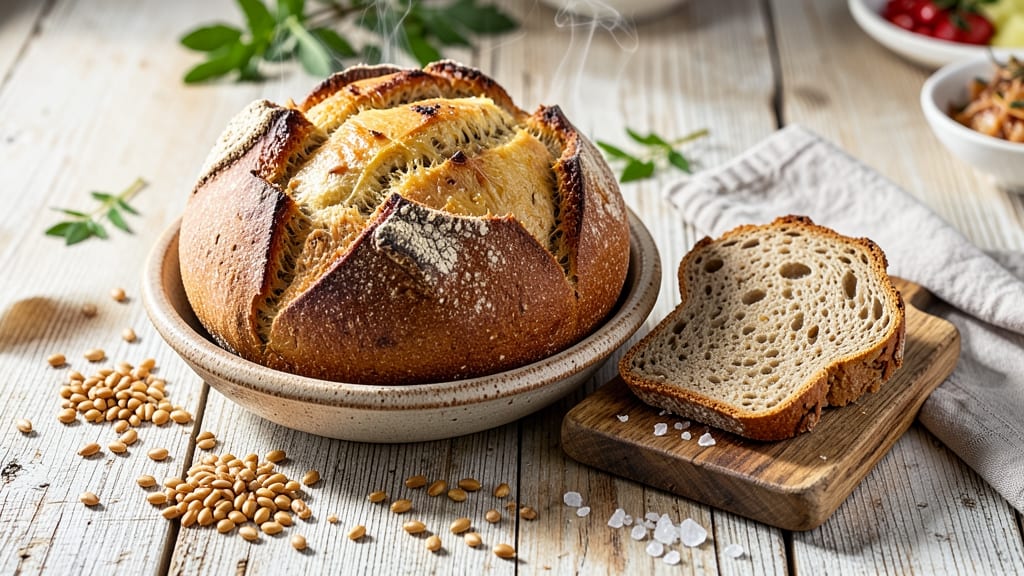
This Anglo-Saxon bread recipe transports you back to medieval England with its rustic charm and hearty texture. 🌾 The secret lies in using ancient grains like barley and rye, combined with herbs that were staples in Saxon households.
Unlike modern breads, this version relies on natural fermentation and a wood-fired oven approach—though your home oven can deliver similar magic with patience. What makes this bread truly special is its simplicity and depth of flavor.
The dough develops a crisp, golden crust while maintaining a soft, chewy interior—just as it would have centuries ago. No fancy equipment is needed, only time and a steady hand. The aroma alone will transport you to a bustling medieval hearth, where bread was both sustenance and celebration.
The process begins with a basic dough of flour, water, and a pinch of salt, but it’s the slow fermentation that creates the signature texture. Kneading by hand ensures the gluten develops properly, while shaping it into a round loaf mimics traditional methods. The result?
A loaf that’s sturdy enough for hearty meals but tender enough to soothe even the hungriest of appetites. Perfect for pairing with medieval-inspired stews or simply enjoying with butter and honey, this bread is a testament to how ancient techniques still hold power in modern kitchens.
Let’s bring history to life, one loaf at a time.
Ingredients for anglo saxon bread
Ancient grains, medieval herbs, and time-honored patience create this historic loaf.
| Ingredient | Amount | Notes |
|---|---|---|
| Bread Flour 🌾 | 3 ½ cups | High-protein for structure |
| Whole Wheat Flour 🌾 | 1 cup | Adds rustic texture |
| Barley Flour 🌾 | ½ cup | Ancient grain for depth |
| Rye Flour 🌾 | ½ cup | Traditional Saxon flavor |
| Active Dry Yeast 🍞 | ¼ oz | Or 2 1/4 tsp package |
| Warm Water 💧 | 1 ½ cups | 110°F for yeast activation |
| Sea Salt 🧂 | 1 ½ tsp | Kosher preferred |
| Fresh Rosemary 🌿 | 1 tbsp | Chopped, for aroma |
| Fresh Thyme 🌿 | 1 tbsp | Chopped, leaves only |
| Honey 🍯 | 1 tbsp | Feeds yeast naturally |
| Olive Oil 🫒 | 2 tbsp | For dough elasticity |
| Cornmeal 🌽 | ¼ cup | For dusting surface |
The flours are the heart of this bread—barley and rye bring that authentic Saxon flavor, while whole wheat adds rustic texture. Grab King Arthur or Bob's Red Mill for the best quality. If you can't find barley flour, substitute more rye. The yeast? Fresh is ideal, but the tiny packets work fine. Just make sure it's not expired—yeast loses potency fast. For the herbs, fresh is best, but dried thyme and rosemary at half the amount will work in a pinch.
No barley flour? Extra rye plus a pinch of cinnamon mimics the flavor. Short on whole wheat? White bread flour works too, but the texture will be slightly less rustic. The honey can be swapped for maple syrup, though it changes the flavor profile a bit. Olive oil matters here—use extra-virgin for that fruity depth. If you're making this ahead, pre-ferment the dough overnight for even better flavor development. The cornmeal is just for dusting—any fine grain works.
This dough needs time—at least 2 hours of rising at room temp. For best results, let it go overnight in the fridge. Shape it into a round loaf, then bake at 375°F for 40-45 minutes until golden. Cool completely before slicing—2 days on the counter keeps it fresh. Freeze slices for 3 months if you want to make ahead. The aroma alone makes this worth the wait.
Why You'll Love This Recipe
- No-Knead Magic: Mixing the dough takes less than five minutes—just toss those flours (bread, whole wheat, barley, rye) with yeast and water, then let it rise while you watch an episode. No stand mixer, no elbow grease, just hands-off patience.
- Earthy Depth: That blend of rye and barley? It’s got a nutty, almost spiced warmth that’s way more interesting than plain white bread. Honestly, the first time I bit into it, I thought, “Wait, this is better than sourdough?”
- Weeknight Swiss Army Knife: Tear it for sandwiches, toast it for breakfast, or use it to soak up stew broth—this bread handles everything. I keep a loaf in the fridge for days, and it only gets better as the flavors meld.
- Pocketbook Hero: A single batch costs pennies and stretches for ages. Between us, I’ve fed a houseful of guests with one loaf, and the rye flour keeps it dense enough to stay fresh longer than store-bought. Budget win, flavor win.
Step-by-step instructions for Anglo-Saxon bread
Let's craft this ancient-inspired loaf with rustic texture and fragrant herbs.
👨🍳 Step 1: Activate the Yeast and Mix Wet Ingredients
In a small bowl, combine the 1.5 cups warm water (around 110°F—it should feel warm to touch but not hot), 1 tbsp honey, and 0.25 oz active dry yeast. Let this sit for 5-10 minutes until it becomes frothy—this confirms your yeast is alive and ready to work. If it doesn't bubble, your yeast might be dead, and you'll need to start over.
While waiting, finely chop the 1 tbsp fresh rosemary and 1 tbsp fresh thyme (just the leaves) using a sharp knife. This releases their aromatic oils, which will infuse the dough. In the same bowl, add the chopped herbs, 2 tbsp olive oil, and 1.5 tsp sea salt. Stir gently to combine—this is your flavor base that will carry through the entire loaf.
👨🍳 Step 2: Combine All Flours for the Perfect Dough
In a large mixing bowl, whisk together the 3.5 cups bread flour, 1 cup whole wheat flour, 0.5 cup barley flour, and 0.5 cup rye flour. The combination of these flours gives this bread its distinctive rustic texture and depth of flavor. Make a well in the center of the flour mixture and pour in the yeast-water mixture. Use a wooden spoon to gradually incorporate the wet ingredients into the dry.
Once combined, switch to your hands and knead the dough for 8-10 minutes on a lightly floured surface. You're looking for a smooth, slightly tacky dough that springs back when poked. The ancient grains make this dough denser than modern bread dough, so don't be surprised if it feels heavier. If it's too sticky to handle, add 1 tablespoon of flour at a time until it becomes manageable.
⏰ Step 3: First Rise - Let the Magic Begin
Lightly oil a large bowl, place the dough inside, and cover it with a damp kitchen towel. Let it rise in a warm place (like near your oven with the light on) for 1.5 to 2 hours, or until it has roughly doubled in size. The dough should feel puffy and springy when you press it gently with one finger—it should leave a slight indentation that slowly fills back in.
Here's the thing—this dough might not rise as dramatically as modern bread dough because of the higher proportion of whole grains. That's okay! The flavor and texture will still be incredible. If your kitchen is cold, place the bowl on top of your oven with the light on to create a warm, consistent environment for rising.
🥘 Step 4: Shape and Second Rise for Rustic Texture
Turn the risen dough onto a lightly floured surface and gently shape it into a round loaf. Don't worry about making it perfect—this bread is meant to look rustic! Place it seam-side up in a lightly greased 9x5-inch loaf pan. Alternatively, for an even more authentic look, shape it into a free-form round and place it on a parchment-lined baking sheet.
Let the shaped dough rise again for 30-45 minutes, until it has puffed up noticeably. While it rises, preheat your oven to 375°F. Sprinkle 0.25 cup cornmeal onto a baking sheet—this will help create that beautiful crust we're after. The cornmeal adds a subtle sweetness and prevents the bread from sticking to the pan.
🔥 Step 5: Bake to Golden Perfection
Carefully transfer the risen dough to the prepared baking sheet. Make a few shallow slashes (about ½-inch deep) on the top of the loaf using a sharp knife—this helps the bread expand properly and gives it that classic rustic look. Bake for 35-40 minutes until the bread is deep golden brown and sounds hollow when you tap the bottom.
The interior should register 190-200°F on an instant-read thermometer. If you don't have one, check by inserting a toothpick—it should come out clean with just a few moist crumbs. Let the bread cool on a wire rack for at least 30 minutes before slicing. This resting period allows the flavors to meld and prevents a gummy texture.
Pro Tips For Making Anglo Saxon Bread
- STORE FLOURS PROPERLY: Anglo-Saxon bread thrives on freshness—whole wheat and rye especially. Keep your flours in airtight containers in the fridge (yes, even if the bag says otherwise) to prevent rancidity. I learned this the hard way when my rye bread tasted stale after just 3 days—now I treat flour like I would butter.
- WEIGH YOUR FLOURS: Scooping flours leads to inconsistent results, especially with this mix of bread, whole wheat, and rye. Use a kitchen scale for precision—this bread’s texture relies on the exact ratio of those dense flours. (No, that extra cupful of rye won’t make it "heartier"—it’ll just sink like a stone.)
- PUNCH DOWN TWICE: After the first rise, give that dough a firm punch-down to drive out excess air—then let it rest 10 minutes before shaping. Skipping this step means a gummy, uneven crumb. I used to rush it, but now I treat it like kneading: patience guarantees a better rise.
- USE COLD WATER FOR RYE: The rye flour in this mix absorbs water like a sponge. Mix its portion with cold water first—it’ll thicken into a paste before you even add the rest. This keeps the dough from turning into a sticky mess while you’re mixing. (Trust me, your hands will thank you.)
Pro cooking tips for this recipe
Dough Consistency Secrets
The ancient grains in this recipe make the dough denser than modern white bread dough. I recommend using King Arthur Bread Flour for better gluten development—it handles the whole grains and rye beautifully.
If your dough feels too sticky, add 1 tablespoon flour at a time while kneading. The goal is a slightly tacky dough that springs back when poked. 🌾
Yeast Activation Test
Always test your yeast first by mixing it with 110°F water and 1 tbsp honey. It should bubble within 5-10 minutes—if not, your yeast is dead. I keep a small jar of fresh yeast in my fridge for these historical recipes.
For extra insurance, use 1 packet of active dry yeast (2¼ tsp) instead of the ¼ oz called for—it's more reliable for home cooks.
Rising Time Hacks
This dough rises slower than modern bread due to the whole grains. Place your bowl on top of your turned-off oven with the light on to create consistent warmth. If your kitchen is cold, try a proofing box (or a bowl of warm water nearby).
The dough should double in size in 1.5-2 hours, but don't rush it—patience is key for that authentic Saxon texture.
Crust Development Tricks
For that perfect golden crust, sprinkle cornmeal on your baking sheet before transferring the dough. The cornmeal adds subtle sweetness and prevents sticking. I also recommend making shallow slashes with a sharp knife before baking—this helps steam escape and creates that beautiful rustic crust.
Bake at 375°F until deep golden brown, about 35-40 minutes.
Cooling Matters
Never slice this bread immediately after baking—it needs at least 30 minutes to set properly. For best flavor development, let it cool completely on a wire rack. The interior should reach 190-200°F before slicing.
I store leftovers in an airtight container for up to 3 days or freeze slices for 3 months—they reheat beautifully in a 350°F oven for 5-10 minutes.
Herb Infusion Tip
Finely chop your fresh rosemary and thyme before mixing into the dough—this releases their essential oils for maximum flavor. For a stronger herbal note, add 1 tsp dried rosemary along with the fresh herbs.
The herbs should be evenly distributed throughout the dough, not just on top. This ensures every bite carries that authentic Saxon aroma. 🌿
Nutrition facts
Frequently asked questions
Why does this bread use barley and rye instead of just wheat?
These ancient grains were staples in Saxon households and create a richer, heartier flavor. Barley adds a nutty depth while rye contributes a slightly tangy taste that mimics traditional medieval baking. The combination also makes the bread more nutritious with extra fiber and minerals.
Can I make this bread without a loaf pan? Shape the dough into a free-form round on a parchment-lined baking sheet for an authentic Saxon look. Just
How do I know when the dough has risen enough?
Press the dough gently with one finger—it should spring back slowly, leaving a slight indentation. For this recipe, the dough should roughly double in size during the 1.5-2 hour rise. Remember, whole grains rise slower than white flour, so don't rush it!
What if my kitchen is too cold for proper rising?
Place your dough bowl on top of your turned-off oven with the light on to create consistent warmth. Alternatively, use a proofing box or place a bowl of warm water nearby. The ideal rising temperature is 75-80°F—this helps the yeast work efficiently.
Can I substitute any of the flours?
For best results, stick to the original flours, but you can make small adjustments. Replace barley flour with extra rye plus a pinch of cinnamon, or substitute whole wheat with white bread flour (though texture will be slightly less rustic). The key is maintaining the balance of flours for authentic flavor.