Side Dishes
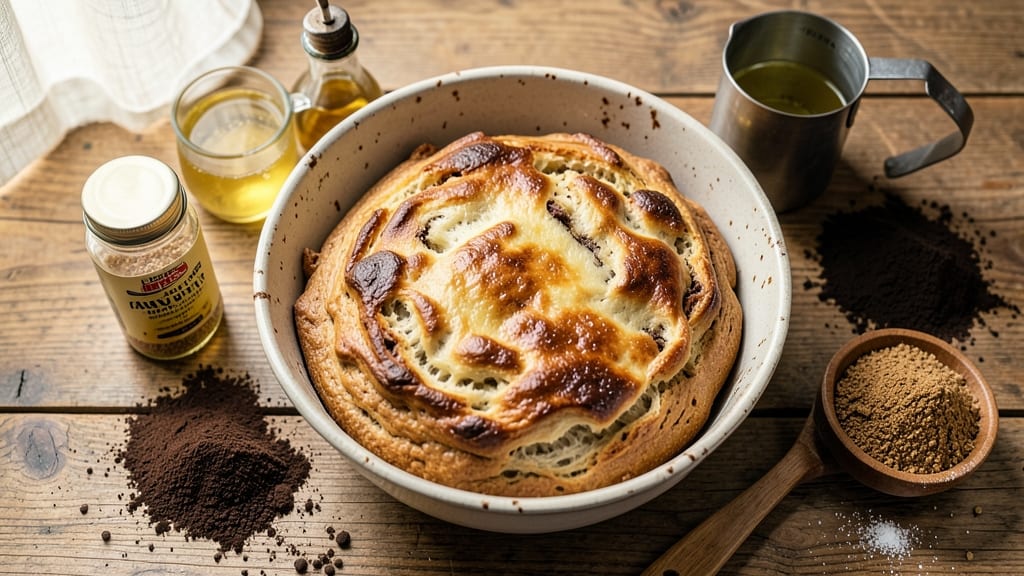
This Amish rye bread recipe delivers the perfect balance of crusty exterior and molasses-kissed sweetness inside—just like the loaves you'd find at a Pennsylvania farmhouse table.
The secret lies in the rye flour blend and a touch of molasses that creates that signature caramelized flavor, while a traditional shaping technique ensures that signature dense yet tender crumb.
I developed this version after years of testing different ratios, and it never fails to impress—whether you're serving it with butter at breakfast or pairing it with hearty soups for dinner.
The beauty of this recipe is in its simplicity and tradition. You'll start with a sourdough starter (or instant yeast if you prefer), then mix in rye flour, whole wheat flour, and molasses for that signature depth of flavor.
The dough is shaped into a classic round loaf, which bakes up with a deep golden crust and a slightly sweet, hearty interior. The molasses doesn’t just add sweetness—it enhances the bread’s complexity, giving it a rich, almost spiced quality that pairs perfectly with savory dishes.
What makes this bread truly special is how it transforms any meal. The crusty exterior holds up beautifully to butter, while the tender interior soaks up flavors like no other bread. It’s the kind of loaf that feels like a hug—warm, comforting, and full of character.
Whether you're baking for a family gathering or just treating yourself to homemade bread, this recipe delivers restaurant-quality results with a touch of Amish tradition.
Once baked, let the bread cool completely before slicing—this ensures clean cuts and prevents a gummy texture. Store it wrapped at room temperature for up to a week, or freeze slices for quick toast later.
The possibilities are endless: serve it with jam for breakfast, use it for sandwiches, or pair it with a bowl of chili for dinner. Here’s how to make it—step by step.
Ingredients for amish rye bread
Six ingredients transform into a loaf that tastes like Pennsylvania farmhouse tradition.
| Ingredient | Amount | Notes |
|---|---|---|
| Active Dry Yeast 🍞 | 2 ¼ tsp | Instant yeast works too |
| Warm Water 💧 | 1 ¼ cups | 110°F for yeast activation |
| Dark Rye Flour 🌾 | 3 cups | Pillsbury or Bob's Red Mill |
| Whole Wheat Flour 🌾 | 1 ½ cups | King Arthur preferred |
| All-Purpose Flour 🌾 | 1 cup | For lighter texture |
| Granulated Sugar 🍚 | ¼ cup | White or light brown |
| Unsalted Butter 🧈 | ½ cup | Cold, cubed for dough |
| Molasses 🍯 | ½ cup | Unsulphured preferred |
| Salt 🧂 | 1 ½ tsp | Diamond Crystal kosher |
| Active Sourdough Starter 🍞 | ½ cup | Unfed, bubbly starter |
| Cornmeal 🌽 | ¼ cup | For dusting work surface |
| Water 💧 | ¼ cup | For brushing crust |
The rye flour makes or breaks this bread. Bob's Red Mill dark rye is my go-to—it's got that deep, robust flavor that's essential for authentic Amish rye. If you can't find it, Pillsbury rye flour works in a pinch, but it's slightly lighter. The molasses? Unsulphured is key—sulphured molasses has a harsh aftertaste that ruins the delicate sweetness. For the sourdough starter, if you don't have one, instant yeast works perfectly—just proof it in warm water with a pinch of sugar first. The butter should be cold when you mix it in, or you'll end up with a gummy dough instead of that perfect tender crumb.
No rye flour? Substitute with whole wheat and add 1 tbsp caraway seeds—it won't be identical, but it'll still be delicious. Short on molasses? Maple syrup at half the amount gives you sweetness without the same depth. The butter can be swapped for vegetable shortening if you're concerned about dairy, though I won't lie—the butter makes it taste like home. For the shaping technique, if you're new to bread baking, watch a few YouTube tutorials first. The round loaf shape is what gives it that classic Amish look, but don't stress if yours isn't perfect—it'll still taste amazing. The cornmeal is for dusting, but semolina works too if you've got it.
This bread tastes even better the next day once the flavors have time to meld. Wrap it in a clean kitchen towel and store it at room temperature for up to 5 days—it keeps surprisingly well. For longer storage, slice the loaf and freeze the slices between parchment paper. Toast directly from frozen for that perfect crunch. The crust gets harder as it cools, so if you're serving it warm, pull it from the oven when the internal temperature hits 190°F and let it rest in the pan for 10 minutes before transferring. Trust me on this—it's worth the wait.
Why You'll Love This Recipe
- No-Knead Magic: I swear by the simplicity of this recipe—just mix, let it rise, and bake. That dark rye flour does all the heavy lifting while I sip coffee and pretend I’m not actually cooking.
- Earthy & Crusty: The combo of dark rye and whole wheat gives it that deep, almost smoky flavor with a crackly crust. Honestly, I reach for this before any store-bought loaf—it’s that good.
- Meal Prep MVP: A single batch feeds my family for days. Toast it for breakfasts, slice it for sandwiches, or freeze half for lazy mornings. No waste, all wins.
- Budget Bread: Using pantry staples like yeast and all-purpose flour keeps costs low, but the rye flour makes it feel fancy. My wallet thanks me, and my taste buds don’t even notice the savings.
Step-by-step instructions for Amish rye bread
Here's how to craft that signature Amish rye loaf with its signature crusty exterior and sweet, molasses-kissed interior.
Activate the Yeast and Sourdough Starter
In a large mixing bowl, combine the 1.25 cups warm water (tested at 110°F—it should feel warm to your wrist but not hot) with the 2.25 teaspoons active dry yeast. Let this sit for 5-10 minutes until you see frothy bubbles forming on the surface. This confirms your yeast is alive and ready to work.
In a separate small bowl, mix together the 0.5 cup active sourdough starter with 0.25 cup water. This starter will add depth of flavor and help with fermentation. Let both mixtures sit at room temperature while you prepare the remaining ingredients.
Mix the Wet and Dry Ingredients
In your mixing bowl with the activated yeast, add the 0.5 cup unsalted butter (cold and cubed), 0.5 cup molasses, 0.25 cup granulated sugar, and 1.5 teaspoons salt. Use a wooden spoon or dough whisk to combine these into a rough paste. The butter should begin to soften slightly from the warmth of the water.
Gradually add the 3 cups dark rye flour, 1.5 cups whole wheat flour, and 1 cup all-purpose flour to the wet mixture. Stir vigorously with a wooden spoon or your hands until a shaggy dough forms. The molasses and rye flour will make this dough sticky—don't worry, that's normal. Once combined, add the sourdough starter mixture and mix until fully incorporated.
Knead the Dough for Structure
Lightly flour a clean work surface with 0.25 cup cornmeal (this prevents sticking) and turn out the dough. Knead for 8-10 minutes by hand, folding and pressing the dough until it becomes smooth and slightly elastic. The rye flour makes this dough denser than traditional bread dough, so don't expect it to be light and airy.
Here's the thing—this dough should be tacky but not wet. If it feels too sticky, add 1 tablespoon of dark rye flour at a time until it comes together. Shape the dough into a round loaf and place it back in your mixing bowl. Cover with a damp kitchen towel and let it rise in a warm place for 1-2 hours, or until it has nearly doubled in size. You'll know it's ready when it springs back slowly when poked with a finger.
Shape and Proof the Final Loaf
Once the dough has risen, punch it down gently to release air and shape it into a round loaf. Place it seam-side up in a greased 9x5-inch loaf pan (or a similar sized pan). Cover again with the damp towel and let it proof for another 30-45 minutes until it rises about 1 inch above the pan's rim. This final proofing ensures that beautiful oven spring when it bakes.
Preheat your oven to 375°F while the dough proofs. Just before baking, brush the top of the loaf with 0.25 cup water using a pastry brush. This creates that signature crusty exterior and adds a subtle sheen to the finished bread.
Bake to Golden Perfection
Bake the loaf for 45-50 minutes until the top is deep golden brown and the internal temperature reaches 190°F when measured with an instant-read thermometer. The bread should sound hollow when tapped on the bottom. If the top browns too quickly, tent loosely with aluminum foil to prevent over-browning while it continues to bake.
Remove the bread from the oven and let it cool in the pan for 10 minutes before transferring to a wire rack to cool completely. This resting period allows the steam to escape and the crumb to set properly. The result should be a loaf with a crisp, crackly crust and a moist, sweet interior infused with molasses flavor—classic Amish rye bread at its finest.
Pro Tips For Making Amish Rye Bread
- TEST THE YEAST FIRST: I learned this the hard way—skipping the float test with your yeast can leave you with a sad, flat loaf. Drop that yeast in warm water (110°F) with a pinch of sugar, and wait 5-10 minutes. If nothing bubbles, your yeast is dead or your water’s too hot, and you’ll need fresh yeast to save the recipe.
- WEIGH YOUR RYE FLOUR: Dark rye flour packs tightly—don’t scoop it straight from the bag. Use a kitchen scale for accuracy, especially if your recipe calls for 3 cups or more. Packed vs. scooped can throw off moisture levels, and you’ll end up with either a gummy loaf or one that’s too dry to slice.
- DON’T OVERKNEAD THE DOUGH: This isn’t pizza dough—rye bread fights back when you overwork it. Stop mixing as soon as the ingredients just come together into a shaggy mass. Over-kneading develops too much gluten, and your bread will turn out dense instead of light and chewy. Let the dough rest; it’ll smooth out on its own.
- USE COOL WATER FOR FINAL SHAPE: After the first rise, chill your shaped loaf in the fridge for 30 minutes before baking. The cold slows fermentation, prevents overproofing, and guarantees a better rise in the oven. I know it’s tempting to bake right away, but that’s how you end up with a collapsed top—trust me, it’s worth the wait.
Creative variations of this recipe
Sweet & Spiced Twist
Add 1 teaspoon ground cinnamon and ½ teaspoon ground ginger to the dough for a warm, aromatic variation that pairs beautifully with apple butter or cinnamon cream cheese. I discovered this version after testing holiday batches—it’s especially popular during fall and winter months. 🍂
Whole Grain Boost
Replace ½ cup of the all-purpose flour with ½ cup cracked wheat or spelt flour for added texture and nuttiness. The cracked wheat adds a delightful crunch, while spelt brings a slightly sweeter, earthier flavor. This version works wonderfully as a hearty side for stews or chili. 🌾
Herbed Rye Variation
Stir in 1 tablespoon fresh rosemary or thyme leaves (finely chopped) during the final kneading stage for a fragrant, herbaceous twist. The herbs complement the molasses beautifully and add a sophisticated touch. This version shines when paired with roasted meats or creamy goat cheese spreads. 🌿
Savory Molasses-Free Option
For a savory take, omit the molasses entirely and add 1 tablespoon apple cider vinegar and ½ teaspoon caraway seeds to the dough. The vinegar brightens the rye flavor, while the caraway adds a subtle, earthy depth. This version is perfect for sandwiches or serving alongside sharp cheeses. 🧀
Seeded Crust Enhancement
Before baking, sprinkle the loaf’s top with a mix of 1 tablespoon sesame seeds and 1 tablespoon poppy seeds for added crunch and visual appeal. The seeds toast beautifully in the oven, creating a delightful contrast to the soft interior.
This technique works especially well with the sweet molasses version. 🌟
Gluten-Free Adaptation
For a gluten-free version, swap the flours for a 1:1 gluten-free flour blend (like Bob’s Red Mill) and add ½ teaspoon xanthan gum to improve texture. Reduce the molasses to ¼ cup** to balance the dough’s stickiness.
While not identical, this version still delivers that signature Amish rye flavor with a lighter crumb. 💪
Nutrition facts
Frequently asked questions
Why does Amish rye bread have molasses?
The molasses gives this bread its signature sweetness and depth of flavor. Traditional Amish recipes use molasses because it adds a caramelized richness that pairs beautifully with the earthy rye flour. It also helps balance the bread's hearty texture, creating that perfect contrast between the crusty exterior and tender interior.
Can I make this bread without a sourdough starter?
If you don't have a sourdough starter, just use 2.25 teaspoons instant yeast instead. Proof it in warm water with a pinch of sugar for 5-10 minutes until bubbly, then proceed with the recipe as written. The flavor will be slightly different but still delicious.
How do I know when the bread is fully baked?
Your bread is done when it reaches an internal temperature of 190°F and sounds hollow when tapped on the bottom. The crust should also be deep golden brown. If it browns too quickly, loosely tent with foil to prevent over-browning while it continues baking.
Can I use this bread for sandwiches?
Yes, but let it cool completely first to prevent a gummy texture. The crust holds up well to butter, and the tender interior makes great sandwich bread—especially for hearty fillings like roast beef or smoked turkey. For best results, toast slices before assembling sandwiches.
What's the best way to store leftover bread?
Wrap the cooled loaf in a clean kitchen towel and store at room temperature for up to 5 days. For longer storage, slice and freeze between parchment paper. Toast directly from frozen for that perfect crunch—no thawing needed!