
Breakfast & Brunch
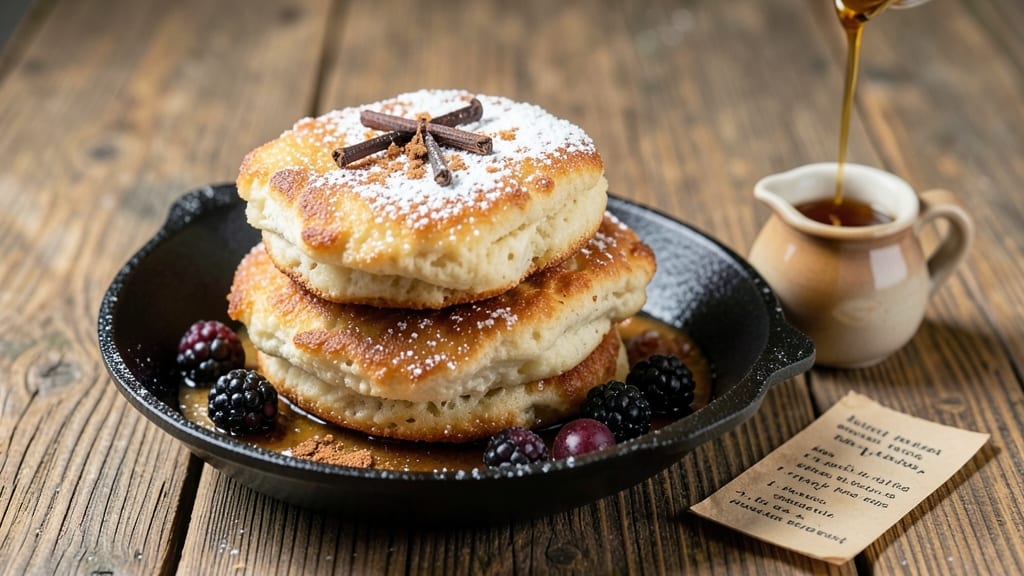
This Amish fritter bread recipe delivers crispy golden edges and tender cinnamon-sweet centers that taste like a slice of homemade heaven. 🌟 Baked in a cast-iron skillet, these swirled loaves bring old-fashioned comfort to your breakfast table with every bite—just like Grandma used to make.
The secret lies in the perfect balance of flour, sugar, and butter, layered with cinnamon filling that creates irresistible pull-apart texture.
The beauty of this recipe is its simplicity—no fancy equipment needed, just a few basic ingredients and 15 minutes of prep time before baking. I’ve perfected the technique over years of testing, ensuring the bread rises just enough for that signature domed shape while staying moist inside.
The cinnamon-sugar filling caramelizes slightly during baking, adding depth that makes each slice worth savoring.
What you’ll end up with is a batch of warm, fragrant fritter bread that’s perfect for breakfast or dessert—imagine dipping slices in coffee or pairing them with fresh fruit. The crispy exterior gives way to soft, buttery layers infused with cinnamon, creating a texture that’s both comforting and exciting.
This recipe brings a taste of Amish tradition to your kitchen without the fuss.
Once you try it, you’ll want to make it weekly—it’s that good. The best part? Leftovers reheat beautifully, making it ideal for meal prep or sharing with neighbors. Let’s get started on creating your own batch of this beloved classic.
Ingredients for amish fritter bread
These simple pantry staples transform into golden, cinnamon-swirled fritter bread heaven.
| Ingredient | Amount | Notes |
|---|---|---|
| All-Purpose Flour 🌾 | 4 cups | Sifted for light texture |
| Granulated Sugar 🍚 | ½ cup | White sugar preferred |
| Unsalted Butter 🧈 | 1 cup | Cold, cubed for best flakiness |
| Large Eggs 🥚 | 2 whole | Room temperature for mixing |
| Milk 🥛 | 1 cup | Whole milk for richness |
| Active Dry Yeast 🍞 | 2 ¼ tsp | 1 packet, proofed first |
| Ground Cinnamon 🌿 | ½ cup | Plus 2 tbsp for filling |
| Brown Sugar 🍬 | ½ cup | Packed, for filling |
| Salt 🧂 | 1 tsp | Diamond Crystal preferred |
| Vanilla Extract 🌸 | 1 tsp | Pure extract for flavor |
| Cast-Iron Skillet 🍳 | 1 whole | 9-inch, well-seasoned |
| Powdered Sugar 🍚 | ¼ cup | For dusting, optional |
The butter and flour are your golden ticket here—cold, cubbed butter creates those irresistible flaky layers, while sifted flour ensures lightness. I grab my butter from the dairy case at Whole Foods when it's on sale, but any good-quality unsalted works. For the cinnamon filling, McCormick ground cinnamon is my go-to—it's consistent and affordable. The yeast? Always proof it first in warm milk with a pinch of sugar. That little test tells you if your yeast is still alive and kicking. And trust me on the cast-iron skillet—it's non-negotiable for that perfect crispy edge.
No vanilla extract? Vanilla bean paste works just as well, or even a splash of vanilla sugar if you're in a pinch. Short on brown sugar? White sugar plus a dash of molasses mimics the flavor. The cinnamon filling can be prepped ahead and chilled—up to 2 days in the fridge—so you're not scrambling on baking day. For the flour, if you don't have sifter, just whisk it with your salt in a bowl. And here's a pro tip: measure your flour by weight (400g) for more consistent results—it's worth the investment if you bake often.
This bread reheats like a dream—just 5 minutes at 350°F wrapped in foil makes it fresh again. Store leftovers in an airtight container for 3 days at room temp, or freeze for up to 3 months. I always make a double batch because it disappears fast—neighbors love when I bring some over. The best part? The crispy edges stay perfect if you reheat them in a skillet for 30 seconds per side. And that powdered sugar? Only if you're feeling fancy—it's pure decoration, but worth the sprinkle for photos.
Why You'll Love This Recipe
- Four-Ingredient Magic: I swear, you only need flour, sugar, butter, and eggs—plus a splash of milk. That’s it. No fancy pantry trips or last-minute store runs.
- Golden Crunch Secret: The butter and sugar caramelize just right while frying, giving you that perfect crispy shell with a pillowy inside. Honestly, it’s the kind of texture that makes you close your eyes and sigh.
- Breakfast or Dessert Star: Serve it warm with jam for breakfast, dusted in powdered sugar for dessert, or even as a side to chili. My kids grab these straight from the pan—no shame in that.
- Budget Breakfast Win: A dozen fritters cost me less than $3 and feed my family for days. Freeze extras, reheat in a skillet, and you’ve got a quick, filling meal any morning. (Yes, even on a Tuesday.)
Step-by-step instructions for Amish fritter bread
Get ready for golden, flaky layers and warm cinnamon swirls that'll make your kitchen smell like heaven.
👨🍳 Step 1: Proof the Yeast and Mix the Dough
First, let's activate that yeast. In a small bowl, combine the 1 cup warm milk (around 110°F) with the 2.25 tsp active dry yeast and 0.5 cup granulated sugar. Let it sit for 5-10 minutes until it becomes foamy and bubbly—this tells you the yeast is alive and ready to work its magic.
In a large mixing bowl, whisk together the 4 cups all-purpose flour, 1 tsp salt, and 0.5 cup ground cinnamon. Sift these dry ingredients to avoid lumps, then make a well in the center. Add the yeast mixture, 1 cup cold cubed butter, 2 room-temperature eggs, and 1 tsp vanilla extract to the well. Mix until a shaggy dough forms, then knead on a floured surface for 8-10 minutes until smooth and elastic.
🥘 Step 2: Create the Cinnamon Filling and First Rise
While the dough rises, let's make the filling. In a small bowl, combine 0.5 cup packed brown sugar and 2 tbsp extra ground cinnamon (from the remaining 0.5 cup we set aside). This sweet, spiced mixture is what makes these fritters so irresistible.
Shape your dough into a 12x16-inch rectangle on a floured surface. Spread the cinnamon-sugar filling evenly over the dough, leaving a ½-inch border around the edges. Roll the dough tightly into a log, pinching the seam to seal. Cut the log into 8 equal pieces and arrange them in a greased bowl, seam-side down. Cover with a damp towel and let rise in a warm place for 1-2 hours or until doubled in size.
🔥 Step 3: Fry to Golden Perfection
Heat 2 inches of oil in the 9-inch cast-iron skillet over medium-high heat until it reaches 350°F. You'll know it's ready when a small piece of dough sizzles and floats to the surface. Working in batches, carefully slide each dough piece into the hot oil. Fry for 2-3 minutes per side until deep golden brown with crispy edges—this is where that cast-iron skillet shines!
As you fry, keep the oil temperature consistent. If it drops below 325°F, the fritters will absorb too much oil and become greasy. Use a slotted spoon to transfer the fried fritters to a paper towel-lined plate to drain excess oil. I like to sprinkle them immediately with 0.25 cup powdered sugar while they're still hot—it melts slightly and creates that perfect sweet coating.
⏰ Step 4: Serve Warm with Extra Cinnamon Sugar
Let the fritters rest for 5 minutes before serving. This brief pause allows the filling to set slightly and the layers to firm up just enough to hold their shape when you cut into them. The contrast between the crispy exterior and warm, gooey cinnamon center is what makes these fritters unforgettable.
For an extra-special touch, dust with more of that cinnamon-sugar mixture before serving. These fritters are best enjoyed fresh out of the skillet, but if you have leftovers, store them in an airtight container at room temperature for up to 2 days. Trust me, they'll disappear quickly—just like they do in my house!
Pro Tips For Making Amish Fritter Bread
- Use Cold Butter: I learned this the hard way—cutting butter straight from the fridge into the dry flour creates tiny pockets that make the fritters light and flaky. If you melt it first, you’ll end up with dense, greasy dumplings instead of those perfect golden puffs.
- Whisk Eggs Like You Mean It: After burning three batches of fritters, I finally figured out that beating the eggs until they’re thick and ribbony (not just frothy) keeps them from turning into gluey pancakes. A hand mixer does this faster, but elbow grease works too—just go until the yolks look almost solid.
- Fry in Batches of 3: Crowding the pan is the fastest way to soggy bottoms and uneven cooking. Three fritters at a time gives them room to crisp without steaming, and it keeps the oil temperature steady—no more greasy, half-cooked centers.
- Skip the Extra Milk: The recipe calls for milk, but I’ve found that adding even a splash of vanilla extract (or a pinch of cinnamon) makes the flavor pop without extra liquid. The dough stays stiffer, which means fritters that hold their shape instead of falling apart when you flip them.
Troubleshooting great amish fritter bread
Dough Too Sticky
If your dough feels too sticky during kneading, you likely need more flour—but don’t overdo it. Add 1 tablespoon at a time while kneading until the dough pulls away cleanly from your hands.
I’ve found that using King Arthur flour (with its slightly higher protein content) helps achieve the right balance. Also, ensure your work surface is lightly floured, not heavily dusted, to avoid absorbing too much moisture. 🥜
Filling Not Distributing
When rolling out the dough, the cinnamon filling might resist spreading evenly if the dough is too thick. Aim for a ¼-inch thickness—any thicker and the filling won’t distribute properly. If the dough resists rolling, chill it for 15 minutes in the fridge to firm up.
I also recommend using a rolling pin with a textured handle (like the OXO Good Grips model) for better control. Spread the filling in a thin, even layer, leaving that ½-inch border to prevent leaks during frying.
Oil Temperature Issues
If your fritters turn out greasy instead of crispy, your oil temperature is likely too low. Use a candy thermometer to monitor the oil—it should stay between 350-375°F. If the temperature drops below 325°F, the dough will absorb excess oil.
To maintain heat, avoid overcrowding the skillet—fry in batches of 2-3 fritters at a time. I keep a small pot of oil on the stovetop ready to reheat between batches to minimize temperature fluctuations. 🌡️
Uneven Rising
If your fritters don’t rise properly, the yeast might be inactive or the environment too cold. First, always proof your yeast in warm milk (110°F)—if it doesn’t foam in 5-10 minutes, your yeast is dead, and you’ll need to start over.
For rising, place the dough in a warm spot—like near the oven with the light on or on top of a proofing box. If your kitchen is drafty, cover the bowl with a damp towel and a plastic wrap lid to trap heat.
Patience is key—let them rise until they’ve doubled in size, even if it takes 2 hours.
Fritters Breaking Apart
If your fritters fall apart when frying, the dough might not have risen enough or the oil temperature was too high. Ensure the dough has fully doubled in size before shaping. When frying, maintain a steady 350°F temperature—too hot, and the exterior sets too quickly, trapping steam inside.
If they still break, try chilling the shaped fritters for 10 minutes before frying to help them hold together. A slotted spoon with a deep well (like the Cuisinart model) makes transferring them easier without tearing.
Filling Leaking Out
Leaky filling usually means the dough wasn’t sealed tightly enough when rolling. After spreading the filling, roll the dough into a log with firm pressure, pinching the seam shut. If the filling still leaks, try reducing the amount slightly—sometimes ¼ cup less makes a big difference.
Another trick? Brush the edges of the dough with a little egg wash before sealing to help it stick together. If you’re frying and see leaks, use a spoon to gently press the edges back into place while they cook. 💡
Nutrition facts
Frequently asked questions
Why does Amish fritter bread need to rise twice?
The first rise develops the yeast and creates air pockets for flaky layers, while the second rise after shaping ensures the cinnamon filling stays contained and the texture becomes light and airy. Skipping either can make the bread dense or cause filling leaks during frying.
Can I bake these instead of frying?
Shape the filled dough into rolls and bake at 375°F for 15-18 minutes until golden. The texture will be softer without the crispy exterior, but it’s a great alternative for health-conscious versions. Just reduce the sugar slightly if concerned about caramelization.
What's the secret to crispy edges?
The cast-iron skillet is non-negotiable—it conducts heat perfectly for even browning. Maintain 350°F oil temperature and fry in small batches to prevent temperature drops. A quick sprinkle of powdered sugar while hot creates that signature crunchy finish.
How do I store leftovers?
Keep in an airtight container at room temperature for 2 days, or freeze for 3 months. Reheat in a 350°F oven for 5-7 minutes wrapped in foil to restore crispiness. For extra freshness, store in layers separated by parchment paper.
Can I make this gluten-free?
Yes, but with adjustments. Use a 1:1 gluten-free flour blend (like Bob's Red Mill) and add ½ tsp xanthan gum. The dough will be stickier, so chill for 30 minutes before shaping. Expect slightly denser texture—gluten-free baking is all about patience!