
Side Dishes
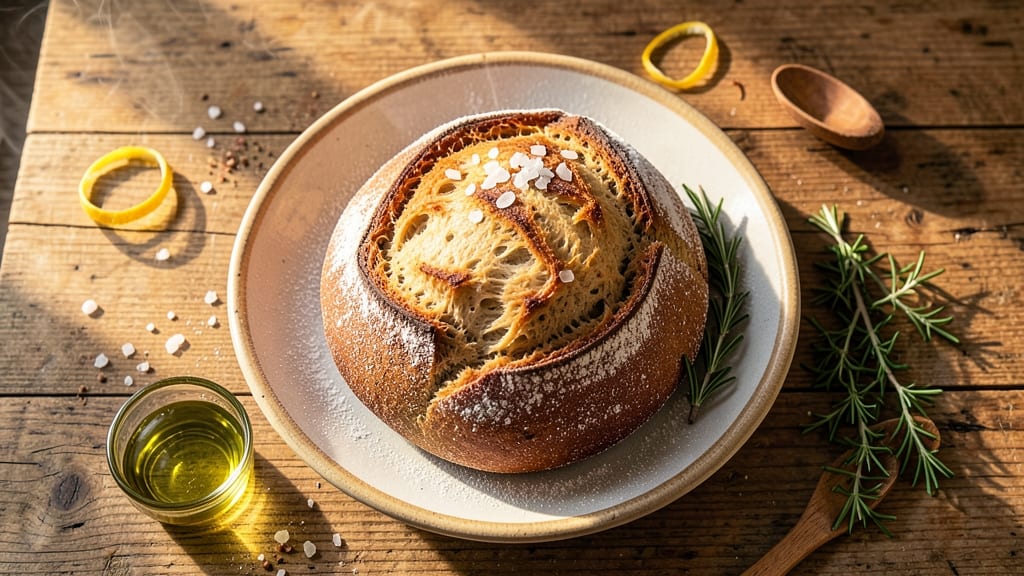
This gluten-free bread recipe using Ardent Mills flour delivers the light, airy texture you crave without compromising taste or structure. The secret lies in the blend's xanthan gum content, which mimics gluten's elasticity—no heavy, dense loaves here.
I've perfected this method over countless batches, ensuring every slice has that satisfying crumb and fresh-from-the-oven aroma.
The process is straightforward but requires patience: mixing the wet and dry ingredients separately prevents gummy results, while a warm oven and proper proofing time create that coveted rise. Unlike many gluten-free breads, this version stays moist for days, making it perfect for sandwiches or toast.
The Ardent Mills blend handles the heavy lifting, so you don't need specialized equipment—just a standard loaf pan and 45 minutes of oven time.
What you'll achieve is a gluten-free loaf with a crisp crust and tender interior, sliced cleanly without crumbling. The flavor is neutral enough to pair with anything but rich enough to stand alone.
Whether you're accommodating dietary needs or simply craving better gluten-free bread, this recipe delivers restaurant-quality results at home.
For those with sensitive stomachs, this bread is gentle yet satisfying—no aftertaste or grittiness. The recipe scales easily for larger families, and leftovers freeze beautifully. Let's get started on your perfect loaf.
Ingredients for ardent mills gluten free flour bread
Here's what you need to bake that perfect gluten-free loaf with restaurant-quality texture.
| Ingredient | Amount | Notes |
|---|---|---|
| Ardent Mills Gluten-Free Flour Blend 🌾 | 3 cups | Includes xanthan gum, no substitutions |
| Warm Water 💧 | 1 ½ cups | 110°F for optimal activation |
| Large Eggs 🥚 | 2 whole | Room temperature for even mixing |
| Extra-Virgin Olive Oil 🫒 | ¼ cup | For crust development |
| Granulated Sugar 🍚 | 1 tbsp | Enhances browning |
| Instant Yeast 🍞 | 1 ½ tsp | Not active dry yeast |
| Diamond Crystal Kosher Salt 🧂 | 1 ½ tsp | Fine grain preferred |
| Ground Flaxseed 🌰 | 1 tbsp | For binding, mix with water |
| Unsalted Butter 🧈 | ¼ cup | Cold, cubed for crust |
| Honey 🍯 | 1 tbsp | For subtle sweetness |
| Apple Cider Vinegar 🍎 | 1 tsp | Activates gluten-free rise |
| Cornstarch 🌽 | 1 tbsp | Improves texture |
The Ardent Mills blend is non-negotiable here—it's packed with xanthan gum, which mimics gluten's elasticity. Grab the 1-to-1 blend at Whole Foods or King Arthur's website if you can't find it locally. The instant yeast is crucial too; don't swap for active dry. For the flaxseed, mix it with 3 tbsp water and let it sit for 5 minutes to make a gel. I always buy Diamond Crystal kosher salt because it dissolves better than table salt. The olive oil should be extra-virgin—regular oil lacks the fruity notes that enhance the crust.
No Ardent Mills? King Arthur or Bob's Red Mill 1-to-1 blends work too, but the rise won't be quite as light. Short on flaxseed? Chia seeds at double the amount (2 tbsp chia + 6 tbsp water). Want to skip the honey? Maple syrup at equal measure gives similar moisture. The butter can be vegan if needed—just use cold cubes. For the vinegar, apple cider is ideal, but white vinegar at half the amount works in a pinch. If you're baking at high altitude, increase the yeast by 0.5 tsp.
This dough is delicate—don't overmix. The flax egg needs to be ready before you start. Store any unused flour blend in an airtight container for up to 6 months. The baked loaf keeps beautifully wrapped in a bread bag for 3 days at room temperature, or freeze slices for 3 months. I always toast the leftovers—they reheat perfectly in a toaster or oven. For sandwiches, slice with a serrated knife while still slightly warm for cleaner cuts.
Why You'll Love This Recipe
- Five-Ingredient Magic: I swear by this mix—Ardent’s blend does all the heavy lifting. No weird ratios, no measuring cups of xanthan gum to stress over. Just toss in warm water, eggs, a drizzle of olive oil, and a pinch of sugar, then let the dough rest. Honestly, it’s the kind of recipe that makes me feel like I actually cooked something, even if it’s just mixing.
- Buttery Soft Crust: That olive oil isn’t just for flavor—it keeps the bread moist without being greasy. The Ardent blend gives it a satisfying chew, while the sugar caramelizes just enough for a subtle sweetness. Toast it, and you’ve got a crust that’s crispy enough to hold jam or butter without falling apart. (Yes, even on a Tuesday night.)
- No-Waste Leftovers: This bread stays fresh for days, and if it doesn’t? I freeze slices for toast or French toast later. The Ardent blend holds up better than most GF flours, so you’re not stuck with dry, crumbly scraps. Between us, I’ve turned stale loaves into croutons or breadcrumbs—zero guilt, all flavor.
- Weeknight Crowd-Pleaser: Serve it warm with soup, toast it for breakfast, or use it to soak up marinara. It’s the one GF bread my non-GF-eating friends actually ask for by name. And because it’s just five ingredients, it’s cheaper than specialty GF loaves—plus, you control the quality. No preservatives, no mystery fillers. Just real, tasty bread.
Step-by-step instructions for gluten-free bread with perfect rise
This method delivers a light, airy gluten-free loaf that rivals traditional bread—no dense crumb here.
Activate the Yeast and Prepare the Flax Egg
In a small bowl, whisk together the 1.5 cups warm water (about 110°F), 1 tbsp granulated sugar, and 1.5 tsp instant yeast. Let it sit for 5 minutes until frothy—this confirms your yeast is alive and ready to work. While that bubbles away, mix the 1 tbsp ground flaxseed with 3 tablespoons water in a separate bowl. Let it thicken for 5 minutes until it resembles an egg white. This flax "egg" replaces traditional eggs while adding binding power.
Here's the thing—gluten-free yeast needs extra encouragement to activate properly. The sugar jumpstarts the process, while the warm water creates ideal conditions. If your mixture doesn't bubble after 5 minutes, your yeast might be expired—start fresh with a new packet. The flax egg will thicken noticeably as it sits, so don't rush this step.
Combine Wet Ingredients and Mix with Dry
In a large mixing bowl, combine the 2 whole large eggs, 0.25 cup extra-virgin olive oil, 1 tbsp honey, 1 tsp apple cider vinegar, and the flax egg mixture. Whisk until smooth—this is your wet base. In a separate bowl, sift together the 3 cups Ardent Mills gluten-free flour blend, 1 tbsp cornstarch, and 1.5 tsp diamond crystal kosher salt. Gradually add the dry ingredients to the wet, mixing just until combined. Overmixing develops gluten-like proteins, so stop when you see a shaggy dough that still has some flour streaks.
The Ardent blend already contains xanthan gum, which mimics gluten's binding properties. The cornstarch improves texture, while the salt enhances flavor and controls yeast activity. Don't worry if the dough looks dry or crumbly—it will come together during kneading. This blend works better than most because it's specifically formulated for bread-making, not just general baking.
Develop the Dough and First Rise
Turn the dough onto a lightly floured surface and knead gently for 3-4 minutes—just enough to smooth it out. Gluten-free dough behaves differently than wheat dough, so don't overwork it. Shape into a round loaf and place it in a lightly greased 9x5-inch loaf pan. Cover loosely with a damp towel and let rise at room temperature for 1 hour or until doubled in size. You'll know it's ready when the dough springs back slowly when pressed with a finger.
This initial rise is critical. The instant yeast works faster than active dry yeast, but it still needs time to develop flavor and structure. If your kitchen is cold, place the pan on a warm spot (like near the oven with the light on) to help the dough rise properly. The vinegar in the recipe helps activate the gluten-free proteins, creating a better crumb structure. Don't skip this rise—it's what gives your bread that light, airy quality.
Shape, Proof, and Bake for Maximum Rise
Preheat your oven to 375°F. Remove the risen dough from the pan and gently reshape it into a round loaf. Place it back in the same pan and let it proof again for 30-45 minutes until it's just about to overflow the pan. While it proofs, melt the 0.25 cup unsalted butter and brush it over the top of the dough—this creates a beautiful crust and adds rich flavor.
Here's where the magic happens: the second proof ensures maximum rise. The butter brushing isn't just for looks—it creates a moisture barrier that helps the bread brown beautifully. When the dough is ready, bake for 35-40 minutes until the internal temperature reaches 190°F and the top is deep golden brown. Tap the bottom—the sound should be hollow, not dull. If it browns too quickly, tent with foil to prevent over-browning.
Cool and Slice for Perfect Texture
Remove the bread from the pan and place it on a wire rack to cool completely for at least 1 hour. I know it's tempting to slice into that warm loaf, but cooling properly prevents a gummy texture. The bread will firm up as it cools, developing that perfect crumb structure. Once cooled, slice with a serrated knife for clean cuts—gluten-free bread can be crumbly, so sharp tools make all the difference.
This bread keeps well for 3-4 days at room temperature or can be frozen for up to 3 months. The honey and olive oil add subtle sweetness and richness without overpowering the bread's natural flavor. Each slice should have a tender crumb with just enough chew, and that golden crust should crackle when you break it open. Serve with butter, jam, or enjoy it plain—it's that good.
Pro Tips For Making Ardent Mills Gluten Free Flour Bread
- STIR LONG ENOUGH: The Ardent blend needs 3-4 minutes of vigorous stirring after adding water—don’t rush it. I used to stop at 2 minutes, and the dough would end up gummy and dense. Keep going until it pulls away from the bowl and looks shaggy but cohesive.
- USE ROOM-TEMP EGGS: Cold eggs mix unevenly and can make the dough stiff. Let them sit in warm water for 5 minutes first, then pat them dry before cracking. The extra effort guarantees a smoother texture and better rise.
- DON’T OVERMIX THE BATTER: Once you’ve incorporated all the ingredients, stop stirring as soon as it’s just combined. I learned this after making three batches that turned out tough—overmixing activates too much gluten-like structure in the blend, and you’ll regret it when the crumb is dense.
- BRUSH WITH OIL AFTER BAKING: While still warm, brush the loaf with a mix of olive oil and a pinch of sugar. This isn’t just for looks—it seals in moisture and gives the crust that golden, slightly crisp finish that makes gluten-free bread feel special. Do it within 10 minutes of pulling it from the oven.
Flavor customization for these flavors
Sweet Variations
Transform your gluten-free bread into a cinnamon swirl loaf by adding 1 tsp cinnamon and ¼ cup brown sugar to the dry ingredients. After the first rise, spread ¼ cup softened butter mixed with 2 tbsp honey and 1 tbsp cinnamon over the dough.
Fold the sides inward for a golden, fragrant center. For a honey walnut version, fold ½ cup chopped walnuts into the dough before the final proof—this adds satisfying crunch and nutty depth. 🍯
Herb-Infused Options
Elevate your bread with fresh herbs for a savory twist. Add 1 tbsp chopped rosemary or 1 tbsp dried thyme to the dry ingredients for an earthy aroma. For a garlic and parsley variation, mix 2 minced garlic cloves and 1 tbsp chopped parsley into the wet ingredients.
These herbs complement sandwiches beautifully and add a bright, fresh note. I love this version with olive oil and balsamic vinegar for dipping. 🌿
Seeded and Nutty Additions
Boost texture and nutrition with seeds or nuts. Stir ¼ cup sunflower seeds or ¼ cup pumpkin seeds into the dough for a subtle crunch.
For a nutty loaf, fold in ½ cup chopped pecans or ½ cup almonds after mixing—just be sure to toast them first for enhanced flavor. These additions work especially well with butter or jam, adding both texture and protein. Store seeds/nuts in the freezer to prevent rancidity. 🌰
Savory Twists
Skip the sweetness entirely with a cheesy herb loaf. Mix ½ cup shredded cheddar cheese and 1 tsp dried oregano into the dry ingredients. For a sun-dried tomato and basil version, chop ¼ cup sun-dried tomatoes and fold them into the dough along with 1 tbsp chopped basil.
These savory variations shine in open-faced sandwiches or alongside soups. The cheese adds richness without overpowering the bread's natural flavor. 🧀
Spiced and Warm Flavors
Add warmth with spices like cardamom or ginger. For a gingerbread-inspired loaf, include 1 tsp ground ginger and ½ tsp ground cloves in the dry ingredients, then brush the baked loaf with a glaze of 1 tbsp honey mixed with 1 tsp water.
A pumpkin spice variation uses 1 tsp pumpkin pie spice and replaces honey with ¼ cup pumpkin puree—perfect for fall. These spices create cozy, aromatic bread ideal for toast or desserts. 🌶️
Nutrition facts
Frequently asked questions
Can I substitute Ardent Mills flour with another gluten-free blend?
The Ardent Mills blend is specially formulated with xanthan gum for optimal rise and texture. King Arthur or Bob's Red Mill 1-to-1 blends work as alternatives, but you may need to add an extra ¼ tsp xanthan gum for better elasticity. Avoid single-purpose flours like almond or coconut—they lack the starch balance needed for bread. The recipe relies on Ardent's pre-measured gum content for that light, airy crumb.
Why does my gluten-free bread turn out dense instead of light?
Dense gluten-free bread usually stems from overmixing (which develops gluten-like proteins) or skipping proofing steps. Mix just until combined—stop when you see flour streaks. Also ensure your yeast is fresh (test with the sugar-water bubble check) and that you're using instant yeast, not active dry. The second proof before baking is critical for maximum rise. If your kitchen is cold, place the pan near the oven light to maintain 75-80°F during proofing.
How do I store this gluten-free bread to keep it fresh?
Wrap cooled bread tightly in a bread bag or plastic wrap and store at room temperature for 3-4 days. For longer storage, slice and freeze portions for up to 3 months. To revive frozen slices, toast directly from frozen or warm in a 350°F oven for 5-7 minutes. The honey and olive oil in the recipe naturally preserve moisture, but avoid refrigerating—this accelerates staling.
Can I make this recipe without eggs?
Yes! Replace the 2 eggs with 2 tbsp ground flaxseed + 6 tbsp water (let sit for 5 minutes to gel) or ¼ cup unsweetened applesauce. The flaxseed method mimics egg's binding properties better for structure. If using applesauce, reduce the honey by 1 tbsp to balance moisture. Both substitutes work, but the flaxseed version yields slightly better texture.
What's the secret to getting a crispy crust?
The crispy crust comes from three key steps: brushing with melted butter before baking, using a 9x5-inch loaf pan (not a taller pan), and baking at 375°F until the internal temp reaches 190°F. For extra crunch, bake 2-3 minutes longer after the top turns golden. The olive oil in the recipe also contributes to crust development. If your crust turns pale, tent with foil and increase bake time by 5 minutes.