Side Dishes
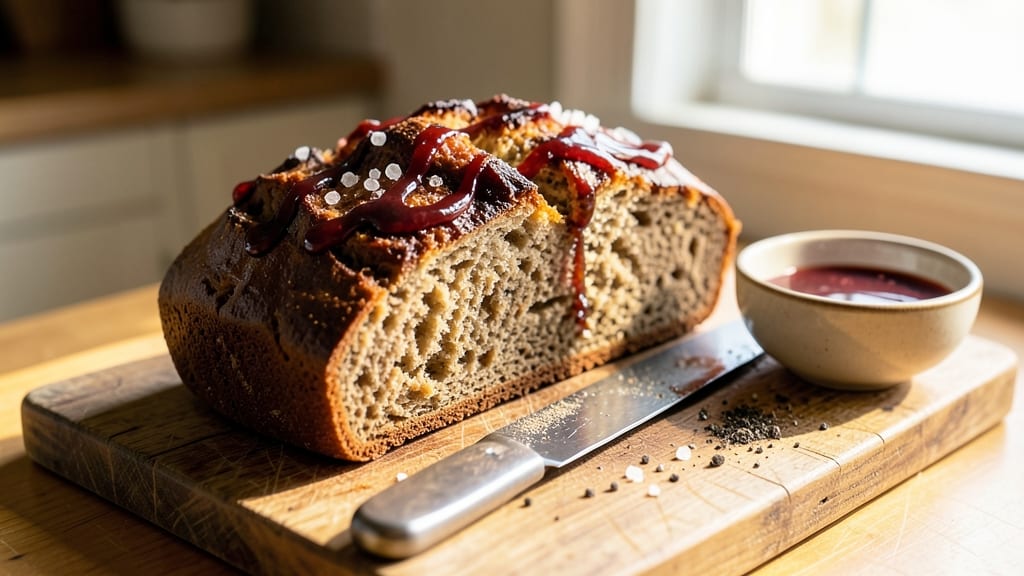
This American pumpernickel bread recipe delivers the deep molasses flavor and signature crusty crunch you crave—perfect for sandwiches or toast. 🔥 The secret lies in a slow fermentation process that develops rich, complex flavors while creating that dense, hearty texture.
I've perfected this version to stay true to tradition without requiring advanced baking skills.
Unlike lighter breads, pumpernickel demands patience—its dark color and robust taste come from molasses, rye flour, and a long bake time. What sets this recipe apart is the balance of ingredients: just enough molasses for sweetness without overpowering, and a crispy crust that forms naturally with the right oven temperature.
The dough is simple but requires time to develop its signature depth.
By the time you pull this bread from the oven, you'll have a loaf with a glossy, crackly crust and a tender interior that's slightly sweet and nutty. The aroma alone will fill your kitchen with warmth, making it worth every minute of the 1-hour baking time.
This bread freezes beautifully too, so you can enjoy it for days.
Whether you're making it for classic Reuben sandwiches or simply toasting slices with butter, this pumpernickel bread delivers restaurant-quality results at home. The recipe includes a few key tips to ensure success—like not overmixing the dough or using a dark molasses for authentic flavor. Let's get started!
Ingredients for american pumpernickel bread
Dark molasses, rye flour, and patience create this rich, crusty pumpernickel loaf perfect for sandwiches.
| Ingredient | Amount | Notes |
|---|---|---|
| Dark Molasses 🍯 | ½ cup | Unsulphured for authentic flavor |
| Dark Rye Flour 🌾 | 4 cups | Plus 1 cup for dusting |
| All-Purpose Flour 🌾 | 1 cup | For lighter texture balance |
| Active Dry Yeast 🍞 | 2 ¼ tsp | Or 1 packet instant yeast |
| Granulated Sugar 🍚 | 1 tbsp | Enhances yeast activation |
| Salt 🧂 | 1 ½ tsp | Diamond Crystal preferred |
| Warm Water 💧 | 1 ½ cups | 110°F for optimal yeast |
| Vegetable Oil 🫒 | 2 tbsp | For dough elasticity |
| Poppy Seeds 🌻 | 1 tbsp | Traditional topping option |
| Sesame Seeds 🌾 | 1 tbsp | For extra crunch |
| Coarse Cornmeal 🌽 | ½ cup | For bread pan coating |
The molasses makes or breaks this bread. Grab unsulphured dark molasses from the baking aisle—it's worth seeking out for that authentic depth. King Arthur or Bob's Red Mill rye flour delivers the best texture, but any dark rye works. For the yeast, check the expiration date—old yeast won't activate properly. I always buy mine in small amounts from Whole Foods or the bulk section at Trader Joe's—it stays fresh longer. The poppy and sesame seeds? Trader Joe's has the best prices, but any grocery store carries them.
No dark molasses? Substitute with equal parts light molasses plus 1 tbsp maple syrup—it won't be identical, but still delicious. Running low on rye flour? Mix 3 cups whole wheat flour with 1 cup all-purpose as a pinch-hitter. The yeast can be tricky—if your kitchen is cold, warm the water to 110°F (like baby bath water). No cornmeal? Semolina or extra flour works in a pinch. For the seeds, toasted sesame seeds add extra flavor—just dry-toast in a pan for 2 minutes.
This dough needs time to develop flavor—let it rest overnight if possible. Store wrapped dough in the fridge for up to 24 hours before baking. The baked loaf keeps well at room temperature for 3 days, or freeze for 3 months wrapped tightly. I always slice mine before freezing—just thaw and toast. The crust gets harder as it cools, so toast slices fresh from the oven for maximum crunch.
Why You'll Love This Recipe
- No-Knead Magic: I swear by this dough—just mix, let it rise, and bake. The molasses and rye do all the heavy lifting while you sip coffee and scroll.
- Molasses Depth Bomb: That first bite? Rich, caramelized sweetness from the dark molasses cutting through the deep rye flavor. It’s the kind of bread that makes you slow down.
- Breakfast to Brunch: Toast it thick for French toast, slice it for sandwiches, or serve it warm with butter. Honestly, it’s my go-to for lazy mornings and fancy brunch guests alike.
- Budget Loaf: A single batch costs pennies but fills my house with warmth for days. Freeze slices for quick toast later—no waste, all flavor. My wallet thanks me every time.
Step-by-step instructions for American pumpernickel bread
Here's how to craft that signature deep molasses flavor with a satisfying crusty exterior.
👨🍳 Step 1: Activate the Yeast for Maximum Rise
In a large mixing bowl, combine the 1.5 cups warm water (around 110°F—test by touching your wrist, it should feel warm but not hot) with the 2.25 tsp active dry yeast and 1 tbsp granulated sugar. Let this sit for 5-10 minutes until you see plenty of bubbles forming on the surface. This tells you your yeast is alive and ready to work its magic.
I always do this first because yeast is the foundation of your bread. If it doesn't activate properly, your loaf will be dense instead of light and airy. If you don't see bubbles after 10 minutes, your yeast might be dead—start over with fresh yeast. The sugar helps kickstart the fermentation process, giving your bread that perfect rise.
👨🍳 Step 2: Mix the Dough with Molasses and Flours
To the yeast mixture, add the 0.5 cup dark molasses, 4 cups dark rye flour, 1 cup all-purpose flour, and 1.5 tsp salt. Stir with a wooden spoon until the dough starts to come together. Then add the 2 tbsp vegetable oil and mix again. The dough will be sticky—this is normal with molasses and rye flour.
I like to use a dough scraper here to help gather everything together. The molasses adds moisture and depth of flavor, while the all-purpose flour helps balance the dense rye. Don't worry if the dough doesn't look perfect—it's supposed to be sticky! Once it's mostly combined, turn it out onto a lightly floured surface and knead for about 5 minutes until smooth and elastic.
🥘 Step 3: Let the Dough Rest and Develop Flavor
Place the dough back in the bowl, cover it with a damp towel, and let it rest at room temperature for 1 hour. This first rise allows the gluten to relax and the flavors to meld. I know it seems like a long time, but this step is crucial for developing that rich, complex flavor we're after.
After the hour, the dough should have nearly doubled in size. If it hasn't, don't worry—it will continue to rise in the oven. Gently punch down the dough to release any air bubbles, then shape it into a round loaf. Place it seam-side up in a greased 9x5-inch loaf pan that's been coated with the 0.5 cup coarse cornmeal for easy removal and extra crunch.
🔥 Step 4: Bake Until Deep and Crusty
Preheat your oven to 375°F while the dough rises. Once the oven is hot, bake the covered loaf for 30 minutes. Then remove the cover and bake for another 25-30 minutes until the top is deep brown and the internal temperature reaches 190°F. You'll know it's done when it sounds hollow when tapped on the bottom.
This baking technique gives you that perfect balance of a dark, crusty exterior and a moist interior. The molasses caramelizes beautifully during this time, creating that signature deep flavor. Don't be tempted to open the oven door early—this can cause the bread to collapse.
🍽️ Step 5: Cool, Top, and Serve
Remove the bread from the pan and place it on a wire rack to cool for at least 1 hour. This resting time is important—it allows the bread to set properly and makes slicing much easier. While it cools, mix together the 1 tbsp poppy seeds and 1 tbsp sesame seeds in a small bowl.
Once the bread is cool enough to handle, use a serrated knife to cut a shallow slit in the top. Brush the bread with a little water, then sprinkle the seed mixture evenly over the top. Let it sit for another 10 minutes so the seeds stick. Slice and serve warm for the best experience—this bread tastes even better the next day when the flavors have fully developed!
Pro Tips For Making American Pumpernickel Bread
- Bloom the Yeast First: Skip the guesswork—mix the yeast, warm water (110°F), and a pinch of sugar in a small bowl before adding it to the dough. If it doesn’t foam in 5–10 minutes, your bread’s rise will be sluggish, and that dense pumpernickel texture you’re after won’t happen.
- Weigh Your Rye Flour: Dark rye flour packs differently than all-purpose—measuring by scooping leads to inconsistent results. Use a kitchen scale for precision; even a 10-gram difference changes the bread’s chew and depth of flavor. (Yes, it’s worth the extra 30 seconds.)
- Don’t Rush the Autolyse: Let the dough rest for 20–30 minutes after mixing the flours and water before adding yeast, molasses, or sugar. This step develops gluten gently, and your final loaf will have a lighter crumb instead of that brick-like heaviness pumpernickel often gets blamed for.
- Bake with a Steam Trick: Place a metal tray on the oven rack before preheating, then pour in ½ cup boiling water when loading the bread. The steam keeps the crust from darkening too fast—critical for this recipe, since molasses and rye already push the color toward burnt. Adjust oven temp to 375°F if it starts browning too quickly.
Pro cooking tips for this recipe
Dough Temperature Control
Keep your dough between 75-78°F during fermentation for optimal rise and flavor development. I use a thermometer to check the water temperature before mixing—too hot kills the yeast, too cold slows fermentation.
If your kitchen is cold, place the dough bowl on top of your oven with the light on (creates gentle warmth) for consistent results. 🌡️
Molasses Quality Matters
Never substitute light molasses—it lacks the deep caramelized flavor that defines authentic pumpernickel. I recommend Goya unsulphured molasses for the richest taste. The sulphur compounds in sulphured molasses can inhibit yeast activity and create off-flavors.
For extra depth, add 1 tsp blackstrap molasses (found in specialty stores) to your dough. 🍯
Pan Prep for Crust Perfection
Coat your loaf pan with vegetable oil AND cornmeal for that signature crackly crust. I brush the sides with oil first, then sprinkle cornmeal evenly. This creates a non-stick barrier while adding texture. For extra crunch, sprinkle a pinch of coarse salt on the bottom before shaping the dough. 🌾
Steam for Darker Crust
Boost your crust color by adding a steam tray to your oven during baking. Place a shallow pan with ½ cup hot water on the lower rack when you remove the cover after 30 minutes.
The steam helps create that deep mahogany color and prevents cracking. I also recommend baking on the middle rack for even heat distribution. ✨
Internal Temp Check
Use an instant-read thermometer to check doneness—190°F at the center guarantees perfect texture. The bread should pull away slightly from the pan edges and sound hollow when tapped.
If it's underdone, return to the oven for 5-10 minutes covered with foil. Overbaking dries out the crumb, so pull it out promptly when done. 🔥
Seed Topping Secrets
Toast your poppy and sesame seeds for 2 minutes in a dry skillet before sprinkling for maximum flavor. Mix them with 1 tsp brown sugar to help them stick better to the crust.
For a nutty variation, substitute 1 tbsp chopped walnuts or pecans instead of seeds. Press them gently into the bread while still warm for best adhesion. 🌻
Nutrition facts
Frequently asked questions about American pumpernickel bread
Why does my pumpernickel bread taste too sweet?
The molasses is the main culprit! Use only 0.5 cup dark molasses—too much overwhelms the rye flavor. For balance, add 1 extra cup of rye flour to the dough or reduce the molasses by 1-2 tablespoons. The rye's earthy notes will temper the sweetness naturally.
Can I make this bread in a Dutch oven for a crisper crust?
Shape the dough into a round loaf and bake in a preheated Dutch oven at 425°F for 35-40 minutes covered, then 15-20 minutes uncovered. The Dutch oven traps steam for a crackly crust. For extra color, add 1 tbsp water to the oven floor before baking.
How do I store pumpernickel bread to keep it fresh?
Wrap the cooled loaf tightly in plastic wrap, then place in a paper bag for 3-4 days at room temperature. For longer storage, freeze slices wrapped individually—they'll stay fresh for 3 months. Toast directly from frozen for maximum crunch. The crust hardens as it cools, so always toast before serving.
What's the best way to make this recipe vegan?
Replace the 2.25 tsp yeast with 2.25 tsp nutritional yeast and use 1 tbsp apple cider vinegar instead of sugar for yeast activation. For binding, add 1 tbsp ground flaxseed mixed with 3 tbsp water to the dough. The flavor remains rich, though slightly less sweet. Test the dough's elasticity—vegan dough often needs 5 extra minutes of kneading.
Why did my bread collapse after baking?
Most likely, the oven door was opened too early or the dough wasn't fully proofed. For next time, ensure the dough has risen 50-75% before baking and avoid opening the oven for at least 25 minutes. If it collapses, try baking at 350°F instead of 375°F for a slower rise. A toothpick test helps too—insert it in the center; if it comes out clean, it's done.