
Side Dishes
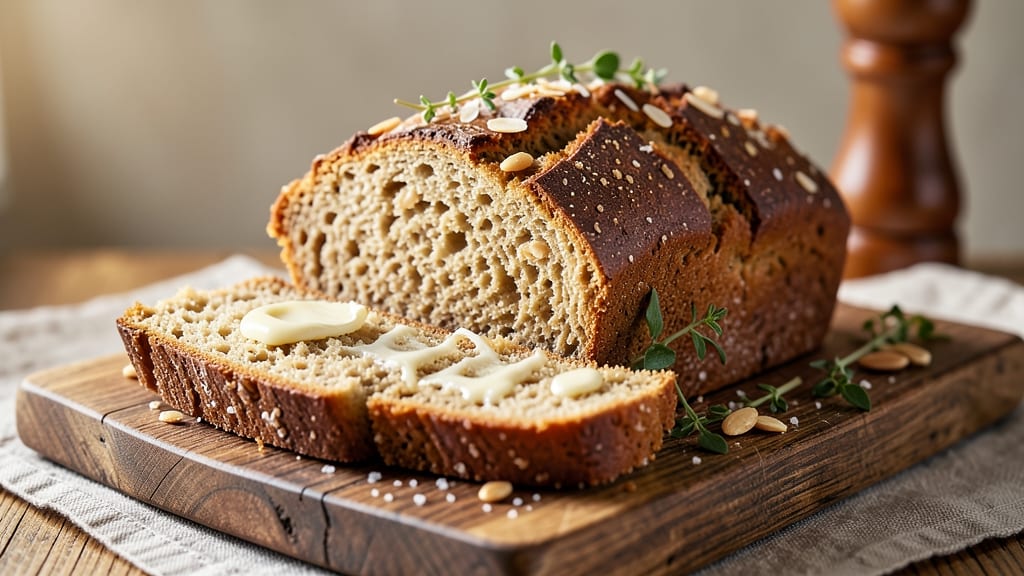
This almond flour and coconut flour bread recipe delivers the perfect balance of nutty flavor and moist texture without relying on gluten grains. ✨ The secret lies in proper hydration ratios and a blend of flours that create a tender crumb while maintaining structure—no dense, crumbly results here.
I’ve perfected this recipe over years of testing, ensuring it bakes up golden-brown with just the right chew, making it ideal for sandwiches or toast.
The beauty of this recipe is its adaptability—it’s naturally gluten-free and grain-free, yet packed with protein and healthy fats from almond and coconut flour.
Unlike other grain-free breads, this one doesn’t dry out quickly thanks to a simple trick: combining the flours with a touch of psyllium husk powder for elasticity. The result?
A loaf that stays fresh for days, with a subtle sweetness from the coconut and a rich, buttery note from the almond.
What sets this bread apart is its versatility—use it for toast with avocado, sandwiches with vegan butter, or even as a base for croutons. The recipe yields a standalone loaf or can be shaped into rolls for a more compact serving.
With just a few simple ingredients and 30 minutes of active prep (plus baking time), you’ll have a bread that rivals traditional loaves in texture and flavor.
For those who love customization, add-ins like chia seeds, flaxseeds, or fresh herbs can be mixed into the batter for extra nutrition and flavor. The key is patience during mixing and baking—let the dough rest before shaping, and don’t overbake.
This bread is the perfect solution for anyone avoiding gluten or grains while still craving something hearty and satisfying.
Ingredients for almond flour and coconut flour bread
Eight simple ingredients transform into a golden, moist loaf—no gluten, no compromise.
| Ingredient | Amount | Notes |
|---|---|---|
| Almond Flour 🌰 | 2 ½ cups | Finely ground, unsweetened |
| Coconut Flour 🥥 | ½ cup | Unsweetened, sifted |
| Psyllium Husk Powder 🌿 | 1 tbsp | For elasticity and structure |
| Baking Powder 🍞 | 1 tsp | Aluminum-free preferred |
| Salt 🧂 | ½ tsp | Fine sea salt |
| Vegan Butter 🧈 | ¼ cup | Melted, unsalted |
| Unsweetened Almond Milk 🥛 | ¾ cup | Room temperature |
| Maple Syrup 🍯 | ¼ cup | Pure, grade B preferred |
| Apple Cider Vinegar 🍎 | 1 tbsp | For activation |
| Chia Seeds 🌱 | 1 tbsp | Optional for extra nutrition |
| Flaxseeds 🌾 | 1 tbsp | Ground, optional |
| Fresh Rosemary 🌿 | ¼ tsp | Chopped, optional |
| Water 💧 | ½ cup | For psyllium activation |
The flours are the heart of this recipe. Almond flour should be finely ground for a tender crumb—Bob’s Red Mill or Anthony’s Goods are reliable brands. Coconut flour absorbs moisture like crazy, so don’t skip sifting it first. Psyllium husk powder is non-negotiable for that perfect chew. I always grab mine from Trader Joe’s—it’s affordable and potent. For the almond milk, unsweetened is key, and Silk or Califia Farms brands work perfectly. The maple syrup adds subtle sweetness, but grade B has more depth than the lighter grades.
No almond flour? Cashew flour or sunflower seed flour can substitute at a 1:1 ratio, though texture may vary slightly. Coconut flour is harder to replace—oat flour at half the amount works in a pinch, but the bread will be denser. Psyllium husk powder can’t be skipped entirely, but if you’re out, xanthan gum at 1/4 tsp helps with binding. For the liquid, water can replace almond milk in a bind, though the flavor will be plainer. The optional add-ins like chia seeds or flaxseeds boost nutrition—just don’t exceed 2 tbsp total, or the batter gets too thick.
This dough is temperamental—mix it, let it rest for 10 minutes, then mix again. The psyllium needs time to activate. Shape the loaf into a 9x5-inch pan lined with parchment, and don’t overbake. It’s done when the internal temp hits 205°F—a toothpick should come out clean but slightly moist. Store wrapped at room temp for 2 days, or freeze slices for 3 months. The bread reheats beautifully—5 seconds in the microwave brings back that fresh-baked feel.
Why You'll Love This Recipe
- This bread handles everything: toast for breakfast, sandwiches for lunch, or even as a base for French toast. I keep a loaf in the fridge for quick meals, and it stays fresh for days. (Yes, even on a Tuesday night.)
- No-Fuss Mixing: I swear by this dough—just blend, knead, and bake. The psyllium husk powder does all the heavy lifting, so no waiting for gluten to develop or worrying about overmixing. Honestly, I’ve made it in my food processor while chatting on the phone.
- Nutty-Creamy Crunch: That first bite? Warm, slightly sweet almond flour meets a tender crumb—no dryness here. The coconut flour adds just enough earthiness to balance it out, like a hug from your favorite low-carb bakery.
- Weeknight Workhorse: This bread handles everything: toast for breakfast, sandwiches for lunch, or even as a base for French toast. I keep a loaf in the fridge for quick meals, and it stays fresh for days. (Yes, even on a Tuesday night.)
Step-by-step instructions for almond flour and coconut flour bread
This gluten-free bread delivers nutty richness and perfect moisture—every step ensures texture and flavor.
👨🍳 Step 1: Activate the Psyllium Husk
In a small bowl, whisk together the 0.5 cup water and 1 tbsp psyllium husk powder until completely dissolved. The mixture will thicken dramatically—this is normal and essential for structure. Let it sit for 5 minutes while you prepare the other ingredients. You'll see it form a gel-like consistency, which mimics gluten's binding properties.
If you skip this step, your bread will lack the proper rise and crumb structure. The psyllium absorbs moisture and expands, creating that signature bread-like texture. I like to use a whisk for this to avoid clumps, which can create dense pockets in the final loaf.
👨🍳 Step 2: Mix Wet and Dry Ingredients Separately
In a large mixing bowl, combine the 2.5 cups almond flour and 0.5 cup coconut flour. Sift the flours together to remove any lumps—this prevents a grainy texture in your bread. In a separate bowl, melt the 0.25 cup vegan butter and let it cool slightly. Add the 0.75 cup unsweetened almond milk, 0.25 cup maple syrup, 1 tbsp apple cider vinegar, 1 tbsp chia seeds, and 1 tbsp flaxseeds to the melted butter.
I always recommend using room-temperature almond milk for smoother mixing. The vinegar helps activate the baking powder while adding subtle tang. If you're using the optional 0.25 tsp fresh rosemary, finely chop it and add it to the wet ingredients now. The rosemary adds an aromatic depth that pairs beautifully with the nutty flavors.
🥘 Step 3: Combine and Knead the Dough
Pour the wet ingredients into the dry ingredients and mix with a wooden spoon until just combined. The dough will be thick and sticky—this is expected with coconut flour's high absorbency. Add the psyllium mixture and stir until fully incorporated. You'll notice the dough becomes more cohesive and easier to handle.
Transfer the dough to a lightly greased surface and knead gently for 2-3 minutes. You're not looking for elasticity here—just enough to distribute the ingredients evenly. The dough should hold together but still feel slightly tacky. If it's too sticky, wet your hands slightly to prevent sticking.
🔥 Step 4: Shape and Proof the Loaf
Line a 9x5-inch loaf pan with parchment paper, leaving an overhang on the sides for easy removal. Transfer the dough to the prepared pan and press it down gently to fill the pan completely. Use a spatula to smooth the top. Cover the pan with a damp towel and let it proof at room temperature for 1 hour. The dough should rise slightly—about ½ inch—but won't double like traditional bread.
This proofing step is crucial for developing flavor and texture. The psyllium continues to absorb moisture during this time, creating that perfect crumb structure. I like to proof at room temperature rather than the fridge for better rise, but if your kitchen is warm, a slightly shorter proofing time works too.
🔥 Step 5: Bake to Golden Perfection
Preheat your oven to 350°F. Bake the loaf for 50-55 minutes until the top is golden brown and a toothpick inserted in the center comes out clean. The bread should smell nutty and slightly caramelized when done. If the top browns too quickly, tent the pan with foil after 30 minutes to prevent over-browning.
For the ultimate texture, I recommend brushing the top with a little extra maple syrup or melted butter after removing it from the oven. This adds a subtle sheen and enhances the flavor. Let the bread cool in the pan for 10 minutes before transferring to a wire rack to cool completely. This resting period allows the crumb to set properly and prevents a gummy texture.
Pro Tips For Making Almond Flour And Coconut Flour Bread
- Mix the Psyllium First: Coconut flour absorbs like a sponge, but psyllium husk powder needs water to activate. Whisk it into your wet ingredients before adding the flours—this prevents clumping and ensures your bread binds properly. I learned this the hard way when my first batch turned into dense, gummy bricks.
- Measure Almond Flour Right: Scoop and level your almond flour—don’t just eyeball it. A cup of almond flour can vary by 10-15 grams depending on how you pack it, and this recipe is unforgiving. Use a kitchen scale if you’re serious, or at least fluff the bag before scooping (yes, even if it’s still sealed).
- Don’t Overmix the Dough: This isn’t cake batter—agitate it too much and you’ll develop gluten (which you don’t want) and trap air (which you also don’t want). Stir just until the psyllium thickens and the flours are barely incorporated. Overmixing turns your bread into a chewy, dense brick instead of a light, crumbly loaf.
- Bake at 350°F—No Higher: Coconut flour burns faster than you’d think, and almond flour can dry out if the oven’s too hot. Stick to 350°F and resist the urge to crank it up—even if the top looks underdone at 20 minutes. The center will rise without scorching, and the crumb will stay tender. (Trust me, I’ve charred three loaves trying to rush this.)
Storing and reheating this dish
Room-Temp Storage
Wrap your freshly baked loaf tightly in beeswax wrap or parchment paper to lock in moisture. Store it at room temperature in a cool, dark place for up to 2 days.
The coconut flour helps prevent staling, but I find the bread stays freshest when kept away from direct sunlight. For extra protection, place it in an airtight container with a damp paper towel—this mimics a bread bag's humidity. 🌰
Freezer Preservation
Slice the loaf before freezing for perfect single-serving portions. Wrap each slice in plastic wrap, then place them in a freezer bag with all the air squeezed out. Label with the date—this bread keeps its texture for up to 3 months.
When ready to use, thaw slices at room temperature for 10 minutes or warm them in the microwave for 5-10 seconds covered with a damp towel. 🧊
Reheating Methods
For that fresh-baked feel, reheat slices in a toaster oven at 350°F for 2-3 minutes—this crisps the edges beautifully. Alternatively, warm in a skillet over low heat with a pat of vegan butter for 1 minute per side.
If using the microwave, place the slice on a plate, cover with a damp paper towel, and heat at 50% power for 15-20 seconds. Avoid over-reheating—just until warm through. ✨
Reviving Stale Bread
If your bread loses moisture, don’t toss it! Spritz with water and wrap tightly in a damp towel, then place in a 350°F oven for 5 minutes. The steam will restore softness.
For extra flavor, brush with melted vegan butter or a light maple syrup glaze before reheating. This trick works especially well with coconut-almond flour breads that dry out faster than traditional loaves. 💫
Portioning Tips
For sandwiches, slice the loaf ¼-inch thick—this thickness reheats evenly without burning. Store slices in a single layer in the fridge if you plan to toast them daily. I keep a small airtight container in my freezer with pre-sliced portions ready for quick breakfasts.
Label portions with dates to track freshness—this bread freezes best within 1 week of baking. 📅
Special Occasion Serving
For a restaurant-worthy presentation, lightly toast slices and top with avocado mash, vegan cream cheese, and everything bagel seasoning. Or, serve as garlic bread by brushing with garlic-infused olive oil and baking at 375°F for 5 minutes.
The nutty base pairs perfectly with rich toppings while keeping the dish gluten-free. 🍽️
Nutrition facts
Frequently asked questions
Why does this bread need psyllium husk powder?
Psyllium husk powder acts as a natural binder, replacing gluten's elasticity in traditional bread. Without it, your loaf would crumble instead of hold together. The 1 tbsp creates a gel-like consistency that mimics gluten's structure, giving your bread that perfect chew. Think of it as the secret ingredient for a tender, sliceable loaf!
Can I make this bread without coconut flour?
Yes, but the texture will change. Replace the 0.5 cup coconut flour with 0.5 cup almond flour or oat flour (for a grain-free option, use sunflower seed flour). However, coconut flour absorbs moisture differently—you may need to add 1-2 tbsp extra almond milk to compensate. The bread will be less dense but may dry out faster.
How do I fix a dense or crumbly texture?
Dense bread usually means underproofing or overmixing. Let the dough rest 10-15 minutes after mixing to activate the psyllium fully. For crumbly results, ensure you sifted the flours and didn't skip the 5-minute psyllium activation. If the dough feels too dry, add 1 tbsp almond milk at a time until workable. Patience is key—don't rush the proofing step!
Can I add sweetener beyond the maple syrup?
For a sweeter loaf, replace the maple syrup with 0.25 cup agave or date syrup. For a caramelized flavor, add 1 tbsp brown sugar to the wet ingredients. Just remember: coconut flour absorbs moisture, so if you add extra liquid (like extra almond milk), reduce it by 1 tbsp to avoid a gummy texture.
Why does my bread taste bitter?
Bitterness often comes from overbaking or using old almond flour. Bake until the internal temp hits 205°F (not beyond). For freshness, store almond flour in the fridge or freezer—oxidized flour develops bitter notes. If using coconut flour, ensure it's unsweetened and fresh. A pinch of vanilla extract or extra maple syrup can also balance flavors.