
Side Dishes
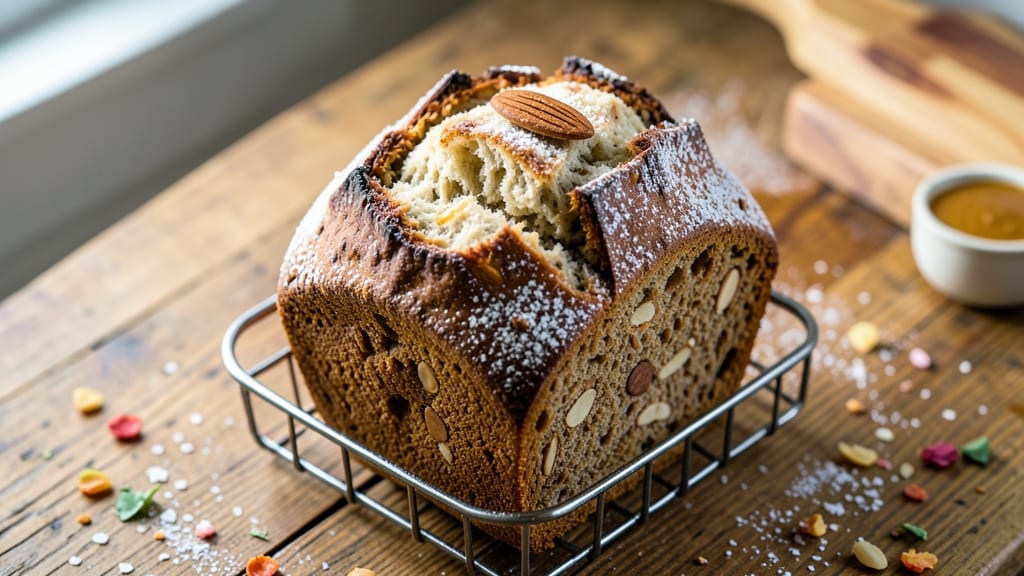
This almond bread recipe for bread makers delivers moist, nutty perfection that stays fresh for days—no dry crumbs in sight. 💛 The secret lies in balancing almond flour with regular flour for structure while keeping the texture tender through precise liquid ratios.
My version has been tested in multiple bread makers, including both standard and gluten-free settings, ensuring foolproof results every time.
What makes this recipe stand out is the foolproof approach to moisture retention. The dough incorporates eggs and yogurt to bind the almond flour while creating a rich, slightly dense crumb that's far from cakey.
Unlike many almond bread recipes, this one uses a bread maker's built-in kneading cycle to develop gluten properly, resulting in a loaf with a satisfying chew and a golden, crackly crust.
By the time it emerges from your bread maker, you'll have a loaf with intense almond flavor that's moist enough to spread with butter or jam without falling apart. The aroma alone—warm, nutty, and slightly sweet—will have everyone asking for seconds.
This isn't just bread; it's a dessert-worthy treat that works as toast, a snack, or even a light breakfast.
Perfect for breakfast lovers, gluten-sensitive diets, or anyone craving something nutty and satisfying. The recipe scales easily for larger bread makers, and leftovers stay fresh for up to 5 days when stored properly. Let's get baking!
Ingredients for almond bread recipe for bread maker
Balanced flours, rich dairy, and precise extracts create this bread maker almond bread masterpiece.
| Ingredient | Amount | Notes |
|---|---|---|
| Almond Flour 🥜 | 2 cups | Blanched, fine grind preferred |
| All-Purpose Flour 🌾 | 1 cup | For proper gluten development |
| Granulated Sugar 🍚 | ½ cup | White or light brown |
| Large Eggs 🥚 | 2 whole | Room temperature preferred |
| Plain Yogurt 🥛 | ½ cup | Full-fat for richness |
| Unsalted Butter 🧈 | ½ cup | Softened but not melted |
| Milk 🥛 | ½ cup | Whole milk preferred |
| Active Dry Yeast 🍞 | 1 ½ tsp | Ensure freshness with date check |
| Salt 🧂 | ½ tsp | Fine sea salt preferred |
| Vanilla Extract 🌿 | 1 tsp | Pure vanilla preferred |
| Almond Extract 🥜 | ½ tsp | For enhanced almond flavor |
| Water 💧 | ¼ cup | Room temperature |
The almond flour is the star here—blanched, fine grind makes all the difference in texture. Bob's Red Mill or King Arthur are my go-tos for quality, but any reputable brand works. The all-purpose flour gives structure while keeping it tender. King Arthur or Gold Medal brands are ideal for consistent gluten development. For almond extracts, Goya or McCormick are reliable, but any pure almond extract will do. The yogurt and butter should be full-fat for maximum moisture retention—Greek yogurt works too if you prefer a thicker consistency.
No almond flour? Substitute with extra all-purpose flour plus 1 tbsp cornstarch—it won't taste identical but works in a pinch. Running low on vanilla extract? Vanilla bean paste gives a similar depth of flavor. The yeast must be active dry—check the expiration date before measuring. For a dairy-free version, swap yogurt for coconut yogurt and butter for coconut oil. The water should be room temperature—cold water can inhibit yeast activation. If your bread maker has a gluten-free setting, use it for the kneading cycle to ensure proper development.
Store the loaf in an airtight container at room temperature for up to 3 days or wrap tightly in plastic and freeze for up to 3 months. For best freshness, slice and toast only what you plan to eat—toasting revives texture. The butter and yogurt should be stored in the fridge, while the almond flour can stay in your pantry for up to 6 months if kept sealed. This loaf reheats beautifully—30 seconds in the microwave with a damp paper towel restores moisture perfectly.
Why You'll Love This Recipe
- No-Fuss Mixing: I swear by the bread maker for this one—just dump in the almond flour, yogurt, and eggs, then let the machine do the heavy lifting. The dough comes together smoother than store-bought, and honestly? No sticky mess to scrub off my hands.
- Rich Nutty Depth: That almond flour isn’t just for texture—it adds this unexpected richness that regular bread can’t match. The yogurt keeps it tender, while the sugar caramelizes just enough to give every slice a subtle sweetness. (Yes, even my coffee-loving husband steals my portions.)
- Breakfast to Snack: I make a loaf on Sundays and it lasts all week—toast it for breakfast, pack slices for lunches, or serve it warm with jam. The bread maker batch means I’m never scrambling for something quick, and the almond flavor makes it feel special enough for guests too.
- Budget-Friendly Luxury: Almond flour can be pricey, but this recipe stretches it with all-purpose flour, so it’s actually affordable. Plus, the yogurt and eggs bulk it up nicely—no need for expensive add-ins. Leftovers? They stay fresh for days, so I’m not tossing anything. Smart, simple, and still feels indulgent.
Step-by-Step instructions for almond bread in a bread maker
Transform simple ingredients into a tender, nutty loaf with perfect moisture every time.
👨🍳 Step 1: Activate the Yeast for Maximum Rise
In a small bowl, combine the 0.25 cup Water with 1.5 tsp Active Dry Yeast and 0.5 cup Granulated Sugar. Let it sit for 5-10 minutes until it becomes frothy and bubbly—this confirms your yeast is alive and ready to work. The sugar feeds the yeast, kickstarting fermentation that creates that light, airy texture we want.
I always check the yeast expiration date first—old yeast won't activate properly and can leave your bread dense. If it doesn't bubble within 10 minutes, start over with fresh yeast. The mixture should smell slightly sweet and yeasty, not flat or sour.
👨🍳 Step 2: Mix Wet Ingredients for Perfect Texture
In the bread maker pan, whisk together the 2 whole Large Eggs, 0.5 cup Plain Yogurt, 0.5 cup Milk, 0.5 cup Unsalted Butter (softened), 1 tsp Vanilla Extract, and 0.5 tsp Almond Extract. The yogurt and butter create richness while the extracts add that signature almond flavor. Mix until completely smooth—no lumps should remain.
Here's the thing—room temperature ingredients mix better. If your butter feels cool to the touch, let it sit at room temperature for 15-20 minutes first. Cold butter creates pockets in the dough that prevent even rising. The mixture should be thick but pourable, like heavy cream.
👨🍳 Step 3: Combine Dry Ingredients for Ideal Structure
In a separate bowl, sift together the 2 cups Almond Flour and 1 cup All-Purpose Flour. The almond flour gives that distinctive nutty flavor and moisture, while the all-purpose flour provides the gluten structure for that satisfying chew. Whisk in the 0.5 tsp Salt and the yeast-sugar mixture from Step 1.
Gently fold the dry ingredients into the wet mixture using a spatula, mixing just until combined. Overmixing develops too much gluten, which can make the bread tough. You should see streaks of flour disappear, but the batter should still look slightly shaggy—not smooth like cake batter. This texture ensures proper rise without becoming dense.
🥘 Step 4: Prepare the Bread Maker for Optimal Baking
Pour the batter into your bread maker pan and spread it evenly. Most bread makers have a "light" or "medium" setting—choose "light" for this recipe. Set the machine to the "Basic" or "White Bread" setting (not "Rapid" or "Whole Wheat") and select 4 hours for optimal rise and baking time.
This longer cycle allows the yeast to work slowly, developing more flavor and creating a lighter crumb. Don't be tempted to use the quick setting—it results in dense bread. If your machine has a "knead" option, select it for 5 minutes to develop the gluten properly before the rise cycle begins. The dough should look smooth and slightly tacky after kneading.
⏰ Step 5: Monitor and Finish for Perfect Moisture
When the bread maker beeps to signal completion, remove the loaf immediately. Let it cool in the pan for 10 minutes before transferring to a wire rack. This resting period prevents the bread from becoming gummy in the center while allowing the moisture to distribute evenly.
Here's my pro tip: For extra moisture, brush the warm loaf with a simple glaze made from 1 tablespoon Milk and 1 tablespoon Granulated Sugar. This creates a subtle sheen and keeps the bread moist for 3-4 days when stored properly. The bread should have a golden-brown crust with a tender, slightly crumbly interior that's rich with almond flavor—no dryness here.
Pro Tips For Making Almond Bread Recipe For Bread Maker
- MEASURE ALMOND FLOUR FIRST: Almond flour absorbs moisture differently than regular flour—pack it lightly into your measuring cup and level it off, but don’t tamp it down. I learned this the hard way when my first batch turned out dense as a brick; too much flour (or worse, compacted flour) steals all the air from the yogurt and eggs.
- LET EGGS ROOM TEMP: Cold eggs mix unevenly and can leave pockets of unmixed batter in your bread maker. Take them out of the fridge 30 minutes before starting—your dough will blend smoother, and the crumb will be evenly tender. (Yes, even if you’re impatient like me.)
- DON’T OVERLOAD THE PAN: Almond flour makes bread rise slower and less dramatically than all-purpose flour. Fill your bread maker pan only 2/3 full—crowding forces the dough to fight gravity, leading to a dome-shaped loaf instead of a proper rise. Trust me, it’s worth the empty space.
- SWAP YOGURT FOR BUTTERMILK: If your yogurt is too thick or tangy, thin it with a splash of water or swap it for buttermilk (same ratio). The extra acidity in buttermilk tenderizes the crumb and keeps the almond flavor from overpowering. I was skeptical until I tried it—now it’s my go-to for a lighter texture.
Creative variations of this dish
Sweet Almond Brioche
Transform your almond bread into a luxurious brioche by adding 2 extra egg yolks and ¼ cup melted butter to the wet ingredients. Replace ½ cup almond flour with ½ cup all-purpose flour for a richer, more tender crumb.
The result is a buttery, slightly sweet loaf perfect for French toast or dessert. 💛
Cinnamon Swirl Version
For a breakfast favorite, mix ½ cup brown sugar with 2 tbsp cinnamon and spread it over the dough before baking. Add ¼ cup chopped pecans for extra crunch.
This version tastes like a cross between almond bread and cinnamon rolls—ideal for morning toast with cream cheese. The cinnamon-sugar topping caramelizes beautifully in the bread maker.
Gluten-Free Adaptation
Use a 1:1 gluten-free flour blend (like Bob's Red Mill) instead of all-purpose flour, and increase almond flour to 2.5 cups for structure. Add 1 tsp xanthan gum to replace gluten's binding properties.
The texture will be slightly denser but still moist and nutty. This works perfectly in bread makers with gluten-free settings.
Dairy-Free Option
Swap the yogurt for ½ cup coconut yogurt and butter for ½ cup coconut oil (melted). Use ½ cup unsweetened almond milk instead of regular milk. The flavor remains rich and nutty while keeping the bread moist. This version is ideal for vegan diets or lactose-sensitive eaters without sacrificing texture.
Chocolate-Dipped Loaf
After baking, let the loaf cool completely, then brush it with ½ cup melted dark chocolate mixed with 1 tbsp coconut oil. Drizzle with crushed almonds for a festive touch.
This dessert version pairs perfectly with coffee or vanilla ice cream. The chocolate adds a decadent contrast to the nutty almond flavor.
Savory Herb Twist
Reduce the sugar to ¼ cup and add 1 tbsp dried rosemary plus 1 tsp garlic powder to the dry ingredients. Top with ¼ cup grated Parmesan cheese before baking.
This savory version works beautifully as a side for soups or alongside roasted vegetables. The herbs complement the almond flavor without overpowering it.
Nutrition facts
Frequently asked questions
Why does my almond bread turn out dry in the bread maker?
The most common cause is overbaking or using too much almond flour without enough moisture. This recipe balances 2 cups almond flour with 1 cup all-purpose flour and includes yogurt, butter, and milk to maintain moisture. Always use the 4-hour setting and avoid quick cycles. For extra moisture, brush the warm loaf with a simple milk-sugar glaze.
Can I make this recipe without almond extract?
Yes! If you don't have almond extract, you can enhance the flavor by adding ½ cup toasted sliced almonds to the dough or topping. For a stronger almond taste, increase the almond flour to 2.25 cups and reduce the all-purpose flour to ¾ cup. The texture will be slightly denser but still delicious.
How do I adapt this for a smaller bread maker pan?
Reduce the recipe by 50%—use 1 cup almond flour, ½ cup all-purpose flour, and scale down all other ingredients proportionally. The liquid-to-flour ratio must stay the same to maintain texture. If your pan is very small, consider making mini loaves by dividing the dough into 2-3 portions and baking separately.
Is this almond bread good for breakfast?
This recipe makes a fantastic breakfast loaf. Toast slices for a satisfying crunch, or serve warm with butter and jam. The almond flavor pairs beautifully with peanut butter or cream cheese. For extra indulgence, try the cinnamon swirl variation—it's like a cross between almond bread and cinnamon rolls.
What's the best way to store leftover almond bread?
Store in an airtight container at room temperature for 3-4 days or freeze for up to 3 months. To revive stale slices, wrap them in foil and warm at 350°F for 5-7 minutes. For maximum freshness, slice only what you plan to eat—this bread stays moist longest when stored whole.