
Side Dishes
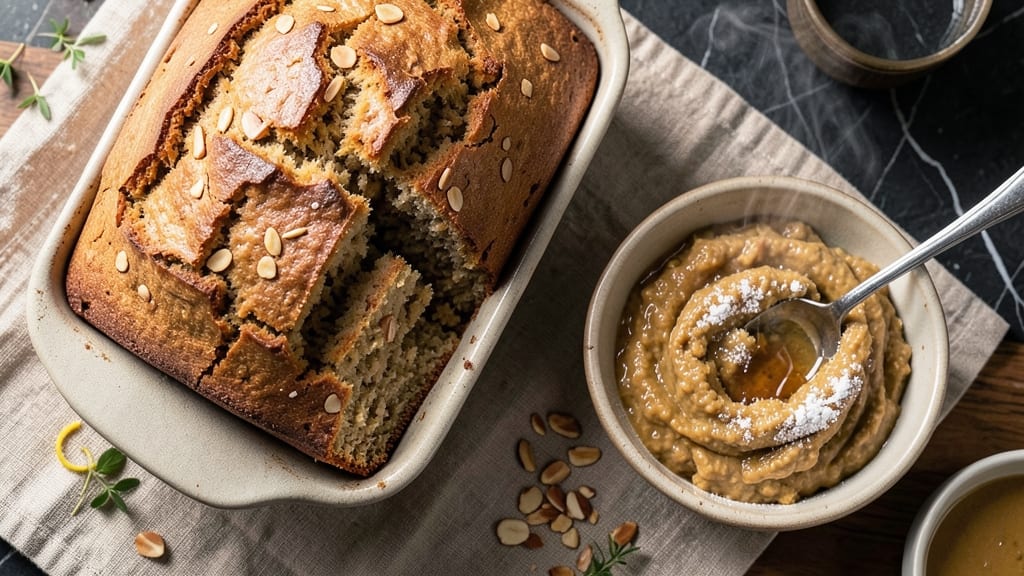
This almond pulp bread recipe transforms kitchen scraps into a wonderfully moist, nutty loaf that's as good for the planet as it is for your taste buds. The secret lies in repurposing almond pulp—what remains after pressing almond milk—which adds natural sweetness and a tender crumb without any artificial ingredients.
What makes this recipe special is how it balances hydration and structure, ensuring a bread that's light yet substantial, with a subtle almond flavor that lingers just right.
The process is straightforward but requires patience, particularly during the proofing stage where the dough develops its signature texture. You'll work with a slightly sticky dough that relies on almond pulp to bind moisture without needing extra fat, creating a loaf that stays fresh for days.
The key is letting the dough rise slowly, which allows the gluten to relax and the flavors to meld—this is what gives the bread its signature moistness and delicate crumb.
By the time you pull it from the oven, you'll have a golden-brown loaf with a crisp crust and a tender interior that's perfect for toast or sandwiches. The almond flavor is subtle but present, adding depth without overpowering.
This bread is especially rewarding because it uses what would otherwise be waste, turning a byproduct into something delicious while keeping your kitchen eco-friendly.
Whether you're baking for a special occasion or just want to reduce food waste, this recipe delivers restaurant-quality results with minimal effort. The best part? You can adapt it for gluten-free baking by adjusting the flour blend, making it versatile for any dietary need.
Let's get started on creating your zero-waste masterpiece.
Ingredients for almond pulp bread
Transform scraps into a moist, nutty loaf with these 12 zero-waste ingredients.
| Ingredient | Amount | Notes |
|---|---|---|
| Almond Pulp 🌰 | 1 ½ cups | Fresh from almond milk pressing |
| All-Purpose Flour 🌾 | 2 ½ cups | Organic preferred for texture |
| White Whole Wheat Flour 🌾 | ½ cup | For added structure and nuttiness |
| Active Dry Yeast 🍞 | 1 tbsp | Or 2.25g packet, not instant |
| Granulated Sugar 🍚 | ¼ cup | For yeast activation |
| Unsweetened Almond Milk 🥛 | ½ cup | Room temperature, homemade preferred |
| Extra-Virgin Olive Oil 🫒 | ¼ cup | Plus 1 tbsp for dough |
| Apple Cider Vinegar 🍏 | 1 tbsp | For yeast activation |
| Salt 🧂 | 1 tsp | Fine sea salt preferred |
| Ground Cinnamon 🌿 | ½ tsp | Enhances almond flavor |
| Pure Maple Syrup 🍁 | 2 tbsp | For subtle sweetness |
| Water 💧 | ¼ cup | Adjust for dough consistency |
Almond pulp is the star—save it after pressing homemade almond milk. Local health food stores like Whole Foods often sell it pre-packaged if you don't make your own. The flour blend matters too: white whole wheat adds structure while keeping the loaf light. For yeast, Bob's Red Mill active dry works best—just make sure it's not expired. The almond milk should be room temperature to activate the yeast properly. If your pulp is dry, add a splash of water to bring it back to a thick paste consistency. Pro tip: Store-bought almond pulp from brands like Almond Breeze works too, but homemade has more flavor.
No almond pulp? Substitute with soaked cashews or extra almond flour—about 1 cup total—but the texture won't be identical. Running short on whole wheat? Swap for all-purpose flour, but the loaf will be slightly less nutty. No apple cider vinegar? Lemon juice works 1:1. The maple syrup can be swapped for agave, but maple adds a deeper flavor. For a quicker rise, instant yeast at half the amount works too. The dough should be sticky but manageable—if it's too dry, add water 1 tbsp at a time. If too wet, sprinkle in a little more flour. The key is balance: you want it cohesive enough to handle but not gluey.
This dough needs patience—proof for 1-2 hours until doubled in size. Store leftovers in an airtight container for 3-4 days or freeze slices for up to 3 months. For extra crispiness, brush the crust with olive oil before baking. The bread reheats beautifully: 30 seconds in a toaster brings back that fresh-from-oven crunch. To keep it fresh longer, slice and freeze—just thaw at room temperature before serving. The almond flavor intensifies slightly as it sits, so day-old bread is often the best.
Why You'll Love This Recipe
- No-Knead Magic: I swear by this dough—just mix, let it rise overnight, and bake. The almond pulp adds a subtle nuttiness that makes it taste like a bakery loaf without the fuss of shaping or waiting hours.
- Sweet Nutty Crunch: That almond pulp? It’s the star—gives the bread a delicate texture and a hint of caramelized sweetness from the sugar. Honestly, I’ve never had bread this satisfyingly complex with just a handful of ingredients.
- Weeknight & Weekend Ally: Use it for toast with jam on lazy mornings or serve warm with soups when guests drop by. The whole wheat flour keeps it hearty, and the yeast ensures it’s always light, no matter the occasion.
- Budget-Friendly Luxury: Almond pulp is a pantry goldmine—cheaper than buying fancy bread, and this recipe stretches flour without sacrificing flavor. Plus, leftovers toast up perfectly for days. My wallet and taste buds thank me.
Step-by-step instructions for almond pulp bread
Transform almond pulp into a tender, nutty loaf with this simple zero-waste method.
Activate the Yeast for Maximum Rise
In a small bowl, combine the 0.25 cup granulated sugar, 0.5 cup unsweetened almond milk, and 1 tbsp apple cider vinegar. Stir well to dissolve the sugar completely. Sprinkle the 1 tbsp active dry yeast over the surface and let it sit at room temperature for 5-10 minutes until it becomes frothy and bubbly.
This step is crucial for ensuring your bread rises properly. The vinegar creates an acidic environment that helps activate the yeast, while the sugar provides food for it to multiply. If the mixture doesn't bubble after 10 minutes, your yeast might be inactive—start fresh with a new packet.
Mix the Wet Ingredients for Perfect Texture
In a large mixing bowl, combine the 1.5 cups almond pulp, 0.25 cup extra-virgin olive oil, 0.25 cup water, and the yeast mixture from Step 1. Stir well to fully incorporate all ingredients. Add the 2 tbsp pure maple syrup and 0.5 tsp ground cinnamon, mixing until smooth.
The almond pulp adds moisture and nuttiness, while the olive oil creates a tender crumb. The maple syrup enhances flavor and adds subtle sweetness. Here's the thing—don't worry if the mixture looks too wet at this stage. The flours will absorb the moisture as you mix.
Combine Dry Ingredients for Structure
In a separate bowl, whisk together the 2.5 cups all-purpose flour, 0.5 cup white whole wheat flour, and 1 tsp salt. Gradually add the dry ingredients to the wet mixture, stirring with a wooden spoon until just combined. Be careful not to overmix—the dough should be sticky but not liquidy.
This flour blend gives you the perfect balance of structure and tenderness. The white whole wheat flour adds a subtle nuttiness that complements the almond pulp beautifully. If the dough feels too sticky to handle, add 1 tablespoon of flour at a time until it becomes manageable but still slightly tacky.
Knead and Rest for Ideal Bread Texture
Lightly flour a clean surface and turn out the dough. Knead gently for 2-3 minutes just until the ingredients come together. This isn't traditional bread dough—it's more like a quick bread with a touch of yeast. Place the dough in a lightly oiled bowl, cover with a damp towel, and let it rise in a warm place for 1-2 hours or until doubled in size.
Real talk: This dough won't rise dramatically like traditional bread dough. That's normal! The almond pulp and extra moisture create a different texture. The rise should be noticeable but not as pronounced. If your kitchen is cool, place the bowl near a warm spot like the top of the fridge or near a turned-off oven light.
Shape and Bake for Perfect Almond Bread
Preheat your oven to 350°F. Grease a 9x5-inch loaf pan lightly with olive oil. Transfer the risen dough to the prepared pan and shape it gently to fill the corners. Cover with a damp towel and let it rest for 15 minutes while the oven preheats.
Bake for 45-50 minutes until the top is golden brown and a toothpick inserted in the center comes out clean. The bread should have a beautiful crust with a tender, moist interior. If the top browns too quickly, tent the pan with foil after 30 minutes to prevent over-browning while ensuring it cooks through.
Pro Tips For Making Almond Pulp Bread
- Bloom the Yeast First: Skip mixing yeast dry—it’s lazy and unreliable. Instead, dissolve it in warm water (about 110°F) with a pinch of sugar first, then let it foam for 5-10 minutes before adding to the dough. I learned this the hard way when my first batch failed because the yeast was still asleep in the flour.
- Pulse Almond Pulp Twice: Don’t just dump almond pulp into the mixer and hope for the best. Pulse it in two batches—first alone until it’s fine but not powdery, then mix it with the flours. This prevents clumping and ensures the texture stays light, not gummy.
- Avoid Over-Kneading Wheat: White whole wheat flour is finicky—it turns dense if you knead it like regular bread. Stop when the dough pulls away from the bowl and springs back just slightly. Overwork it, and you’ll end up with a brick, not a loaf.
- Steam the First 10 Minutes: Place a metal bowl of boiling water in your oven before baking, then close the door for the first 10 minutes. The steam helps the crust form evenly without cracking—critical for almond pulp bread, which dries out fast. (Yes, even if you’re impatient like me.)
Pro cooking tips for this recipe
Hydration Balance
The almond pulp introduces extra moisture, so resist the urge to add too much water. Start with the 0.25 cup listed, but if your pulp is particularly dry (like store-bought varieties), add water 1 tablespoon at a time until the dough reaches a sticky but workable consistency.
Too much water makes the dough collapse during proofing, while too little creates a dense loaf. 💧
Pro tip: Test consistency by pressing your finger into the dough. It should gently spring back but leave a slight indentation. If it sticks aggressively, add a little more flour. The goal is a dough that's cohesive enough to shape but still tender enough to develop that signature moist crumb.
Yeast Activation
Use room-temperature almond milk and yeast for proper activation. Cold milk slows yeast growth, while warm milk (above 110°F) can kill it. The apple cider vinegar isn't just for flavor—it creates an acidic environment that helps the yeast multiply faster.
If your kitchen is cold, place the yeast mixture near a warm spot (like the top of your fridge) to speed up activation.
For extra insurance, proof the yeast in your 350°F oven with the light on for 5 minutes before mixing. This mimics a warm environment and guarantees a strong rise. If your yeast doesn't bubble after 10 minutes, your dough will be flat—start fresh with a new packet.
Proofing Patience
This dough rises slower than traditional bread due to the almond pulp's moisture content. Give it 1-2 hours until it's doubled in size, but don't rush it. A slow rise allows the gluten to relax, creating a tender crumb.
If your kitchen is cool (65°F or below), extend proofing to 2-3 hours or use a proofing box set to 80°F.
Look for visual cues: the dough should puff up noticeably and develop small bubbles on the surface. If it collapses after shaping, it wasn't fully proofed. For gluten-free versions, reduce proofing time to 45 minutes—these doughs are less elastic and can overproof quickly.
Baking Tricks
Brush the loaf with olive oil before baking for a crispier crust. For extra flavor, mix 1 tsp cinnamon into the oil. Place a shallow pan of water on the lower oven rack during baking to create steam, which helps develop a softer crumb.
Remove the pan after 15 minutes to prevent a soggy bottom.
Check doneness at 45 minutes—the bread is done when it sounds hollow when tapped on the bottom. If the top browns too quickly, tent with foil. For a darker crust, broil for 1-2 minutes at the end.
Let the bread cool in the pan for 10 minutes before transferring to a wire rack to prevent collapsing.
Nutrition facts
Frequently asked questions
What can I do with leftover almond pulp?
Beyond this bread recipe, almond pulp is incredibly versatile! Use it in energy balls by mixing with dates and oats, or blend it into smoothies for extra creaminess. You can also bake it into muffins or cookies—just reduce other liquids slightly since pulp adds moisture. For a savory option, try it in veggie burgers or as a binder in meatloaf recipes.
Why does my dough feel too sticky?
The almond pulp absorbs moisture differently than traditional flours, so stickiness is normal! If the dough is unmanageable, add 1 tablespoon flour at a time until it's just workable. Remember: this bread relies on moisture for its tender texture, so don't overdo it with extra flour or the crumb will become dense. Wet hands help when shaping the dough.
Can I make this bread without a loaf pan?
Shape the dough into a boule or batard for a free-form loaf. Place it on a parchment-lined baking sheet and score the top with a sharp knife before baking. The crust will be thicker, but the interior remains just as moist. For extra flavor, brush with olive oil mixed with 1 tsp cinnamon before baking.
How do I store this bread to keep it fresh?
Wrap cooled bread tightly in plastic wrap or store in an airtight container to maintain freshness for 3-4 days. For longer storage, slice and freeze—it reheats beautifully in a toaster or oven. The almond flavor actually intensifies slightly as it sits, making day-old bread even more delicious! To revive stale slices, sprinkle with water and toast.
What's the best way to make this gluten-free?
Swap the all-purpose and whole wheat flours for a 1:1 gluten-free flour blend (like Bob's Red Mill). Add ½ tsp xanthan gum to improve texture, and reduce proofing time to 45 minutes—gluten-free doughs rise faster. The bread will be slightly denser but still moist and delicious. For extra binding, increase almond pulp by ¼ cup.