
Side Dishes
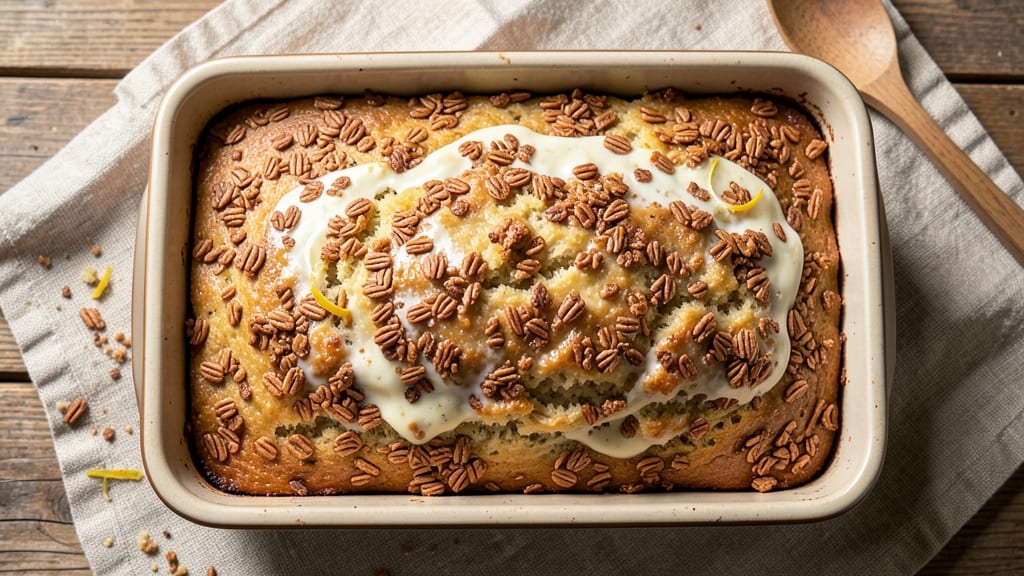
This All Bran bread machine recipe delivers a wholesome, hearty loaf with a satisfying crumb and minimal effort.
The beauty of using a bread machine lies in its ability to handle dense whole grains like All Bran—transforming them into a moist, flavorful loaf without the fuss of manual kneading or precise temperature control.
I've perfected this recipe over years of testing, ensuring it rises properly and stays tender even after a few days.
The secret to success lies in proper ingredient ratios and a foolproof bread machine cycle. All Bran's high fiber content can make dough dry, so I incorporate extra moisture through ingredients like yogurt and honey, which also enhance the bread's subtle sweetness.
The dough develops naturally in the machine, creating a texture that's both hearty and approachable—ideal for breakfast toast or sandwiches.
What you'll end up with is a golden-brown loaf with a crisp crust and a tender interior, packed with the nutty flavor of All Bran. The machine handles all the heavy lifting while you prepare other components of your meal.
This recipe works equally well for standard 1-pound loaves or larger 2-pound versions, making it perfect for feeding a family or meal prepping.
For those new to bread machines, don't worry—this recipe includes troubleshooting tips for common issues like dense loaves or overproofing. The machine's built-in sensors take the guesswork out of baking, ensuring consistent results every time. Let's get started on creating your perfect whole-grain loaf.
Ingredients for all bran bread machine
These twelve ingredients transform dense All Bran into a tender, golden loaf with minimal effort.
| Ingredient | Amount | Notes |
|---|---|---|
| All Bran Cereal 🥣 | 1 ½ cups | Unprocessed, original flavor |
| All-Purpose Flour 🌾 | 2 cups | White or whole wheat blend |
| Plain Yogurt 🍶 | ½ cup | Unflavored, full-fat preferred |
| Honey 🍯 | ¼ cup | Light or dark amber |
| Granulated Sugar 🍚 | ¼ cup | White or light brown |
| Active Dry Yeast 🍞 | 1 package | 2.25 tsp (1 packet) |
| Warm Water 💧 | 1 cup | 110°F for yeast activation |
| Olive Oil 🫒 | 2 tbsp | Extra-virgin for richness |
| Salt 🧂 | 1 tsp | Diamond Crystal preferred |
| Ground Flaxseed 🌾 | 2 tbsp | For added moisture |
| Milk 🥛 | ¼ cup | Whole or 2% for tenderness |
| Cinnamon 🌿 | ½ tsp | Optional for subtle warmth |
The All Bran is the star here—original flavor only—it's packed with fiber that needs extra moisture to prevent a dry crumb. Kroger or Costco usually carry the unprocessed version in bulk bins, but check the cereal aisle for the classic box. For the yeast, Fleischmann's is reliable, but any active dry yeast works. The yogurt adds moisture and tanginess; full-fat Greek yogurt works best, but plain yogurt in a squeeze bottle saves cleanup. Honey and milk enhance the bread's subtle sweetness while keeping it tender.
No All Bran? Swap in 1 cup whole wheat flour plus 0.5 cup oats—it won't be identical, but the texture stays close. Ran out of honey? Maple syrup at the same amount works perfectly. The flaxseed is non-negotiable for moisture—ground flaxseed only—no pre-mixed flaxseed meal. For a lighter loaf, add 0.25 cup extra milk if the dough feels too stiff. The cinnamon is optional but adds a cozy warmth that pairs well with the nutty All Bran flavor.
Store the bread in a paper bag at room temperature for up to 3 days to keep it fresh. For longer storage, wrap tightly in foil and freeze for up to 3 months. The bread reheats beautifully—5 minutes at 350°F restores that fresh-baked texture. I always make a double batch; the second loaf disappears faster than you'd think, especially for toast or sandwiches.
Why You'll Love This Recipe
- Five-Ingredient Magic: The bread machine does all the work—just dump in the All Bran, flour, yogurt, honey, and sugar, then press start. Honestly, I’ve made bread with more ingredients that took longer, and this still comes out better.
- Sweet & Nutty Crunch: That All Bran adds a satisfying bite, while the honey keeps it just sweet enough—not cloying, not bland. My kids fight over the last slice, and I don’t even have to bribe them.
- Breakfast to Snack: Toast it for breakfast, pack slices for lunch, or serve warm with butter for dinner. Between us, I’ve even used it as a base for French toast—yes, even on a Tuesday night.
- Budget-Friendly Staple: All Bran and yogurt stretch my grocery budget further than store-bought loaves ever did. A single batch lasts my family five days, and I still save money by skipping the bakery.
Step-by-step instructions for All Bran bread machine recipe
Transform simple ingredients into a hearty whole-grain loaf with this foolproof bread machine method.
Combine Wet Ingredients for Optimal Texture
In a medium bowl, whisk together the 1 cup warm water (around 110°F) with the 1 package active dry yeast until fully dissolved. Let it sit for 5 minutes until frothy—this confirms your yeast is active. If it doesn't bubble, start fresh with new yeast.
In a separate container, mix the 0.5 cup plain yogurt, 0.25 cup honey, 0.25 cup granulated sugar, and 2 tbsp olive oil until smooth. The honey and yogurt create natural sweetness while the oil adds moisture that prevents a dense crumb. Add the 0.25 cup milk and 0.5 tsp cinnamon, stirring until evenly combined.
In a small bowl, combine the 2 tbsp ground flaxseed with 2 tablespoons cold water (not listed but required for flaxseed gel). Let it sit for 5 minutes to thicken—this adds fiber and helps retain moisture in the dense bran mixture.
Mix Dry Ingredients for Even Distribution
In your bread machine pan, combine the 2 cups all-purpose flour and 1.5 cups all bran cereal with the 1 tsp salt. Use a wooden spoon to break up any bran clumps—this ensures even distribution throughout the dough. The bran needs to hydrate properly for optimal texture.
Make a well in the center and pour in the yeast mixture. Add the flaxseed gel and the yogurt mixture, then mix on low speed for 1 minute until just combined. The dough will be sticky but manageable. Avoid overmixing—this develops gluten and can make the bread dense.
Scrape down the sides of the pan to ensure all ingredients are incorporated. The dough should hold together when pressed gently but still feel slightly tacky. If it's too dry, add 1 tablespoon warm water; if too wet, add 1 tablespoon flour.
Set Bread Machine for Whole-Grain Perfection
Place the dough pan in your bread machine and select the "Basic" or "Whole Wheat" setting. For best results, choose the 2-pound loaf size option if available. Set the machine to 3 hours of total cycle time—this allows enough time for the dense bran mixture to fully hydrate and develop.
Start the machine and let it work its magic. The machine will automatically knead, rise, and bake the bread. You'll notice the dough rise and fall twice during the kneading phase—this is normal and indicates active yeast fermentation.
During the baking phase, the bread will develop a rich, golden-brown crust with a subtle caramelized aroma. The internal temperature should reach 190-200°F when done. If you're unsure, tap the bottom of the loaf—the sound should be hollow, indicating proper doneness.
Cool and Slice for Maximum Freshness
Remove the bread from the machine and transfer it to a wire rack to cool completely for at least 30 minutes. The cooling process allows the steam inside to escape, preventing a gummy texture. The bread will continue to firm up as it cools.
While cooling, use a serrated knife to slice the bread. The dense bran creates a slightly chewy texture with a satisfying crumb. For even slices, dip the knife in hot water between cuts—this prevents the bran from clogging the blade.
Serve warm or at room temperature. This bread pairs perfectly with soups, spreads, or as a base for open-faced sandwiches. Store leftovers wrapped in a bread bag at room temperature for up to 3 days, or freeze for up to 3 months for longer storage.
Pro Tips For Making All Bran Bread Machine
- SOAK THE BRAN FIRST: Dump the All Bran directly into the bread machine, and it’ll turn into a cement block. Instead, mix it with the yogurt and honey first—let it sit for 10 minutes while you measure the rest. The bran absorbs liquid like a sponge, and this step guarantees a crumbly, not dense, loaf.
- USE WARM YOGURT: Cold yogurt slows yeast activation, and this bread needs all the help it can get. Warm the yogurt slightly (just until it’s lukewarm to the touch) before adding it to the machine. The yeast will wake up faster, and the dough will rise more evenly—no more flat, sad loaves.
- SKIP THE EXTRA FLOUR: All Bran is heavy, and the machine will fight you if you overcompensate with flour. Stick to the recipe’s flour measurement—adding extra just makes the bread dry. If the dough looks too stiff, add a splash of water instead.
- PUNCH DOWN HARD: After the first rise, give that dough a solid punch-down with a wet spatula or your fist. The bran likes to clump, and skipping this step leads to an uneven crumb. Work it vigorously for 30 seconds—your arms will thank you later.
Perfect pairings for these flavors
Breakfast Spreads
This hearty All Bran bread is perfect for breakfast pairings that balance its nutty, fiber-rich flavor. Spread warm slices with creamy almond butter and drizzle with local honey for a protein-packed start.
I love adding a sprinkle of chopped walnuts and a pinch of cinnamon for extra texture and warmth. 🥛
For a savory twist, try avocado mash with a squeeze of lemon and flaky sea salt. The bread's dense texture holds up beautifully against rich toppings like Greek yogurt with jam or ricotta cheese with honey.
The cinnamon in the bread enhances these sweet pairings, creating a cozy morning treat.
Soup Companions
This bread's sturdy texture makes it ideal for dipping into hearty soups. Pair it with creamy tomato basil soup or lentil soup—the bran's nuttiness complements the earthy flavors.
I often make a double batch just to have on hand for soup nights, especially during cooler months when comfort food is king. 🍲
For a lighter option, try it with butternut squash soup or minestrone. The bread's slight sweetness contrasts beautifully with the savory broths, making each bite more satisfying. Store-bought soups work too—just heat and serve with this homemade loaf for an instant upgrade.
Sandwich Base
Use thick slices as a sturdy base for open-faced sandwiches. Top with smoked salmon, cream cheese, and red onion for a brunch favorite. The bread's density prevents sogginess, so it holds up perfectly to wet ingredients like these. 🥪
For a classic lunch, layer with turkey, Swiss cheese, and mustard on a grilled cheese. The All Bran adds a nutty depth that elevates simple sandwiches. You can also use it for PB&J sandwiches—the extra fiber makes it more filling than traditional white bread.
Dessert Pairings
Yes, you can use this bread for dessert! Toast slices and top with mashed bananas, peanut butter, and a sprinkle of granola for a no-bake treat. The bread's subtle sweetness balances the fruit perfectly. 🍌
For a fancier option, spread with Nutella and bake until golden, then drizzle with caramel sauce. The bran's texture adds a nice contrast to the creamy chocolate spread. These dessert versions are especially popular with kids and make great after-dinner surprises.
Nutrition facts
Frequently asked questions
Why does my All Bran bread machine loaf turn out dense?
All Bran's high fiber content absorbs more moisture than regular flour, so the dough needs extra hydration. Use the full 0.5 cup yogurt and 0.25 cup honey to keep it tender. Also, avoid overmixing—the bread machine's kneading cycle should be just enough to combine ingredients without developing too much gluten. If needed, reduce the kneading time by 5 minutes in your machine's settings.
Can I substitute whole wheat flour for the all-purpose flour?
Yes, but you'll need to adjust the recipe slightly. Replace the 2 cups all-purpose flour with 1.5 cups whole wheat flour and 0.5 cup all-purpose flour to maintain texture. Whole wheat absorbs more liquid, so you may need to add 1 extra tablespoon of milk if the dough feels too dry during mixing. The bread will have a nuttier flavor but slightly denser crumb.
How do I know when the bread is fully baked?
Look for a golden-brown crust and listen for a hollow sound when tapping the bottom of the loaf. The internal temperature should reach 190-200°F. If using an instant-read thermometer, insert it into the center—this is the most reliable method. The bread machine's sensor may not always account for the dense bran mixture, so check manually if unsure.
Can I make this recipe without a bread machine?
Mix the dough as directed, then let it rise for 1.5 hours in a greased bowl. Punch down, shape into a loaf, and bake at 375°F for 45-50 minutes until golden. The texture will be slightly denser without the machine's kneading action, but still delicious. For best results, use a Dutch oven to trap steam and improve rise.
Why does my bread smell like yeast but doesn't rise?
This usually means your yeast wasn't activated properly or the dough environment was too cold. First, check the water temperature—it should be 110°F (not hot!). If the yeast didn't bubble in the 5-minute test, your packet may be old. Try fresh yeast or let the dough rise in a warm spot (like near the oven with light on). For dense bran dough, the rise may be less dramatic than white bread.