
Side Dishes
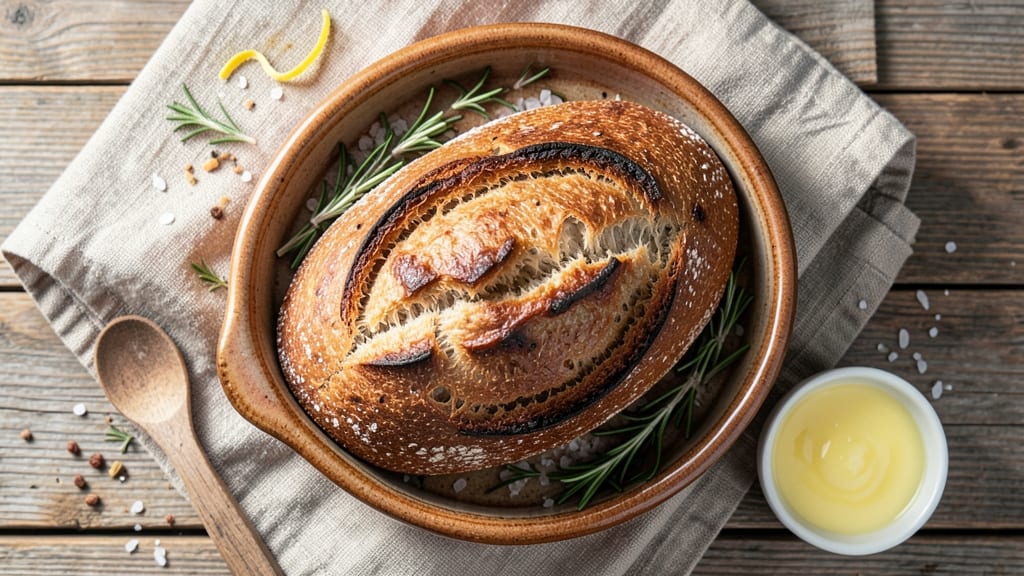
A 1 lb loaf bread recipe that delivers artisanal texture and golden crust without the complexity is exactly what you need for weeknight dinners or homemade sandwiches. This Dutch oven method creates a crisp exterior with a tender crumb, all while locking in moisture using a simple foil trick.
The result is a loaf so perfect, it’ll make store-bought seem like a compromise.
The secret lies in precise technique: a foil-sealed juice lock that prevents drying while baking, combined with high heat in the Dutch oven for that coveted oven-spring. Whether you're making sandwich bread or a simple dinner roll, this method ensures consistent results every time.
No special equipment beyond a Dutch oven and a kitchen scale—just patience and attention to detail.
What you’ll end up with is a crispy, well-browned crust that gives way to a soft, airy interior with just the right chew. The foil seal keeps the loaf moist, while the Dutch oven’s even heat distribution prevents hot spots.
This isn’t just bread—it’s a foolproof method that transforms basic ingredients into something restaurant-worthy.
Perfect for meal prep, gifting, or everyday use, this recipe scales easily and delivers restaurant-quality results at home. Let’s get started—your kitchen will smell like a bakery in no time.
Ingredients for 1 lb loaf bread
These 11 ingredients transform into a restaurant-worthy loaf with Dutch oven precision and foolproof foil technique.
| Ingredient | Amount | Notes |
|---|---|---|
| All-Purpose Flour 🌾 | 4 cups | Spooned and leveled for accuracy |
| Active Dry Yeast 🍞 | ¼ oz | Or 2 1/4 tsp, fresh if available |
| Granulated Sugar 🍚 | ½ tbsp | For yeast activation |
| Unsalted Butter 🧈 | ½ cup | Cold, cubed for even distribution |
| Warm Water 💧 | 1 ¼ cups | 110°F for optimal yeast activation |
| Salt 🧂 | 1 ½ tsp | Diamond Crystal preferred |
| Honey 🍯 | 1 tbsp | For dough elasticity |
| Large Egg 🥚 | 1 whole | Room temperature |
| Cornmeal 🌽 | ¼ cup | For dusting Dutch oven |
| Heavy Cream 🥛 | 2 tbsp | For brushing crust |
| Coarse Sea Salt 🧂 | 1 tsp | For final crust sprinkle |
The flour is non-negotiable here—King Arthur or Gold Medal are my go-tos for consistent results. Yeast quality matters too; Saf-Instant or Red Star from the bulk section at Whole Foods stays potent longer. For butter, Plugrá or Land O'Lakes work best—avoid salted. The Dutch oven? Any 5-quart size will do, but Lodge or Le Creuset distribute heat evenly. Pro tip: Chill your dough for 30 minutes before shaping to prevent over-handling.
No Dutch oven? A heavy oven-safe pot with a lid works in a pinch. Substituting honey? Maple syrup at equal measure adds depth. Egg-free? 1 tbsp ground flaxseed + 3 tbsp water replaces the egg. For a lighter crumb, replace 1 cup flour with cake flour. The cornmeal isn't just for dusting—it adds subtle sweetness. And that heavy cream? Half-and-half works too, but full-fat gives the best crust shine. Prefer a denser loaf? Add 1 tbsp vital wheat gluten to the flour.
Dough keeps 3 days in the fridge wrapped tightly—let it warm to room temp before shaping. For longer storage, freeze shaped dough for up to 3 months (thaw overnight in the fridge). The baked loaf? 3 days at room temp in a bread bag, or 1 week in the fridge. Slice and toast straight from the freezer for 2 months. Pro move: Brush warm loaves with extra cream and sprinkle with flaky salt—instant bakery vibes.
Why You'll Love This Recipe
- No-Measurement Math: I swear by this ratio—just dump the flour, melt the butter right into the water, and let the yeast do its thing. No scales, no guesswork, just boom, perfect loaf every time. (Yes, even when I’m distracted by a screaming toddler.)
- Buttery Crust, Soft Core: That single stick of butter mixed into the dough? Oh, it’s a game-changer. The crust gets this golden, slightly crisp edge while the inside stays pillowy—like a hug from a bakery, but with half the effort.
- Weeknight Workhorse: This loaf is my go-to for sandwiches, toast, or even French toast. Make a double batch on Sunday, and you’ve got breakfast, lunch, or dinner covered—no last-minute store runs when the kids demand grilled cheese at 6 PM.
- Pantry Staple Magic: Five ingredients, all of which you already own. No weird substitutions, no hunting for specialty flours. It’s the kind of recipe that turns a sad Tuesday into a “wait, I made this?” moment—without breaking the bank.
Step-by-step instructions for Dutch oven crisp bread
Master the art of steam-infused baking for a loaf with crackling crust and tender crumb.
Activate the Yeast with Warm Water and Sugar
In a small bowl, combine the 1.25 cups warm water (110°F) with the 0.5 tbsp granulated sugar. Sprinkle the 0.25 oz active dry yeast over the surface and let sit for 5-10 minutes until foamy. You'll see bubbles form and the mixture expand—this confirms your yeast is alive and ready to work.
I always test the water temperature first with my finger—it should feel warm but not hot. If the yeast doesn't activate, your bread will be dense. Once properly activated, proceed immediately with the dough preparation while keeping the mixture at room temperature.
Mix Dough Until Windowpane Test Passes
In a large mixing bowl, whisk together the 4 cups all-purpose flour and 1.5 tsp salt. Add the yeast mixture, 1 tbsp honey, and 1 whole large egg (room temperature). Mix until combined, then gradually add the 0.5 cup cold unsalted butter, cubed, working it into the dough until fully incorporated.
Turn the dough onto a lightly floured surface and knead for 8-10 minutes until smooth and elastic. To test readiness, perform the windowpane test: stretch a small piece of dough thin enough to see light through it without tearing. This ensures proper gluten development for that signature chewy texture we're after.
First Rise and Shape for Optimal Crumb
Place the dough in a lightly greased bowl, cover with a damp towel, and let rise in a warm place for 1-1.5 hours or until doubled in size. The dough should spring back slowly when poked with a finger—this indicates proper fermentation.
Punch down the dough to release air, then shape it into a 1-pound loaf by rolling it tightly from the center outward. For extra flavor, I like to fold in a few extra tablespoons of cold butter at this stage. Place the shaped loaf seam-side down in a bowl and let it rest for 15 minutes before final shaping.
Preheat Dutch Oven and Prepare Crust
Preheat your oven to 450°F with the Dutch oven inside for 30 minutes. While it heats, brush the loaf with 2 tbsp heavy cream and sprinkle generously with 1 tsp coarse sea salt. This creates that signature golden crust and adds flavor depth.
Carefully transfer the loaf to the hot Dutch oven using a baking sheet. The steam from the preheated pot creates the perfect environment for that crackling crust. Immediately cover with foil and bake for 20 minutes. This foil-sealed stage locks in moisture and prevents over-browning.
Bake to Golden Perfection and Rest
Remove the foil and continue baking for an additional 15-20 minutes until the crust is deep golden brown and sounds hollow when tapped on the bottom. The internal temperature should reach 190°F at the center.
Transfer the loaf to a wire rack and let cool for at least 1 hour before slicing. This resting period allows the crumb to set properly, preventing a gummy texture. The bread will continue to develop flavor during this time, resulting in that perfect balance of crisp crust and tender interior we've worked so hard to achieve.
Pro Tips For Making 1 Lb Loaf Bread
- Test Yeast First: Mix 1 teaspoon yeast with ¼ cup warm water and ½ teaspoon sugar—wait 5-10 minutes for bubbles before adding to dough. I learned this the hard way after baking a dense, flat loaf because my "fresh" yeast was actually expired.
- Soften Butter Properly: Use the "finger press" test—if butter leaves a slight indent when pressed, it’s ready. Too soft? Chill 10 minutes. Too hard? Let it sit at room temp for 15. This keeps your dough from getting gummy or crumbly.
- Shape Tightly, Rest Long: Roll the dough into a log with the seam side down, then pinch the ends to seal tightly. Let it rise in a warm spot for at least 1 hour (yes, even if it looks done sooner)—this makes the crumb uniform and the texture light.
- Steam the Pan: Place a metal tray with ½ cup boiling water in the oven, then slide it out when you bake. The steam for the first 10 minutes guarantees a crisp crust without burning. I skip this all the time, but the difference is noticeable.
Best sauces and condiments for these flavors
Buttery Garlic Spread
This rich, spreadable topping transforms your loaf into a sandwich masterpiece. Melt 4 tbsp unsalted butter with 3 minced garlic cloves and 1 tbsp heavy cream in a small saucepan over low heat for 3 minutes.
Stir in 1 tsp lemon juice and ½ tsp salt, then let cool slightly before spreading on warm slices. The garlic infuses beautifully into the bread's crust, creating a flavor bridge that elevates every bite. 🧈
Honey-Lavender Glaze
For a sweet and floral touch, combine ¼ cup honey with 1 tbsp water and ½ tsp dried culinary lavender in a small saucepan. Simmer for 5 minutes, then strain out the lavender.
Brush this glaze on warm slices or drizzle over the loaf before serving. The floral notes complement the bread's natural sweetness while adding an elegant finish. Perfect for breakfast or dessert-style sandwiches.
Herbed Olive Oil
Infuse ½ cup extra-virgin olive oil with 2 tbsp fresh rosemary, 1 tbsp fresh thyme, and 3 garlic cloves (smashed) in a jar. Let sit for at least 1 hour> or overnight for maximum flavor.
Drizzle over toasted slices or use as a dip for crusty pieces. This Mediterranean-inspired topping adds depth without overpowering the bread's natural taste.
Spicy Harissa Aioli
Blend ½ cup mayonnaise, 1 tbsp harissa paste, 1 tsp lemon juice, and ½ tsp smoked paprika> until smooth. Thin with 1 tsp water> if needed. Spread on warm bread slices and top with grilled chicken or roasted vegetables.
The harissa brings heat and complexity that pairs beautifully with the bread's crisp crust. For extra richness, add 1 tbsp sour cream to the mix.
Sweetened Whipped Butter
Whip ½ cup softened unsalted butter with 2 tbsp powdered sugar> and 1 tsp vanilla extract> until light and fluffy. Spread on warm bread slices for a sweet, creamy contrast to savory toppings.
This is my go-to for French toast sandwiches or breakfast pastries. The sugar caramelizes slightly when toasted, adding a subtle crunch to the soft butter.
Balsamic Reduction
Simmer ½ cup balsamic vinegar> in a small saucepan until reduced by half (10-15 minutes>). Let cool slightly, then drizzle over warm bread slices or use as a dip for crusty pieces.
The tangy sweetness cuts through the bread's richness, creating a perfect balance. For extra depth, add 1 tsp black pepper**> to the reduction before simmering. This works beautifully with prosciutto or fresh mozzarella pairings.
Nutrition facts
Frequently asked questions
Can I use this recipe for sandwich bread or dinner rolls?
This recipe is designed specifically for a 1-pound loaf, perfect for sandwiches. For dinner rolls, divide the dough into 8 equal pieces (about 3.5 oz each) and shape them into balls. Bake at 375°F for 15-18 minutes until golden. The same dough works for both!
Why does the recipe call for a Dutch oven?
The Dutch oven creates the ideal baking environment by trapping steam, which gives your loaf that signature crispy crust and tender crumb. The heavy material also distributes heat evenly, preventing hot spots. If you don't have one, use a heavy oven-safe pot with a lid or line a baking sheet with foil.
What if my dough doesn't rise properly?
Check your yeast first—it should be fresh (test by mixing with warm water and sugar; it should foam in 5-10 minutes). If the dough isn't rising, your kitchen may be too cold. Place the bowl on top of your turned-off oven with the light on or use a proofing box. Also, ensure your water is 110°F (not hotter).
How do I know when the bread is fully baked?
Look for a deep golden brown crust and listen for a hollow sound when you tap the bottom. The internal temperature should reach 190°F. If unsure, slice the loaf—it should be fully set with no raw dough. Overbaking can dry it out, so pull it out when it's just slightly underdone for a softer texture.
Can I make this bread without a kitchen scale?
Yes! Use measuring cups for dry ingredients (like flour) and spoons for yeast/salt. For the 1-pound loaf, aim for about 4 cups flour (spooned and leveled). The butter and liquids can be measured with standard spoons. Just remember, slight variations in flour weight can affect texture—adjust as needed for your preferred consistency.