
Side Dishes
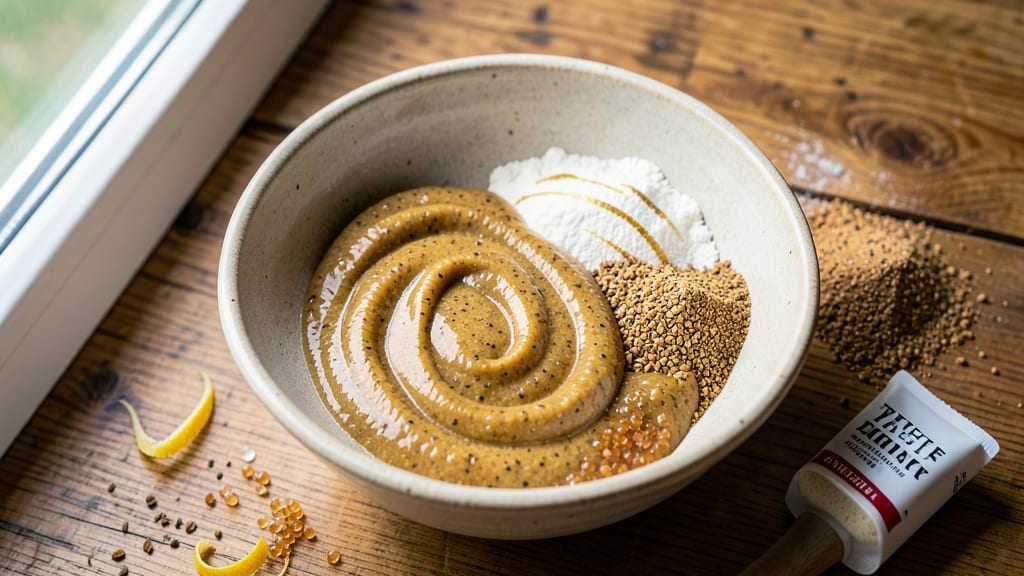
Transforming your bread recipe by adding flaxseed meal isn't just about plant-based binding—it's about creating a nutty, protein-rich loaf that rivals traditional bread while packing omega-3s and fiber. The magic happens when flaxseed meal replaces eggs, adding moisture retention and a subtle earthy richness that enhances any dough.
I've perfected this method over years of baking, ensuring your bread stays tender with a satisfying crunch from toasted flaxseeds.
What makes this recipe work is the 30-minute soak for the flaxseed meal, which activates its binding properties and prevents a gummy texture. The result? A loaf with golden crust and even crumb, where each slice delivers plant-powered nutrition without sacrificing flavor.
Whether you're making whole wheat, sourdough, or classic white bread, this technique adapts seamlessly while boosting protein by up to 50%.
By the time your bread emerges from the oven, you'll have a loaf that's naturally sweetened by flax's nuttiness, with a texture that's both hearty and light. The flaxseed meal binds the dough perfectly, eliminating the need for commercial binders while adding that signature crunch.
This is the kind of bread that keeps well for days and makes every sandwich or toast feel like a health upgrade.
The beauty of this method extends beyond nutrition—it's versatile enough for any bread recipe you love. Try adding seeds to the mix for extra texture, or use the leftover flax "eggs" in muffins and pancakes. The possibilities are endless, and your bread will never be the same.
Ingredients for adding flaxseed meal to bread
Fourteen ingredients transform ordinary bread into a protein-packed, nutty masterpiece with flaxseed magic.
| Ingredient | Amount | Notes |
|---|---|---|
| Flaxseed Meal 🌾 | ½ cup | Ground flaxseeds, unsifted |
| Water 💧 | ¾ cup | Room temperature preferred |
| All-Purpose Flour 🌾 | 3 cups | White or whole wheat |
| Whole Wheat Flour 🌾 | 1 ½ cups | For added fiber and texture |
| Active Dry Yeast 🍞 | 2 ¼ tsp | Instant yeast works too |
| Granulated Sugar 🍚 | 1 tbsp | Or maple syrup for vegan option |
| Salt 🧂 | 1 ½ tsp | Diamond Crystal preferred |
| Extra-Virgin Olive Oil 🫒 | ¼ cup | For moisture and richness |
| Whole Flaxseeds 🌾 | ¼ cup | Toasted for extra crunch |
| Warm Water 💧 | ¾ cup | 110°F for yeast activation |
| Apple Cider Vinegar 🍎 | 1 tsp | Enhances flavor and texture |
Flaxseed meal is the star here—Bob's Red Mill or Barlean's are my go-tos for the highest quality. Look for a fine, golden grind with no lumps. The whole flaxseeds? Trader Joe's sells them pre-toasted, which saves time and adds that perfect crunch. For the yeast, Saf-Instant is foolproof—no need to proof it first. The vinegar might seem odd, but it's what gives that subtle tang that makes the crumb so tender. If you're using whole wheat flour, King Arthur brand is my favorite—it's finely ground and doesn't weigh down the dough.
No flaxseed meal? Grind your own flaxseeds—just pulse them in a food processor until fine. Short on yeast? Double the amount of baking soda and skip the proofing, but the texture won't be quite the same. Using maple syrup instead of sugar? Reduce by 1 tbsp since it's sweeter. The olive oil can be swapped for avocado oil if you prefer, but stick with extra-virgin for that fruity depth. For a seed-free version, skip the whole flaxseeds or use sunflower seeds instead. And if you're baking at high altitude, reduce the yeast by 20%—it activates faster up there.
This dough is best baked within 24 hours of mixing, but you can refrigerate it for up to 3 days if you want to soak the flaxseed meal overnight. The loaf keeps well for 5-6 days at room temperature, wrapped in a clean kitchen towel. For longer storage, freeze slices in a bag—3 months is plenty. Pro tip: Toast the whole flaxseeds in a dry pan for 3-4 minutes before adding them to the dough for maximum crunch. And if you make extra flax 'eggs' (the soaked mixture), they freeze beautifully for future baking projects.
Why You'll Love This Recipe
- No-Fuss Mixer Magic: I swear by my stand mixer for this—just toss in the flaxseed meal, water, flours, and yeast, then let it do the work. No kneading, no stress, just smooth dough in minutes.
- Nutty Earthy Crunch: That flaxseed meal adds a subtle, toasty depth you won’t find in plain bread—like a whisper of walnut but richer. Honestly, it’s the secret that makes this bread feel premium without extra effort.
- Lunchbox Hero: Between us, this bread is my go-to for sandwiches all week. The whole wheat holds up to thick fillings, and the flaxseed keeps it from getting soggy—perfect for packed lunches or after-school snacks.
- Pantry Stash Win: A single batch lasts me days, and the flaxseed meal stretches my grocery budget. I keep it in the freezer too—just thaw and toast when I need a fresh loaf. Budget-friendly? Absolutely. Reliable? Even more so.
Step-by-step instructions for nutty flaxseed-enriched bread
This method transforms ordinary bread into a protein-packed, nutty masterpiece with minimal effort.
Create the Flaxseed "Egg" Substitute
In a small bowl, whisk together the 0.5 cup flaxseed meal and 0.75 cup water. Let it sit for 10 minutes—this creates a gel-like consistency that mimics eggs, binding the dough just like traditional recipes. You'll see it thicken noticeably, which is perfect for our bread structure. The flaxseed meal adds omega-3s while the water activates the gelling properties.
I like to use a whisk for this step to ensure no clumps remain. If you notice any dry spots after 10 minutes, stir again until fully integrated. This substitution works particularly well in bread because the dense structure can handle the slightly denser texture flaxseed adds.
Prepare the Yeast Mixture
In a separate bowl, combine the 2.25 teaspoons active dry yeast, 1 tablespoon granulated sugar, and 0.75 cup warm water (about 110°F). Let it sit for 5-10 minutes until frothy—this indicates the yeast is active and ready to work. The sugar here isn't just for flavor; it's fuel for the yeast to activate properly.
I always check the water temperature first—too hot and you'll kill the yeast; too cold and it won't activate. The froth should look like a bubbly beer head. If nothing happens after 10 minutes, your yeast might be old. This is your chance to troubleshoot before committing to the full recipe.
Mix the Wet Ingredients
In a large mixing bowl, combine the flaxseed gel, yeast mixture, 0.25 cup extra-virgin olive oil, and 1 teaspoon apple cider vinegar. The vinegar adds a subtle tang that enhances the nutty flavor of the flaxseed while improving the bread's shelf life. Mix these ingredients until fully combined—you should see a smooth, slightly thick liquid.
Here's where the magic happens: the olive oil provides moisture and richness that prevents the whole wheat flour from making the bread too dense. The vinegar also helps develop gluten, giving us that perfect bread texture. Don't skip this step—it's what makes the difference between a heavy loaf and one with perfect crumb.
Combine Dry Ingredients
In a separate bowl, whisk together the 3 cups all-purpose flour, 1.5 cups whole wheat flour, and 1.5 teaspoons salt. The whole wheat flour adds fiber and a heartier texture, while the all-purpose keeps the structure light. Sift if you have any lumps, but don't worry if you don't—this bread is forgiving.
Gradually add the dry ingredients to the wet mixture, stirring with a wooden spoon until a shaggy dough forms. I like to use a dough whisk for this part—it helps incorporate air while preventing overmixing. You'll notice the dough becomes sticky, which is normal with flaxseed and whole wheat flour. This is where that flaxseed gel really earns its keep as a binder.
Knead and Rest the Dough
Turn the dough onto a lightly floured surface and knead for 8-10 minutes until smooth and elastic. The flaxseed adds density, so don't expect the same light feel as regular bread dough. Place the dough in a lightly oiled bowl, cover with a damp towel, and let it rise in a warm place for 1-2 hours or until doubled in size.
Here's the thing about flaxseed bread—it rises slower than traditional bread. The flaxseed absorbs moisture differently, which affects fermentation. Don't rush this step. When it's ready, you'll see it puff up noticeably and feel springy when pressed gently. Punch it down once before shaping to release any large air bubbles.
Shape and Bake
Preheat your oven to 375°F and shape the dough into a loaf or rolls. For extra crunch, sprinkle 0.25 cup whole flaxseeds on top before baking. Place the loaf in a greased loaf pan or on a baking sheet. Bake for 35-40 minutes until the internal temperature reaches 190°F and the top sounds hollow when tapped.
The flaxseeds on top will give you beautiful golden-brown spots and add that satisfying crunch. If your oven runs hot, check at the 30-minute mark—this bread can go from perfect to overdone quickly. The nutty aroma should fill your kitchen as it bakes, signaling you're on the right track. Let it cool for 10 minutes before slicing to preserve that moist interior.
Pro Tips For Making Adding Flaxseed Meal To Bread
- Mix Flaxseed First: Combine the flaxseed meal with water before adding it to the flour—it thickens into a gel-like paste that binds better. I learned this the hard way when my first batch turned out dense; the yeast couldn’t incorporate the dry meal properly.
- Measure Yeast Precisely: Use a kitchen scale for the yeast—1 teaspoon isn’t always 3 grams, and too much makes the bread rise too fast and collapse. Whole wheat flour absorbs moisture differently, so don’t eyeball it.
- Knead Less, Rest More: Flaxseed meal adds grittiness, so over-kneading turns bread into a tough brick. Mix just until combined, then let it rest 10 minutes before shaping—patience keeps the texture tender.
- Hydrate the Whole Wheat: Whole wheat flour soaks up water like a sponge. Add 1-2 extra tablespoons of water if the dough feels dry after mixing—flaxseed meal doesn’t help here, and dry dough won’t rise right.
Pro cooking tips for this dish
Flaxseed Gel Timing
The 10-minute soak for your flaxseed gel is non-negotiable—this is when the magic happens. The longer you wait, the more gel-like it becomes, mimicking eggs perfectly. I’ve found that 15 minutes max is ideal; beyond that, it can turn gummy.
Use a timer so you don’t forget, especially if you’re multitasking. The gel should look thick and glossy, like a well-beaten egg white. If it’s still watery after 15 minutes, add 1 teaspoon more flaxseed meal and stir. 🌾
Dough Consistency Tricks
Flaxseed dough is stickier than traditional bread dough, but that’s a good thing—it means your loaf will be moist. If the dough feels too wet, add 1 tablespoon more flour at a time until it’s manageable.
For extra insurance, I like to wet my hands slightly before handling the dough; this prevents sticking. The dough should pull away from the bowl sides cleanly but still feel tacky. If it’s too stiff, let it rest 10 minutes uncovered to relax.
This is especially important with whole wheat flour, which absorbs moisture differently. ✨
Yeast Activation Check
Your yeast should be frothy and bubbly within 5-10 minutes—if not, your bread might not rise properly. I’ve ruined more loaves than I’d like to admit by skipping this check. If the yeast isn’t active, try 1 teaspoon more sugar or replace it entirely.
For best results, use yeast no older than 4 months. Pro tip: Store your yeast in the freezer for up to 6 months to preserve freshness. The froth should look like a cappuccino’s foam—light and airy. If it’s sluggish, your bread will be dense. 🍞
Baking Temperature Tips
Bake this bread at 375°F for the perfect balance of crust and crumb. If your oven runs hot, reduce the temperature to 350°F and add 5-10 minutes to the bake time. I test doneness by tapping the bottom—the sound should be hollow, not dull.
For an even better crust, place a pan of water on the lower rack 5 minutes before baking. This creates steam, keeping the loaf moist. Avoid opening the oven door during baking, or the temperature will drop and your bread may collapse. 🔥
Crunchy Top Secrets
For that perfect crunchy top, sprinkle whole flaxseeds before baking and toast them in a dry pan for 3-4 minutes first. The seeds should smell nutty and fragrant—this ensures maximum crunch. If you’re baking in a loaf pan, grease it lightly with olive oil to prevent sticking.
For a rustic look, bake on a baking sheet lined with parchment paper. The seeds will turn golden and add a satisfying texture contrast. Don’t skip this step—it’s what makes this bread feel special. 💫
Storage and Reheating
This bread stays fresh for 5-6 days at room temperature, wrapped in a clean kitchen towel. For longer storage, freeze slices in a bag for up to 3 months.
To reheat, wrap a slice in foil and warm in a 350°F oven for 5 minutes or use the microwave for 10 seconds. The flaxseed keeps the bread moist even after reheating. If your bread dries out, sprinkle it with water and toast for 2-3 minutes to revive it.
This is one of the best breads for meal prep—it’s hearty and holds up well. ❄️
Nutrition facts
Frequently asked questions
Can I substitute flaxseed meal for eggs in any bread recipe?
Flaxseed meal works best in dense, moist breads like whole wheat or rye where the texture won't be compromised. For delicate breads like brioche or angel food cake, it may make the texture too heavy. The 1:3 ratio (1 tbsp flaxseed meal to 3 tbsp water per egg) works well for most breads, but test with 1-2 flax "eggs" first to check consistency.
Why does my flaxseed bread taste bitter?
Over-toasted flaxseeds or using too much whole flaxseed meal can create bitterness. Toast seeds for only 3-4 minutes until fragrant, and stick to ½ cup flaxseed meal for this recipe. For extra flavor, add 1 tsp cinnamon or vanilla extract to balance the nuttiness. If bitterness persists, reduce the flaxseed meal by 1 tbsp next time.
How much protein does flaxseed bread add compared to regular bread?
This flaxseed-enriched bread contains about 10-12g protein per slice (vs. 3-4g in regular bread), thanks to the flaxseed meal. The whole wheat flour adds another 4-5g per slice, making it nearly 3x more protein-rich than standard white bread. The flaxseed also provides 2.5g omega-3s per serving, which is rare in baked goods.
Can I make this bread without yeast?
Yes! Replace the yeast with 2 tsp baking soda and 1 tbsp vinegar, then bake immediately at 375°F for 25-30 minutes. The texture will be denser (like quick bread), but still moist and flavorful. For extra rise, add 1 tsp cream of tartar to the baking soda. This works well for sandwich bread if you prefer a quicker method.
Will flaxseed bread stay fresh longer than regular bread?
The flaxseed meal acts as a natural preservative, keeping bread fresh for 5-7 days at room temperature (vs. 3-4 days for regular bread). For even longer storage, freeze the loaf for up to 3 months. The flaxseed's moisture-retaining properties prevent staling, making this ideal for meal prep. Wrap tightly in foil or a bread bag to maintain freshness.