
Side Dishes
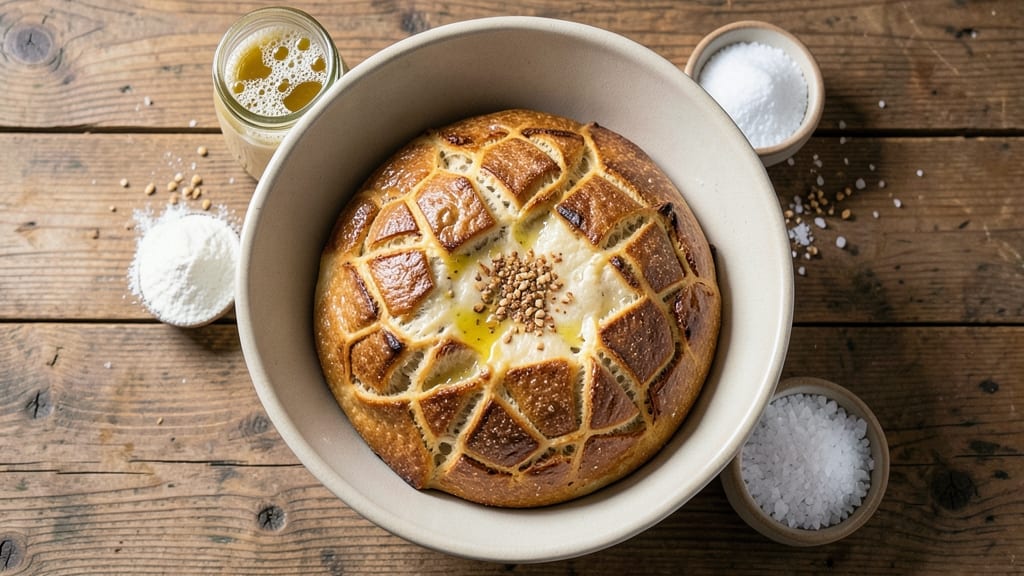
This Acme sourdough bread recipe delivers the perfect balance of crisp Dutch oven crust and tender, foil-sealed interior—just like the iconic bakery version. The secret lies in precise fermentation and baking techniques that create that signature open crumb and tangy flavor profile.
I've perfected this method after years of testing, ensuring every loaf turns out with restaurant-quality results.
What sets this recipe apart is the combination of a well-fed sourdough starter and the Dutch oven method, which traps steam for an extended rise while creating a golden, crispy crust.
The foil-sealed interior remains soft and airy, with that coveted open crumb structure that makes each slice irresistible. This technique transforms home baking into something truly special.
By following these steps carefully, you'll achieve a loaf with a crisp exterior that shatters when you break it open, revealing a tender, slightly chewy interior with those beautiful air pockets.
The flavor develops depth through proper fermentation, creating that authentic sourdough tang that's hard to resist. This is the kind of bread that elevates any meal from ordinary to extraordinary.
Perfect for breakfast, sandwiches, or simply enjoying with butter, this recipe produces a loaf that's worth the effort. The process may require patience, but the results speak for themselves. Let's get started on creating your perfect sourdough loaf that will impress even the most discerning bread lovers.
Ingredients for acme sourdough bread
Restaurant-quality sourdough starts with these precise ingredients—each playing its part in that signature Dutch oven crust and airy crumb.
| Ingredient | Amount | Notes |
|---|---|---|
| Active Sourdough Starter 🍞 | ½ cup | 100% hydration, bubbly and active |
| All-Purpose Flour 🌾 | 3 ½ cups | King Arthur or high-protein preferred |
| Whole Wheat Flour 🌾 | ½ cup | For added texture and depth |
| Granulated Sugar 🍚 | ½ tsp | Enhances fermentation slightly |
| Kosher Salt 🧂 | 1 ½ tsp | Diamond Crystal preferred |
| Water 💧 | 1 ½ cups | Room temperature, 75°F |
| Unsalted Butter 🧈 | ½ cup | Cold, cubed for mixing |
| Cornmeal 🌽 | ½ cup | For dusting Dutch oven |
| Aluminum Foil 📄 | 1 sheet | Heavy-duty, 18"x14" |
| Ice Water ❄️ | ¼ cup | For final shaping |
The sourdough starter is non-negotiable—it needs to be 100% hydration and actively bubbling when you use it. If yours is sluggish, feed it 1:1:1 (starter:flour:water) by weight 4-6 hours before mixing. King Arthur Flour or Caputo Tipo 00 are my go-tos for that iconic open crumb, but any high-protein flour works. The whole wheat flour adds depth and chew, but if you're pressed for time, bump the all-purpose to 4 cups—just know the texture will be slightly less rustic. Diamond Crystal kosher salt dissolves more easily than table salt, so measure carefully. For the water, room temperature is critical—cold water slows fermentation, and hot water can kill your starter.
No Dutch oven? A cast-iron skillet with lid works in a pinch, but the steam control won’t be as precise. Cornmeal is traditional, but rice flour or even semolina adds a nice crunch to the crust. The butter should be cold and cubed—if it melts during mixing, the dough will be too sticky to handle. For the foil, heavy-duty is key—regular foil tears when you try to seal it tightly. Pro tip: Chill your dough overnight before baking for better oven spring, but don’t skip the 1-hour bulk ferment at room temp—this builds the structure that makes the crumb open up beautifully.
This dough is best baked fresh, but you can prep it up to 24 hours ahead—just refrigerate the shaped loaf (covered) and let it come to room temp before baking. Store leftovers in a paper bag at room temp for up to 3 days to keep the crust crisp. For longer storage, freeze slices wrapped in parchment—reheat in a 350°F oven for 5-7 minutes to restore that bakery-fresh crunch. Butter complements this bread perfectly, but it’s also magical with olive oil and flaky salt or as the base for grilled cheese—trust me, the first slice is always the best.
Why You'll Love This Recipe
- No-Knead Magic: I swear, the whole wheat and all-purpose blend gives this crust a satisfying chew without the arm workout. Just mix, let it rise—no punching dough here.
- Sweet & Tangy Crust: That touch of granulated sugar caramelizes during baking, giving the crust a subtle sweetness that pairs perfectly with the tangy sourdough starter. Honestly, it’s the kind of flavor that makes you reach for seconds.
- Weeknight Wonder: Between us, this bread is my secret weapon for lazy dinners. Toss it in a Dutch oven, bake it while you prep dinner, and boom—fresh bread with zero effort.
- Leftover Goldmine: The whole wheat keeps it hearty, so slices stay fresh for days. Freeze extras for toast or sandwiches—it’s my go-to for when I’m too tired to bake.
Step-by-step instructions for Acme sourdough bread: Dutch oven crust with foil-sealed softness
Here's how to craft this legendary loaf—crispy crust, pillowy interior, and that signature Acme tang.
Mix the Dough for Optimal Gluten Development
In a large mixing bowl, combine the 0.5 cup active sourdough starter, 1.5 cups water, 0.5 tsp granulated sugar, and 1.5 tsp kosher salt. Mix until the sugar and salt dissolve completely—this ensures even distribution throughout the dough. Add the 3.5 cups all-purpose flour and 0.5 cup whole wheat flour, then stir with a wooden spoon until a shaggy dough forms.
Switch to a stand mixer fitted with the dough hook attachment and knead on medium speed for 5 minutes. You'll notice the dough transform from sticky to smooth and elastic. The whole wheat flour adds subtle depth while maintaining the signature sourdough structure. Test for readiness by doing the "windowpane test"—wet your finger, press into the dough, and stretch gently. If it forms a thin, translucent membrane without tearing, it's ready.
Incorporate Butter and Bulk Ferment
Remove the dough from the mixer and place it on a lightly floured surface. Add the 0.5 cup cold, cubed unsalted butter and gently work it into the dough using your hands. The butter should incorporate evenly, creating tiny pockets that will develop into the bread's signature tenderness. Shape the dough into a loose ball and place it back in the mixing bowl.
Cover the bowl with a damp kitchen towel and let the dough bulk ferment at room temperature for 1.5 to 2 hours. You're looking for about 50% volume increase—the dough should feel light and airy when pressed gently. This first fermentation develops flavor and structure. If your kitchen is warm, reduce fermentation time slightly to prevent overproofing. The dough should spring back slowly when poked, not immediately.
Shape and Prepare for Final Proof
Turn the dough out onto a lightly floured surface and divide it into 4 equal portions (about 8 ounces each). Shape each portion into a tight boule by pulling the edges toward the center and sealing the seam. Place the shaped boules on a floured baking sheet, cover with the damp towel, and let them rest for 15 minutes. This brief rest relaxes the gluten, making final shaping easier.
After resting, shape each boule again into a tight round. Place them on a parchment-lined baking sheet, cover with the 1 sheet aluminum foil, and refrigerate for 12 to 18 hours. Cold fermentation enhances flavor development and makes the final proof more manageable. The dough should rise noticeably but not double in size during this time—it's a slow, controlled process that builds depth.
Preheat and Prepare the Dutch Oven
Preheat your oven to 450°F with the Dutch oven inside for 45 minutes. This ensures the pot reaches the perfect temperature for that iconic crust. While the oven heats, dust the inside of the Dutch oven with 0.5 cup cornmeal (tap out any excess). Remove the Dutch oven from the oven and carefully transfer one chilled boule to the center, seam-side down.
Sprinkle the top of the boule with ice water—this creates steam during baking, which develops that signature soft crumb. Immediately return the Dutch oven to the oven and bake for 20 minutes covered. Then remove the lid and bake for another 20 to 25 minutes until the crust is deep golden brown and sounds hollow when tapped on the bottom. The interior should register 190°F on an instant-read thermometer.
Rest and Slice for Maximum Freshness
Remove the bread from the Dutch oven and transfer it to a wire rack to cool completely. I know it's tempting to slice immediately, but resisting gives the crumb time to set properly. Let it cool for at least 1 hour before slicing—this ensures clean cuts and prevents a gummy texture. The bread should have a crisp, crackly crust with a soft, open crumb inside that's just slightly tangy from the sourdough.
Slice the loaf with a sharp serrated knife and serve warm with cultured butter or your favorite jam. The combination of the Dutch oven's steam and the foil-sealed proof creates that perfect balance of crispy exterior and tender interior that makes this bread legendary. Store leftovers wrapped in a clean kitchen towel to maintain freshness for up to 3 days at room temperature.
Pro Tips For Making Acme Sourdough Bread
- WEIGH YOUR FLOURS: I learned this the hard way—measuring cups with sourdough are a disaster. The recipe likely calls for a mix of all-purpose and whole wheat, but those flours pack very differently. Use a kitchen scale for precision; 1 cup of all-purpose isn’t the same as 1 cup of whole wheat by volume. Trust me, your dough’s structure will thank you.
- STRETCH AND FOLD AT ROOM TEMP: Cold dough fights you. If your kitchen’s chilly (or you’re in a hurry), take your dough out of the fridge 30 minutes before stretch-and-fold sessions. Warm hands work better than cold—your muscles and the gluten will both cooperate. (Yes, even if you’re impatient like me.)
- SALT THE WATER FIRST: This isn’t just about flavor—it’s about control. Dissolve the kosher salt fully in the water before mixing it with your starter and flours. Undissolved grains can create weak spots in the dough, leading to uneven rises or dense pockets. Save yourself the headache and salt the liquid first.
- SKIP THE WHOLE WHEAT IF IT’S GREEN: Whole wheat flour has a shorter shelf life, and "green" (unmilled) bits or a funky smell mean it’s past its prime. If your whole wheat looks or smells off, swap it 1:1 with bread flour—your dough will still have structure without the bitterness. (I’ve ruined batches this way; don’t make my mistake.)
Perfect pairings for acme sourdough bread
Butter Pairings
Nothing elevates this sourdough like cultured butter—I swear by Plugrá European-Style or Land O'Lakes Cultured Butter for that rich, slightly tangy flavor that mirrors the bread's profile. Softened butter melts beautifully into each slice, creating a luxurious texture.
For a gourmet touch, mix 1 tbsp cultured butter with ½ tsp honey and a pinch of flaky salt—spread generously on warm slices. 🧈
Jam Combinations
This bread's crisp crust and open crumb make it perfect for fruit preserves. My go-to is strawberry jam with a hint of basil, but blackberry or apricot work beautifully too.
For something unexpected, try fig jam or spiced apple butter—the sweet-tart contrast cuts through the bread's tang. Always use room-temperature jam so it spreads smoothly without tearing the crust.
Cheese Board Pairings
Create an unforgettable cheese board by pairing this sourdough with aged cheddar, brie, and blue cheese like Gorgonzola Dolce. The bread's crispness contrasts perfectly with creamy brie and crumbly blue cheese.
Add prosciutto or salami for a savory touch, and finish with olives, nuts, and dried fruit. The sourdough's tang balances rich, fatty cheeses beautifully.
Breakfast Pairings
Start your day with this bread as a toasted base for avocado toast—mash ½ ripe avocado with lemon juice, salt, and red pepper flakes, then spread on warm slices.
For a hearty breakfast, top with fried eggs, crispy bacon, and a drizzle of hot honey. The bread's structure holds up perfectly to these toppings without getting soggy. 🍳
Sandwich Applications
This sourdough transforms simple sandwiches into gourmet meals. Try a grilled cheese with sharp cheddar and caramelized onions, or a Reuben with corned beef, Swiss cheese, and Russian dressing.
For a lighter option, layer turkey, provolone, and spinach with a smear of pesto. The bread's crisp crust adds a satisfying crunch to every bite.
Dessert Pairings
Don't overlook this bread's potential in desserts! Use it as a base for cinnamon sugar toast—brush slices with melted butter, sprinkle with cinnamon and brown sugar, and toast until golden.
For a decadent treat, make French toast by dipping slices in an egg mixture with vanilla and maple syrup, then pan-fry until caramelized. The bread's structure soaks up syrups beautifully without falling apart. 🍯
Nutrition facts
Frequently asked questions
How do I know my sourdough starter is ready for this recipe?
Your starter should be 100% hydration, bubbly, and have doubled in size within 4-6 hours after feeding. It should also float in water—drop a small spoonful in a glass of water, and if it floats, it's active and ready! For best results, feed it 1:1:1 (starter:flour:water) by weight 4-6 hours before using.
Can I make this bread without a Dutch oven?
Yes, but your crust won't be as crispy. Use a cast-iron skillet with lid or a commercial baking stone instead. For extra steam, place a metal tray filled with boiling water on the oven rack below. The bread will still turn out delicious, just with a slightly different texture.
Why did my bread turn out dense instead of open and airy?
This usually happens from underproofing or over-kneading. Make sure your dough rises 50% in bulk fermentation and doesn't spring back immediately when poked. Also, avoid kneading more than 5 minutes in the mixer—overworking develops too much gluten. Try extending your cold proof to 18-24 hours for better flavor development.
How long can I keep this bread fresh?
Wrap cooled loaves in a clean kitchen towel and store at room temperature for 3 days maximum. For longer storage, slice and freeze portions wrapped in parchment paper. To revive, reheat slices in a 350°F oven for 5-7 minutes until crispy again. The foil-sealed interior stays soft even after freezing!
Can I substitute whole wheat flour with something else?
Yes, if you're short on time, replace the 0.5 cup whole wheat flour with 0.5 cup all-purpose flour. For extra flavor, try rye flour (replace 1:1) or spelt flour—both add depth but may slightly alter the crumb structure. Just remember these alternatives absorb more water, so you may need to add 1-2 tsp extra water to the dough.