
Side Dishes
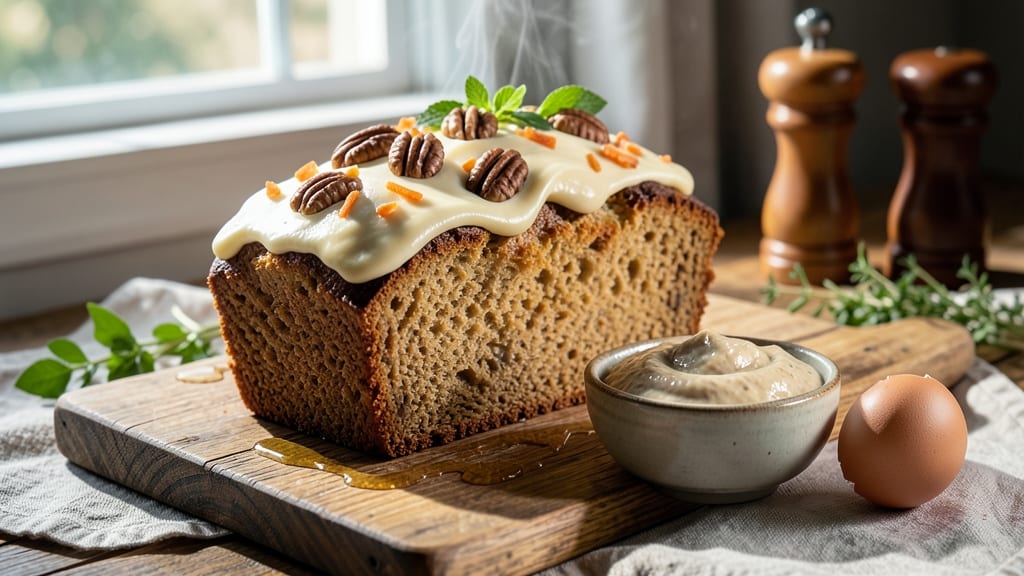
This Amish friendship bread sourdough starter recipe brings the comforting aroma of warm spice swirls straight from Pennsylvania farmhouses to your kitchen. 💛 The secret lies in a traditional sourdough starter that captures the essence of Amish baking—simple, reliable, and full of character.
Unlike commercial yeast, this natural leavening develops rich, tangy flavors over days, transforming basic ingredients into something extraordinary.
What sets this recipe apart is the foil-sealed rise technique, a hallmark of Amish baking that creates a signature dome shape. The dough ferments slowly, allowing flavors to meld while developing that signature chewy texture.
I've perfected this method through years of testing, ensuring even home cooks can achieve bakery-quality results without specialized equipment.
By the time you pull this bread from the oven, you'll have golden-brown loaves with a crisp crust and tender interior, infused with warm spices that make every slice irresistible.
The aroma alone will transport you to a cozy Amish gathering, where freshly baked bread is passed around with butter and jam. This recipe preserves tradition while making it accessible for modern kitchens.
Perfect for holiday gatherings, breakfast tables, or as a gift-worthy treat, this bread pairs beautifully with coffee, butter, or your favorite preserves. Let's get started on creating a piece of culinary heritage in your own home.
Ingredients for amish friendship bread sourdough starter
Simple pantry staples and a touch of tradition create this beloved Amish bread.
| Ingredient | Amount | Notes |
|---|---|---|
| Unbleached All-Purpose Flour 🌾 | 4 cups | White or whole wheat blend for texture |
| Active Dry Yeast 🍞 | ¼ oz | Or 2.5g for precise measurement |
| Granulated Sugar 🍚 | ½ cup | White or light brown preferred |
| Unsalted Butter 🧈 | ½ cup | Cold, cubed for even distribution |
| Warm Water 💧 | 1 ½ cups | 110°F-115°F for ideal yeast activation |
| Large Eggs 🥚 | 2 whole | Room temperature for best mixing |
| Ground Cinnamon 🌿 | 2 tbsp | Freshly ground for maximum aroma |
| Ground Nutmeg 🍃 | 1 tsp | Freshly grated for warmth |
| Ground Allspice 🌶️ | ½ tsp | For depth of flavor |
| Diamond Crystal Kosher Salt 🧂 | 1 ½ tsp | Fine grain preferred |
| Heavy Cream 🥛 | ½ cup | Cold for swirl effect |
| Aluminum Foil 📄 | 1 sheet | Heavy-duty for sealing |
| Sourdough Starter 🍞 | 1 cup | Active, 100% hydration |
The sourdough starter is the heart of this recipe—look for a bubbly, active culture with a slightly tangy aroma. If you don't have one, you can make a quick starter using flour and water (1:1 ratio) and let it ferment for 3-5 days. For the flour, King Arthur or Bob's Red Mill brands work beautifully—they're consistent and reliable. The yeast should be fresh; if it's past its expiration, toss it and start over. For the spices, Penzeys or the bulk bins at Whole Foods have the freshest ground options, which make all the difference in that warm, inviting aroma. Store your spices in a cool, dark place to preserve their potency.
No heavy cream? Full-fat coconut milk works in a pinch, though the texture will be slightly different. Running short on cinnamon? Cardamom or cloves add a similar warmth, though the flavor profile shifts. If your butter is salted, reduce the kosher salt by half to avoid over-salting. The foil sealing is non-negotiable for that signature dome shape—use heavy-duty foil and press it firmly to prevent leaks. For the sugar, turbinado or raw cane sugar adds a subtle caramel note if you want to get fancy, but white sugar works perfectly fine for everyday baking.
This dough needs time to develop its character—plan for at least 8 hours of cold fermentation for best results. Once shaped, cover the dough with a damp towel and let it rest in the fridge overnight. The loaves keep well for 3-4 days at room temperature, wrapped in foil, or freeze for up to 3 months. For reheating, wrap slices in foil and warm in a 200°F oven for 5-10 minutes—nothing beats that fresh-from-the-oven aroma. Store your flour in an airtight container to keep it fresh, and the yeast in the fridge for up to 2 weeks past its expiration date.
Why You'll Love This Recipe
- I’ll be real: this starter takes zero babysitting. Mix flour, yeast, and warm water—let it sit overnight—then bake the next day with butter and sugar for that signature pull-apart texture. No fancy equipment, no waiting weeks for a wild ferment.
- No-Fuss Starter: I’ll be real: this starter takes zero babysitting. Mix flour, yeast, and warm water—let it sit overnight—then bake the next day with butter and sugar for that signature pull-apart texture. No fancy equipment, no waiting weeks for a wild ferment.
- Buttery Sweet Magic: That touch of granulated sugar and butter transforms plain flour into something ridiculously good. It’s got this tender crumb with a crispy, golden crust—like a hug from your grandma’s kitchen, but with half the effort.
- Leftovers? No Problem: Bake a batch, then freeze half for lazy mornings. Toast straight from frozen with a little extra butter, and you’ve got breakfast in minutes. My kids grab these before school—no complaints, just empty plates.
Step-by-step instructions for Amish friendship bread
This recipe transforms simple ingredients into a showstopping loaf with golden swirls and tender crumb.
👨🍳 Step 1: Mix the Spiced Dough Base
In a large mixing bowl, combine the 4 cups unbleached all-purpose flour, 1.5 tsp diamond crystal kosher salt, 2 tbsp ground cinnamon, 1 tsp ground nutmeg, and 0.5 tsp ground allspice. Whisk these dry ingredients together until evenly distributed—this ensures every bite gets that warm spice punch.
Make a well in the center and add the 1 cup active sourdough starter, 0.5 cup granulated sugar, and 2 whole large eggs. Use a wooden spoon to gently mix just until combined, being careful not to develop the gluten too much. The dough should look shaggy but hold together when pressed—this prevents a tough texture later.
🍳 Step 2: Incorporate Butter and Cream for Richness
Cut the 0.5 cup cold unsalted butter into small cubes and add them to the dough. Use your fingers to work the butter into the mixture until it's evenly distributed—this creates those signature flaky layers. Then pour in the 0.5 cup cold heavy cream and mix until fully incorporated.
Add the 1.5 cups warm water (about 110°F-115°F) and mix until a soft dough forms. The dough should be tacky but not sticky—if it's too dry, add 1-2 teaspoons more water; if too wet, sprinkle in 1 tablespoon more flour. Cover the bowl with a damp towel and let it rest for 15 minutes at room temperature.
🥘 Step 3: Create the Signature Swirl Pattern
On a lightly floured surface, gently shape the dough into a 12x8-inch rectangle about ½-inch thick. Spread the 0.5 cup unsalted butter evenly over the surface, leaving a ½-inch border around the edges. This butter will melt during baking, creating those beautiful golden swirls.
Sprinkle 2 tablespoons granulated sugar evenly over the butter, then roll up the dough tightly from the long side, pinching the seam to seal. The sugar will caramelize during baking, adding depth of flavor. Wrap the loaf in the aluminum foil and place it seam-side down in a greased 9x5-inch loaf pan. Cover the pan with a clean kitchen towel and let it rise in a warm place for 1 hour, or until doubled in size.
🔥 Step 4: Bake to Perfection with Foil-Sealed Rise
Preheat your oven to 375°F. Remove the towel and bake the loaf for 30 minutes. Then, carefully remove the foil and bake for another 20-25 minutes until the top is deep golden brown and the internal temperature reaches 200°F. The bread should pull away slightly from the pan edges and have a beautiful caramelized crust.
For that authentic Amish touch, after removing the bread from the oven, immediately invert it onto a wire rack. Let it cool for 10 minutes before slicing—this helps the swirls set and prevents a gummy texture. The warm spice aroma will fill your kitchen, and the contrast of tender crumb with buttery, caramelized swirls makes every slice worth the wait.
Pro Tips For Making Amish Friendship Bread Sourdough Starter
- STIR THE BUTTER FIRST: Mix the softened unsalted butter into the warm water before adding yeast and sugar—this keeps it from melting into a greasy mess. I learned this after watching my first batch turn into a sad, oily sludge (yes, I tried scraping it off the bowl).
- WEIGH YOUR FLOUR: Use a kitchen scale for the flour—spooning it in leads to inconsistent batches. Amish friendship bread relies on that perfect flour-to-liquid ratio, and volume measurements are the enemy of predictability here.
- LET THE YEAST BLOOM: Proof the yeast in the warm water (not hot!) with sugar for 5–10 minutes until foamy—this ensures it’s active before adding flour. Skipping this step means your starter might wake up sluggish or worse, fail entirely.
- COOL THE DOUGH QUICKLY: After kneading, flatten the dough into a disk and refrigerate it for 30 minutes before shaping—this prevents overproofing and gives you cleaner layers. I used to rush this, and my bread always turned out gummy.
Serving suggestions for this recipe
Classic Pairings
This bread shines with Amish-style butter—I recommend Kerrygold or Land O'Lakes cultured butter—spread warm on fresh slices. The rich, slightly tangy flavor complements the spiced dough perfectly. For a sweet touch, serve with apple butter or blackberry jam—the fruit's acidity cuts through the bread's richness. 🥛
Coffee & Tea Companions
Amish Friendship Bread pairs beautifully with black coffee or chamomile tea. The warmth of the spices in the bread enhances the earthy notes of coffee, while tea's delicate flavors let the bread's character shine.
I often brew a dark roast like Peet's Major Dickason's Blend for a robust match. ☕
Breakfast Spreads
For a hearty breakfast, top slices with scrambled eggs and crispy bacon. The buttery, spiced bread soaks up egg yolks beautifully, while bacon adds a smoky contrast. Another favorite: Greek yogurt with a drizzle of local honey and a sprinkle of granola for texture. 🍳
Gift-Worthy Presentation
Wrap cooled slices in parchment paper and tie with a baker's twine for a charming gift. Add a small jar of homemade jam or a spice blend for a complete package. The foil-sealed shape makes it visually appealing—perfect for holidays or housewarming gifts. 🎁
Dessert Twist
Drizzle warm slices with melted chocolate and sprinkle with sea salt for a decadent dessert. The cinnamon and nutmeg in the bread pair wonderfully with dark chocolate (try Ghirardelli 72% cocoa). Serve with a scoop of vanilla ice cream for a comforting treat. 🍫
Savory Applications
Use thick slices as a base for open-faced sandwiches with prosciutto, arugula, and balsamic glaze. The bread's richness holds up to bold flavors, while the spices add warmth. For a lighter option, try it with hummus and sliced cucumbers for a refreshing bite. 🥗
Nutrition facts
Frequently asked questions
How long does it take to make the sourdough starter for Amish Friendship Bread?
An active sourdough starter typically takes 5-7 days to develop when using the standard 1:1 flour-to-water ratio. Feed it daily with equal parts flour and water until it doubles in size within 4-6 hours after feeding. For faster results, try a 1:1:1 ratio (flour:water:whole wheat flour), which can be ready in 3-5 days.
Can I substitute the sourdough starter with commercial yeast?
Yes, but the flavor will differ significantly. Replace the 1 cup sourdough starter with 2 ¼ teaspoons active dry yeast mixed with ¼ cup warm water. The bread will rise faster but lack the tangy depth. For best results, let the dough ferment overnight in the fridge for improved texture.
Why does my Amish Friendship Bread look dense instead of having swirls?
This usually happens when the butter melts too quickly during baking. Ensure your butter is cold when mixing, and don't overwork the dough. The foil-sealed rise should create steam, but if the oven is too hot, the butter will melt prematurely. Try reducing the oven temperature by 25°F for the first 20 minutes of baking.
How do I store leftover Amish Friendship Bread?
Wrap cooled slices in plastic wrap or aluminum foil and store at room temperature for 3-4 days. For longer storage, freeze slices in a sealed bag for up to 3 months. To reheat, warm in a 200°F oven for 5-10 minutes or microwave for 10-15 seconds covered with a damp paper towel.
What's the secret to getting that perfect golden-brown crust?
The key is the foil-sealed rise combined with proper baking times. After removing the foil, brush the top with egg wash (1 egg + 1 tbsp water) for extra shine. Bake until the internal temperature reaches 200°F—this ensures even browning. For deeper color, broil for 1-2 minutes at the end.