Desserts
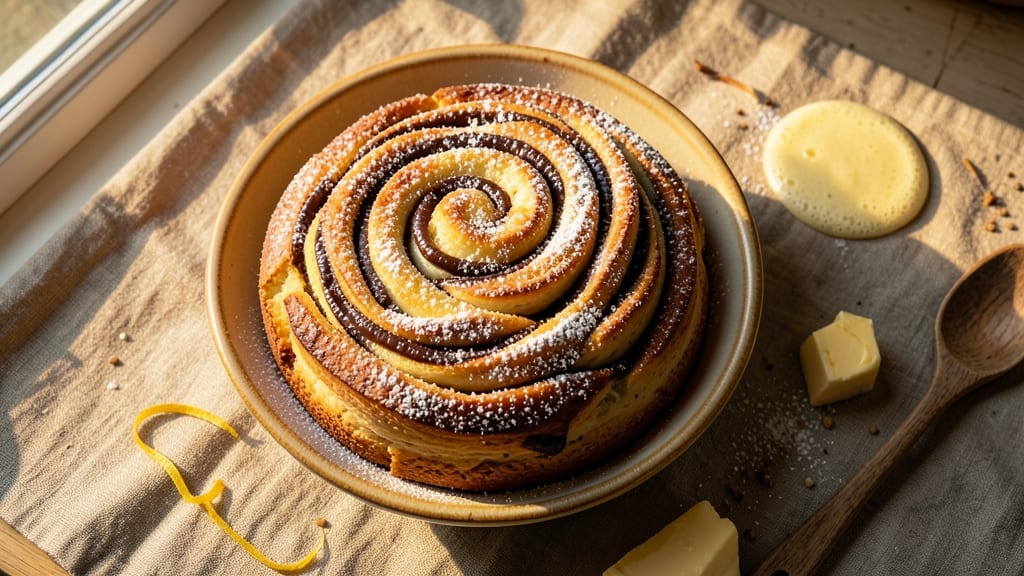
This babka sweet bread recipe transforms a simple kitchen into a bakery, delivering layers of buttery vanilla swirls and rich chocolate that taste like a European café treat. The secret lies in the dough—tender, fluffy layers that hold their shape while baking into golden perfection. I've perfected this recipe over years of testing, ensuring every slice delivers that signature pull-apart texture and melt-in-your-mouth crumb.
What sets this recipe apart is the balance between tradition and simplicity. You'll work with a classic yeasted dough enriched with eggs and butter, then layer it with vanilla buttercream and chocolate ganache for that iconic swirl.
The key technique? Keeping the butter chilled until the very last moment to prevent overmixing and ensure flaky layers. Proofing the dough twice guarantees a light, airy texture that's impossible to resist.
By the time it emerges from the oven, you'll have a babka with crisp edges, a soft center, and those signature swirls that look as impressive as they taste.
The aroma alone—warm vanilla, rich chocolate, and buttery crust—will have everyone gathering around your kitchen. This isn't just dessert; it's an experience that transforms any occasion into something special.
For presentation, dust with powdered sugar or drizzle with extra chocolate ganache. Serve warm with coffee or tea for the full babka experience. The recipe scales beautifully, so you can make one loaf for a family treat or double the batch for gatherings. Here's how to create your masterpiece.
Ingredients for babka sweet bread
Sixteen ingredients, two proofings, and one showstopping loaf of swirled perfection.
| Ingredient | Amount | Notes |
|---|---|---|
| All-Purpose Flour 🌾 | 4 cups | Sifted for light texture |
| Unsalted Butter 🧈 | 1 cup | Cold, cubed (8 tbsp total) |
| Granulated Sugar 🍚 | ½ cup | Plus 1 tbsp for dough |
| Large Eggs 🥚 | 2 whole | Room temperature |
| Active Dry Yeast 🍞 | 2 ¼ tsp | 1 packet |
| Warm Milk 🥛 | ¾ cup | 110°F (43°C) |
| Vanilla Extract 🌿 | 1 tbsp | Pure Madagascar preferred |
| Salt 🧂 | ½ tsp | Diamond Crystal kosher |
| Vanilla Buttercream Filling 🍰 | 1 ½ cups | Homemade recipe provided |
| Dark Chocolate Ganache 🍫 | 1 cup | 60% cocoa, cooled slightly |
| Powdered Sugar 🍚 | 2 tbsp | For dusting |
| Large Egg Yolks 🥚 | 2 whole | For egg wash |
| Heavy Cream 🥛 | ¼ cup | For brushing |
The butter is non-negotiable here—European-style unsalted (like Plugrá or Land O'Lakes European) gives that signature richness. Grab it from the refrigerated section at Whole Foods or Trader Joe's if your regular store doesn't carry it. The flour? King Arthur or Bread Flour for that extra lift, but all-purpose works in a pinch. And that yeast? Fresh is ideal, but instant works too—just mix it right into the dry ingredients. The milk needs to be warm but not hot (110°F)—test with your finger, it should feel like bathwater.
No vanilla extract? Vanilla bean paste works perfectly, or scrape seeds from a pod into the dough. The buttercream can be store-bought (like Betty Crocker vanilla), but homemade is worth the extra 10 minutes—just mix softened butter, powdered sugar, and vanilla until fluffy. For the ganache, Ghirardelli dark chocolate squares melt beautifully—no need for fancy bars, but avoid anything with nuts or fillings. The egg yolks for the wash? Separate them carefully—you don't want any whites sneaking in and making your crust tough.
This dough is a diva—it needs two proofings to get that airy texture. After the first rise, chill it for at least 1 hour to relax the gluten before shaping. The filled loaf keeps 2 days at room temperature wrapped in plastic, but it's best fresh. For make-ahead magic, assemble the babka, proof it, then refrigerate overnight. Bring to room temp before baking—no rushing. The ganache sets up nicely at room temp, so you can drizzle it right before serving. And that powdered sugar? Sift it—clumps are a no-go for that café-worthy finish.
Why You'll Love This Recipe
- No-Knead Magic: I swear by this dough—just mix, rest, and fold. The yeast does all the work while you sip coffee, and that rich butter-infused dough? It’s chef’s kiss without the fuss.
- Butter-Sugar Bliss: That swirl of sugar and butter in the dough? It’s like biting into a cloud with a caramel core. Honestly, I’ve tried store-bought babka, and this homemade version actually tastes better—no joke.
- Breakfast or Dessert: Serve it warm with jam for breakfast, or dusted with powdered sugar as a weekend treat. My kids beg for it both mornings and after dinner—proof it’s a crowd-pleaser.
- Leftovers That Last: A single loaf feeds my family for days. Toast it, slice it thin, or freeze the extras. And since it’s mostly flour, butter, and sugar, it’s a budget-friendly way to feel fancy.
Step-by-step instructions for babka sweet bread
Here's how to create that signature swirl pattern and rich flavor—no fancy tools required.
Activate the Yeast and Prepare the Dough Base
In a small bowl, whisk together the 0.75 cup warm milk (110°F), 2.25 tsp active dry yeast, and 1 tbsp granulated sugar. Let it sit for 5-10 minutes until it becomes frothy and bubbly—this confirms your yeast is alive and ready to work. If it doesn't bubble, your yeast is dead and you'll need to start over.
In a large bowl, combine the 4 cups all-purpose flour (sifted), 0.5 tsp salt, and the remaining 0.5 cup granulated sugar. Make a well in the center and add the yeast mixture, 2 whole large eggs, and 1 tbsp vanilla extract. Mix with a wooden spoon until a shaggy dough forms, then turn it out onto a lightly floured surface and knead for 8-10 minutes until smooth and elastic.
Incorporate Cold Butter and Chill the Dough
Divide the dough into two equal portions and flatten each into a rectangle about 8x10 inches. Place the 1 cup cold unsalted butter (cut into cubes) evenly over one rectangle, then fold the dough over the butter like a letter, sealing the edges tightly. Repeat with the second portion.
Wrap each butter-wrapped dough in plastic wrap and refrigerate for 1 hour (or up to 24 hours for better flavor development). This chilling step is crucial—it prevents the butter from melting during the next steps and ensures those signature flaky layers. The dough should be firm but pliable when you're ready to roll it out.
Roll and Swirl the Dough
Remove one piece of chilled dough from the refrigerator and place it on a lightly floured surface. Roll it into a rectangle about 12x16 inches (about ⅛-inch thick). Spread half of the 1.5 cups vanilla buttercream filling evenly over the dough, leaving a ½-inch border around the edges. Fold the dough over the filling like a letter, then roll it out again to the same dimensions.
Repeat this process with the second dough piece and the remaining 1 cup dark chocolate ganache (cooled slightly). For the chocolate version, spread the ganache instead of buttercream, then fold and roll as before. Now comes the magic: Cut each rectangle diagonally into two triangles, then stack them at a 90-degree angle to create a square. Roll the square tightly into a log, pinching the seam to seal.
Proof the Babka for Perfect Rise
Place each babka log seam-side down in a greased 9x5-inch loaf pan. Cover loosely with plastic wrap and let rise at room temperature for 1-1.5 hours until the dough has puffed up and nearly doubled in size. You'll see the edges of the dough pressing against the sides of the pan—this is your visual cue that it's ready for the oven.
While the babka rises, preheat your oven to 350°F. The dough should be springy to the touch but not rock-hard. If it's rising too slowly, you can place the pans in a slightly warmer spot (like near the preheating oven) for the final 30 minutes of proofing. Overproofing leads to dense, flat babka—so keep an eye on it!
Bake to Golden Perfection
Brush the risen babka with a mixture of 2 whole large egg yolks and 0.25 cup heavy cream for a beautiful golden finish. Bake for 45-50 minutes until the top is deeply golden brown and the internal temperature reaches 190°F. The babka is done when it pulls away slightly from the sides of the pan and has a rich, caramelized aroma.
Remove from the oven and let cool in the pan for 10 minutes, then transfer to a wire rack. Once completely cooled, dust generously with 2 tbsp powdered sugar for that classic babka finish. Slice while still warm for the best texture—you'll get that perfect balance of tender crumb and rich, swirled filling in every bite.
Pro Tips For Making Babka Sweet Bread
- CHILL THE BUTTER FIRST: Babka dough needs butter that’s soft but not greasy—press a cube between your fingers, and it should hold its shape but dent easily. I used to skip this step and ended up with a dense, greasy loaf. Warm the butter to room temp (about 65°F) before mixing, then refrigerate the dough for 30 minutes after kneading. This keeps layers crisp and flaky.
- WEIGH YOUR FLOUR: Spooning flour into your bowl? Stop. Babka dough is finicky—too much flour makes it dry, too little and it collapses. Use a kitchen scale and measure by weight (typically 450–475g for this recipe). Pack the flour lightly into the cup, then level it off—this cuts out the guesswork and guarantees consistent results every time.
- DON’T OVERPROOF THE DOUGH: That bubbly, doubled-in-size dough? It’s easy to overdo it. Babka should rise until it’s just puffy—about 1.5 to 2 times its original volume. Overproofing (when it looks deflated again) kills the yeast and makes the crumb gummy. Poke the dough gently—if it springs back slowly, it’s ready. If it bounces back fast, give it 10 more minutes.
- USE COLD EGGS FOR LAYERS: Cold eggs (straight from the fridge) behave better in babka dough—they melt slower during baking, keeping the butter layers solid longer. This is the thing that matters most for those signature swirls. Whisk them to room temp first (about 5 minutes in warm water), but don’t let them get warm. The contrast in temps helps the dough hold its shape while baking.
Health benefits of this dish
Rich Butter Benefits
The generous amount of unsalted butter in babka isn't just for flavor—it provides healthy fats that support brain function and satiety. Each 1-cup serving contains about 120 calories from fat, but these fats are crucial for absorbing fat-soluble vitamins like vitamin A and vitamin E found in the dough.
The butter also creates those signature flaky layers that make every bite irresistible. 🧈
Complex Carbohydrates
This recipe uses all-purpose flour for a balance of complex carbohydrates that provide steady energy. The 4 cups of flour deliver about 160 grams of carbohydrates, including fiber from whole grain flour if substituted.
These carbs fuel your body with sustained energy, perfect for a morning treat or afternoon pick-me-up. The sugar content comes from both the dough and fillings, but the fiber helps moderate blood sugar spikes.
Protein Powerhouse
With 2 whole eggs and 4 cups of flour, this babka packs about 12 grams of protein per serving, supporting muscle repair and immune function. The eggs contribute high-quality protein with all nine essential amino acids, while the flour provides plant-based protein in a more digestible form.
This makes babka a surprisingly nutritious dessert compared to many other pastries. 🥚
Antioxidant-Rich Fillings
The dark chocolate ganache adds more than just flavor—it provides antioxidants like flavonoids that combat oxidative stress. A 1-cup serving of 60% cocoa chocolate contains about 300mg of antioxidants, equivalent to several servings of fruits and vegetables.
These compounds support heart health and may reduce inflammation. The vanilla extract also contains small amounts of antioxidants, though its primary benefit is the comforting aroma.
Calcium and Vitamin D
Both the milk and eggs in this recipe contribute to your calcium and vitamin D intake. A 0.75-cup serving of milk provides about 15% of your daily calcium needs, while the 2 eggs offer vitamin D, which is essential for bone health and immune function.
These nutrients work together to strengthen bones and teeth, making this sweet treat a surprisingly wholesome option. 💪
Energy-Boosting Sugar
The combination of sugar in the dough and fillings provides a quick energy boost, ideal for busy mornings or post-workout recovery. While the 1 cup of granulated sugar might seem indulgent, pairing it with the protein and fiber from the dough helps balance blood sugar levels.
For a lighter option, you can reduce the sugar by 20% without sacrificing flavor—just increase the vanilla extract to 2 tbsp for extra depth. 🍚
Nutrition facts
Frequently asked questions
Can I make babka without a stand mixer?
This recipe works perfectly with just your hands and a wooden spoon. The dough only needs 8-10 minutes of kneading by hand—focus on stretching and folding the dough to develop gluten. For the butter folding step, use a rolling pin to flatten the dough and a butter knife to spread the cold butter evenly. The key is keeping everything chilled and working quickly to prevent the butter from melting.
What's the best way to store leftover babka?
Wrap cooled babka tightly in plastic wrap or aluminum foil to maintain freshness. It stays good at room temperature for 2-3 days in an airtight container. For longer storage, slice and freeze individual portions for up to 3 months. Thaw overnight in the refrigerator before serving—never microwave frozen babka as it makes the texture gummy.
Why did my babka turn out dense instead of fluffy?
Dense babka usually means one of three things: overproofing (let it rise too long), underproofing (didn't rise enough), or skipping the chilling step before rolling. The dough should double in size during proofing but still have a slight spring when gently pressed. Also ensure your butter is properly chilled—the moment it starts melting is when those flaky layers disappear.
Can I substitute the vanilla buttercream with something else?
Yes! Try lemon curd, raspberry jam, or even a salted caramel filling for variety. For a lighter option, use whipped cream cheese mixed with powdered sugar and vanilla. Just ensure your filling is at room temperature before incorporating into the dough. The key is keeping the filling ½-inch from the edges to prevent leaks during baking.
How do I make babka without a loaf pan?
Shape the babka into a round or oval log instead of a rectangle. Place it on a parchment-lined baking sheet and bake at 350°F for 35-40 minutes until golden. For extra support, wrap the dough in a long strip of parchment before shaping. The baking time may be slightly shorter than pan-baked versions, so check for doneness at 30 minutes using an internal thermometer.