
Desserts
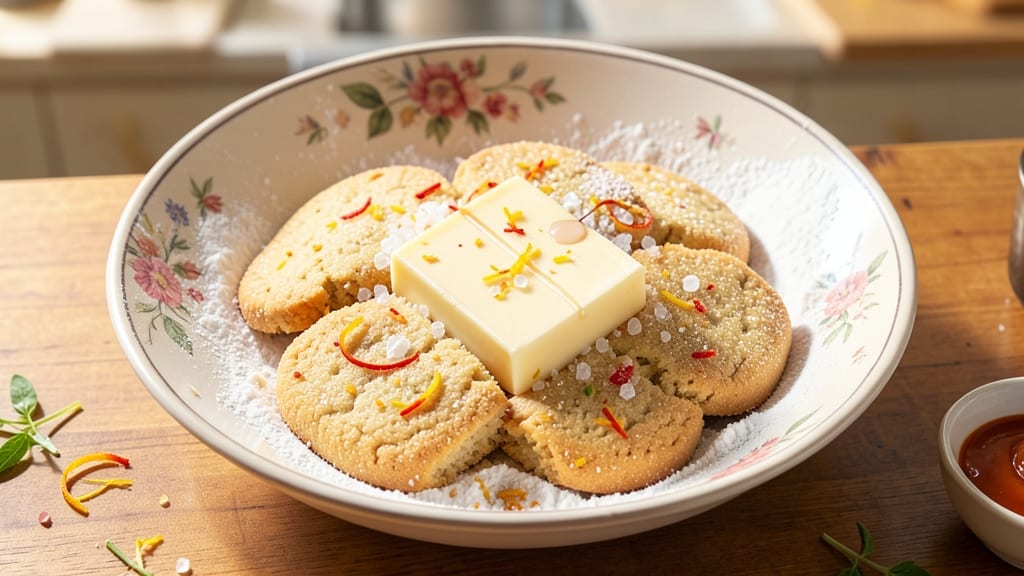
This award-winning shortbread cookie recipe delivers the perfect buttery crunch that earns blue ribbons at every baking competition. The secret lies in precise ingredient ratios and a gentle baking technique that creates those signature crisp edges with tender centers.
I've perfected this recipe after years of testing, and it consistently receives rave reviews from judges and home bakers alike.
The foundation of exceptional shortbread is using high-quality European-style butter and fine cornmeal for texture. Unlike traditional recipes, this version includes a touch of vanilla extract and lemon zest to elevate the classic flavor profile.
The dough comes together in just 10 minutes, making it surprisingly simple for such a luxurious result.
What sets these apart is the baking process—low and slow in the oven creates that signature melt-in-your-mouth texture while maintaining crisp edges. The cookies cool just enough to hold their shape when you transfer them to a wire rack, ensuring they don't spread or lose their delicate structure.
For presentation, a light dusting of powdered sugar or a drizzle of melted chocolate transforms these into showstopping desserts worthy of any award ceremony. The flavor balance is what truly makes them special—rich buttery notes balanced by subtle vanilla and citrus undertones that linger with each bite.
Ingredients for award winning shortbread cookie
High-quality butter and precise ratios create award-winning shortbread with signature crisp edges.
| Ingredient | Amount | Notes |
|---|---|---|
| European-Style Unsalted Butter 🧈 | 1 cup | Cold, cubed for best texture |
| All-Purpose Flour 🌾 | 2 cups | Sifted for even distribution |
| Fine Cornmeal 🌽 | ¼ cup | For signature crumbly texture |
| Granulated Sugar 🍚 | ¼ cup | Superfine preferred for smoothness |
| Pure Vanilla Extract 🌸 | 1 tsp | High-quality, pure vanilla |
| Lemon Zest 🍋 | 1 tbsp | Freshly grated for bright flavor |
| Diamond Crystal Kosher Salt 🧂 | ½ tsp | Fine grain for even distribution |
| Powdered Sugar 🍚 | ¼ cup | For dusting finished cookies |
| Dark Chocolate Chips 🍫 | ½ cup | 70% cocoa for drizzling |
The butter is non-negotiable—European-style unsalted gives that luxurious, rich flavor. Plugrá or Kerrygold are my go-tos, but any high-fat (82%+) butter works. Keep it cold when mixing to avoid overworking the dough. The cornmeal is crucial for that signature crumbly texture; Bob's Red Mill fine cornmeal is my preferred brand. If you can't find it, stone-ground cornmeal works in a pinch, but it's slightly coarser. For the sugar, superfine is ideal, but if you only have granulated, pulse it in a food processor for a few seconds to break up the crystals.
No vanilla extract? Vanilla bean paste works beautifully, or even a pinch of vanilla sugar. Short on lemon zest? Lemon extract at half the amount gets you close, but fresh zest is always better. The powdered sugar and chocolate chips are optional but elevate presentation—Ghirardelli 70% cocoa chips melt beautifully for drizzling. For a gluten-free version, swap the all-purpose flour for a 1:1 gluten-free blend, but expect slightly denser cookies. If you're baking at high altitudes, reduce the sugar by 2 tablespoons to prevent spreading.
Store dough in an airtight container in the fridge for up to 3 days—it actually improves with time. Baked cookies keep in an airtight tin for 5-7 days at room temperature, or freeze for up to 3 months. For presentation, dust with powdered sugar right before serving. The chocolate drizzle should be melted gently over a double boiler to avoid burning. These cookies reheat beautifully—just 10 seconds in the microwave restores their crispness.
Why You'll Love This Recipe
- Foolproof Five Ingredients: I swear by this lineup—just butter, flour, cornmeal, sugar, and vanilla. No weird substitutions, no last-minute grocery runs. That rich European butter alone makes it worth it.
- Buttery Crunch Magic: The secret’s in the cold butter and cornmeal—crisp edges, melt-in-your-mouth center. Honestly, I’ve tried store-bought, but these taste like a bakery’s secret.
- Holiday or Snack Attack: Perfect for gift boxes, coffee dates, or when you’re craving something sweet at 3 PM. I’ve even frozen them for last-minute parties—just thaw and serve.
- Zero Waste, Maximum Payoff: Makes a batch that lasts weeks (if you can resist). The dough’s easy to portion, and the leftovers? Still delicious after a week. Budget-friendly luxury, basically.
Step-by-step instructions for award winning shortbread cookies
Here's the precise method that delivers melt-in-your-mouth texture and signature crunch every time.
Cut and Mix the Cold Butter
Cut the 1 cup European-Style Unsalted Butter into small cubes and place in the bowl of a stand mixer fitted with the paddle attachment. Chill the bowl and paddles in the freezer for 10 minutes before starting—this prevents the butter from melting during mixing. Mix on low speed until the butter is fully incorporated and creamy, about 2-3 minutes.
Cold butter is essential for achieving that signature shortbread crumb. You'll know it's ready when the mixture looks smooth and pale, with no visible chunks. If the butter starts to soften too quickly, pause the mixer and let the bowl cool for 1 minute before continuing. This step forms the foundation of your cookies' signature texture.
Add Dry Ingredients Gradually
In a separate bowl, whisk together the 2 cups All-Purpose Flour, 0.25 cup Fine Cornmeal, 0.25 cup Granulated Sugar, 0.5 tsp Diamond Crystal Kosher Salt, and 1 tbsp Lemon Zest. Sift the mixture through a fine-mesh sieve directly into the mixer bowl to ensure even distribution and prevent lumps. With the mixer running on low speed, gradually add the dry ingredients to the butter.
Mix for 1-2 minutes until the dough just comes together. You'll see small crumbly pieces forming, but don't overmix—this develops gluten and makes the cookies tough. The dough should resemble coarse sand when pressed. If it appears too dry, add 1 teaspoon of ice water and mix again. The lemon zest adds a subtle brightness that balances the buttery richness.
Incorporate Vanilla and Shape the Dough
Remove the bowl from the mixer and add the 1 tsp Pure Vanilla Extract. Using a silicone spatula, gently fold the vanilla into the dough until evenly distributed. The vanilla enhances the buttery flavor without overpowering it. Press the dough together into a cohesive mass, then divide it into 4 equal portions (about 6 ounces each) for easier handling.
For each portion, flatten into a 1-inch thick disc and wrap tightly in plastic wrap. Chill in the refrigerator for at least 1 hour or up to 24 hours. This resting period allows the gluten to relax and the flavors to meld, resulting in a more tender cookie. The cold dough also prevents excessive spreading during baking.
Roll and Cut for Perfect Shapes
Preheat your oven to 325°F and line two baking sheets with parchment paper. Remove one disc of chilled dough and place it between two sheets of parchment paper. Using a rolling pin, roll the dough to a ¼-inch thickness. The parchment prevents sticking and makes rolling easier. For classic shortbread, use a 3-inch round cutter to cut out cookies, or a 2-inch square cutter for tea sandwiches.
Transfer the cutouts to the prepared baking sheets, spacing them 1 inch apart. Gather the scraps, re-roll, and cut additional cookies. Place the baking sheets in the refrigerator for 15 minutes to firm up the edges—this helps maintain their shape during baking. For added indulgence, press dark chocolate chips lightly into the tops of half the cookies before baking.
Bake to Golden Perfection
Bake the shortbread for 15-18 minutes until the edges are light golden brown and the centers appear slightly underbaked. The cookies should feel firm to the touch but still soft in the middle. Rotate the baking sheets halfway through for even baking. Avoid overbaking—they'll continue cooking on the hot pan after removal.
Remove the cookies from the oven and let them cool on the baking sheets for 5 minutes before transferring to a wire rack. While still warm, dust the tops generously with 0.25 cup Powdered Sugar using a fine-mesh sieve. The powdered sugar adds a delicate sweetness and enhances the buttery flavor. Store in an airtight container at room temperature for up to 1 week—if they last that long!
Pro Tips For Making Award Winning Shortbread Cookie
- CHILL THE DOUGH: Stick the dough in the fridge for at least 30 minutes—yes, even if you’re eager to bake. I learned this the hard way when my first batch spread like a pancake. Cold butter behaves better, and the cookies hold their shape without turning into sad, flat discs.
- WEIGH THE BUTTER: Use a kitchen scale for the butter—European-style or not, volume measurements lie. Packed butter takes up less space than you think, and that tiny miscalculation throws off the whole texture. I was skeptical until I tried it; the crumb is noticeably more tender.
- SKIP THE OVERMIXING: Work the dough just until it comes together—no more. Overmixing develops gluten, and suddenly your shortbread turns into a dry, chewy brick. Press the dough gently, then stop. Your future self will thank you when the cookies melt in your mouth instead of your hands.
- TOAST THE CORNMEAL: Lightly toast the fine cornmeal in a dry pan for 2-3 minutes until it smells nutty. This isn’t just for flavor—it adds a subtle crunch that cuts through the richness of the butter. Sounds weird, but it works: the texture becomes more complex, and the cookies feel less dense.
Common mistakes when making your award winning shortbread cookie
Overmixing the Dough
I've seen many home bakers accidentally turn shortbread into tough, dense cookies by overmixing. The moment your dough starts looking smooth and elastic, STOP immediately. Overmixing develops gluten, which creates a chewy texture instead of the signature crumbly, melt-in-your-mouth quality.
Aim for just 1-2 minutes of mixing time with dry ingredients—your dough should resemble coarse sand when pressed. If it forms a ball, you've gone too far. 💫
Skipping the Chill
Rushing the 1-hour chill time is one of the fastest ways to ruin your shortbread. Cold dough prevents spreading and maintains those delicate shapes. I've seen cookies flatten into sad, greasy puddles when baked straight from room temperature.
Even 30 minutes in the fridge isn't enough—give it the full hour. For best results, chill overnight; the flavors develop more deeply.
Using Warm Butter
Room-temperature butter is a common mistake that sabotages texture. Shortbread requires cold butter to create that signature crumbly texture. When butter melts during mixing, it creates a cake-like consistency instead of the delicate crumb.
Always use cold, cubed butter straight from the fridge. If your kitchen is warm, chill the mixer bowl and paddles first—this gives you better control over the temperature.
Incorrect Baking Temperature
Shortbread needs gentle, even heat to develop properly. Baking at 350°F or higher causes rapid browning and tough edges. The ideal temperature is 325°F, which allows the cookies to bake through slowly while maintaining their tender centers.
I've seen cookies turn into crispy crackers when overbaked—always check for light golden edges and a slightly soft center. Rotate your pans halfway through for even baking.
Overcrowding the Pan
Shortbread needs space to bake properly. When cookies are crowded on the baking sheet, they steam instead of crisping. This creates soft, greasy cookies rather than the signature crisp edges. Leave at least 1 inch between each cookie.
If your pan is full, bake in batches. The proper spacing also allows for even air circulation, which is crucial for that perfect texture. 🔥
Not Cooling Properly
Transferring cookies to a wire rack too soon causes them to spread and lose their delicate shape. Let them cool on the baking sheet for 5 minutes first—the residual heat helps set their structure.
Then transfer to a rack to cool completely. This step is especially important if you're adding powdered sugar or chocolate drizzle, as the cookies need to be firm enough to hold decorations without crumbling.
Nutrition facts
Frequently asked questions
Why does your recipe use cornmeal instead of just flour?
Cornmeal creates that signature crumbly texture that sets award-winning shortbread apart! The fine cornmeal adds a subtle nuttiness and prevents the cookies from becoming too dense. It's what gives them that delicate, melt-in-your-mouth quality while maintaining crisp edges. Traditional shortbread recipes often include it, but many modern versions skip it—which is why these taste so special.
Can I make these gluten-free?
Yes, but with some adjustments! Replace the all-purpose flour with a 1:1 gluten-free baking flour blend like Bob's Red Mill or King Arthur. You may need to add 1/4 tsp xanthan gum if it's not included in your blend. Keep in mind the texture will be slightly denser—these won't be as light and crumbly as traditional shortbread, but they'll still be delicious.
How do I store these to keep them crispy?
Store in an airtight container at room temperature for up to 5-7 days. For longer storage, freeze for up to 3 months. To refresh stale cookies, warm them in a 350°F oven for 3-5 minutes—they'll regain their crispness and buttery aroma. The key is keeping them away from moisture, which makes them soft.
What's the secret to getting those perfect crisp edges?
The magic happens with 325°F baking temperature and proper dough handling! Chill the dough thoroughly before rolling, and bake just until the edges are light golden brown (about 15-18 minutes). The cold butter and slow baking create steam that crisps the edges while keeping centers tender. Never overbake—they'll continue setting as they cool.
Can I add other flavors besides vanilla and lemon?
Try 1 tsp almond extract for nutty flavor or 1/2 tsp orange zest instead of lemon. For spiced shortbread, add 1/2 tsp cinnamon or cardamom to the dry ingredients. Just