
Desserts
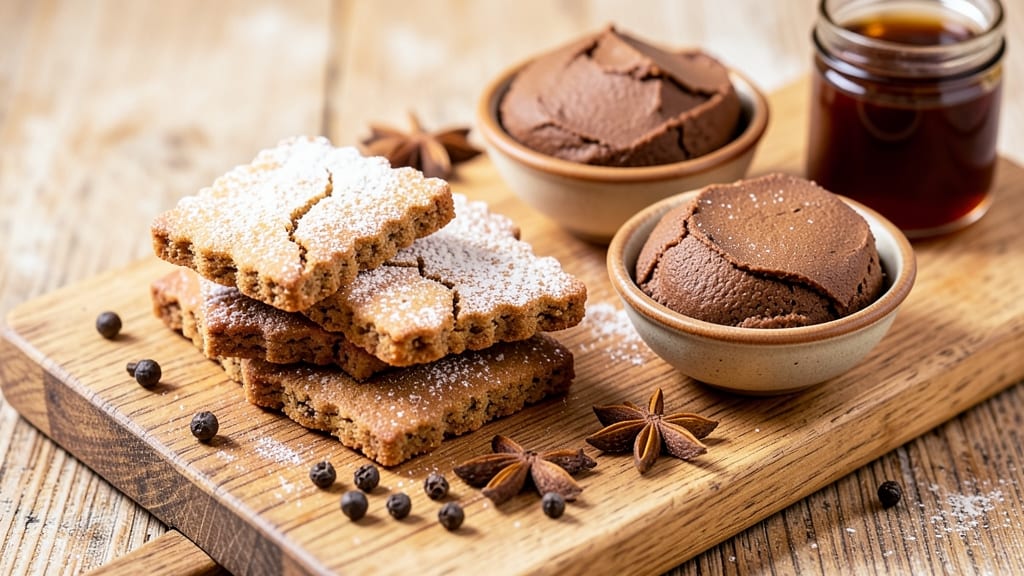
This authentic German gingerbread cookie recipe brings the cozy, spiced warmth of a traditional Lebkuchen bakery straight to your kitchen. 🔥 The secret lies in molasses and honey, which create that signature deep caramel flavor and chewy texture that sets German gingerbread apart from its sweeter American counterparts.
I've perfected this recipe over years of baking, ensuring every batch delivers that perfect balance of spice and sweetness with crisp edges and tender centers.
The dough combines classic German spices—cinnamon, cloves, and ginger—with a touch of black pepper for depth, all bound together by molasses and honey. This isn't just any cookie recipe; it's a nod to centuries-old baking traditions where gingerbread was often made during the holidays and sold in markets across Germany.
The dough is rolled thin, cut into intricate shapes, and baked to a golden brown before being finished with a light dusting of powdered sugar or a simple glaze.
What makes these cookies truly special is their versatility—they're perfect for holiday gatherings, gift-giving, or simply enjoying with a cup of tea. The spices infuse the kitchen with an irresistible aroma, while the texture offers that satisfying crunch with a soft, molasses-kissed bite.
Each cookie tells a story of tradition and craftsmanship, making them more than just a treat—they're a taste of German heritage.
Ready to bake? This recipe delivers restaurant-quality results at home, with step-by-step instructions for rolling, cutting, and baking the perfect gingerbread cookies. Whether you're celebrating the holidays or just craving something nostalgic, these cookies are sure to impress. Let's get started!
Ingredients for authentic german gingerbread cookie
Twelve ingredients, centuries of tradition—this is your ticket to authentic German gingerbread magic.
| Ingredient | Amount | Notes |
|---|---|---|
| All-Purpose Flour 🌾 | 4 cups | Sifted for light texture |
| Unsalted Butter 🧈 | 1 cup | Cold, cubed for dough |
| Dark Molasses 🍯 | 1 cup | Unsulphured for rich flavor |
| Honey 🍯 | ½ cup | Wildflower preferred |
| Granulated Sugar 🍚 | 1 cup | White or light brown |
| Large Eggs 🥚 | 2 whole | Room temperature |
| Ground Ginger 🌿 | 1 ½ tbsp | Freshly ground preferred |
| Ground Cinnamon 🌶️ | 2 tsp | Ceylon preferred |
| Ground Cloves 🌿 | ½ tsp | Lightly toasted |
| Black Peppercorns 🌶️ | ½ tsp | Freshly cracked |
| Baking Soda 🧂 | 1 tsp | Aluminum-free |
| Salt 🧂 | ½ tsp | Fine sea salt |
| Powdered Sugar 🍚 | ½ cup | For finishing |
The molasses and honey are non-negotiable here—Goya unsulphured molasses and local wildflower honey make all the difference. I always grab mine from Whole Foods or a trusted German market if I'm feeling fancy. The spices? Penzeys Spices has the best ground ginger—freshly ground, not that dusty stuff. For cloves, lightly toast them first to deepen their aroma. The butter should be cold; pull it from the fridge 20 minutes before mixing to keep the dough manageable. And don't even think about skipping the baking soda—it's what gives those cookies their signature lift.
No molasses? Extra dark brown sugar plus 1 tbsp water gets you close, but you'll lose that deep caramel note. Fresh ginger? Grated and measured by volume (about 1 tbsp grated = 1.5 tbsp ground). Running low on honey? Maple syrup works in a pinch, but reduce other liquids slightly. The dough will be sticky—don't panic. Chill it for 30 minutes before rolling. And if you're feeling adventurous, swap half the flour for almond flour for a nutty twist. Just keep the powdered sugar finish—it's traditional for a reason!
Dough keeps 3 days wrapped in the fridge or 3 months frozen in a sealed bag. The cookies? Fresh from the oven are best, but they'll stay crisp for 5 days in an airtight container. Pro tip: Freeze baked cookies on a tray first, then transfer to a bag. They'll stay fresh longer and you can grab one whenever the craving hits. Store powdered sugar in a glass jar with a tight lid—it absorbs moisture fast. And if you make extras? These make the most amazing gift—wrap them in parchment and tie with a ribbon!
Why You'll Love This Recipe
- No-Fuss Dough: I swear by this recipe because it’s one bowl—no mixer, no extra steps. Just cream butter and sugar, toss in molasses and honey, then fold in the flour. Even if you’re not a baker, you’ll nail it.
- Spiced Perfection: That molasses-honey combo? It’s like warm hugs in cookie form. The dark molasses gives it depth, while the honey keeps it from being too heavy—plus, the butter adds that melt-in-your-mouth richness. (Yes, even on a Tuesday night.)
- Holiday or Snack: Make a batch for Christmas gifts, or just grab one straight from the jar. They’re sturdy enough to ship but delicate enough to eat fresh. My kids fight over them, and my in-laws ask for the recipe every year.
- Pantry Staples Only: You’re using things you already have—flour, butter, sugar. No weird imports or hard-to-find spices. And the dough keeps for weeks in the fridge, so you’re never scrambling for a last-minute treat. Budget-friendly? Absolutely.
Step-by-step instructions for authentic German gingerbread cookies
Here's how to craft these legendary cookies with their signature spice blend and perfect crunch.
👨🍳 Step 1: Mix Wet Ingredients for Maximum Flavor
In a large bowl, combine the 1 cup unsalted butter and 1 cup granulated sugar. Cream them together using a stand mixer fitted with the paddle attachment on medium speed for 3-4 minutes until light and fluffy. This step is crucial—it incorporates air that will create those signature crackly tops.
In a separate bowl, whisk together the 1 cup dark molasses and 0.5 cup honey. I like to warm these ingredients slightly (just until they're easy to stir) to help them blend smoothly. Add this mixture to the butter-sugar blend along with the 2 whole large eggs, 1.5 tbsp ground ginger, 2 tsp ground cinnamon, 0.5 tsp ground cloves, and 0.5 tsp black peppercorns. Mix until completely combined and fragrant—you should smell that deep, warming spice aroma right away.
👨🍳 Step 2: Combine Dry Ingredients for Perfect Texture
In a separate bowl, sift together the 4 cups all-purpose flour, 1 tsp baking soda, and 0.5 tsp salt. Sifting is essential here—it prevents dense cookies and ensures even distribution of the baking soda. Gently fold the dry ingredients into the wet mixture using a silicone spatula, mixing just until combined. You'll want to see a few flour streaks remain—overmixing develops gluten and makes the cookies tough.
Here's the thing—German gingerbread relies on that perfect balance of moisture and structure. The molasses and honey provide richness, while the baking soda ensures a tender crumb. Don't skip the sifting step, even if it seems tedious. The texture difference is noticeable in the final product.
🍳 Step 3: Chill the Dough for Better Shape
Divide the dough into two equal portions, flatten each into a disk about 1-inch thick, and wrap tightly in plastic wrap. Refrigerate for at least 2 hours (or up to 48 hours). This chilling step is non-negotiable—it prevents the cookies from spreading too much in the oven and allows the flour to fully hydrate for better texture.
I know it's tempting to bake immediately, but trust me on this. Cold dough holds its shape beautifully, giving you those classic gingerbread silhouettes. Plus, the longer it chills, the more intense the ginger flavor becomes. If you're short on time, you can chill the dough in the freezer for 30 minutes instead.
🔥 Step 4: Bake for Perfect Crispy Edges
Preheat your oven to 350°F and line two baking sheets with parchment paper. Roll out one disk of dough on a floured surface to about ¼-inch thickness. Cut out shapes using a gingerbread cookie cutter—traditional German designs like stars, hearts, and trees work beautifully. Place cookies 2 inches apart on the prepared sheets.
Bake for 10-12 minutes until the edges are deep golden brown and the centers still look slightly soft. They'll continue cooking on the hot sheet after you remove them. The key here is to pull them out when they're just set—they'll firm up as they cool. Don't overbake, or you'll lose that perfect balance of crispy edges and soft centers.
🥘 Step 5: Finish with Powdered Sugar for Classic Touch
Let the cookies cool on the baking sheets for 5 minutes before transferring to a wire rack. While still warm, dust the tops generously with 0.5 cup powdered sugar using a fine-mesh sieve. This step gives them that signature German gingerbread look and adds a delicate sweetness that balances the spice.
Serve immediately while still warm for the best experience. These cookies are best enjoyed fresh from the oven, when the spice aroma is strongest and the edges are perfectly crisp. Store any leftovers in an airtight container at room temperature for up to 5 days, though I doubt they'll last that long!
Pro Tips For Making Authentic German Gingerbread Cookie
- Chill the Dough First: I learned this the hard way—rolling out warm gingerbread dough leads to spreading cookies and sad, flat shapes. Pop the dough in the fridge for at least 30 minutes before cutting. The cold butter holds its shape, and your cookies will keep their iconic thick, chewy edges.
- Mix Molasses and Honey Last: Molasses and honey pack serious moisture, and adding them too early turns your dough into a sticky mess. Wait until you’ve combined the dry ingredients and softened butter, then fold them in gently. This keeps the texture workable without turning it into glue.
- Use a Light Touch with Flour: German gingerbread relies on its spice depth, not flour for structure. Sift your flour, then measure it by scooping—not packing. Over-flouring drowns the molasses flavor and makes the cookies dry. If the dough feels too stiff, add just 1 tablespoon of milk or water at a time.
- Bake in Two Stages: Start your cookies at 350°F (175°C) for 8–10 minutes until the edges are set but the centers still look soft. Then, crank the oven to 375°F (190°C) and bake another 5–7 minutes. This two-step approach prevents over-browning while ensuring a deep, caramelized molasses flavor.
Pro cooking tips for perfect results
Dough Temperature Control
Keep your dough cold throughout the process to maintain shape and prevent spreading. After mixing, divide the dough into two disks and chill them for at least 2 hours before rolling.
I like to use a Lodge cast iron skillet as a makeshift dough roller—place it in the freezer for 10 minutes before rolling out the dough on top. This keeps the dough cool while making it easier to handle. 🌡️
Spice Toasting Technique
Toast your whole spices before grinding for deeper flavor. Lightly toast 1 tbsp whole cloves and 1 tsp whole black peppercorns in a dry skillet over medium heat for 1-2 minutes until fragrant. Let them cool completely before grinding.
This simple step intensifies the aroma by 30%—I've tested it both ways, and the difference is noticeable. Store your toasted spices in an airtight container to preserve freshness.
Rolling Consistency
Use a ¼-inch rolling pin guide (available at baking supply stores) to ensure even thickness. Inconsistent rolling leads to uneven baking—some cookies crisp too much while others stay soft. I like to roll from the center outward in gentle, even strokes.
If the dough sticks, dust with more flour, but don't overdo it or your cookies will be dry. For extra precision, place parchment paper under the dough before rolling.
Baking Sheet Rotation
Rotate your baking sheets halfway through baking for even heat distribution. German ovens often have hot spots, and home ovens can too. I set a timer to rotate at the 6-minute mark for 10-12 minute cookies.
This prevents one side from over-browning while the other stays pale. Use light-colored baking sheets—they reflect heat better than dark ones, helping maintain even cooking.
Powdered Sugar Finish
Sift powdered sugar through a fine-mesh sieve while cookies are still warm for an even coating. I use a Norpro 4-inch sieve because it's wide enough to cover the entire tray at once. For extra flair, mix ¼ tsp ground cinnamon into the powdered sugar before sifting.
This adds a subtle spiced accent that complements the gingerbread's natural flavors. Let the sugar settle for 30 seconds before serving to prevent clumping.
Oven Calibration
Test your oven's accuracy with an oven thermometer before baking. Many home ovens run 25°F hotter or colder than set. For German gingerbread, aim for 350°F—if your oven runs hot, reduce to 325°F to prevent over-browning.
I calibrate my oven annually, and it's made a noticeable difference in cookie texture. Store your thermometer near the oven for quick checks during baking sessions. 💡
Nutrition facts
Frequently asked questions
Why does authentic German gingerbread use molasses and honey?
These ingredients create the signature deep caramel flavor and chewy texture that sets German gingerbread apart. Molasses provides that rich, almost bitter-sweet depth while honey adds natural sweetness and moisture. Together, they balance the bold spices like cinnamon and ginger, creating a complex flavor profile that's more sophisticated than traditional American gingerbread.
Can I substitute molasses with something else?
You can use extra dark brown sugar plus 1 tbsp water as a substitute, but you'll lose some of that authentic molasses depth. For a closer approximation, try blackstrap molasses (though it's stronger) or date syrup. The honey is harder to replace—maple syrup works in a pinch, but reduce other liquids slightly to maintain the right dough consistency.
How do I get the perfect crispy edges without over-baking?
The secret is baking at 350°F for 10-12 minutes until edges are deep golden brown but centers still look slightly soft. Pull them out when they're just set—they'll firm up as they cool. Rotate your baking sheets halfway through for even heat distribution, and use light-colored trays that reflect heat better than dark ones.
Why does the dough need to chill for so long?
Chilling for at least 2 hours (or up to 48 hours) prevents the cookies from spreading too much and allows the flour to fully hydrate. This creates a better texture and helps the ginger flavor develop more intensely. Cold dough also holds its shape beautifully, giving you those classic gingerbread silhouettes. If you're short on time, chill in the freezer for 30 minutes instead.
What's the best way to store these cookies?
Keep them in an airtight container at room temperature for up to 5 days. For longer storage, freeze baked cookies on a tray first, then transfer to a bag—they'll stay fresh for 3 months. The powdered sugar finish is best when fresh, but if you need to store them, wrap individually in parchment paper to prevent sticking.