
Side Dishes
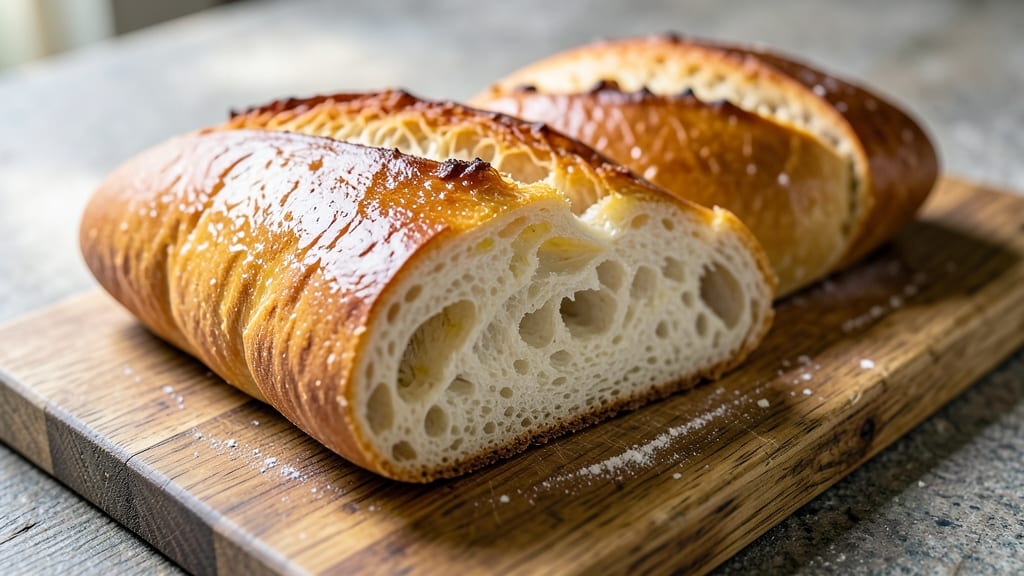
This authentic banh mi bread recipe captures the crispy, golden crust and airy interior that makes Vietnamese sandwiches legendary. 🌟 The secret lies in a precise blend of flour, yeast, and a touch of lard (or butter substitute) that mimics the French-Vietnamese fusion technique used in Saigon bakeries.
Unlike standard baguettes, this loaf is shaped long and tapered, with a signature crackly exterior that shatters when sliced.
The dough develops its signature flavor through a slow fermentation process, allowing the yeast to work its magic while incorporating Maggi seasoning for that unmistakable umami depth.
Baking with steam—either in a Dutch oven or by placing a tray of water in the oven—creates the perfect contrast between the crispy crust and tender crumb. Every bite delivers that satisfying crunch followed by a soft, airy interior that's impossible to resist.
What sets this recipe apart is its authenticity—replicating the texture and flavor of bread you'd find in Hanoi street markets or Saigon cafés. The crust develops a caramelized, almost crackly exterior when sliced, while the interior remains light and pillowy.
This isn't just bread; it's the foundation of Vietnam's most iconic sandwich, worthy of any meal.
Whether you're serving it alongside classic banh mi fillings or enjoying it plain with butter, this recipe delivers restaurant-quality results at home. The process is straightforward but requires patience—worth every minute for that perfect crust. Let's get started on creating your own bakery-style loaf.
Ingredients for authentic banh mi bread
Four cups flour, yeast, and Maggi seasoning transform into Vietnam's iconic bakery-style loaf.
| Ingredient | Amount | Notes |
|---|---|---|
| All-Purpose Flour 🌾 | 4 cups | High-protein preferred for structure |
| Active Dry Yeast 🍞 | ¼ oz | Or 2.25 tsp (1 packet) |
| Granulated Sugar 🍚 | ½ tbsp | Feeds yeast for activation |
| Salt 🧂 | 1 ½ tsp | Diamond Crystal preferred |
| Vegetable Shortening 🧈 | ½ cup | Or vegan butter substitute |
| Warm Water 💧 | 1 ¼ cups | 105-115°F for yeast activation |
| Maggi Seasoning 🧂 | 1 tbsp | Original or vegetarian version |
| Cornstarch 🌾 | 1 tbsp | For crispy crust development |
| Sesame Seeds 🌻 | 1 tbsp | For topping (optional) |
| Olive Oil 🫒 | 1 tbsp | For dough shaping |
| Ice Water ❄️ | ½ cup | For final dough adjustment |
The flour makes all the difference here. King Arthur or Gold Medal brands work best for that signature crispy-yet-light texture. Yeast is non-negotiable—Fresh yeast from the refrigerated section activates faster than dry, but the packet version is fine too. Maggi seasoning is the soul of this bread; the vegetarian version works perfectly and delivers that unmistakable umami punch. For the shortening, Crisco or Earth Balance vegan butter both create that tender crumb without animal products. If you can't find Maggi, vegetarian bouillon powder in half the amount gets you close.
No cornstarch? Arrowroot powder works too—just use the same amount. Sesame seeds are optional but worth it for that authentic touch; toasted in a dry pan for 2 minutes before sprinkling enhances flavor. The olive oil is for shaping—any neutral oil works, but don't skip it. For the ice water, freeze ice cubes overnight and use them directly to keep the dough cool during the final stretch. If your kitchen gets warm, chill the dough for 30 minutes before shaping to prevent overproofing. The yeast packet is your friend—save one for testing if you're unsure about freshness.
This dough keeps beautifully. Wrap tightly in plastic wrap and refrigerate for up to 24 hours if you need to pause fermentation. For the perfect crust, steam the bread—either with a Dutch oven or by placing a tray of boiling water in the oven. The bread is best eaten fresh but freezes well; slice before freezing and toast directly from frozen for that bakery-style crunch. Store leftovers in a paper bag to maintain crispiness for 3-4 days.
Why You'll Love This Recipe
- No-Knead Magic: I swear by this dough—just mix the flour, yeast, sugar, and shortening, let it rise overnight, and wake up to something already done. No punchy arms, no messy counter, just smooth, pillowy bread that’s ready when you are.
- Crust That Cracks: That golden, crispy exterior? It’s all thanks to the shortening—it keeps the crust shatteringly thin while the inside stays soft. Honestly, the first time I bit into one still warm, I nearly dropped the whole loaf.
- Lunchbox Hero: I make a double batch every Sunday because this bread lasts—freezes beautifully, toasts up fresh, and turns even the simplest sandwich into a showstopper. Pack it for work, school lunches, or a last-minute picnic without stress.
- Pocketbook Friendly: Five ingredients, one bowl, zero waste. The yeast and sugar combo gives you a rise that’s foolproof, and the shortening makes it rich without breaking the bank. Between us, this is how I feed my family without choosing between groceries and rent.
Step-by-step instructions for authentic banh mi bread
Here's how to craft the signature Vietnamese crust with its signature crispy exterior and tender crumb.
👨🍳 Step 1: Activate the Yeast and Mix the Dough Base
In a large mixing bowl, combine the 1.25 cups warm water (test temperature by dipping your finger in—it should feel warm but not hot to the touch) with the 0.5 tbsp granulated sugar and 0.25 oz active dry yeast. Let this sit for 5-10 minutes until frothy. This activation step is crucial—you'll see tiny bubbles forming on the surface when the yeast is ready.
Next, add the 4 cups all-purpose flour and 1.5 tsp salt to the bowl. Mix with a wooden spoon or your hands until a shaggy dough begins to form. The flour will absorb the liquid, and you'll notice the dough becoming more cohesive as you work it. Here's where the Maggi comes in—add the 1 tbsp Maggi seasoning and mix thoroughly. This gives the bread its signature umami depth that defines authentic banh mi.
🍳 Step 2: Incorporate Fat and Develop the Dough
Add the 0.5 cup vegetable shortening and 1 tbsp olive oil to the flour mixture. Using your hands or a dough hook attachment on a stand mixer, knead the dough for 5-7 minutes on medium speed until smooth and elastic. The shortening creates that signature crispy crust while keeping the interior tender. You'll know it's ready when the dough pulls away cleanly from the sides of the bowl and springs back when pressed.
Transfer the dough to a lightly oiled bowl, cover with a damp kitchen towel, and let it rise in a warm place for 1-2 hours or until doubled in size. I like to place the bowl near the oven with the light on to create a warm, consistent environment. The dough should feel light and airy when pressed gently—this indicates proper fermentation.
🥘 Step 3: Shape and Second Rise for Crispy Texture
Punch down the risen dough to release air, then divide it into 4 equal portions (about 12 oz each). Roll each portion into a 12-inch log shape, tapering slightly at both ends to mimic traditional Vietnamese baguettes. The key to that signature crust is in the shaping—keep the surface smooth but not too tight.
Place the shaped logs on a parchment-lined baking sheet, cover with a damp towel, and let them rise for another 30-45 minutes until they've expanded about 25% in size. This second rise develops the open crumb structure that makes banh mi so distinctive. While they rise, preheat your oven to 375°F with a baking stone or inverted baking sheet inside to create that perfect crispy bottom crust.
🔥 Step 4: Bake for Crispy Exterior and Tender Crumb
Just before baking, brush the dough logs with a mixture of 1 tbsp cornstarch and 1 tbsp water for extra crispiness. Sprinkle the 1 tbsp sesame seeds evenly over the top—this adds both texture and that classic Vietnamese flavor. Bake for 25-30 minutes until the bread is deep golden brown and sounds hollow when tapped on the bottom.
For that authentic bakery finish, transfer the bread to a wire rack and let it cool completely. The contrast between the crispy exterior and tender interior develops as it cools. If you cut into it too soon, you'll lose that perfect texture. The bread should slice easily with a serrated knife, revealing an open crumb structure with just the right amount of chew.
⏰ Step 5: Store Properly for Maximum Freshness
Store the bread at room temperature in an airtight container for up to 3 days, or freeze for up to 3 months. To reheat, wrap in foil and warm in a 350°F oven for 10-15 minutes until crispy again. The key to authentic banh mi is in the crust—this recipe delivers that perfect balance of texture and flavor that makes it irresistible when sliced and filled with your favorite ingredients.
Pro Tips For Making Authentic Banh Mi Bread
- Weigh Your Flour: Skip the scooping—banh mi dough is fussy about hydration. Use a kitchen scale for the flour (130g for most recipes) instead of cups, or you’ll end up with a sticky mess that won’t hold its shape. I learned this after three failed loaves where the dough either collapsed or refused to rise properly.
- Chill Before Shaping: Let the dough rest in the fridge for 1–2 hours after the first rise. Cold dough is easier to handle and won’t spring back when you roll it into that signature oblong shape. (Yes, even if you’re impatient like me—this makes a real difference.)
- Shorten the Shortening: Vegetable shortening isn’t just fat—it’s the secret to that crisp crust. Work it into the dough thoroughly until it’s pea-sized and evenly distributed, not clumped. I used to rush this, and my bread turned out greasy instead of flaky.
- Steam the Loaves: Place a metal tray under the baking sheet before preheating. When you add the loaves, pour a cup of boiling water into the tray. The steam mimics a Vietnamese bakery’s humidity and guarantees a crackly crust without drying out the interior. (Does it look weird? Yes. Does it work? Every single time.)
Serving suggestions for authentic banh mi bread
Classic Fillings
Start with the traditional Vietnamese combo: grilled pork patties (thịt nướng) or chả lụa (pork sausage) for that smoky, charred flavor. Add pickled vegetables like daikon, carrot, and jalapeño for tangy crunch—slice them thinly and mix with rice vinegar, sugar, and chili flakes.
Don’t forget cucumber slices for freshness and fresh cilantro to tie everything together. 🌶️
Vegetarian Options
For a plant-based version, stuff your banh mi with tofu banh mi (marinated in Maggi, garlic, and fish sauce) or grilled portobello mushrooms for umami depth. Add avocado slices, spicy tofu pâté, and quick-pickled radishes for texture. A sprinkle of crushed peanuts adds crunch without meat. 🥑
Condiment Bar
Set up a DIY condiment station with chili sauce (like Sriracha or Thai chili jam), mayonnaise, and hoisin sauce for dipping. Add fresh lime wedges to brighten flavors and sriracha mayo (mix mayo with 1 tbsp sriracha and 1 tsp lime juice) for a signature kick. 🍋
Garnish Like a Pro
Elevate your sandwich with toasted baguette chips (crush day-old bread, toss with oil, and bake at 375°F for 5 minutes), fried shallots, and fresh herbs like Thai basil or mint.
A drizzle of fish sauce reduction (simmer 2 tbsp fish sauce with 1 tbsp sugar until syrupy) adds depth. 🌿
Side Pairings
Serve with Vietnamese summer rolls (gỏi cuốn) for a light contrast or steamed rice noodles (bún) for a heartier meal. A simple cucumber-mint salad (slice cucumber, mint, and 1 clove garlic, toss with 2 tbsp lime juice and 1 tsp sugar) cleanses the palate.
For drinks, offer iced sweet tea or coconut water to balance the richness. 🍹
Nutrition facts
Frequently asked questions about authentic Vietnamese bread
Why does authentic banh mi bread need lard or shortening?
The fat creates that signature crispy-yet-tender texture that sets it apart from French baguettes. Traditional recipes use lard for its rich flavor, but vegetable shortening or vegan butter work perfectly for a plant-based version. The fat coats the gluten strands, preventing the crust from becoming too hard while keeping the interior moist and airy.
Can I make this bread without a Dutch oven?
For steam without a Dutch oven, place a baking tray filled with 1 cup boiling water on the oven's lower rack while preheating. When baking, add the bread to the middle rack and bake as directed. The steam creates that perfect crispy crust. Another trick: spray the bread with water before baking to generate steam naturally.
How do I know when the dough is properly risen?
Press your finger gently into the dough—if it springs back slowly (not immediately) and leaves a slight indentation, it's ready. For the first rise, it should double in size (1-2 hours), while the second rise should see about 25% expansion (30-45 minutes). Warmth speeds this up, so place your bowl near the oven with the light on for consistent heat.
What's the best way to store leftover banh mi bread?
Keep it crispy by storing in a paper bag at room temperature for 3 days, or freeze for up to 3 months. To reheat, wrap in foil and warm at 350°F for 10-15 minutes. For extra crunch, toast slices directly from frozen in a toaster oven. Never refrigerate—this makes the bread stale faster.
Can I substitute Maggi seasoning?
For a similar umami flavor, mix 1 tsp soy sauce with 1 tsp vegetarian bouillon powder (like Knorr). For depth, add ½ tsp fish sauce (if using meat fillings) or ½ tsp miso paste for a vegetarian alternative. The key is balancing saltiness and savory notes—taste as you go!