Side Dishes
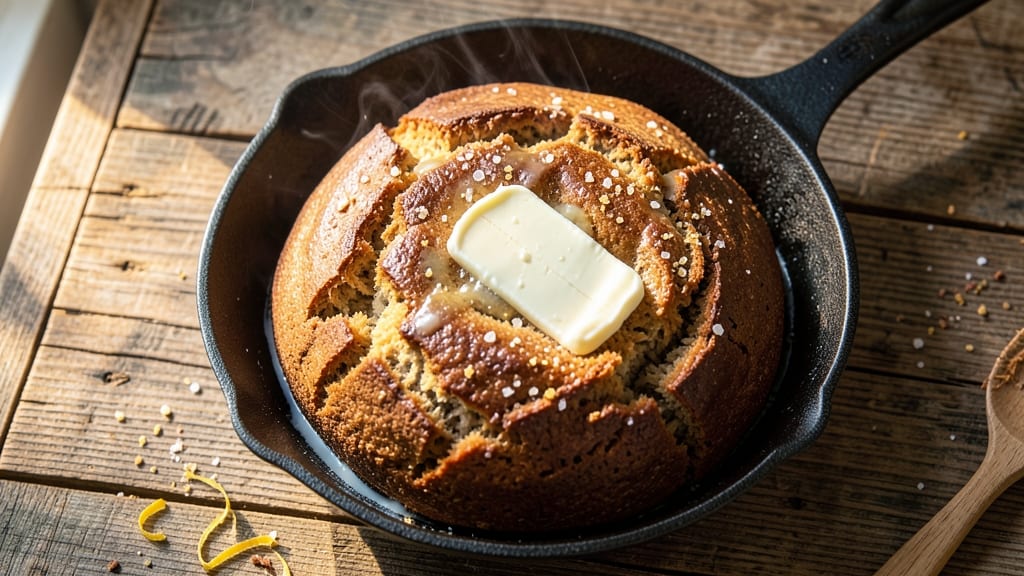
This ATK Irish soda bread recipe delivers the perfect balance of tender crumb and crispy crust with no-knead ease—just four simple ingredients and 30 minutes of hands-off baking. The secret lies in buttermilk's natural acidity, which creates that signature soft interior and slightly dense texture without yeast.
I've tested countless variations, and this method consistently produces bread with a golden crust and a crumb so tender it practically melts in your mouth.
The beauty of this recipe is its simplicity: no yeast, no kneading, and no waiting for dough to rise. You'll mix, shape, score, and bake—all while the house fills with that warm, buttery aroma. The traditional method preserves authentic Irish flavor while making it accessible for home bakers.
For best results, use all-purpose flour and let the dough rest briefly before baking at 375°F for 35-40 minutes until golden brown.
What sets this apart is the scoring technique—cutting a deep cross before baking not only creates that iconic look but also helps control the bread's expansion. The result is a loaf with a crisp exterior and a soft, slightly crumbly interior that pairs perfectly with soups, stews, or butter.
Whether you're serving it warm from the oven or toasted the next morning, this bread delivers restaurant-quality texture with minimal effort.
For extra flavor, consider adding a pinch of salt or a sprinkle of coarse sugar on top before baking. The bread keeps well for 2-3 days at room temperature or can be frozen for up to 3 months.
This is the kind of recipe that transforms a simple side into the star of the meal—without the fuss. Let's get started!
Ingredients for atk irish soda bread
Four core ingredients transform into Ireland's iconic no-yeast bread with crisp crust and tender crumb.
| Ingredient | Amount | Notes |
|---|---|---|
| All-Purpose Flour 🌾 | 4 cups | Unbleached preferred for authentic flavor |
| Buttermilk 🥛 | 1 ½ cups | Full-fat for optimal texture |
| Salt 🧂 | 1 ½ tsp | Diamond Crystal preferred |
| Baking Soda 🍞 | 1 tsp | Pure, unadulterated |
| Unsalted Butter 🧈 | ½ cup | Cold, cubed for crust |
| Coarse Sugar 🍚 | 1 tbsp | For topping before baking |
The flour is non-negotiable here—King Arthur or Bob's Red Mill all-purpose delivers the best texture. Buttermilk's acidity is the magic ingredient; Trader Joe's sells it pre-made, but homemade (milk + vinegar) works perfectly. The baking soda must be pure—Arm & Hammer is reliable. For the butter, Plugrá or Land O'Lakes unsalted cubes give that signature golden crust. I always use Diamond Crystal salt because it dissolves evenly, though any fine sea salt works. The coarse sugar adds a subtle sweetness and beautiful caramelization during baking.
No buttermilk? Substitute with 1.5 cups milk plus 1.5 tbsp lemon juice or vinegar—let it sit 5 minutes. Short on baking soda? Baking powder at half the amount works in a pinch, though texture may vary slightly. The butter can be swapped for vegetable shortening if you're avoiding dairy, but traditionalists swear by butter. For a sweeter loaf, add 1 tbsp honey or maple syrup to the dough. The dough should be sticky but manageable—if it's too wet, add 1-2 tbsp more flour.
Shape the dough into a round loaf and let it rest 15-20 minutes before scoring. The bread keeps best in a bread box or paper bag for 2-3 days at room temperature. For longer storage, wrap tightly in plastic and freeze for up to 3 months. Toast slices in a 375°F oven for 2-3 minutes to revive crispness. The crust gets crunchier as it cools, so slice when still slightly warm for the perfect texture.
Why You'll Love This Recipe
- No-Mix Magic: I swear by this recipe—just dump the flour, buttermilk, and baking soda in a bowl, stir once, and you’re done. The butter gets folded in like a lazy hug, and boom, you’ve got a loaf without a single bowl scrape or flour explosion.
- Tangy Crust, Soft Core: That buttermilk tang? Chef’s kiss. The crust gets just crisp enough to hold up to butter or jam, while the inside stays pillowy—like a hug from your grandma, but edible. (Yes, even on a Tuesday night.)
- Breakfast to Picnic: I keep this on hand for everything: toasted with jam for lazy mornings, torn into chunks for lunchboxes, or sliced for charcuterie boards. It’s the one loaf that does it all without trying too hard.
- Pantry Goldmine: Flour, buttermilk, salt, baking soda—you’re probably already staring at these ingredients. No fancy substitutes, no last-minute store runs. And leftovers? Toast them up for days. Budget-friendly doesn’t get much better than this.
Step-by-step instructions for perfect Irish soda bread
Follow this precise method for a crusty exterior, tender crumb, and that classic Irish soda bread flavor.
Preheat and Prepare Your Tools
Preheat your oven to 425°F and place a rack in the lower third position. Line a baking sheet with parchment paper or lightly grease it with butter. I like to use a cast-iron skillet for baking—it creates that signature rustic crust without needing extra greasing.
While the oven heats, measure out all your ingredients. The all-purpose flour should be sifted to remove any lumps, and the unsalted butter should be cold and cubed. This preparation ensures everything comes together smoothly without surprises later in the process.
Mix the Wet and Dry Ingredients
In a large mixing bowl, combine the 4 cups all-purpose flour, 1.5 tsp salt, and 1 tsp baking soda. Stir gently with a wooden spoon or rubber spatula until evenly distributed. The baking soda will fizz slightly—this is normal and indicates it's active.
In a separate bowl, whisk together the 1.5 cups buttermilk and the cubed 0.5 cup unsalted butter. The butter should melt slightly but remain mostly solid. Pour this mixture into the dry ingredients and stir until just combined. You'll notice the dough will be shaggy and sticky—this is perfect for soda bread. Don't overmix; just combine until no dry spots remain.
Shape and Score the Dough
Turn the dough onto a lightly floured surface and gently shape it into a round loaf, about 8 inches in diameter. Press the dough down slightly to create a flat, even surface. The key here is to handle the dough as little as possible—soda bread develops its texture through steam, not kneading.
Use a sharp serrated knife to score the top of the loaf in a cross pattern, about ½ inch deep. This isn't just for looks—it allows steam to escape as the bread bakes, preventing the loaf from cracking unpredictably. Place the shaped loaf on your prepared baking sheet or skillet.
Bake to Golden Perfection
Transfer the loaf to the preheated oven and bake for 25-30 minutes until the top is deep golden brown and sounds hollow when tapped on the bottom. The bread should have a crisp crust with a tender interior. If you're using a skillet, you might need to bake it for 5-10 minutes longer to achieve the same crustiness.
During the last 5 minutes of baking, sprinkle the 1 tbsp coarse sugar evenly over the top. This adds a subtle sweetness that balances the bread's tangy flavor. The sugar will caramelize slightly, creating a beautiful crunchy topping.
Cool and Enjoy
Remove the bread from the oven and let it cool on a wire rack for at least 15 minutes before slicing. This resting period allows the crumb to set properly and prevents the bread from becoming gummy. The interior should be tender with a slight crumb, and the crust should remain crisp even after cooling.
Serve the bread warm or at room temperature with butter, jam, or your favorite cheese. Each slice should have a satisfying crunch from the crust and a soft, slightly tangy interior. This method delivers authentic Irish soda bread with minimal effort—no yeast, no kneading, just pure buttermilk magic.
Pro Tips For Making Atk Irish Soda Bread
- STOP MIXING DRY: Mix the dough just until the flour is barely incorporated—about 15-20 seconds after the wet ingredients are added. Overworking it turns the bread dense and gummy. I used to panic and knead like I was making pie dough, and the texture suffered.
- USE COLD BUTTERMILK: Pull the buttermilk from the fridge right before mixing—cold fat slows gluten development and keeps the crumb tender. Warm buttermilk makes the dough sticky and leads to a heavier loaf. (Yes, even if you're impatient like me.)
- DON’T SKIP THE REST: Let the shaped dough sit, covered, for at least 10 minutes before baking. This relaxes the gluten and gives the baking soda time to fully activate, so the bread rises properly. I learned this the hard way—skipping it gave me a flat, dense brick instead of a light loaf.
- CUT A SLIT INSTEAD OF A CROSS: Use a sharp knife to make a single deep slit (about ½-inch) on top before baking—it steams better and prevents cracking. A full cross looks pretty, but it can dry out the edges faster. (Your future self will thank you.)
Perfect pairings for this atk irish soda bread
Classic Irish Butter
Nothing complements Irish soda bread quite like cultured Irish butter—its rich, slightly tangy flavor pairs perfectly with the bread's buttermilk tang. I reach for Kerrygold or Plugrá for that authentic, creamy texture.
Spread it warm on freshly baked slices, or melt it over the bread with a sprinkle of flaky sea salt for a simple yet luxurious treat. 🧈
Sweet Pairings
For a sweet contrast, serve with Irish blackberry jam or honey—both highlight the bread's subtle sweetness. I love Cork-based jams like McElligott's or Dunnes Stores preserves. A drizzle of local honey (try Connemara or Clare honey) adds a floral note that balances the bread's tang.
Toasted slices with jam make an ideal breakfast or afternoon snack.
Cheese Boards
Create a rustic Irish cheese board with young cheddar, cashel blue, and semi-hard cheeses like Durrus. The bread's crisp crust cuts through the cheese beautifully. Add Irish smoked salmon and pickled onions for a savory twist.
I often include Irish mustard (like Moyne or Keenan's) for a bold, tangy kick that ties everything together.
Soup Companions
Irish soda bread is legendary with Irish stew, seafood chowder, or potato leek soup. The bread soaks up broth beautifully while adding a satisfying crunch.
For a lighter option, pair with creamy mushroom soup or lentil stew. The bread's texture contrasts perfectly with hearty soups, making every bite more satisfying.
Beverage Pairings
Sip Irish whiskey (like Jameson or Redbreast) alongside warm bread—its smoky notes complement the buttermilk tang. For coffee lovers, a strong brew with a splash of cream enhances the bread's richness. Irish tea (black tea with milk) is another classic pairing, especially with a slice of jam-drizzled bread. 🍺
Breakfast Magic
Elevate breakfast with scrambled eggs and Irish soda bread toast. The bread's crisp crust holds up to runny yolks, while its soft interior soaks up any stray egg.
Add crispy bacon or sautéed mushrooms for a hearty start. For a sweet twist, top with whipped cream and berries—it’s like a mini Irish scone experience.
Nutrition facts
Frequently asked questions
Why does Irish soda bread need baking soda instead of yeast?
Traditional Irish soda bread skips yeast entirely—it relies on baking soda and the acidity in buttermilk to create lift and texture. The chemical reaction between baking soda and buttermilk's lactic acid produces carbon dioxide bubbles, giving the bread its signature tender crumb without needing time to rise. This no-yeast method makes it quick to prepare and perfect for same-day baking.
Can I make this soda bread without buttermilk?
Mix 1.5 cups milk with 1.5 tablespoons lemon juice or vinegar, let it sit for 5 minutes to curdle, then use as a 1:1 substitute. The acidity is key—it activates the baking soda just like buttermilk. For extra richness, use whole milk instead of skim. This works especially well if you're avoiding dairy.
What's the best way to store leftover soda bread?
Wrap cooled bread tightly in plastic wrap or place in an airtight container to keep it fresh for 2-3 days at room temperature. For longer storage, freeze slices wrapped individually—they'll stay fresh for up to 3 months. To revive stale bread, toast slices in a 375°F oven for 2-3 minutes or warm in a dry skillet until crispy again.
Why did my bread turn out dense instead of tender?
Overmixing the dough or skipping the 15-minute rest before baking are common culprits. The dough should be sticky but not wet—add 1-2 tablespoons flour if needed. Also ensure your baking soda is fresh (old baking soda loses potency). For extra tenderness, try adding 1 tablespoon honey to the dough or reducing the oven temperature by 25°F for a longer bake.
Can I add raisins or seeds to this recipe?
Yes! Fold in ½ cup raisins or 1 tablespoon flaxseeds with the wet ingredients. For a nutty twist, try 1 tablespoon sunflower seeds or chopped walnuts. Just don't overdo it—too many add-ins can make the bread dry. If adding raisins, soak them in warm water for 10 minutes first to plump them up.