
Side Dishes
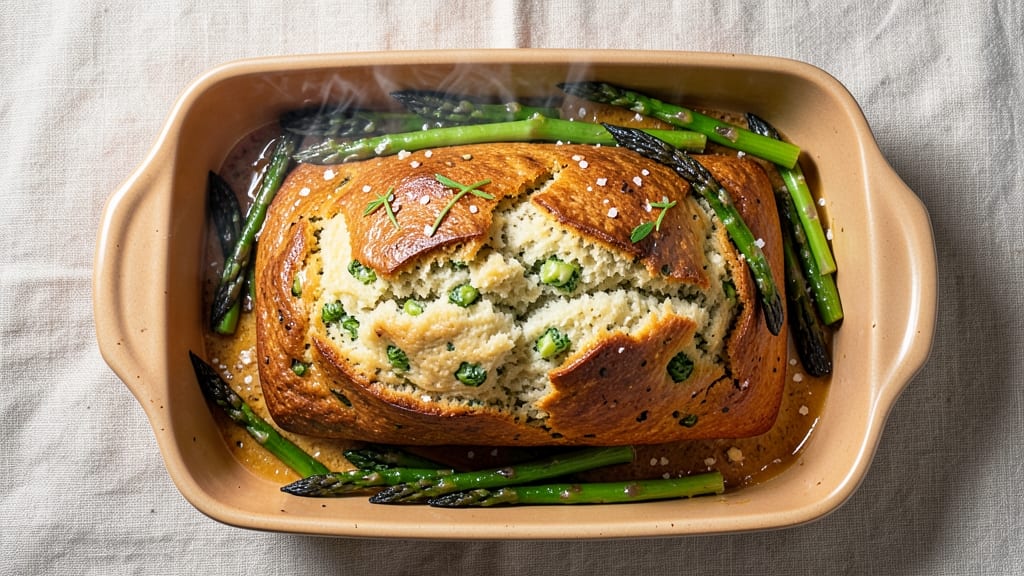
This asparagus bread recipe transforms spring’s most beloved vegetable into a herb-infused loaf with tender, flavorful crumb and a subtle asparagus depth. The key? Blending roasted asparagus directly into the dough, creating a bread that’s both nutritious and irresistibly aromatic.
I developed this recipe after realizing how often asparagus gets relegated to side dishes—why not let its earthy sweetness shine in every bite?
The process is straightforward: roast fresh asparagus until tender, then blend it into a simple yeast dough with garlic, parsley, and a touch of lemon zest. The result is a moist, golden loaf with hidden greens that add natural sweetness and a delicate, herbal note.
Unlike traditional breads, this version stays fresh longer thanks to the asparagus’s natural moisture retention, making it perfect for sandwiches or toast.
Baking takes just 45 minutes, and the aroma alone will have everyone asking what’s in this special loaf. The crust develops a crisp, golden finish while the interior remains soft and slightly chewy—a balance that makes this bread both satisfying and versatile.
Whether you’re serving it with soups, pairing it with charcuterie, or simply enjoying it with butter, this recipe proves that vegetables belong in bread just as much as they do on the plate.
For those with dietary preferences, this recipe is naturally vegetarian and can easily be adapted to vegan by omitting butter and using a plant-based alternative. The asparagus adds a subtle earthiness that complements both savory and sweet toppings, making it a standout addition to any meal.
Let’s get started on this herb-infused loaf that’s as beautiful as it is delicious.
Ingredients for asparagus bread
Herb-infused loaf with hidden asparagus transforms ordinary bread into a nutrient-rich centerpiece.
| Ingredient | Amount | Notes |
|---|---|---|
| Fresh Asparagus Spears 🥬 | 1 lb | Trimmed, roasted until tender |
| All-Purpose Flour 🌾 | 4 cups | Bread flour for better texture |
| Active Dry Yeast 🍞 | 2 ¼ tsp | 1 packet, proofed in warm water |
| Granulated Sugar 🍚 | 1 tbsp | For yeast activation |
| Unsalted Butter 🧈 | ½ cup | Cold, cubed for dough |
| Whole Milk 🥛 | 1 cup | Warmed for optimal yeast |
| Large Egg 🥚 | 1 whole | Room temperature |
| Garlic Cloves 🧄 | 3 cloves | Minced for flavor depth |
| Fresh Parsley 🌿 | ½ cup | Chopped, stems included |
| Lemon Zest 🍋 | 1 tbsp | Brightens flavor profile |
| Diamond Crystal Kosher Salt 🧂 | 1 ½ tsp | Adjust to taste |
| Black Pepper 🌶️ | ½ tsp | Freshly cracked |
| Olive Oil 🫒 | 2 tbsp | For greasing pan |
The asparagus is the star here—look for bright green spears with tight tips, indicating freshness. Whole Foods or local farmers markets often carry the best quality in spring. Roast until tender but not mushy; this ensures the bread stays moist without becoming soggy. For the flour, King Arthur bread flour elevates texture, but all-purpose works in a pinch. The yeast should be freshly opened—check the date on the package, as old yeast won't activate properly. Pre-mince the garlic and chop the parsley before starting; this saves time during the dough development phase.
No fresh asparagus? Frozen asparagus works in a bind, but thaw and pat dry thoroughly to avoid excess moisture. Substitute fresh spinach or kale at half the amount for a different herbal note, though the earthy sweetness of asparagus is irreplaceable. Want to skip the butter? Coconut oil or vegan butter maintains moisture while keeping the recipe vegetarian. The lemon zest can be substituted with orange zest for a sweeter profile, but lemon's brightness complements the asparagus beautifully. If your kitchen lacks a food processor, pulse the roasted asparagus in a blender until smooth—just ensure no chunks remain for an even texture.
The dough keeps well in the fridge for 24 hours before baking, allowing flavors to meld. For longer storage, freeze the shaped loaf (unbaked) for up to 3 months—thaw overnight before baking. Once baked, store wrapped at room temperature for 2 days or refrigerate for 5 days. The asparagus-infused bread reheats beautifully; wrap slices in foil and warm in a 350°F oven for 5 minutes to restore freshness. Slice with a serrated knife for clean cuts, and always serve slightly warm for the best texture contrast between the crisp crust and tender crumb.
Why You'll Love This Recipe
- Honestly, it’s three bowls max: proof the yeast in warm water, mix the wet ingredients, then fold in flour. No stand mixer, no fancy techniques—just stir, knead lightly, and let it do the work.
- No Waste, All Flavor: I chop asparagus stems into the dough—no pre-cooking, no peeling, just toss them right in. That fibrous bite turns into this rich, nutty depth that makes regular bread feel boring.
- One-Bowl Magic: Honestly, it’s three bowls max: proof the yeast in warm water, mix the wet ingredients, then fold in flour. No stand mixer, no fancy techniques—just stir, knead lightly, and let it do the work.
- Weeknight Dinner Hack: Between us, this bread is my secret weapon for lazy nights. Toast a slice, slather with butter, and suddenly your grilled chicken or scrambled eggs feel like a full meal. (Yes, even on a Tuesday night.)
Step-by-step instructions for herb-infused asparagus bread
Transform fresh asparagus into a flavorful loaf with this precise baking method.
Roast the Asparagus Until Tender
Preheat your oven to 400°F. Trim the tough ends from the 1 lb fresh asparagus spears and cut them into 1-inch pieces. Toss them with 1 tablespoon olive oil, 1 teaspoon kosher salt, and ¼ teaspoon black pepper until evenly coated.
Spread the asparagus on a baking sheet in a single layer, ensuring they don't overlap. Roast for 12-15 minutes until tender and slightly caramelized at the edges. Watch closely after 10 minutes—the asparagus should be bright green but easily pierced with a fork. Let them cool completely before processing.
Prepare the Yeast and Mix Wet Ingredients
In a small bowl, combine the 1 cup warm whole milk (about 110°F) with the 2.25 teaspoons active dry yeast and 1 tablespoon granulated sugar. Let this sit for 5-10 minutes until frothy. This activation step ensures your bread rises properly.
In a separate large bowl, whisk together the 1 whole large egg, 0.5 cup unsalted butter (softened), 0.5 cup chopped fresh parsley, 1 tablespoon lemon zest, 1 teaspoon kosher salt, and ¼ teaspoon black pepper. Add the yeast mixture and mix until combined. The butter should be incorporated smoothly, creating a creamy base for your dough.
Combine Dough and Incorporate Asparagus Puree
Gradually add the 4 cups all-purpose flour to the wet ingredients, mixing with a wooden spoon until a shaggy dough forms. Transfer the dough to a lightly floured surface and knead for 8-10 minutes until smooth and elastic. If the dough feels too sticky, add flour 1 tablespoon at a time.
While the dough rests, process the cooled roasted asparagus in a food processor until smooth. Transfer the puree to a small bowl and set aside. After kneading, press the dough into a rectangle, spread the asparagus puree evenly over the surface, then roll it up tightly like a jelly roll. This technique ensures even distribution of the asparagus flavor throughout the loaf.
First Rise and Shape the Loaf
Place the rolled dough seam-side down in a lightly greased 9x5-inch loaf pan. Cover with a clean kitchen towel and let it rise in a warm place for 1-1.5 hours, or until it has doubled in size. The dough should feel light and springy when pressed gently with a finger.
While the dough rises, preheat your oven to 375°F. Once doubled, use a sharp knife to score the top of the loaf in a simple crosshatch pattern. This not only looks beautiful but also allows the bread to expand properly during baking. The scored lines should be about ½-inch deep.
Bake to Golden Perfection
Bake the loaf for 35-40 minutes until it reaches an internal temperature of 190°F and the top is deep golden brown. For the crispiest crust, place a small pan of water on the lower oven rack during the first 20 minutes of baking—this creates steam that enhances browning.
Remove the bread from the oven and transfer it to a wire rack to cool for at least 30 minutes before slicing. The internal temperature will continue to rise slightly as it cools, ensuring a perfectly baked loaf. Once cooled, slice and serve warm with butter or your favorite spread—each bite will reveal the subtle, earthy notes of the asparagus hidden within.
Pro Tips For Making Asparagus Bread
- Trim Asparagus to 2 Inches: The recipe likely calls for chopped asparagus, but I learned the hard way—long spears turn to mush while shorter ones stay crisp. Cut them just below the first tough section, then slice into 2-inch pieces. This keeps texture where it matters most: in every bite.
- Blanch Asparagus First: Skip the raw chop-and-fold method. Blanch the asparagus in boiling water for 30 seconds, then plunge into ice water to stop cooking. This softens it just enough to blend smoothly without turning the dough gluey. (Yes, even if you’re impatient like me.)
- Proof Until It Jiggles: The dough’s ready when it springs back slowly when poked—not instantly. I used to rush it, and the bread turned dense. Give it 1–1.5 hours in a warm spot (like a turned-off oven with the light on) until the edges look puffy and the middle moves like jelly.
- Use Cold Butter for Layers: Fold in the butter at the last minute and keep it cold. Warm butter melts into the dough, making flaky layers impossible. Cut it into small cubes, pat them into the dough gently, and fold like you’re tucking in a blanket—no pressing, just coaxing.
Flavor customization for this dish
Herb-Infused Variations
Swap the parsley for 1 cup chopped fresh dill or thyme to create a bright, herbal twist. I find dill pairs beautifully with the asparagus's earthiness, while thyme adds a warm, slightly floral note. For a Mediterranean touch, add 1 teaspoon dried oregano along with the parsley. 🌿
Spicy Kick Options
Add ½ teaspoon red pepper flakes or 1 teaspoon gochujang to the dough for a subtle heat. The Korean fermented chili paste brings umami depth, while red pepper flakes offer a classic spicy kick. For a smoky variation, mix in ½ teaspoon smoked paprika with the salt. 🌶️
Cheesy Additions
Fold in ½ cup shredded Parmesan or pecorino romano during the final kneading for a savory depth. The cheese melts slightly during baking, creating pockets of rich flavor. For a vegan option, use nutritional yeast (about ¼ cup) for a cheesy, umami boost. 🧀
Sweet-Tangy Balance
Enhance the lemon zest with 1 tablespoon orange zest or ½ teaspoon grated ginger for a citrusy warmth. I've also experimented with 1 teaspoon honey in the dough, which caramelizes slightly during baking and pairs perfectly with the asparagus's natural sweetness. 🍋
Grain Variations
Replace 1 cup all-purpose flour with whole wheat flour for a nuttier texture, or use spelt flour for a lighter crumb. For a gluten-free option, substitute with a 1:1 gluten-free bread flour blend (like Bob's Red Mill) and add 1 teaspoon xanthan gum to improve elasticity. 🌾
Topping Ideas
Create a garlic-herb topping by mixing 2 tablespoons minced garlic, 2 tablespoons chopped parsley, and 1 tablespoon olive oil. Brush this over the loaf before baking for extra flavor. For a crunchy finish, sprinkle toasted sesame seeds or poppy seeds on top before scoring. 🌟
Nutrition facts
Frequently asked questions
Why does my asparagus bread turn out dense instead of light?
The most common cause is over-kneading or under-proofing the dough. Knead only until smooth (8-10 minutes) and let it rise until doubled (1-1.5 hours). Also, ensure your yeast is fresh and the milk is warm (110°F) but not hot. Cold milk can kill the yeast, preventing proper rising.
Can I make this bread without roasting the asparagus?
Yes, but the flavor will be milder. For a quicker version, blend raw asparagus into the dough after trimming and chopping. However, roasting enhances the asparagus's natural sweetness and removes bitterness. If short on time, sauté the asparagus in a pan for 3-4 minutes until tender before blending.
How do I store asparagus bread to keep it fresh?
Wrap cooled slices in plastic wrap or store in an airtight container at room temperature for 2 days. For longer storage, freeze slices for up to 3 months. To reheat, wrap in foil and warm in a 350°F oven for 5 minutes or toast in a toaster. The asparagus puree helps preserve moisture better than traditional bread.
What’s the best way to serve this bread?
This herb-infused loaf shines with savory toppings like olive oil and flaky sea salt, whipped goat cheese, or avocado mash. It also makes excellent toast for breakfast or sandwiches. For a sweet twist, try it with honey and walnuts. The subtle asparagus flavor works in both sweet and savory pairings!
Can I substitute frozen asparagus?
Yes, but thaw and pat it completely dry first to avoid excess moisture in the dough. For best results, use 1 lb frozen asparagus and roast until fully thawed and tender. The texture will be slightly different but still delicious. If using, add an extra 1 tablespoon flour to absorb any residual moisture.