
Side Dishes
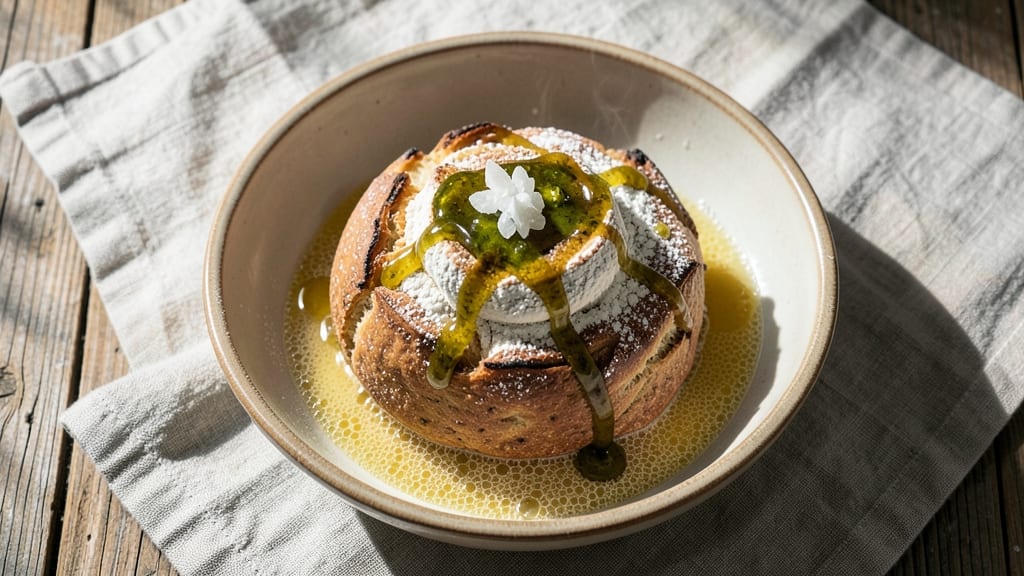
This artisan bread recipe transforms your kitchen into a bakery with a crispy Dutch oven crust and pillowy softness inside—just like the breads Reddit bakers obsess over. The secret lies in high hydration dough and steam baking, creating that perfect contrast between chewy interior and golden, crackling exterior.
I perfected this after years of trial and error, and it’s now my go-to for restaurant-quality bread at home.
The process starts with a simple mix of flour, water, yeast, and salt, but the magic happens during fermentation and baking. Letting the dough rest overnight develops deep flavor, while baking in a Dutch oven traps steam for that iconic oven spring.
No fancy equipment needed—just patience and attention to detail. This recipe delivers professional results without requiring years of practice.
What you’ll end up with is bread that’s crusty on the outside, soft and airy inside, with a nutty, complex flavor that keeps improving over days. The Dutch oven creates a thick, crackling crust that’s perfect for dipping in olive oil or slathering with butter.
Every slice has that satisfying pull-apart texture that makes homemade bread worth the effort.
Whether you’re baking for a family dinner or treating yourself to a weekend project, this recipe scales perfectly. The dough can be shaped into boules, batards, or even a rustic loaf—your choice. Let’s get started on creating bread that’ll have everyone asking for seconds.
Ingredients for artisan bread recipe reddit
Four simple ingredients plus a few pantry staples—this is your ticket to bakery-quality bread.
| Ingredient | Amount | Notes |
|---|---|---|
| All-Purpose Flour 🌾 | 5 cups | King Arthur or high-gluten preferred |
| Water 💧 | 3 ½ cups | Room temperature, filtered preferred |
| Active Dry Yeast 🍞 | ¼ oz | Or 2.25 tsp, fresh yeast preferred |
| Kosher Salt 🧂 | 1 ½ tsp | Diamond Crystal preferred for accuracy |
| Olive Oil 🫒 | ½ tbsp | Extra-virgin for richness |
| Honey 🍯 | 1 tbsp | Wildflower for subtle flavor |
| Cornmeal 🌽 | ½ cup | For dusting Dutch oven |
| Ice Water ❄️ | ¼ cup | For final dough shaping |
The flour is where the magic starts. King Arthur or high-gluten flour gives that perfect chewy texture, but all-purpose works in a pinch. I grab mine from King Arthur's website for consistent quality. Yeast is non-negotiable here—use fresh yeast if you can find it, or make sure your active dry yeast is less than 6 months old. The honey isn't just for flavor; it helps feed the yeast during fermentation. Store-bought honey works fine, but wildflower has that extra depth. Salt matters too—Diamond Crystal measures differently than table salt, so stick with kosher if you want perfect results.
No yeast? Sourdough starter works, but you'll need to adjust the ratio. Running low on honey? Maple syrup at the same amount gives similar sweetness. The olive oil is optional but adds richness—any neutral oil works if you're out. For the Dutch oven prep, cornmeal is ideal, but semolina or rice flour works too. The ice water at the end might seem odd, but it's what creates that signature oven spring. Pro tip: keep a bowl of ice water in your freezer for quick access during shaping.
This dough is best made a day ahead—fermentation is where the flavor develops. Store the dough in an oiled bowl covered with a damp towel in the fridge. It'll keep for up to 3 days before baking. The baked loaves? Wrap them in a clean kitchen towel and store at room temperature for 3-4 days. For longer storage, freeze slices wrapped in parchment—just reheat in a toaster or oven for that fresh-baked taste.
Why You'll Love This Recipe
- Five-Ingredient Magic: I swear, the pantry staples you already own—flour, yeast, salt, water—come together with just enough olive oil to make something that feels special. No fancy sourdough starter, no waiting days—just mix, shape, and bake.
- Crust That Cracks: That golden, shatterable crust? It’s the star. The yeast and salt work their magic overnight, giving you a loaf with a satisfying snap that’s somehow both crisp and soft inside—no sad, dense bread here.
- Weeknight Hero: Toss it in the oven while you toss a salad or reheat soup. It’s my go-to for sandwiches, toast, or even croutons—no one will guess it’s just flour and a little patience.
- Budget-Friendly Staple: A single loaf costs pennies but lasts forever. Freeze half for lazy mornings, and the rest? It’s the only thing that makes store-bought jam taste worth it. Plus, no wasted ingredients—every bit gets used.
Step-by-step instructions for artisan bread with a crispy Dutch oven crust
Here's the straightforward method to achieve that coveted artisan bread texture—crispy crust and soft, airy interior.
Activate the Yeast for Maximum Rise
In a small bowl, combine the 3.5 cups water with the 1 tablespoon honey and stir until the honey dissolves completely. Sprinkle the 0.25 oz active dry yeast over the surface and let it sit for 5-10 minutes until it becomes frothy. This tells you the yeast is alive and ready to work.
I always use room-temperature water for this step—it wakes up the yeast faster than cold water. If the mixture doesn't bubble after 10 minutes, your yeast might be dead, and you'll need to start over. Once it's active, proceed immediately to avoid overproofing.
Mix the Dough Until Windowpane Stage
In a large bowl, whisk together the 5 cups all-purpose flour and 1.5 teaspoons kosher salt. Create a well in the center and pour in the yeast mixture along with the 0.5 tablespoon olive oil. Use a wooden spoon to gradually incorporate the flour from the edges until a shaggy dough forms.
Turn the dough out onto a lightly floured surface and knead for 8-10 minutes until smooth and elastic. To test if it's ready, perform the windowpane test: stretch a small piece of dough between your fingers until it's thin enough to see light through it. This ensures proper gluten development for that perfect chewy texture.
Let the Dough Rest and Rise Twice
Place the dough back in the bowl, cover it with a damp towel, and let it rise in a warm place for 1-2 hours or until it has doubled in size. I like to put my oven on its lowest setting with a bowl of hot water inside to create a warm, humid environment—this helps the dough rise evenly.
After the first rise, gently punch down the dough to release any air bubbles, then shape it into a round loaf. Place it seam-side up in a bowl, cover again, and let it rise for another 30-45 minutes. The dough should spring back slowly when poked with your finger—this indicates it's ready for baking.
Shape and Prepare for Baking
Lightly dust a clean surface with the 0.5 cup cornmeal and transfer the dough onto it. Shape the dough into an oval loaf by pulling the edges toward the center and tucking them underneath. This creates tension in the dough that helps it expand beautifully in the oven.
Preheat your oven to 450°F with a Dutch oven inside for 30 minutes. The Dutch oven helps trap steam, creating that perfect crust. Once preheated, carefully transfer the dough to the hot Dutch oven using a peel or parchment paper. Sprinkle the top with a little more cornmeal if desired.
Bake to Golden Perfection
Bake the bread, covered with the lid, for 30 minutes. Then remove the lid and continue baking for another 15-20 minutes until the crust is deep golden brown and sounds hollow when tapped on the bottom. The internal temperature should reach 205-210°F.
Let the bread cool on a wire rack for at least 1 hour before slicing—this prevents a gummy interior. The crust should be crispy enough to stand up to a knife, while the inside remains soft and airy. Serve warm with your favorite toppings or enjoy it plain for the ultimate homemade bread experience.
Pro Tips For Making Artisan Bread Recipe Reddit
- Measure Flour by Weight: Dump that scoop-and-sweep method—it’s the reason your dough feels off. Use a kitchen scale for the flour; 500g of all-purpose is your target. Packing it too tight adds extra water, and scooping leaves gaps. I learned this the hard way when my first batch turned out dense as a brick.
- Hydrate the Yeast Properly: Skip the "sprinkle and stir" approach—yeast needs warmth to wake up. Mix the active dry yeast with ¼ cup of warm water (about 110°F) and let it sit for 5–10 minutes until foamy before adding the rest of the water. Cold water kills it; hot water cooks it. I’ve ruined batches by rushing this step.
- Knead Just Enough: Over-kneading makes gluten tough and chewy—this isn’t pizza dough. Stop when the dough springs back slowly when poked (about 8–10 minutes by hand). For a shortcut, use a stand mixer with the dough hook on low for 5–6 minutes, but don’t let it get warm. I used to go overboard, and my bread tasted like gum.
- Steam the Oven First: Preheat your Dutch oven or baking stone with a boiling water bath for 10 minutes before baking. The steam creates that crackly crust you crave. Skip this, and you’ll end up with a sad, dry loaf. (Yes, even if you’re impatient like me.) My grandmother swore by this, and she was right.
Regional styles of this artisan bread recipe reddit
French Baguette Style
For a classic French baguette, shape the dough into a long, thin loaf about 20 inches long and 3 inches wide. Use a baguette pan or line a baking sheet with parchment paper. Score the top with three quick slashes using a razor blade or lame before baking.
The key is to bake at 475°F for 20-25 minutes with steam—place a tray of boiling water in the oven for the first 10 minutes to achieve that signature crispy crust. 🥖
Italian Focaccia Twist
Transform this dough into focaccia by pressing it into a 9x13-inch pan and dimpling the surface with your fingers. Drizzle with 2 tablespoons olive oil and sprinkle with 1 teaspoon sea salt. Top with rosemary sprigs or cherry tomatoes before baking at 425°F for 25-30 minutes.
The result is a soft, olive oil-rich bread perfect for dipping. I love adding garlic slices pressed into the dough right before baking for extra flavor. 🌿
German Pretzel Adaptation
Shape the dough into small, round balls and boil them in water with 2 tablespoons baking soda for 30 seconds before baking. This creates the iconic pretzel crust. Bake at 450°F for 12-15 minutes until golden.
For a sweet version, brush with melted butter and sprinkle with coarse sea salt and sesame seeds. The baking soda bath gives that classic chewy exterior that kids (and adults!) love. 🧀
Swedish Cardamom Bread
Add 1 teaspoon ground cardamom and 1 tablespoon sugar to the dough for a Scandinavian-inspired loaf. Shape into a round boule and bake in a Dutch oven as directed. The cardamom adds a warm, aromatic flavor that pairs beautifully with butter and jam.
For extra richness, brush the baked loaf with melted butter while still warm. This variation is perfect for breakfast or as a sweet accompaniment to coffee. ☕
Mexican Corn Tortilla Bread
Replace 1 cup of the all-purpose flour with 1 cup masa harina for a fusion twist on this recipe. Shape the dough into small, flat rounds and bake on a preheated baking sheet at 400°F for 8-10 minutes until golden.
These work as both bread and tortillas—great for dipping in salsa or wrapping tacos. The masa harina gives a slightly sweet, corn-like flavor that’s a fun change from traditional bread. 🌽
Japanese Milk Bread
For a softer, fluffier texture, add ½ cup warm milk and 2 tablespoons sugar to the dough ingredients. Shape into small rounds and bake at 350°F for 20-25 minutes. The milk creates a tender crumb that’s perfect for sandwiches or toast.
Brush the baked loaves with butter mixed with powdered sugar for a sweet finish. This variation is inspired by Japanese milk bread but adapted for home bakers without a stand mixer. 🍞
Nutrition facts
Frequently asked questions
Can I make this artisan bread without a Dutch oven?
If you don’t have a Dutch oven, use a heavy oven-safe pot with a lid or even a baking stone. For extra crustiness, place a metal tray filled with boiling water on the oven rack during baking. This creates steam, mimicking the Dutch oven effect. The bread will still be delicious—just slightly less dramatic in crust development.
Why does my dough smell like alcohol after fermentation?
That’s normal! Yeast consumes sugars during fermentation and produces alcohol and carbon dioxide as byproducts. A slight alcoholic aroma means fermentation worked—it’s especially common with high-hydration doughs like this one. If the smell is overpowering or the dough tastes bitter, your fermentation may have gone too long.
How do I fix if my bread turns out dense instead of airy?
Dense bread usually means underproofed dough or insufficient kneading. Next time, let the dough rise until it’s 50-75% larger (not just doubled) and perform the windowpane test to check gluten development. Also, ensure your yeast is fresh and your oven is properly preheated with steam. Patience is key—don’t rush the process!
Can I substitute honey with something else?
Yes! Use 1 tablespoon maple syrup or 1 tablespoon sugar dissolved in water> for similar results. Honey adds subtle sweetness and helps feed yeast, but these alternatives work in a pinch. Just note the flavor may be slightly different—maple syrup adds earthiness while sugar is neutral.
How long should I store homemade artisan bread?
Wrap cooled loaves in a clean kitchen towel and store at room temperature for 3-4 days. For longer storage, freeze slices wrapped in parchment paper. Reheat in a toaster or oven for that fresh-baked taste. The crust stays crispy while the interior remains soft when stored properly.