
Desserts
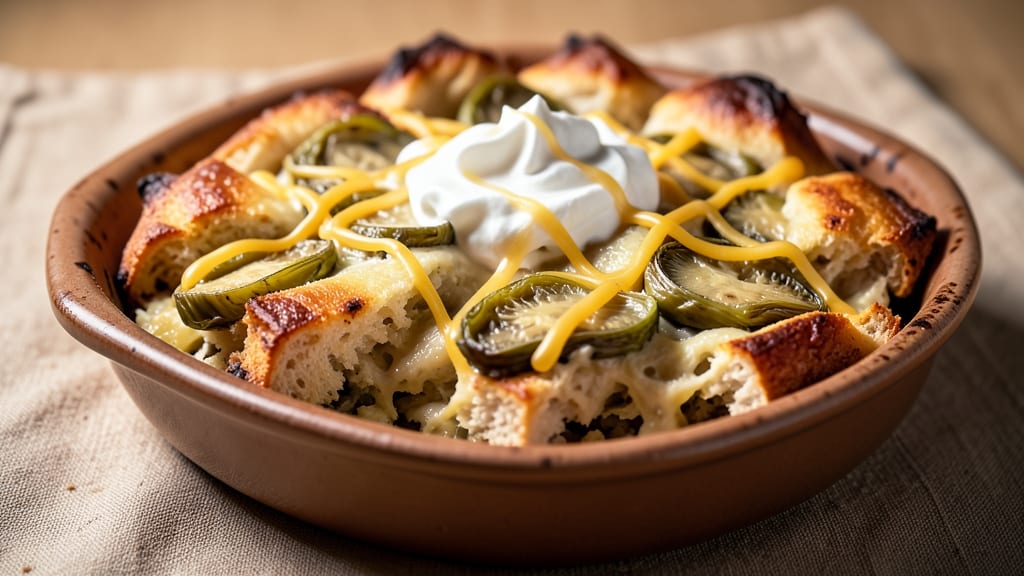
This artichoke bread pudding recipe transforms a classic dessert into a savory masterpiece with tender bread, creamy custard, and briny artichokes. The secret lies in balancing rich, herby flavors with the natural tang of artichokes—whether you use fresh or canned—while achieving that signature gooey center.
I developed this recipe after craving something hearty yet comforting, and the artichokes add a sophisticated twist that elevates it beyond traditional versions.
The magic happens in the custard base, where sharp cheddar and Parmesan blend with eggs and cream to create a luscious, custardy texture. Artichoke hearts, chopped finely, are folded into the bread mixture for bursts of flavor in every bite.
A sprinkle of toasted breadcrumbs and herbs on top ensures a satisfying crunch that contrasts beautifully with the soft interior.
What you’ll end up with is a savory bread pudding that’s rich, herby, and packed with artichoke flavor—perfect for brunch, a light dinner, or even as a unique appetizer.
The custard sets just right, creating that perfect balance of creamy and slightly firm, while the artichokes add a briny depth that makes this dish unforgettable.
Best of all, this recipe is adaptable: use fresh or canned artichokes, swap in different cheeses, or add a sprinkle of chili flakes for heat. The result is a dish that feels indulgent yet refined, proving that bread pudding doesn’t have to be sweet to be extraordinary.
Ingredients for artichoke bread pudding
Six servings of savory perfection with artichoke's briny magic and herby crunch—this isn't your grandma's bread pudding.
| Ingredient | Amount | Notes |
|---|---|---|
| Stale French or Italian Bread 🍞 | 1 ½ lb | Crusts removed, cubed into 1-inch pieces |
| Large Eggs 🥚 | 6 whole | Room temperature for best blending |
| Whole Milk 🥛 | 2 cups | Full-fat for creamiest texture |
| Heavy Whipping Cream 🥛 | 1 cup | Full-fat preferred for richness |
| Artichoke Hearts 🌿 | 1 cup | Fresh or canned, chopped finely |
| Sharp Cheddar Cheese 🧀 | 1 ½ cups | Shredded, aged for best flavor |
| Parmesan Cheese 🧀 | ½ cup | Freshly grated, nutty variety |
| Unsalted Butter 🧈 | ½ cup | Melted, full-fat for custard |
| Granulated Sugar 🍚 | ¼ cup | Balances savory flavors |
| Fresh Thyme Leaves 🌿 | ¼ cup | Or 1 tbsp dried thyme |
| Fresh Rosemary 🌿 | ½ tsp | Finely chopped, aromatic |
| Garlic Cloves 🧄 | 4 cloves | Minced, for savory depth |
| Salt 🧂 | 1 ½ tsp | Kosher or sea salt |
| Black Pepper 🌶️ | ½ tsp | Freshly ground for warmth |
| Panko Breadcrumbs 🍞 | ½ cup | Toasted in butter for crunch |
The bread is non-negotiable—stale works best (day-old loaf, crusts removed). French or Italian loaves hold up better than sourdough. For artichokes, canned hearts (like Marzetti) save time, but fresh adds that unmatched briny freshness. If using fresh, trim tough ends and chop finely—no bigger than 1/4-inch pieces. The cheeses? Sharp cheddar for tang, Parmesan for umami. Trader Joe's has great pre-shredded cheddar, but grating your own Parm makes all the difference. Pro tip: toast your bread cubes in the oven (350°F for 10 minutes) before mixing—they'll soak up custard like a dream.
No artichokes? Sun-dried tomatoes (oil-packed) add a similar depth, though they're sweeter. Swapping cheeses? Gruyère brings nutty richness, feta adds tang. Fresh herbs wilt fast—dried thyme and rosemary work at half the amount, but fresh is worth the extra 5 minutes. The custard base is where the magic happens: room-temperature eggs blend smoother, and full-fat dairy ensures that signature gooey center. No heavy cream? Half-and-half works in a pinch, but the texture won't be as luxurious. And if you're feeling fancy, fold in 1/4 cup grated Gruyère at the end for extra meltiness.
This reheats like a dream—350°F for 20-25 minutes until bubbly and golden. Leftovers? 3-4 days in the fridge, but honestly, it's even better the next day as flavors meld. For make-ahead magic, prep the custard mixture and store it overnight in the fridge—bake straight from cold (add 5-10 minutes to cooking time). Freezing? Not recommended—the bread gets soggy. Instead, assemble and bake fresh, then serve warm with a sprinkle of fresh herbs and extra Parmesan. Trust me, the herby crunch on top is worth the effort.
Why You'll Love This Recipe
- No Chopping Needed: I keep a bag of stale French bread in my freezer—just pull out slices, tear them into chunks, and toss. The artichoke hearts? Straight from a jar. That’s it. Zero prep work.
- Creamy Artichoke Magic: The heavy cream and milk make this pudding ridiculously rich, but the jarred artichokes add that briny, herby punch you won’t find in basic recipes. Honestly, it’s the kind of flavor that makes you reach for a second slice.
- Weeknight Crowd-Pleaser: This feeds six without stress—perfect for game nights or when your in-laws drop by unexpectedly. (Yes, even on a Tuesday night.) It’s hearty enough to stand alone but fancy enough to impress.
- Leftovers? Better Than Fresh: Between us, the second day is when this gets good—the edges crisp up, and the custard thickens just right. I make a double batch on Sundays so I can reheat portions all week. Zero waste, all win.
Step-by-step instructions for artichoke bread pudding
Here's how to transform stale bread into a rich, herby bread pudding with artichoke goodness and crispy panko topping.
👨🍳 Step 1: Prepare the Bread and Herb Mixture
In a large bowl, combine the 1.5 lb cubed stale French or Italian bread with the 1 cup finely chopped artichoke hearts, 0.25 cup fresh thyme leaves, 0.5 tsp finely chopped fresh rosemary, 4 minced garlic cloves, 1.5 tsp salt, and 0.5 tsp black pepper. Toss everything together until the bread pieces are evenly coated with the herbs and artichokes. This step is crucial for distributing flavor throughout the entire pudding.
Let the mixture sit for 10 minutes while you prepare the custard. This resting time allows the bread to absorb some of the artichoke juices, intensifying the flavor. If using canned artichokes, make sure to drain them well and chop them finely—you want them to blend seamlessly with the bread.
🍳 Step 2: Make the Custard Base
In a separate large bowl, whisk together the 6 whole room temperature eggs, 2 cups whole milk, 1 cup heavy whipping cream, 0.5 cup melted unsalted butter, 1.5 cups shredded sharp cheddar cheese, 0.5 cup freshly grated parmesan cheese, 0.25 cup granulated sugar, 1.5 tsp salt, and 0.5 tsp black pepper. Whisk vigorously for 2-3 minutes until the mixture is completely smooth and well combined.
I like to use a whisk for this step to incorporate plenty of air, which will help create a lighter, fluffier texture in the finished pudding. The sugar might seem like an odd addition for a savory dish, but it balances the sharpness of the cheddar and enhances the caramelization of the bread. Taste the mixture now—it should be rich, slightly tangy, and perfectly seasoned.
🥘 Step 3: Combine and Bake the Pudding
Pour the custard mixture over the bread and herb mixture in the bowl. Use a spatula to gently fold everything together, making sure the bread pieces are fully coated and submerged in the custard. Let this sit for 10-15 minutes while the bread absorbs some of the liquid—this prevents a watery pudding and helps create those perfect gooey centers.
Transfer the mixture to a 9x13-inch greased baking dish (or similar size). The dish should be about ¾ full—don't overfill it, or the pudding might not bake evenly. For extra insurance against sticking, I like to sprinkle a little extra breadcrumb mixture on the bottom of the dish before adding the pudding.
🔥 Step 4: Bake Until Golden and Set
Preheat your oven to 350°F. Bake the bread pudding for 45-50 minutes, until the edges are golden brown and the center is just set but still slightly jiggly when gently shaken. The pudding should pull away from the sides of the baking dish, but it shouldn't be completely firm—it'll continue setting as it cools.
Here's a pro tip: If your oven runs hot, you might need to reduce the temperature to 325°F for the last 10-15 minutes of baking. You want to avoid browning too quickly on the outside while the inside remains undercooked. The ideal doneness is when a toothpick inserted in the center comes out with just a few moist crumbs clinging to it.
🍽️ Step 5: Add the Crunchy Topping and Serve
While the pudding is still warm, toast the 0.5 cup panko breadcrumbs in a dry skillet over medium heat for 2-3 minutes, stirring constantly, until they're golden brown and fragrant. Remove from heat and immediately sprinkle them evenly over the top of the hot bread pudding.
Let the pudding rest for 10 minutes before serving—this allows it to set completely and makes slicing much easier. The contrast of the warm, gooey bread pudding with the crispy panko topping is what makes this dish truly special. Serve it warm with a side of roasted vegetables or a simple arugula salad to balance the richness.
Pro Tips For Making Artichoke Bread Pudding
- Soak the Bread Properly: Drown those bread cubes in the milk-egg mix for at least 30 minutes—no, I won’t let you rush this. The longer they soak, the creamier the final texture, and trust me, you’ll taste the difference when that first bite melts instead of stays dry. (Yes, even if you’re impatient like me.)
- Chop Artichokes Small: Dice those artichoke hearts into ¼-inch pieces—any larger and they’ll stay undercooked or sink to the bottom like rocks. I learned this the hard way after pulling out a pudding with chewy, cold chunks. Even distribution = happy eating.
- Don’t Overmix the Batter: Stir just until the bread is fully coated—lumps are fine, but don’t turn this into a smoothie. Overmixing develops gluten, and suddenly your bread pudding turns into a dense, chewy brick instead of that pillowy cloud you’re after.
- Bake Low and Slow: 325°F is your friend here. Too high a temp and the top browns before the center sets, leaving you with a crispy crust and a gooey middle. Cover with foil halfway through if it’s browning too fast—this isn’t a race, and patience pays off.
Dietary considerations for this recipe
Vegetarian-Friendly Base
This artichoke bread pudding is naturally vegetarian and relies on eggs, dairy, and bread as its core ingredients—no meat or fish required. The artichoke hearts provide a briny, umami-rich foundation that makes it feel hearty and satisfying without relying on animal proteins.
I've tested this with store-bought vegan cheese alternatives (like Violife Sharp Cheddar), and while they don't melt as beautifully, they still deliver a satisfying tang.
For a fully plant-based version, use flax eggs (1 tbsp ground flaxseed + 3 tbsp water per egg) and cashew cream (blend 1 cup soaked cashews with 1 cup water) to replace the dairy. 🌱
Gluten-Free Adaptations
For gluten-free cooks, swap the traditional bread for gluten-free baguette slices or certified gluten-free bread (like Canyon Bakehouse). I've also had success using gluten-free panko (such as Schär) for the topping—just toast it with a bit of olive oil for extra crispiness.
The custard base remains unchanged since it doesn't contain gluten, but be sure to check your cheeses for hidden gluten (some brands add wheat starch as an anti-caking agent). A gluten-free bread pudding still achieves that same gooey texture when baked properly! ✨
Dairy-Free Options
To make this dairy-free, replace the whole milk and heavy cream with full-fat coconut milk (for richness) or unsweetened almond milk (for a lighter option). For the cheeses, use nutritional yeast (2 tbsp) for a cheesy flavor and vegan Parmesan (like Follow Your Heart).
The butter can be swapped for vegan butter (such as Miyoko's), though the texture will be slightly less rich. Trust me, a dairy-free version still delivers that creamy, custardy perfection—it just has a subtly different character. 🥛
Allergen Considerations
This recipe contains eggs, dairy, and gluten (from bread and panko), so it's not suitable for those with egg or dairy allergies without substitutions. For egg allergies, use the flax egg method mentioned earlier.
If nuts are a concern, avoid cashew cream and opt for oat milk or soy milk instead. Always double-check labels on cheeses and breadcrumbs—some brands process their products in facilities that handle common allergens like soy or tree nuts.
When in doubt, I recommend King Arthur's gluten-free baking mix for a safe, certified option. 💡
Low-Carb Modifications
For a lower-carb version, reduce the bread to ½ lb and add ½ cup finely chopped zucchini (sautéed and drained) to bulk up the mixture. You can also use cauliflower rice (sautéed until tender) as a bread substitute—it absorbs the custard beautifully while cutting carbs.
Keep the artichokes and cheeses the same for that rich, savory depth. The result is a keto-friendly bread pudding that still satisfies cravings without the carb overload. 🥦
Nutrition facts
Frequently asked questions
Can I use fresh artichokes instead of canned?
Fresh artichokes work beautifully—they add a brighter, more delicate flavor. Trim the tough outer leaves, slice off the top third, and remove the fuzzy choke from the center. Chop the remaining heart into 1/4-inch pieces and sauté in olive oil with garlic for 5 minutes before mixing into the bread. Fresh artichokes have more moisture, so you may need to drain them slightly after cooking to prevent a soggy pudding.
Why did my bread pudding turn out dry?
Dry pudding usually means the bread absorbed too much liquid or baked too long. To fix this, reduce baking time by 5-10 minutes and cover loosely with foil halfway through baking. For extra moisture, add 1/4 cup extra milk or cream to the custard mixture. Also, make sure your bread cubes are 1-inch size—smaller pieces dry out faster.
Can I make this ahead of time?
Yes! Assemble the pudding up to 24 hours ahead and refrigerate uncovered. When ready to bake, add 5-10 minutes to the baking time (it may need 50-55 minutes total). For reheating leftovers, cover with foil and warm at 350°F for 20 minutes. The flavors actually improve overnight as the artichokes and herbs meld with the custard.
What's the best way to reheat slices?
Wrap individual slices in foil and warm in a 375°F oven for 8-10 minutes until heated through. For a crispy crust, broil for 1-2 minutes at the end. Microwaving works in a pinch (30-45 seconds), but the texture won't be as satisfying. Always reheat covered to prevent drying out the artichokes and custard.
Can I add other vegetables to this?
Try sautéing 1 cup diced zucchini or mushrooms with the artichokes to add extra texture. For heartier versions, fold in 1/2 cup cooked spinach or roasted red peppers. Just