
Side Dishes
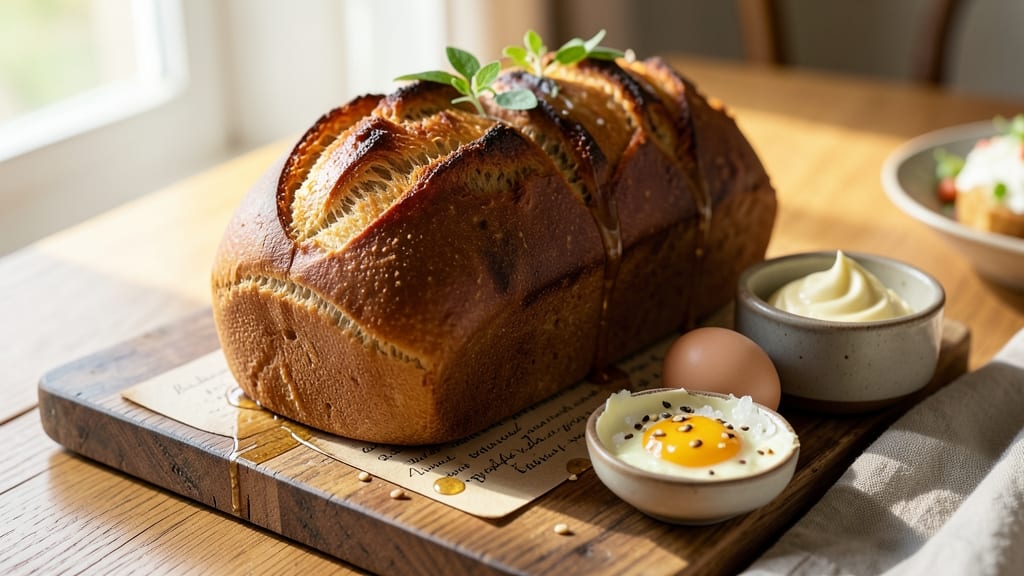
This Arthur bread recipe delivers the perfect balance of a crisp, golden crust and an impossibly soft, pillowy interior—just like the legendary bakery loaves. 🌟 The secret lies in precise dough handling and patient proofing, transforming simple ingredients into a loaf that feels like a warm hug with every bite.
What sets Arthur bread apart is its signature texture: a tender crumb that resists tearing while maintaining that satisfying crust. Using a stand mixer cuts prep time in half, but traditional kneading by hand develops the gluten for that signature chew.
The dough rests twice—once after mixing, again after shaping—to ensure maximum softness.
By the time it emerges from the oven, you’ll have a loaf with a caramelized crust and a crumb so light it practically melts. The aroma alone will have everyone gathering around the table. This recipe stays fresh for days, making it perfect for meal prep or gifting.
Whether you’re baking for a family dinner or a special occasion, this method guarantees a loaf that rivals any bakery—with the satisfaction of making it yourself. Let’s get started on creating your perfect Arthur-style bread.
Ingredients for arthur bread
Simple ingredients that transform into bakery-style perfection with patience and love.
| Ingredient | Amount | Notes |
|---|---|---|
| All-Purpose Flour 🌾 | 4 cups | Spooned and leveled, not packed |
| Instant Yeast 🍞 | ¼ tsp | Active dry works too |
| Granulated Sugar 🍚 | ½ tsp | For yeast activation |
| Unsalted Butter 🧈 | ½ cup | Cold, cubed (not melted) |
| Large Eggs 🥚 | 1 whole | Room temperature preferred |
| Whole Milk 🥛 | ½ cup | Warmed to 110°F |
| Salt 🧂 | 1 ½ tsp | Diamond Crystal preferred |
| Cornmeal 🌽 | ¼ cup | For dusting baking sheet |
| Water 💧 | ½ cup | Room temperature |
| Honey 🍯 | 1 tbsp | For egg wash |
| Sesame Seeds 🌱 | 1 tbsp | For topping (optional) |
The flour is where the magic happens—King Arthur or Gold Medal brands are ideal for that signature chew. I always grab my flour from Whole Foods bulk bins or the bakery section at Kroger—they keep it fresh. For the butter, Plugrá or Land O'Lakes unsalted work perfectly, but never use salted. The yeast? Fresh is best—check the expiration date, and if it's been sitting for weeks, grab a new packet. That warm milk? It should feel like bathwater (110°F)—not scalding, not cold.
No instant yeast? Active dry works at double the amount. Short on butter? Olive oil or vegetable shortening keeps the texture intact, though butter gives that unmatched flavor. The honey can be swapped for maple syrup or melted butter if you're avoiding it. For the sesame seeds, toasted in a dry pan for 30 seconds makes them pop even more. The cornmeal? Any fine grain works—just make sure it's dry. And if you're gluten-free? This isn't your bread, but for traditional Arthur bread, the gluten is what gives it that signature structure.
The dough keeps for 24 hours in the fridge, wrapped tightly in plastic—perfect for shaping the next day. For longer storage, freeze shaped loaves for up to 3 months before baking. The baked loaf stays fresh for 3-4 days at room temperature, wrapped in a clean kitchen towel. Pro tip: Toast slices straight from the fridge for that bakery-fresh crunch. And if you make extras? Gift them—they're always a hit.
Why You'll Love This Recipe
- No-Knead Magic: Honestly, mixing the dough takes less time than waiting for the oven to preheat. Just toss the flour, yeast, sugar, butter, and eggs—no fancy techniques, no overworking the dough. The bread rises while you make dinner, so you’re not stuck babysitting it.
- Buttery Soft Crust: That rich, pillowy texture comes from the butter and eggs working together. It’s not dry or heavy—more like a cross between a brioche and a sandwich roll. One bite, and you’ll understand why people beg for seconds.
- Weeknight Hero: Between us, this is my go-to when I need something reliable. It’s great for breakfast, lunch, or even a quick snack with jam. The dough keeps well in the fridge, so I can prep it ahead and bake it fresh when I’m ready.
- Budget-Friendly Staple: All-purpose flour, butter, and eggs? That’s basically pantry gold. A single batch feeds my family for days—sliced for toast, torn for soup, or even repurposed into croutons. It’s the kind of recipe that stretches your grocery dollars without sacrificing taste.
Step-by-step instructions for Arthur's bread recipe
Here's how to craft that perfect Arthur bread with a crisp crust and soft center.
👨🍳 Step 1: Activate the Yeast and Mix the Dough
In a small bowl, whisk together the 0.5 cup warm whole milk (about 110°F), 0.5 tsp granulated sugar, and 0.25 tsp instant yeast. Let it sit for 5-10 minutes until it becomes frothy—this tells you the yeast is alive and ready to work. If it doesn't foam, your yeast might be dead, and you'll need to start over.
In a large bowl, combine the 4 cups all-purpose flour and 1.5 tsp salt. Make a well in the center and pour in the yeast mixture, the 1 whole room-temperature egg, and the 0.5 cup cold cubed unsalted butter. Mix with a wooden spoon until the dough starts to come together, then turn it out onto a lightly floured surface and knead for 8-10 minutes until smooth and elastic. The dough should be slightly tacky but not sticky—add a bit more flour if needed.
🥘 Step 2: First Rise and Shape the Dough
Lightly oil the same large bowl, place the dough inside, and cover it with a damp kitchen towel. Let it rise in a warm place for 1-2 hours or until it has nearly doubled in size. You'll know it's ready when you poke it gently and the indentation stays put—that's the perfect proof.
Once risen, punch down the dough to release any air bubbles, then divide it into 4 equal pieces. Roll each piece into a smooth ball, cover them again with the damp towel, and let them rest for 15-20 minutes. This resting step ensures the gluten relaxes, making the shaping process much easier and giving you that signature Arthur bread shape.
🔥 Step 3: Shape and Second Rise
Shape each ball into an oval loaf by pressing down gently in the center and pulling the dough outward toward the edges. Place them seam-side up on a baking sheet dusted with 0.25 cup cornmeal. This cornmeal dusting creates that beautiful golden crust and prevents sticking. Cover the loaves again and let them rise for another 45-60 minutes until they've puffed up noticeably.
Here's the thing—don't skip the second rise. It's what gives Arthur bread that light, airy texture. The dough should feel springy when you press it lightly with your finger, and there should be a noticeable gap between the dough and the sides of the baking sheet.
🔥 Step 4: Bake to Golden Perfection
Preheat your oven to 375°F while the dough finishes rising. In a small bowl, whisk together the 1 tbsp honey and 0.5 cup water to make an egg wash. Brush this mixture over the tops of the loaves just before baking—this creates that gorgeous sheen and helps with browning.
Bake for 25-30 minutes until the bread is deep golden brown and sounds hollow when tapped on the bottom. The internal temperature should reach 190-200°F. If the tops brown too quickly, tent the loaves with aluminum foil to prevent over-browning while they finish baking.
⏰ Step 5: Cool and Top (Optional)
Remove the bread from the oven and let it cool on a wire rack for at least 10 minutes. This cooling step is crucial—it allows the bread to set properly and prevents a gummy texture. While still warm, sprinkle the tops with 1 tbsp sesame seeds if you like that nutty crunch.
Serve warm for the best experience—Arthur bread is at its most glorious when the crust is crisp and the interior is still soft. Slice it thick and enjoy with butter melting into that pillowy center. The contrast between the crisp exterior and soft interior is what makes this bread truly special.
Pro Tips For Making Arthur Bread
- Use Cold Butter: The dough will handle it better—softened butter (like a bar of soap) makes the dough sticky and hard to shape. Take the butter straight from the fridge, cut it into small cubes, and let it sit at room temp for no more than 30 minutes before mixing. Trust me, your dough will thank you later.
- Weigh Your Flour: Scooping flour from the bag is a recipe for disaster. Arthur bread dough is sensitive to hydration, and too much flour (even by a cup) makes it dense. Use a kitchen scale—250g of flour is what you want, not "a heaping cup." I learned this the hard way when my loaves turned out like hockey pucks.
- Let the Dough Rise Twice: Skipping the second rise ruins the texture. After the first rise (when the dough doubles), punch it down and let it rest for 10-15 minutes before shaping. Then, let it rise a second time—this is non-negotiable. The second rise gives the gluten time to relax, and the bread will have that signature soft, airy crumb.
- Score Before Baking: Don’t wait until the bread is in the oven to slash it. Use a sharp razor or lame to score the dough right before baking—this helps the bread expand evenly and gives it that professional look. Press just deep enough to cut through the top crust, but don’t tear the dough underneath. (Yes, even if you’re impatient like me.)
Perfect pairings for these flavors
Classic Spreads
Arthur bread shines with soft butter—I melt 2 tbsp unsalted butter and brush it warm on freshly sliced loaves. For extra richness, mix in 1 tsp honey and a pinch of flaky sea salt.
Another favorite? Japanese mayonnaise (like Kewpie) with a sprinkle of toasted sesame seeds—the creamy tang cuts through the bread’s softness beautifully. 🥛
Sweet Toppings
Drizzle warm bread with thick cut jam (I love strawberry or raspberry) or peanut butter for a nostalgic touch. For a gourmet twist, spread whipped mascarpone cheese mixed with 1 tsp vanilla extract and a dusting of powdered sugar. The contrast of sweet and pillowy is pure magic.
Savory Pairings
Serve Arthur bread alongside miso soup or grilled fish—the bread’s softness soaks up flavors perfectly. For a hearty meal, pair it with teriyaki-glazed chicken thighs or miso-marinated beef. The crust’s crunch complements the tenderness of the meat, making every bite satisfying. 🍗
Drink Matchups
A hot cup of matcha latte (with 1 tsp matcha powder and steamed milk) enhances the bread’s delicate sweetness. For something lighter, try sparkling green tea (like San Pellegrino) to refresh your palate. Coffee lovers? A light roast with oat milk balances the bread’s richness without overpowering it.
Breakfast Magic
Toast Arthur bread and top with scrambled eggs, crispy bacon, and a drizzle of maple syrup for a cozy breakfast. Or, make French toast by dipping slices in an egg-milk mixture (with 1 tsp cinnamon) and pan-frying until golden.
The bread’s soft interior makes it ideal for soaking up flavors. 🍳
Dessert Twist
Drizzle baked bread with melted dark chocolate and sprinkle with crushed pistachios for a decadent dessert. For something lighter, fill slices with whipped cream and fresh berries. The bread’s texture makes it a perfect canvas for sweet treats without being too heavy. 🍫
Nutrition facts
Frequently asked questions
Why does Arthur bread need two rises?
The first rise activates the yeast and develops the dough's structure, while the second rise after shaping creates that signature pillowy texture. The second rise is especially important—it allows the gluten to relax and the dough to expand properly, giving you that light, airy crumb. Skipping it results in dense bread.
Can I make Arthur bread without a stand mixer?
This recipe works perfectly with hand-kneading. Just knead the dough for 10-12 minutes on a lightly floured surface until smooth and elastic. The extra effort actually develops more gluten, which enhances the bread's chewy texture. Just be patient—it takes a little more time than a mixer.
What if my dough doesn't rise properly?
Check your yeast first—it might be expired. Also ensure your milk is warm (110°F) and your oven is at the correct temperature. If using a warm place for rising, try placing the dough near a turned-off oven with the light on, or use a proofing box. Never rush the rising time—it should take at least 1-2 hours for the first rise.
How do I store Arthur bread to keep it fresh?
Wrap baked loaves in a clean kitchen towel and store at room temperature for 3-4 days. For longer storage, freeze shaped loaves (before baking) for up to 3 months. To reheat, wrap in foil and warm in a 350°F oven for 10 minutes. The towel helps maintain moisture better than plastic wrap.
Can I add seeds or nuts to the dough?
Yes, but add them during the final kneading stage after the first rise. Start with 1-2 tablespoons of seeds (like sesame or poppy) or chopped nuts per loaf. Too many can make the bread dense. For best results, toast the seeds first—they'll add extra flavor and crunch to the crust.