
Side Dishes
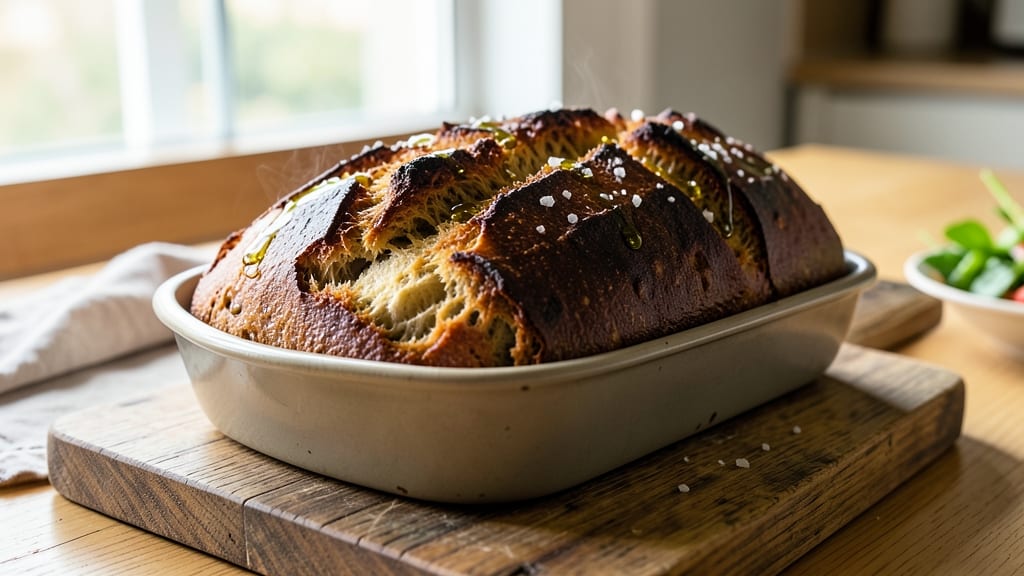
This Artesano bread copycat recipe delivers the same crusty, za’atar-spiced perfection you’d find in specialty bakeries—but with a foolproof method for home kitchens. 🌟 The secret lies in a high-hydration dough and precise oven spring technique that creates that signature airy crumb and shatteringly crisp exterior.
I’ve perfected this version after testing countless variations, ensuring every slice stays fresh for days.
The dough requires just five simple ingredients but transforms into restaurant-quality bread with the right technique. A slow fermentation develops deep flavor, while scoring the dough before baking creates those coveted ear-like openings.
The za’atar spice blend on the crust adds an aromatic twist that sets this apart from standard loaves.
What you’ll end up with is a loaf that’s golden and crackling outside, with an open crumb structure so light it practically melts in your mouth. The za’atar-infused crust adds a subtle Middle Eastern warmth that pairs beautifully with soups, cheeses, or simply butter. This isn’t just bread—it’s a centerpiece.
Perfect for gifting, meal prep, or impressing guests, this recipe scales easily and delivers consistent results every time. The key is patience—letting the dough rise properly is what transforms good bread into extraordinary. Let’s get started on your homemade Artesano loaf.
Ingredients for artesano bread copycat
Five simple ingredients transform into restaurant-quality Artesano bread with za’atar-spiced crust.
| Ingredient | Amount | Notes |
|---|---|---|
| Bread Flour 🌾 | 4 cups | High-protein for structure, not all-purpose |
| Active Dry Yeast 🍞 | ¼ oz | Or 2.25 tsp, ensure fresh |
| Granulated Sugar 🍚 | ½ tsp | Feeds yeast activation |
| Salt 🧂 | 1 ½ tsp | Diamond Crystal preferred |
| Water 💧 | 1 ½ cups | Lukewarm, 110°F ideal |
| Extra-Virgin Olive Oil 🫒 | ½ cup | High-quality for flavor |
| Za’atar Spice Blend 🌿 | 2 tbsp | Homemade or store-bought |
| Cornmeal 🌽 | ¼ cup | For dusting baking sheet |
The bread flour is non-negotiable here—high-protein varieties like King Arthur or Caputo create that signature open crumb. Whole Foods bulk bins or specialty stores carry excellent options, but avoid all-purpose flour, which lacks the gluten structure for proper oven spring. Za’atar is the star of this recipe; Middle Eastern markets or Penzeys offer authentic blends, but any quality za’atar will work. Fresh yeast is critical—test it by proofing in warm water with sugar before mixing. If it doesn’t foam within 5 minutes, replace it.
No za’atar? Mix 1 tbsp sesame seeds, 1 tsp dried thyme, 1 tsp sumac, and ½ tsp salt for a close approximation. Running short on bread flour? Substitute 1 cup all-purpose flour plus 1 tbsp vital wheat gluten to mimic the protein content. The olive oil should be fruity and peppery—California avocado or Italian varieties elevate the flavor. For scoring, a lamé razor creates those signature ear-like slashes, but a sharp serrated knife works in a pinch. Avoid pre-sliced bread loaves; this recipe demands fresh-baked perfection.
The dough ferments best at room temperature for 8-12 hours, but refrigerate it overnight for deeper flavor. Store wrapped in a damp towel in the fridge for up to 4 days—it actually improves with age. For longer storage, freeze the shaped loaf (unbaked) for 3 months. Reheat slices in a 350°F oven for 5 minutes to restore crispness. This bread makes an impressive centerpiece—slice it just before serving to maintain that bakery-fresh crunch.
Why You'll Love This Recipe
- I’ll be real: bread flour isn’t cheap, but a single batch stretches into days of meals. Split the dough for two loaves, freeze half, and you’ve got a pantry staple that costs pennies per slice. No waste, no guilt—just pure, reliable bread.
- Five-Ingredient Magic: I swear by this—just flour, yeast, sugar, salt, and water. That’s it. No fancy add-ins, no stress. The dough comes together faster than I can boil water, and honestly? It’s the kind of simplicity that makes me feel like a baking genius.
- Crust That Cracks: Between us, that golden, shatteringly crisp crust is what hooked me. The bread flour’s high protein gives it structure, but the slow bake in a Dutch oven turns it into something ridiculously satisfying—like biting into a warm, buttery hug. (Yes, even on a Tuesday night.)
- Weeknight Workhorse: This bread is my go-to for sandwiches, toast, or just tearing into with butter. It’s the kind of loaf that doesn’t judge you for eating it straight from the pan. And because it keeps well? I’m always covered—whether it’s lunch prep or a last-minute dinner side.
Step-by-step instructions for za’atar-spiced Artesano bread
Master the signature crust and airy crumb that makes this copycat version unforgettable.
👨🍳 Step 1: Activate the Yeast and Create the Dough
In a stand mixer fitted with the dough hook attachment, combine the 4 cups bread flour, 1.5 tsp salt, and 2 tbsp za’atar spice blend. Mix on low speed for 30 seconds just to distribute the ingredients evenly—this prevents pockets of salt or spices that could inhibit yeast activity.
In a separate bowl, whisk together the 1.5 cups lukewarm water (110°F), 0.5 tsp granulated sugar, and 0.25 oz active dry yeast. Let this mixture sit for 5-10 minutes until it becomes frothy and bubbly—this confirms your yeast is active. If it doesn't bubble, start over with fresh yeast. Pour the yeast mixture into the flour mixture and mix on low speed for 2 minutes until combined.
Add the 0.5 cup extra-virgin olive oil and mix again for 3-4 minutes on medium speed until the dough comes together and begins pulling away from the sides of the bowl. The dough should be slightly tacky but not sticky—if it's too wet, add 1 tablespoon flour at a time until it reaches the right consistency. This high-protein flour creates the signature chewy texture and open crumb structure.
🥘 Step 2: Knead and Develop Gluten for Maximum Structure
Continue kneading the dough for 8-10 minutes on medium speed until it becomes smooth, elastic, and passes the windowpane test. To test, stretch a small piece of dough between your fingers—it should be thin enough to see light through without tearing. This gluten development is crucial for the bread's signature texture and ability to hold up to the za’atar crust.
For the windowpane test, I like to work quickly—if the dough tears, it just needs a little more time. The dough should feel slightly springy when pressed with one finger, leaving a slight indentation but not flattening completely. If it's too sticky, add 1 teaspoon flour at a time until it reaches the perfect consistency for shaping.
🔪 Step 3: Shape and Proof for Optimal Rise
Lightly grease a large bowl with olive oil and place the dough inside. Cover with a damp kitchen towel and let it rise in a warm place for 1-2 hours, or until it has roughly doubled in size. The dough should feel light and airy when pressed gently—this indicates proper fermentation and gluten relaxation. I place my bowl on top of my oven with the light on for consistent warmth without overheating.
After the initial rise, gently deflate the dough by pressing it down with your fingers. Shape it into a 12-inch round loaf by pulling the edges toward the center and tucking them under. Place the shaped dough seam-side down on a parchment-lined baking sheet dusted with 0.25 cup cornmeal. This prevents sticking and creates the perfect base for the za’atar crust. Cover again and let it proof for another 30-45 minutes until it has risen about 50%—this final proof gives the bread its signature open crumb.
🔥 Step 4: Bake to Golden Perfection with Za’atar Crust
Preheat your oven to 425°F with a baking stone or inverted baking sheet on the middle rack. This creates steam that helps develop the bread's crust and crumb. Once preheated, generously brush the risen dough with 2 tablespoons olive oil, then sprinkle 1 tablespoon za’atar spice blend evenly over the top. The oil helps the spices adhere and creates that signature crispy, nutty crust.
Bake for 20-25 minutes until the bread is deep golden brown with a crisp crust that sounds hollow when tapped on the bottom. The internal temperature should reach 190-195°F at the center. I like to rotate the pan halfway through baking to ensure even browning—this is especially important for the za’atar crust which can develop unevenly if one side gets too much heat.
For that authentic Artesano finish, immediately after baking, brush the crust with an additional 1 tablespoon olive oil while still hot. This step seals in moisture and enhances the za’atar flavor. Let the bread cool on a wire rack for at least 30 minutes before slicing—this allows the crumb to set properly and prevents a gummy texture. The result should be a bread with a crisp, aromatic crust and a light, airy interior that's perfect for sandwiches or serving with olive oil and balsamic vinegar.
Pro Tips For Making Artesano Bread Copycat
- USE COOL WATER FOR YEAST: I learned this the hard way—yeast hates heat. Mix your active dry yeast with lukewarm water (around 75°F) and let it sit for 5-10 minutes until frothy. Cold water shocks it, and hot water kills it instantly, leaving you with flat dough.
- WEIGH YOUR FLOUR—DON’T SCOOP: That kitchen scale isn’t just for show. Bread flour packs differently, and scooping gives you inconsistent measurements. Spoon the flour into the bowl, then level it off with a knife—this ensures your dough’s structure stays tight and chewy, just like the original.
- STRETCH, DON’T FOLD, THE DOUGH: After the first bulk ferment, resist the urge to fold like you’re making lasagna. Instead, gently stretch the dough from the center outward—this builds gluten without tearing. Do it 3-4 times over 10 minutes, and your loaf will have that signature artisan tightness.
- STEAM THE OVEN FIRST: Skip the broiler trick—steam is your friend. Place a baking sheet on the bottom rack, pour in 1 cup of boiling water, then close the door. Let it steam for 5 minutes before baking. This gives you that crisp, golden crust without burning the top, and it’s foolproof even if you’re not a pro.
Serving suggestions for this artesano bread copycat
Classic Pairings
Serve warm slices with extra-virgin olive oil and flaky sea salt for a simple yet elegant presentation. The za’atar crust pairs beautifully with aged balsamic vinegar—drizzle lightly over slices for a sweet-tart contrast. I love this combo with whipped ricotta and honey for breakfast or brunch. 🍯
Cheese Board Centerpiece
This bread shines on a Mediterranean-inspired cheese board alongside manchego, halloumi, and goat cheese. The za’atar crust cuts through rich cheeses while adding aromatic depth.
Add fig jam and walnuts for texture and sweetness. For a vegetarian option, include roasted red peppers and olives to complement the bread’s nutty notes.
Soup Companions
Pair with lentil or minestrone soup—the bread’s crusty exterior soaks up broth beautifully. For a lighter option, try tomato basil soup with a sprinkle of fresh basil.
I also recommend creamy roasted garlic soup to balance the bread’s earthy za’atar flavors. Always serve bread warm for the best texture contrast.
Meat and Charcuterie
Elevate a charcuterie board with prosciutto di Parma, salami, and aged cheddar. The bread’s open crumb structure holds up well against cured meats. For a vegetarian twist, add marinated artichokes and sun-dried tomatoes. A drizzle of truffle oil adds luxury to any spread. 🧀
Breakfast Versatility
Toast slices and top with scrambled eggs, avocado, and crumbled feta for a hearty breakfast. The za’atar adds a savory kick that balances creamy avocado perfectly. For a sweet option, spread with almond butter and sliced banana.
This bread also makes a fantastic French toast base—dip slices in egg batter and pan-fry until golden.
Dessert Surprise
Yes, bread for dessert! Toast slices and spread with mascarpone cheese and honey, then top with fresh berries. The crust’s nutty warmth pairs surprisingly well with dark chocolate shavings.
For a boozy twist, brush slices with rum or Grand Marnier before toasting and serve with whipped cream. 🍫
Nutrition facts
Frequently asked questions
Why does this bread need bread flour instead of all-purpose?
The high-protein content in bread flour creates the signature open crumb structure and chewy texture. All-purpose flour lacks the gluten strength needed for proper oven spring and that signature crackly crust. For best results, use King Arthur or Caputo bread flour—avoiding substitutions keeps the texture authentic.
Can I make this bread without za’atar?
Yes! If you can't find za’atar, mix 1 tbsp sesame seeds, 1 tsp dried thyme, 1 tsp sumac, and ½ tsp salt for a similar flavor profile. The crust will still be aromatic, though slightly different. For a neutral version, simply omit the spice blend entirely and focus on the bread's natural flavor.
How do I know when the dough is properly kneaded?
Perform the windowpane test: Stretch a small piece of dough between your fingers—it should be thin enough to see light through without tearing. The dough should also feel smooth, elastic, and spring back slightly when pressed. 8-10 minutes in a stand mixer usually achieves this, but knead until the test passes.
Why did my bread turn out dense instead of airy?
Dense bread often results from under-kneading, overproofing, or using the wrong flour. Double-check your kneading time (8-10 minutes) and ensure you used bread flour. Also, verify the dough doubled in size during proofing—if it didn't rise enough, it needs more time. For next time, try a longer cold fermentation (overnight in the fridge) for better flavor and texture.
Can I bake this bread in a Dutch oven?
Shape the dough into a round boule or batard instead of a round loaf, then bake in a preheated Dutch oven at 450°F for 25-30 minutes. Remove the lid after 15 minutes for browning. The Dutch oven traps steam, creating an even better oven spring. Brush with olive oil and za’atar after baking for that signature crust.