
Side Dishes
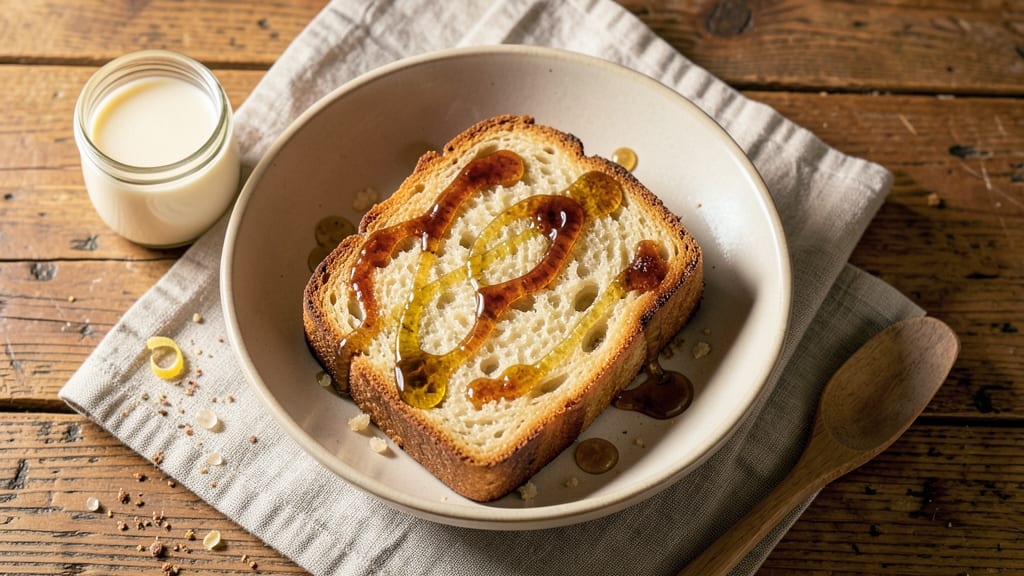
This arrowroot bread recipe delivers a light, airy loaf that requires no gluten and no kneading—just simple ingredients and a foolproof method. The secret lies in arrowroot's natural binding properties, which create a tender crumb without traditional flour.
I developed this recipe after years of experimenting with gluten-free baking, and it consistently yields a bread that's both elegant and approachable.
The process is surprisingly straightforward: mix, proof, and bake at 350°F for 30-35 minutes, resulting in a loaf with a delicate texture and subtle sweetness. Unlike many gluten-free breads, this one doesn't rely on gums or starches—just whole foods that come together effortlessly.
The proofing stage is critical, as it allows the bread to rise gently without collapsing, ensuring that signature fluffy interior.
What makes this recipe stand out is its versatility. Serve it fresh with soups, toasted with jam, or sliced for sandwiches—its mild flavor pairs beautifully with both sweet and savory toppings.
The bread also stores well in an airtight container for up to 5 days, making it perfect for meal prep. For added texture, consider mixing in seeds or herbs during the mixing stage.
Whether you're baking for dietary needs or simply craving a lighter loaf, this arrowroot bread delivers restaurant-quality results with minimal effort. The key is patience during proofing and precise baking, but the payoff is a bread that rivals traditional loaves in both taste and texture.
Let's get started on this game-changing recipe!
Ingredients for arrowroot bread
Twelve ingredients transform into a delicate, gluten-free loaf with perfect rise and tender crumb.
| Ingredient | Amount | Notes |
|---|---|---|
| Arrowroot Powder 🌾 | 1 ½ cups | Fine grain, sifted for even texture |
| Almond Milk 🥛 | 1 ¼ cups | Unsweetened, room temperature |
| Extra-Virgin Olive Oil 🫒 | ½ cup | Cold-pressed, fruity variety |
| Pure Maple Syrup 🍯 | ¼ cup | Grade A for subtle sweetness |
| Apple Cider Vinegar 🍏 | 1 tbsp | Raw, unfiltered preferred |
| Active Dry Yeast 🍞 | 2 ¼ tsp | Freshly measured, room temp |
| Sea Salt 🧂 | 1 ½ tsp | Diamond Crystal preferred |
| Ground Flaxseed 🌱 | 1 tbsp | Freshly ground for binding |
| Water 💧 | ½ cup | Filtered, room temperature |
| Sunflower Seeds 🌻 | ¼ cup | Toasted, optional for texture |
| Sesame Seeds 🌱 | 1 tbsp | Toasted, for garnish |
| Fresh Rosemary 🌿 | 1 tbsp | Finely chopped, optional herb |
Arrowroot powder is the cornerstone of this recipe—Bob's Red Mill or Anthony's Goods brands provide the finest grain for optimal binding. The powder should be sifted before measuring to prevent clumping, which ensures an even texture throughout the loaf. For the almond milk, unsweetened varieties like Silk or Blue Diamond work best, as they maintain a neutral flavor profile that doesn't overpower the bread's subtle sweetness. The extra-virgin olive oil should be cold-pressed for maximum flavor, and brands like California Olive Ranch or Colavita are excellent choices. Maple syrup adds just enough sweetness without dominating, so Grade A is ideal for its delicate flavor.
No arrowroot powder? Tapioca starch at 1:1 ratio works as a substitute, though the texture will be slightly denser. Almond milk allergies? Oat milk or coconut milk provide similar moisture content, though coconut may impart a slight flavor. For the yeast, ensure it's active dry and not instant—this recipe relies on its slow activation during proofing. The flaxseed acts as a binder, so freshly ground is critical for proper gel formation. Sunflower seeds can be omitted entirely, but if included, toast them lightly before mixing to enhance their nutty flavor. Fresh herbs like rosemary should be added just before baking to preserve their aroma.
This bread maintains its freshness in an airtight container for 5 days, though it's best enjoyed within the first 24 hours for optimal texture. For longer storage, freeze slices wrapped in parchment for up to 3 months—simply toast from frozen for a crisp exterior. The proofing stage is where patience pays off; allow the dough to rise until nearly doubled in volume, which typically takes 60-90 minutes at room temperature. Preheating the oven to 350°F ensures even baking, and a loaf pan lined with parchment paper makes removal effortless.
Why You'll Love This Recipe
- No-Fuss Mixing: I swear by this recipe because it’s just five ingredients—no kneading, no waiting for dough to rise, nothing. Toss the arrowroot powder with warm almond milk, a splash of apple cider vinegar (trust me, it’s the secret), and a drizzle of olive oil and maple syrup, then pop it in the oven. Done.
- Sweet & Tangy Bite: The maple syrup gives it a subtle caramel warmth, while the vinegar adds a bright, almost buttery tang that keeps it from being too heavy. It’s not sweet like cake, but it’s got that just enough richness—perfect with jam or even on its own.
- Meal Prep MVP: This bread holds up beautifully for days, so I bake a loaf on Sunday and slice it for toast, sandwiches, or even croutons all week. The arrowroot keeps it soft but sturdy, and it reheats in seconds—no sad, dry slices here.
- Budget-Friendly Staple: Almond milk and arrowroot might sound fancy, but they stretch further than flour-heavy bread, and the ingredients are shelf-stable. I make a batch every few weeks, and it’s cheaper than buying artisanal loaves that crumble by Wednesday. Plus, it’s gluten-free, so it’s a win for anyone with dietary needs.
Step-by-step instructions for arrowroot bread
This method transforms simple ingredients into a remarkably light, gluten-free loaf without traditional kneading.
Activate the Yeast and Prepare the Wet Mixture
In a small bowl, combine the 0.5 cup water, 0.25 cup pure maple syrup, and 1 tbsp apple cider vinegar. Sprinkle the 2.25 tsp active dry yeast over the liquid and let it sit for 5-7 minutes until it becomes frothy. This activation ensures your bread rises properly—you'll know it's ready when you see small bubbles forming on the surface.
In a separate large bowl, whisk together the 1.5 cups arrowroot powder, 1.5 tsp sea salt, and 1 tbsp ground flaxseed. The arrowroot powder is our gluten-free binder, so sift it lightly to avoid lumps. This dry mixture will form the structural backbone of your loaf.
Combine Wet and Dry Ingredients
Pour the 1.25 cups almond milk and 0.5 cup extra-virgin olive oil into the dry ingredients. Using a hand mixer or whisk, blend on low speed for 2 minutes until just combined—you should see a thick, smooth batter with no visible dry spots. Overmixing develops gluten-like properties in arrowroot, so stop as soon as everything incorporates.
Gently fold in the 1 tbsp finely chopped fresh rosemary and 0.25 cup toasted sunflower seeds by hand. The rosemary adds aromatic depth while the sunflower seeds contribute nutty texture. Be careful not to overwork the batter at this stage—just enough to distribute the seeds evenly.
Pour into Loaf Pan and Bake
Transfer the batter to a greased 9x5-inch loaf pan and smooth the top with a spatula. Tap the pan gently on the counter to remove any air bubbles. The batter will be thick but pourable—it should fill the pan to about ¾ full. Sprinkle the 1 tbsp toasted sesame seeds evenly over the top for decorative crunch and visual appeal.
Preheat your oven to 350°F and bake for 50-55 minutes until the top is golden brown and a toothpick inserted into the center comes out clean. The bread will rise slightly in the oven, developing a domed top. If the edges brown too quickly, tent with foil after 30 minutes to prevent over-browning while the center finishes baking.
Cool and Slice for Maximum Freshness
Remove the bread from the oven and let it cool in the pan for 10 minutes. This brief resting period allows the internal structure to set before transferring to a wire rack. The bread will be slightly sticky when first removed—this is normal and indicates proper moisture content from the arrowroot.
Transfer to a wire rack and cool completely for at least 1 hour before slicing. Arrowroot bread has a delicate crumb that needs time to firm up. Once fully cooled, slice with a serrated knife for clean cuts. The interior should reveal a fine, airy crumb with subtle pockets of moisture, while the exterior maintains a crisp, golden crust.
Pro Tips For Making Arrowroot Bread
- Whisk the Arrowroot First: Mix your arrowroot powder with the almond milk before adding olive oil or syrup—this prevents clumps that turn your bread into a dense, gummy mess. I learned this the hard way after scraping arrowroot lumps off my teeth for a week.
- Use Warm Almond Milk: Cold almond milk makes arrowroot bread gummy because the starch doesn’t activate properly. Heat it to about 110°F (just warm to the touch) before mixing—this ensures a light, airy crumb instead of a sad, rubbery loaf.
- Skip the Vinegar Shortcut: Apple cider vinegar here isn’t for leavening—it’s for tang. If you omit it, your bread will taste flat and overly sweet. Use 1 teaspoon, no more, or the acidity will overpower the maple.
- Bake Until Golden, Not Just Set: Arrowroot bread looks "done" at 350°F before it actually is. Bake until the top is deep golden (not just pale) and a toothpick comes out clean—this guarantees a crisp exterior and fully cooked interior. (Yes, even if the recipe says "20 minutes.")
Perfect pairings for these flavors
Sweet Spread Pairings
This arrowroot bread's delicate sweetness makes it perfect for fruit preserves like raspberry or apricot jam. Spread 2-3 tablespoons on warm slices for a simple yet elegant breakfast.
I love using small-batch preserves from brands like Bon Appétit or Ball Park—their rich flavors complement the bread's subtle sweetness without overpowering it. 🍓
Savory Toppings
For a hearty twist, top slices with avocado mash mixed with lemon zest and sea salt. The creamy texture contrasts beautifully with the bread's airy crumb. Another favorite is hummus with smoked paprika and chopped parsley—the nutty seeds in the bread add a satisfying crunch.
Use store-bought Sabra or homemade for extra flavor.
Cheese and Charcuterie
This bread excels in charcuterie pairings. Try aged cheddar or brie with fig jam for a sweet-savory combo. For a lighter option, pair with goat cheese and honey drizzle.
I recommend Crowd Favorite goat cheese for its creamy texture. Add cured meats like prosciutto or salami for a balanced board. 🧀
Soup and Stew Accompaniment
Serve warm slices alongside butternut squash soup or tomato basil soup—the bread's gentle sweetness cuts through rich flavors. For a heartier meal, pair with lentil stew and roasted vegetables.
The bread's texture holds up well when dipped, making it ideal for soups. Use organic vegetable broth from Pacific Foods for extra depth in stews.
Breakfast Pairings
Toast slices and top with almond butter and sliced banana for a quick breakfast. For a savory morning, spread with ricotta cheese, sun-dried tomatoes, and black pepper.
I also love pairing it with turkey sausage and scrambled eggs for a protein-packed meal. The bread's neutral flavor lets other ingredients shine.
Dessert Twist
Drizzle warm slices with melted dark chocolate and sea salt for a decadent dessert. The arrowroot's subtle sweetness enhances the chocolate's richness. Another idea: layer with whipped coconut cream and toasted coconut flakes for a tropical treat.
Use 70% cacao chocolate from Lindt for the best balance of sweetness and bitterness. 🍫
Nutrition facts
Frequently asked questions
Why does this arrowroot bread need yeast if it's gluten-free?
Arrowroot bread relies on yeast for proper rise and texture—just like traditional bread! The yeast creates air pockets that give the loaf its signature lightness. Without yeast, the bread would be dense rather than airy. The proofing stage is key: let it rise until nearly doubled for that perfect crumb.
Can I substitute arrowroot powder with cornstarch?
Not for this recipe! Arrowroot has unique binding properties that create a tender crumb, while cornstarch would make the bread denser. If you must substitute, use tapioca starch at a 1:1 ratio, but expect a slightly firmer texture. The proofing time may also need adjustment.
How do I fix a sunken or dense arrowroot bread?
Most likely, the proofing time was too short. Next time, let the dough rise until it's nearly doubled (about 60-90 minutes). If it's already baked, try toasting slices lightly—the heat will crisp the exterior while keeping the interior moist. For future attempts, ensure your yeast is active and your oven is properly preheated to 350°F.
Is this bread suitable for sandwiches?
Yes! While it's more delicate than wheat bread, its mild flavor and tender crumb work beautifully for sandwiches. Use it with soft fillings like avocado or hummus to prevent tearing. For extra stability, lightly toast slices before assembling. The bread's subtle sweetness also pairs well with savory toppings like prosciutto and fig jam.
Can I make this bread without almond milk?
Use oat milk or coconut milk for similar moisture content. Just ensure it's unsweetened to avoid altering the bread's delicate flavor. For a neutral taste, oat milk works best. If using coconut milk, expect a slight tropical note that complements the bread's natural sweetness.