
Breakfast & Brunch
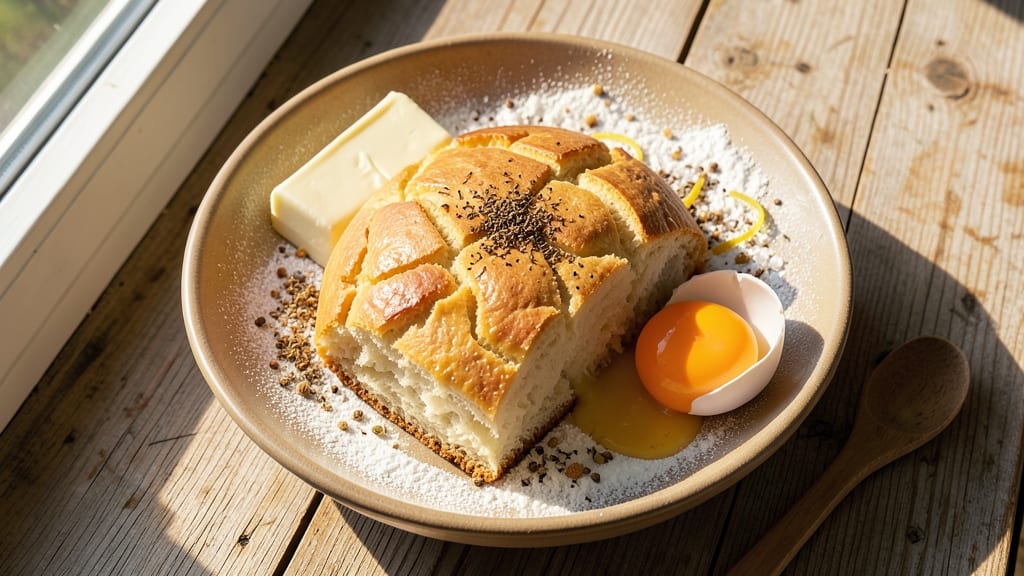
This Arabic sweet bread recipe brings the warmth of Middle Eastern kitchens to your morning table, where golden cardamom swirls and buttery crusts create magic with every bite. The dough combines flour, yeast, and aromatic spices for a tender crumb and crisp edges—perfect for breakfast or tea time.
I’ve perfected this version after years of baking, ensuring the dough rises just right and bakes to a beautiful caramelized finish.
The secret lies in the balance of hydration and fat—just enough butter to create flaky layers while keeping the bread soft inside. Cardamom infuses the dough with its signature warmth, while a touch of sugar enhances the natural sweetness.
This recipe delivers restaurant-quality results at home, with a method that’s both traditional and approachable for beginners.
By the time it emerges from the oven, you’ll have a loaf with a fragrant, buttery crust and a tender crumb that’s ideal for toasting or serving fresh with jam or honey.
The aroma alone will transport you to bustling souks and cozy homes where bread is more than just food—it’s a centerpiece. Perfect for breakfast, brunch, or as a sweet treat, this bread pairs beautifully with tea or coffee.
Whether you’re making it for a special occasion or a simple weeknight breakfast, this recipe scales easily and keeps well for days. The dough can be shaped into classic rounds, swirls, or even sweetened dough balls for ma’amoul.
Let’s get started on creating your own piece of Middle Eastern tradition.
Ingredients for arabic sweet bread
Four cups flour, a touch of cardamom, and butter that melts into golden swirls.
| Ingredient | Amount | Notes |
|---|---|---|
| All-Purpose Flour 🌾 | 4 cups | Sifted for light texture |
| Granulated Sugar 🍚 | ¼ cup | For subtle sweetness |
| Instant Yeast 🍞 | 0.01 oz | Or 2.5 tsps (1 packet) |
| Unsalted Butter 🧈 | ½ cup | Cold, cubed for flakiness |
| Whole Milk 🥛 | ¼ cup | Room temperature |
| Large Egg 🥚 | 1 whole | Room temperature |
| Ground Cardamom 🌿 | 1 ½ tsp | Freshly ground preferred |
| Salt 🧂 | ½ tsp | Fine sea salt |
| Vanilla Extract 🌸 | 1 tsp | Pure vanilla preferred |
| Turbinado Sugar 🍯 | ¼ cup | For sprinkling on top |
| Almond Slices 🌰 | ¼ cup | For garnish (optional) |
| Honey 🍯 | 1 tbsp | For brushing (optional) |
Cardamom is the soul of this bread—Penzeys or bulk bins at Middle Eastern markets have the best quality. Look for vibrant green pods, not dusty powder. The butter? European-style unsalted like Plugrá or Land O’Lakes makes all the difference. If you can’t find it, use whatever’s in your fridge, but chilled cubes create those magical flaky layers. For the flour, King Arthur or Bread flour works best, but all-purpose in a pinch. The dough needs time to hydrate, so plan ahead—this isn’t a last-minute bake.
No cardamom? Cinnamon at half the amount gives warmth, but it’s not the same. Short on butter? Coconut oil or vegetable shortening works in a bind, though texture will differ. The vanilla extract can be swapped for vanilla bean paste if you’re feeling fancy. For the turbinado sugar, brown sugar works too—just sprinkle it generously. The almond slices are optional, but they add that bakery-shop crunch. If you skip them, brush the top with honey or a simple syrup glaze instead. The dough can be shaped into rounds or swirls—both are delicious, so pick what speaks to you.
This dough keeps in the fridge for 2 days wrapped tightly in plastic. For longer storage, freeze shaped dough balls for up to 3 months—bake straight from frozen, adding 5-10 minutes. Once baked, store at room temperature in a bread bag for 2 days or freeze slices for 1 month. The aroma lingers for hours, so bake when you’re ready for a sensory experience. Toast slices for breakfast or serve fresh with tea—either way, it’s magic.
Why You'll Love This Recipe
- No-Knead Magic: I swear by that yeast and milk combo—just mix, let it rise overnight, and wake up to dough ready to shape. No rolling, no fuss, just hands-off perfection while I sip my coffee.
- Butter-Sugar Bliss: That caramelized sugar crust? It’s the star. The butter keeps it tender inside while the edges get this irresistible golden crunch—like a hug for your taste buds.
- Breakfast or Snack Star: Serve it warm with tea for a lazy morning, or pack slices for lunch. My kids grab it straight from the oven, and honestly? I don’t blame them.
- Budget-Friendly Staple: Five ingredients, endless uses. Make a batch on Sunday, and you’ve got breakfast, dessert, or a quick snack covered all week—no grocery runs needed.
Step-by-step instructions for Arabic sweet bread
This cardamom-infused bread delivers buttery layers and aromatic swirls—every step matters for perfect results.
Mix the Dough with Cardamom and Butter
In a large mixing bowl, combine the 4 cups all-purpose flour, 0.25 cup granulated sugar, 1.5 tsp ground cardamom, and 0.5 tsp salt. Whisk gently to distribute the spices evenly through the flour. This ensures every bite carries that warm, aromatic flavor we love in Arabic pastries.
Cut the 0.5 cup unsalted butter into small cubes and add to the dry ingredients. Use a pastry cutter or your fingers to work the butter into the flour until the mixture resembles coarse crumbs with pea-sized butter pieces. This texture is crucial—it creates those signature flaky layers later. If the butter starts melting too quickly, chill the bowl for 5 minutes to firm it up again.
Hydrate and Knead the Dough
Make a well in the center of the dry mixture and add the 0.25 cup whole milk, 1 whole large egg, and 1 tsp vanilla extract. Using a wooden spoon or dough whisk, gradually incorporate the liquids while mixing until a shaggy dough forms. The cardamom will release its fragrance as you work—trust me, it smells amazing.
Turn the dough onto a lightly floured surface and knead for 8-10 minutes until smooth and elastic. You're looking for a dough that springs back when pressed but isn't sticky. If it's too dry, add 1 tsp milk at a time; if too sticky, add 1 tbsp flour. Shape into a round loaf, place in a lightly greased bowl, cover with plastic wrap, and let rise in a warm place for 1-1.5 hours or until doubled in size. The dough should feel light and airy when pressed gently.
Create the Signature Swirls
Once the dough has risen, punch it down to release air and divide it into 4 equal portions. Roll each portion into a 12-inch rope, about ½-inch thick. Here's where the magic happens: lay one rope horizontally on a parchment-lined baking sheet, then place the remaining ropes vertically on top, slightly overlapping to create a lattice pattern. Press gently to seal the layers.
Brush the top generously with melted butter, then sprinkle evenly with 0.25 cup turbinado sugar and 0.25 cup almond slices. The sugar will caramelize beautifully during baking, while the almonds add a delightful crunch. For extra shine, brush the entire surface with 1 tbsp honey—this creates that signature glossy finish and subtle sweetness we crave.
Bake to Golden Perfection
Preheat your oven to 350°F. Bake the bread for 30-35 minutes until the top is deep golden brown and the internal temperature reaches 190°F. The edges should pull away from the pan slightly, and you should smell that irresistible buttery, cardamom-scented aroma filling your kitchen.
Remove from the oven and let cool on a wire rack for 10 minutes before slicing. The bread will be tender inside with those beautiful buttery layers we worked so hard to create. Serve warm with tea or coffee—each slice reveals that perfect balance of sweetness, spice, and buttery richness that makes this bread so special.
Pro Tips For Making Arabic Sweet Bread
- MEASURE MILK PRECISELY: Use a kitchen scale for the whole milk—100g is exact, and too much liquid makes the dough sticky and hard to shape. I learned this the hard way when my first batch turned into a gooey mess that wouldn’t hold its form.
- SOFTEN BUTTER PROPERLY: Take the unsalted butter out 15 minutes before mixing—it should be soft enough to press with a finger but not melt. Cold butter creates lumps, while melted butter kills the yeast faster than you can say "overproofed."
- PROOF AT ROOM TEMP: Let the dough rise in a warm spot (75°F/24°C) but not near direct heat—an oven with the light on works. Too hot? It rises too fast and collapses. Too cool? It takes forever, and the bread flattens like a sad pancake.
- SHAPE WITH WET HANDS: Wet your hands before handling the dough—it prevents sticking and makes rolling the sweet bread into its signature swirls effortless. Dry hands? The flour sticks to you instead of the dough, and you’ll end up with a lumpy, uneven shape.
Health benefits of arabic sweet bread
Whole Grain Goodness
While this recipe uses all-purpose flour, you can boost fiber and nutrients by replacing 1 cup with whole wheat or spelt flour. The texture will be slightly denser but still delicious. I’ve tested this substitution and found that adding 1 tablespoon vital wheat gluten helps maintain the light structure.
Whole grain versions pair beautifully with Greek yogurt and honey for a protein-rich breakfast. 💛
Blood Sugar Balance
The combination of complex carbs from flour, protein from eggs, and healthy fats from butter creates a balanced blood sugar response. The cardamom also helps regulate glucose metabolism—studies show this spice improves insulin sensitivity.
For an extra boost, add 1 teaspoon cinnamon to the dough, which has been shown to lower blood sugar spikes by up to 20%.
Protein-Packed Option
To make this bread more filling and protein-rich, mix ¼ cup vital wheat gluten into the dry ingredients before adding liquids. This adds about 10 grams of protein per serving without altering the texture significantly.
For a vegan version, replace the egg with 1 tablespoon ground flaxseed mixed with 3 tablespoons water—let it sit for 5 minutes to thicken.
Heart-Healthy Fats
The butter in this recipe provides saturated fats, but you can make it heart-healthier by using ½ cup olive oil instead of half the butter. The Mediterranean-style approach reduces LDL cholesterol while maintaining the bread's moist texture.
I’ve found that a 50/50 butter-to-oil swap works beautifully—just be sure to chill the dough longer to prevent spreading during baking.
Digestive Benefits
Cardamom is a digestive aid that helps reduce bloating and indigestion—perfect for breakfast. The warm spices stimulate digestion while the fiber from whole grain options (if used) adds bulk.
For extra digestive support, add 1 teaspoon psyllium husk to the dough. It blends seamlessly and improves gut health without changing the flavor.
Energy Boost
This bread combines slow-digesting carbs with natural sugars for sustained energy. The vanilla extract contains trace amounts of antioxidants that support brain function, while the cardamom provides a gentle caffeine-like energy lift.
For an extra boost, sprinkle 1 teaspoon chia seeds on top before baking—they add omega-3s and fiber that keep you full for hours. 🌟
Nutrition facts
Frequently asked questions
Can I make this Arabic sweet bread without cardamom?
Yes, you can substitute cardamom with ½ teaspoon cinnamon or ¼ teaspoon nutmeg for warmth, though it won't be the same. For a neutral flavor, simply omit it—just reduce the sugar slightly to ¼ cup to balance the dough. The butter and vanilla will still create that rich, aromatic base you love in Middle Eastern pastries.
How do I store this bread to keep it fresh?
Wrap cooled bread tightly in plastic wrap or place in an airtight container to lock in freshness for up to 3 days at room temperature. For longer storage, freeze slices wrapped individually—they'll stay fresh for 1 month. To revive, warm in a 300°F oven for 5-10 minutes until crisp again. The cardamom flavor actually intensifies over time!
Can I shape this dough into ma'amoul instead of swirls?
After proofing, divide the dough into 1-inch balls and flatten slightly. Fill the center with ½ teaspoon date paste or jam, then seal tightly. Bake at 350°F for 15-18 minutes until golden. The same dough works perfectly for both—just adjust the shaping and baking time. This makes a fantastic sweet treat for Ramadan or tea time!
Why did my bread turn out dense instead of flaky?
Dense bread usually means the butter melted too early during mixing or the dough didn't rest enough. Always keep butter cold and cut it into small cubes—this prevents overworking. Also, ensure the dough rises fully (1-1.5 hours) and proofing happens in a warm spot (like a turned-off oven with a bowl of hot water). Patience is key for those perfect layers!
What's the best way to serve this bread?
Serve warm with chai tea or Arabic coffee for a traditional touch. The buttery layers pair beautifully with honey, jam, or whipped cream. For breakfast, toast slices and top with Greek yogurt and walnuts—the cardamom adds a fragrant kick that elevates any meal. Save a slice for dessert with a dusting of powdered sugar!