
Appetizers
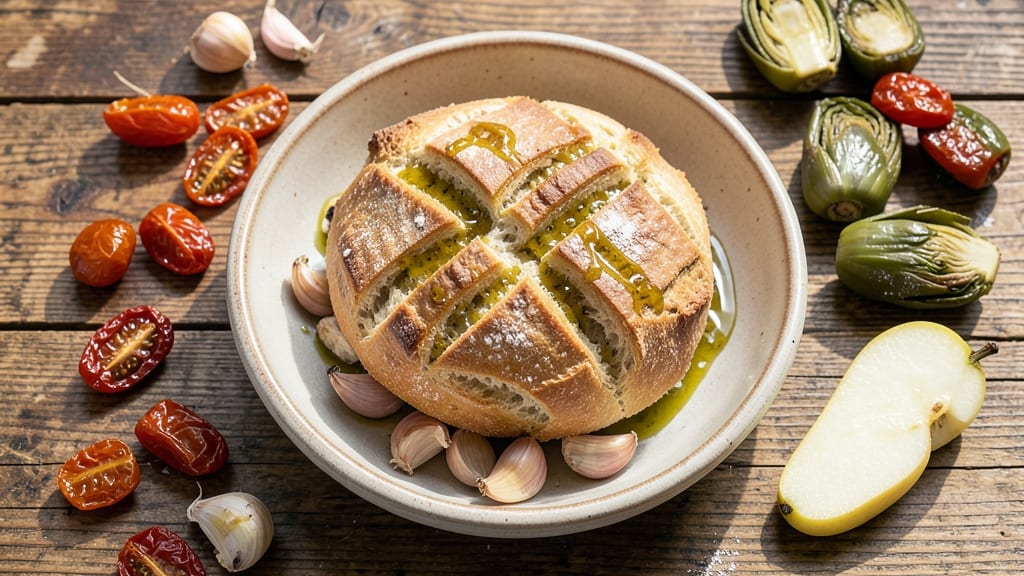
This antipasto bread recipe brings authentic Italian flavors to your table with its savory olive oil and herb twist, perfect for any gathering. The dough is enriched with garlic and rosemary, creating a fragrant base that pairs beautifully with traditional toppings like sun-dried tomatoes and olives.
Baking it in a loaf pan ensures a crispy crust and tender interior, making it an ideal starter or companion to any antipasto platter.
What sets this recipe apart is the balance of simplicity and depth—just five key ingredients transform into a bread that tastes like a taste of Italy. The olive oil infuses rich flavor, while the herbs add aromatic complexity.
Unlike store-bought versions, this homemade loaf stays fresh for days, its crust crisping up beautifully even after slicing. It’s the kind of bread that elevates any meal, whether served warm with olive oil or as part of a charcuterie spread.
The cultural roots run deep here: antipasto bread is a staple in Italian cuisine, designed to whet appetites before the main course. This version stays true to tradition while offering a modern twist with its robust herb profile.
The dough comes together in under 30 minutes, then bakes to golden perfection, delivering restaurant-quality results at home. Each slice carries layers of garlic, rosemary, and olive oil that make it impossible to resist.
Serve it warm with a drizzle of olive oil and flaky sea salt, or pair it with cured meats and cheeses for an authentic Italian experience. The versatility of this bread makes it perfect for holidays, game days, or everyday gatherings.
Here’s how to make it—the first step toward bringing Italian hospitality to your kitchen.
Ingredients for antipasto bread
Five essential ingredients transform into aromatic antipasto bread with Italian flair.
| Ingredient | Amount | Notes |
|---|---|---|
| All-Purpose Flour 🌾 | 3 ½ cups | Spooned and leveled for accuracy |
| Extra-Virgin Olive Oil 🫒 | ½ cup | High-quality, fruity variety |
| Active Dry Yeast 🍞 | 2 ¼ tsp | Ensure yeast is fresh |
| Granulated Sugar 🍚 | 1 tbsp | For yeast activation |
| Warm Water 💧 | ¾ cup | 110°F for optimal yeast |
| Garlic Cloves 🧄 | 3 cloves | Minced for aromatic depth |
| Fresh Rosemary 🌿 | ¼ cup | Chopped finely for fragrance |
| Kosher Salt 🧂 | 1 ½ tsp | Diamond Crystal preferred |
| Sun-Dried Tomatoes 🍅 | ¼ cup | Chopped, oil-packed variety |
| Kalata Olives 🫒 | ½ cup | Pitted and sliced for texture |
| Flaky Sea Salt 🧂 | 1 tsp | For finishing crust |
The olive oil is non-negotiable here—look for extra-virgin with fruity notes at Whole Foods or Trader Joe's. Their bulk bins often have the best quality. Fresh rosemary is ideal, but if you're using dried, reduce to one-third the amount—it packs more punch. For the garlic, peel and mince just before mixing to preserve its freshness. The yeast should be fresh and active—test it in warm water with a pinch of sugar; if it foams within 5 minutes, it's good to go.
No sun-dried tomatoes? Dried oregano at half the amount adds depth, though it won't replicate the texture. Kalata olives can be swapped for green olives or capers, but they lose the signature briny bite. For a quicker prep, pre-minced garlic works, but fresh is worth the extra minute. If your olive oil tastes bitter, it's past its prime—replace it immediately. The dough benefits from resting, but if you're short on time, let it sit for at least 20 minutes before shaping.
This bread stays fresh for 3-4 days wrapped in a clean kitchen towel, or 5 days if frozen. Reheat slices in a 350°F oven for 5 minutes to restore crispiness. For extra flavor, brush warm slices with olive oil and sprinkle with flaky sea salt. Portion into individual slices for easy serving—perfect for holidays or game day spreads.
Why You'll Love This Recipe
- No-Fuss Dough: I swear, this bread starts with five ingredients—flour, olive oil, yeast, sugar, and warm water—and zero fuss. Mix, let it rise, bake. That’s it. Even if I’m distracted (looking at you, midday Zoom calls), the dough does all the work.
- Olive Oil Magic: That splash of extra-virgin olive oil? It’s the secret weapon. The bread turns out ridiculously tender with a subtle richness—no butter needed. Honestly, the first time I made it, I nearly ate the dough straight from the bowl.
- Party in a Pan: This bread is my go-to for gatherings. Serve it warm with charcuterie, or let it cool for crispy slices to mop up marinara. Between us, it’s the one thing I always bring to potlucks—no one leaves with leftovers.
- Budget-Friendly Staple: A single batch costs me pennies and stretches for days. Toast it for breakfast, tear it for sandwiches, or freeze half for lazy mornings. I’ll be real: it’s the kind of bread that makes me feel like I’ve won, even on a Tuesday night.
Step-by-step instructions for savory olive oil and herb bread
This antipasto-inspired bread delivers rich Mediterranean flavors with a crisp crust and tender crumb.
Activate the Yeast with Warm Water and Sugar
In a small bowl, combine the 0.75 cup warm water (tested at 110°F with a thermometer) and 1 tbsp granulated sugar. Sprinkle the 2.25 tsp active dry yeast over the surface and let sit for 5-10 minutes until frothy. You'll know it's ready when bubbles form and the mixture smells yeasty—this means your yeast is alive and active.
If no bubbles appear after 10 minutes, your yeast may be expired. Start fresh with new yeast to ensure proper rise. The sugar helps activate the yeast while adding subtle sweetness that balances the savory flavors in this bread.
Mix the Dough with Olive Oil and Aromatics
In a large bowl, whisk together the 3.5 cups all-purpose flour and 1.5 tsp kosher salt. Create a well in the center and pour in the yeast mixture. Slowly drizzle in the 0.5 cup extra-virgin olive oil while mixing with a wooden spoon or dough whisk.
Once combined, add the 3 minced garlic cloves, 0.25 cup chopped fresh rosemary, 0.25 cup chopped sun-dried tomatoes, and 0.5 cup sliced Kalata olives. Mix until the dough comes together—it should be sticky but manageable. Avoid adding extra flour, as this bread relies on the moisture from the olive oil for its tender texture.
Knead Until Smooth and Elastic
Turn the dough onto a lightly floured surface and knead for 8-10 minutes until smooth and elastic. You'll know it's ready when it springs back slowly when poked. If the dough feels too sticky, wet your hands slightly instead of adding more flour.
Fold the dough into a ball, place it back in the bowl, and cover with a damp towel. Let it rise in a warm place for 1-1.5 hours or until doubled in size. The dough should feel light and airy—this rise develops the bread's structure and flavor.
Shape and Proof the Dough
Punch down the risen dough to release air, then shape it into a 10x6-inch loaf pan or free-form round. For a rustic look, place it on a parchment-lined baking sheet. Cover again and let it proof for 30-45 minutes until slightly puffy.
Preheat your oven to 375°F while the dough proofs. Brush the top with a little water and sprinkle with 1 tsp flaky sea salt for a decorative finish. The salt will create a beautiful crust while adding a burst of flavor.
Bake to Golden Perfection
Bake the bread for 25-30 minutes until the top is golden brown and the internal temperature reaches 190°F. Tap the bottom—it should sound hollow. If the top browns too quickly, tent with foil to prevent over-browning.
Remove from the oven and let cool on a wire rack for 10 minutes before slicing. The bread should have a crisp crust and a tender, flavorful crumb infused with rosemary, garlic, and olives. Serve warm with your favorite antipasto spread or olive oil dip.
Pro Tips For Making Antipasto Bread
- Bloom the Yeast First: Skip mixing yeast directly into flour—it dies faster. Instead, whisk it with warm water and sugar in a small bowl for 5-10 minutes until frothy. This guarantees your bread rises properly, not half-heartedly.
- Measure Flour Right: Don’t scoop flour from the bag—it packs unevenly. Use a kitchen scale (250g for this recipe) or spoon-and-level method. Too much flour makes dense, dry bread; too little means a sticky mess.
- Oil the Bowl: Grease your mixing bowl with olive oil before adding dough. It prevents sticking and makes kneading easier—no floury hands or dough clinging to the sides. A little effort now saves frustration later.
- Let It Rise Twice: First rise (1-2 hours) builds flavor; second rise (30-60 minutes) ensures a light texture. Skip the second, and your bread will taste flat and dense. Patience here makes all the difference.
Essential equipment for this dish
Must-Have Tools
Start with a stand mixer or hand mixer for effortless dough mixing—I use my KitchenAid Artisan Series for consistent results. A digital kitchen scale ensures precise measurements, especially for yeast and salt. For shaping, a lightly floured surface or parchment-lined baking sheet prevents sticking. 🌾
Olive Oil Essentials
Invest in a high-quality extra-virgin olive oil with fruity notes—Whole Foods or Trader Joe's bulk bins are my go-to. A small bowl for yeast activation and a wooden spoon for mixing prevent sticking.
For measuring, a liquid measuring cup ensures accuracy. Never use a cheap oil; it ruins the flavor profile.
Garlic & Herb Prep
A garlic press or microplane speeds up mincing 3 cloves of garlic. For rosemary, a sharp chef's knife and cutting board work best. Store prepped herbs in a small airtight container to preserve freshness. I keep a small bowl nearby to catch any stray bits during chopping.
Baking Gear
A loaf pan (10x6 inches) or parchment-lined baking sheet shapes the bread perfectly. A damp towel keeps dough from drying during rises. For testing doneness, a thermometer ensures 190°F internal temp—no more guessing! A wire rack cools bread evenly, preventing sogginess. 🔥
Optional Upgrades
For rustic texture, try a banneton proofing basket. A pizza stone or cast-iron skillet adds extra crispiness. For storage, glass containers with lids preserve freshness longer than plastic. I also keep a small spray bottle for misting dough before baking—it creates a glossy crust.
Budget-Friendly Swaps
No mixer? Use a large wooden spoon and strong arms—just knead for 10-12 minutes. Skip the scale? Use measuring cups for flour and a tablespoon for yeast. A cookie sheet works in a pinch for free-form baking. The key is patience; hand-kneading develops gluten just as well. ✨
Nutrition facts
Frequently asked questions
Can I make this antipasto bread without a loaf pan?
For a rustic look, shape the dough into a free-form round or oval on a parchment-lined baking sheet. Brush with olive oil before baking for extra crispiness. The texture will be slightly denser at the bottom but still delicious.
How do I store leftover antipasto bread?
Wrap cooled slices in a clean kitchen towel and store in an airtight container at room temperature for 3-4 days. For longer storage, freeze slices wrapped in plastic for up to 3 months. Reheat in a 350°F oven for 5 minutes to restore crispness.
What can I substitute if I don't have Kalata olives?
Use green olives or capers for a similar briny flavor. If you prefer no olives, add 1 tsp dried oregano instead—it enhances the Mediterranean profile. Just reduce any other herbs slightly to balance the flavors.
Why did my bread turn out dense instead of light?
Dense bread often results from over-kneading or under-proofing. Knead only until the dough springs back slowly (8-10 minutes), and ensure it doubles in size during the 1-1.5 hour rise. Cold environments slow yeast activity—place your bowl in a warm oven with the light on if needed.
Can I add cheese to this antipasto bread?
Yes! Feta or pecorino crumbles work beautifully. Add 0.5 cup crumbled cheese to the dough during mixing. For extra flavor, sprinkle grated Parmesan on top before baking. Just reduce the olives slightly to balance moisture.