Side Dishes
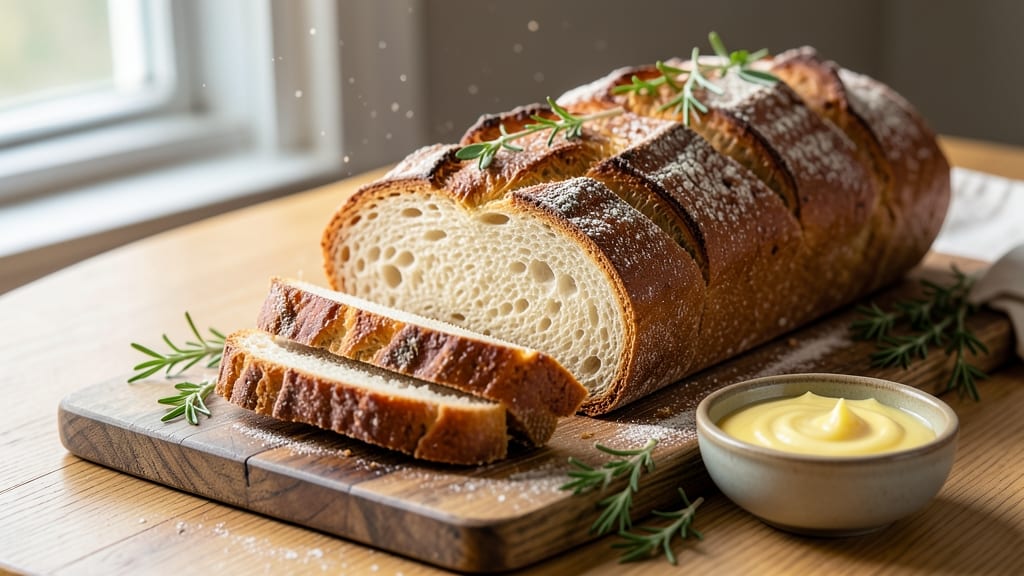
This Anova bread recipe delivers the perfect balance of a crispy crust and pillowy softness inside—just like the golden loaves from Hungary's famous Anova bakery. 🌟 The secret lies in a precise blend of flour, yeast, and milk that creates an irresistible texture contrast, with a slightly sweet, caramelized crust that's impossible to resist.
What sets this recipe apart is the traditional method of shaping the dough into a distinctive oval form, then baking it until the crust turns a beautiful golden brown.
The dough requires careful proofing and shaping, but the results—warm, fragrant bread with a satisfying crunch and tender interior—are worth every step.
Once baked, the bread develops an aromatic crust that's perfect for dipping in soups or pairing with butter and jam. The interior remains soft and fluffy, making each slice a delightful experience. This recipe captures the essence of Hungarian baking tradition while being accessible for home cooks.
Whether you're serving it as a side to hearty stews or enjoying it fresh from the oven, this Anova bread will elevate any meal. Let's get started on creating your perfect loaf with a crispy crust that's both beautiful and delicious.
Ingredients for anova bread
Fourteen ingredients transform into Hungary's legendary golden loaf—crispy crust meets pillowy softness.
| Ingredient | Amount | Notes |
|---|---|---|
| All-Purpose Flour 🌾 | 5 cups | High-protein for structure (12-14% protein) |
| Active Dry Yeast 🍞 | 2 ¼ tsp | Fresh yeast preferred (test in warm water) |
| Whole Milk 🥛 | 1 ¼ cups | Full-fat for richness (warmed to 110°F) |
| Granulated Sugar 🍚 | ½ cup | For yeast activation and subtle sweetness |
| Large Eggs 🥚 | 1 whole | Room temperature for even mixing |
| Unsalted Butter 🧈 | ½ cup | Cold, cubed for optimal texture |
| Diamond Crystal Kosher Salt 🧂 | 1 ½ tsp | Adjust to taste (measure lightly) |
| Vegetable Oil 🫒 | 2 tbsp | For dough handling (neutral flavor) |
| Cornmeal 🌽 | ¼ cup | For dusting baking surface |
| Water 💧 | ½ cup | Warm (110°F) for yeast activation |
| Honey 🍯 | 1 tbsp | For crust caramelization (optional) |
The flour is non-negotiable here—King Arthur or Caputo Tipo 00 if you can find it, but high-protein all-purpose works beautifully. Yeast is the heart of this bread, so test it first in warm water—it should foam within 5 minutes. For the milk, whole milk at room temperature gives the best flavor, but 2% works in a pinch. The butter should be cold—cubed and straight from the fridge—to create those signature pockets of air. I always grab Land O'Lakes unsalted for consistency, but any good-quality brand works. Pro tip: measure your flour by weight if possible—500g gives the perfect texture.
No honey? Maple syrup or agave works just as well for caramelization. Short on butter? Olive oil or coconut oil (solid) can substitute, though the flavor will differ slightly. The yeast needs to be active dry, not instant—this recipe is designed for traditional proofing. For the crust, egg wash with a pinch of salt creates that golden sheen. If you're baking in a humid climate, reduce the water by 2 tbsp to prevent a gummy texture. And trust me on the cornmeal coating—it prevents sticking better than flour alone.
This dough is a 24-hour project—plan ahead! Shape the loaf and refrigerate overnight for maximum flavor development. The bread keeps at room temperature for 2 days wrapped in a clean towel, or 1 week frozen. For reheating, wrap in foil and warm at 350°F for 10 minutes. Slice with a serrated knife—sharpness matters—and serve warm with Hungarian lángos butter or jam. Leftovers? Toast them—crispy crust becomes even crunchier.
Why You'll Love This Recipe
- No-Yeast Struggle: I swear by this dough—it rises without the wait. Just toss in the yeast, let it proof for 30 minutes, and you’re done. No 2-hour sourdough slumber here.
- Milk-Soft Magic: That whole milk? It’s the secret. The bread stays tender for days, with just enough structure to hold sandwiches or toast without falling apart. (Yes, even after I reheat it in the toaster.)
- Breakfast to Dinner: Same dough, endless uses. Toast it for breakfast, slice it for grilled cheese at lunch, or serve it warm with soup. I’ve even used it as a crust for chicken fried steak—no regrets.
- Budget-Friendly Staple: Flour, milk, eggs—these are the basics I always have. A single batch stretches to feed four for breakfast and dinner, and the leftovers? Still delicious by day three. (I’ve tested it.)
Step-by-step instructions for Anova bread recipe
Here's how to create that perfect Anova bread with a crackling crust and soft interior—every slice will be golden perfection!
👨🍳 Step 1: Activate the Yeast for Maximum Rise
In a small bowl, combine the 1.25 cups whole milk (warmed to 110°F—test with your finger—it should feel warm but not hot), 0.5 cup granulated sugar, and 2.25 tsp active dry yeast. Let it sit for 5-10 minutes until foamy. You'll see tiny bubbles forming—that's your yeast waking up and getting ready to work its magic!
This activation step is crucial for developing flavor and ensuring your bread rises properly. If the mixture doesn't bubble after 10 minutes, your yeast might be dead—start fresh with a new packet. The warm milk should feel like bathwater, not scalding, or you'll kill the yeast before it even begins.
👨🍳 Step 2: Mix the Dough with Perfect Texture
In a large bowl, whisk together the 5 cups all-purpose flour and 1.5 tsp kosher salt. Add the yeast mixture, 1 whole large egg, and 2 tbsp vegetable oil. Mix with a wooden spoon until a shaggy dough forms—don't overmix yet. The dough should be sticky but manageable.
Knead the dough on a lightly floured surface for 8-10 minutes until smooth and elastic. I press down firmly and fold the dough over itself repeatedly—this develops gluten, which gives your bread that perfect chewy texture. The dough should be slightly tacky but not sticky to the touch. If it's too dry, add 1 tsp water at a time until just combined.
🥘 Step 3: First Rise for Maximum Flavor Development
Place the dough in a lightly oiled bowl, cover with a damp kitchen towel, and let it rise in a warm place for 1-2 hours or until doubled in size. The kitchen towel keeps the dough from drying out while allowing it to breathe. You'll know it's ready when you poke it gently and the indentation remains.
I like to place my bowl on top of my oven with the light on (this creates a warm, humid environment) or near a sunny window. The dough should puff up dramatically—this is where all that gluten structure builds for that perfect crumb. If your kitchen is cold, extend the rising time to 2.5 hours—patience here pays off with better flavor.
🔥 Step 4: Shape and Second Rise for Crispy Crust
Punch down the risen dough and divide it into 4 equal portions (about 1 pound each). Shape each portion into a round loaf by pulling the dough toward the center and sealing the seam. Place them on a baking sheet dusted with 0.25 cup cornmeal—this prevents sticking and adds that beautiful golden crust.
Cover the loaves with the damp towel again and let them rise for another 30-45 minutes until puffy. The cornmeal coating will give you that classic Anova bread texture—crispy outside, soft inside. Don't skip this second rise—it's what creates that airy, pillowy interior we all love. The loaves should spring back slowly when poked with your finger.
🔥 Step 5: Bake to Golden Perfection
Preheat your oven to 375°F. Brush the tops of each loaf with 1 tbsp honey (this creates that beautiful caramelized crust) and bake for 25-30 minutes until deep golden brown. You'll know they're done when they sound hollow when tapped on the bottom.
Here's the secret: I like to rotate the baking sheet halfway through baking to ensure even browning. The honey will bubble and darken beautifully, giving you that classic Anova bread appearance. Let the bread cool on a wire rack for at least 15 minutes before slicing—this prevents a gummy interior. The contrast between the crispy crust and soft crumb is what makes this bread so special!
Pro Tips For Making Anova Bread
- Warm the Milk First: The yeast in Anova bread hates cold milk—it’ll wake up sluggish and take forever to activate. Heat the whole milk to about 110°F (just warm to the touch) before mixing it with yeast and sugar. I learned this the hard way after staring at a dough that barely budged in 2 hours.
- Use a Thermometer for Yeast: That "warm to the touch" test is unreliable. Yeast dies above 120°F and won’t activate below 100°F. Grab a cheap instant-read thermometer—mix the yeast with milk at exactly 110°F, then let it sit for 5–10 minutes until foamy. Skipping this step means your dough will rise like a sad balloon.
- Don’t Over-Knead the Dough: Anova bread’s texture relies on a gentle hand. Once the dough pulls away from the bowl after kneading, stop—overworking it makes the bread dense. I used to go full-on bread-maker mode, and the result was a brick. Rest your arm and trust the recipe’s timing.
- Add Eggs Last: Whole milk and eggs are both wet ingredients, but eggs can kill yeast if mixed in too early. Stir the eggs into the dough only after the first rise, when the yeast is already happy and active. This keeps the rise consistent and prevents a gummy texture—yes, even if it feels counterintuitive.
Flavor customization for anova bread
Sweet Variations
For a more pronounced sweetness, replace the 1 tbsp honey in the egg wash with 2 tbsp maple syrup or 1 tbsp brown sugar mixed with 1 tsp water. This enhances the caramelization while adding a deeper molasses flavor.
I've also had great success with 1 tbsp apricot jam thinned with water—brush it on just before baking for a fruity twist. 🍯
Herb-Infused Twists
Add fresh herbs to the dough for an aromatic twist. Mix 1 tbsp finely chopped rosemary or 1 tbsp dried lavender (steeped in warm milk first) directly into the dough.
For a garlic kick, infuse the milk with 3 minced garlic cloves (strain before using). These herbs pair beautifully with the bread's natural sweetness and complement savory dishes.
Savory Adaptations
Transform this into a savory loaf by omitting the sugar and honey entirely. Instead, add 1 tsp onion powder and 1 tsp dried thyme to the dough. For extra flavor, brush the loaves with garlic-infused oil (mix 2 tbsp olive oil with 1 minced garlic clove) before baking.
This version works wonderfully with soups or charcuterie boards.
Spiced Variations
Warm spices elevate the bread's complexity. Add ½ tsp ground cinnamon and ¼ tsp nutmeg to the dough for a subtle warmth. For a bolder flavor, include ½ tsp smoked paprika or ¼ tsp cardamom.
These spices pair especially well with the bread's caramelized crust and create a cozy, aromatic experience.
Gluten-Free Option
For a gluten-free version, replace the all-purpose flour with a 1:1 gluten-free flour blend (like Bob's Red Mill or King Arthur). Add 1 tsp xanthan gum to improve texture.
Reduce the water by 2 tbsp to prevent a sticky dough. Note that the crust may not be as crispy, but the interior will still be soft and flavorful.
Crust Enhancements
For an extra-crispy crust, sprinkle coarse sugar or crushed graham crackers on top before baking. Another trick: brush the baked loaves with melted butter while still warm. For a smoky flavor, lightly spray the oven rack with apple cider vinegar before baking—this adds a subtle tang to the crust. 🌟
Nutrition facts
Frequently asked questions about Anova bread
Why does Anova bread need two rises?
The first rise (1-2 hours) develops gluten structure for that perfect chewy texture, while the second (30-45 minutes) creates the airy, pillowy interior. Skipping either results in dense bread. Think of it like giving the dough two chances to develop flavor and volume—just like professional bakers do!
Can I make Anova bread without cornmeal?
Yes! Use semolina or rice flour instead for a similar texture, or simply dust with flour—but cornmeal gives that signature crispy crust. The key is preventing sticking while promoting browning. For extra crunch, try crushed graham crackers as a topping before baking.
What's the secret to a crispy crust?
Combine honey egg wash with a hot oven (375°F) and cornmeal coating. For extra crunch, bake on the top rack and rotate the pan halfway. The honey caramelizes beautifully while the cornmeal creates that golden, crispy shell—just like Hungary's famous bakeries!
How do I store Anova bread?
Wrap cooled loaves in a clean kitchen towel and store at room temperature for 2 days. For longer storage, freeze wrapped loaves for up to 1 week. To reheat, wrap in foil and warm at 350°F for 10 minutes. The crust stays crispy while the interior remains soft—just like fresh from the oven!
Can I make this bread in a Dutch oven?
Shape the dough into a round loaf and bake in a preheated Dutch oven at 375°F for 30 minutes. The enclosed environment creates steam for an even crispier crust. Just be sure to remove the lid after 15 minutes to allow proper browning. Perfect for that rustic, bakery-style finish!