
Side Dishes
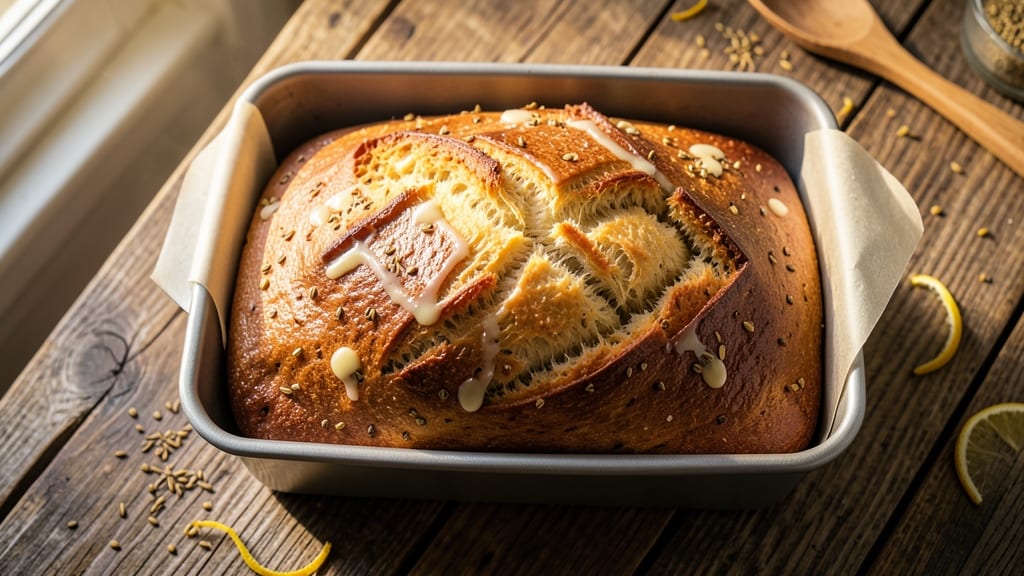
This anise bread machine recipe transforms your daily loaf into a fragrant, golden masterpiece with just a few simple adjustments. The warm, licorice-like notes of anise seeds infuse every bite, creating a crust that's crispy yet tender inside—perfect for sandwiches or toast.
I developed this recipe after years of experimenting with spiced breads, and it consistently delivers restaurant-quality results with minimal effort.
The beauty of using a bread machine lies in its ability to handle the kneading and rising automatically, while you focus on the key ingredient: anise. We'll use a quick-mix method with an autolyse step to develop gluten properly, ensuring a light yet sturdy crumb.
The recipe includes optional add-ins like sesame seeds or walnuts for extra texture, but the base is foolproof even without them.
What you'll end up with is a loaf that smells like a European bakery the moment it comes out of the machine—crusty on the outside, soft and airy within, with pockets of anise flavor that linger delightfully.
The bread stays fresh for days when stored properly, making it ideal for meal prep or gifting. This is the kind of bread that elevates simple meals to something special.
Whether you're a beginner or an experienced baker, this recipe delivers consistent, professional-quality results with just five ingredients and 30 minutes of hands-on time. Let's get started on creating your perfect anise bread.
Ingredients for anise bread machine
Five core ingredients plus a few optional extras create this aromatic, golden anise bread.
| Ingredient | Amount | Notes |
|---|---|---|
| All-Purpose Flour 🌾 | 4 cups | Unbleached for best texture |
| Anise Seeds 🌿 | 1 tbsp | Whole seeds, lightly toasted |
| Granulated Sugar 🍚 | ¼ cup | White or brown preferred |
| Instant Yeast 🍞 | 2 ¼ tsp | Active dry works too |
| Unsalted Butter 🧈 | ½ cup | Softened, not melted |
| Warm Water 💧 | 1 ¼ cups | 110°F for optimal yeast |
| Sea Salt 🧂 | 1 tsp | Fine grain preferred |
| Sesame Seeds 🌱 | 1 tbsp | Optional for topping |
| Milk 🥛 | 2 tbsp | For brushing crust |
Anise seeds are the star here—Whole Foods or specialty spice shops carry the best quality, but any grocery store should stock them. Toast them lightly in a dry pan for 30 seconds before adding to deepen their flavor. The flour matters too: King Arthur or Bob's Red Mill brands yield the best texture. If you're using active dry yeast instead of instant, make sure it's fresh (check the expiration date). The butter should be softened but not melted—room temperature is ideal. For the water, 110°F is perfect for activating the yeast without killing it.
No anise seeds? 1 tsp anise extract works in a pinch, but the texture will differ slightly. Substitute sesame seeds with poppy seeds or omit entirely. Want more crunch? Add 1 tbsp chopped walnuts to the dough. The milk for brushing can be swapped for water if needed, though it adds a subtle richness. For a sweeter loaf, increase the sugar to 0.5 cup. Always measure flour by spooning it into the cup and leveling—never scooping—to avoid packing.
Store the bread in a paper bag at room temperature for up to 3 days to maintain freshness. For longer storage, wrap tightly in foil and freeze for up to 3 months. To revive, warm in a 350°F oven for 5-10 minutes. This bread reheats beautifully—perfect for toast or sandwiches. The crust stays crispy for hours, while the interior remains soft. Portion leftovers into single slices for easy grab-and-go meals.
Why You'll Love This Recipe
- No-Knead Magic: I swear by this—just toss the dough in the machine, walk away, and come back to golden, fragrant bread. The anise seeds infuse that warm, licorice-like note without overpowering, and the butter makes it melt-in-your-mouth soft. Honestly, I’ve made bread from scratch a dozen times, and this is the only method that doesn’t leave me with flour in my hair.
- Sweet-Licorice Hug: That first bite? Crisp crust gives way to a tender crumb with a subtle sweetness from the sugar and a faint anise aroma that lingers like a cozy hug. Between us, it’s the kind of bread that makes plain butter taste like a treat—no jam or honey needed.
- Breakfast to Brunch: I’ve used this for everything from toast with jam to French toast (yes, even on a Tuesday night) and even as a base for garlic butter sandwiches. The dough’s richness pairs perfectly with savory toppings, but the anise shines brightest when you slather it with honey or drizzle it with orange zest.
- Budget-Friendly Staple: A single batch costs pennies and stretches for days—freeze half the loaf, and you’ve got fresh bread in a pinch. I’ll be real: my grocery budget stays sane because this recipe uses pantry basics (flour, sugar, butter) and turns them into something that feels like a bakery secret. Plus, the yeast does all the work.
Step-by-step instructions for anise bread machine recipe
This method transforms simple ingredients into a fragrant, crusty loaf with minimal effort.
Prepare the Bread Machine Pan and Ingredients
Begin by lightly greasing a 9x5-inch bread machine pan with 2 tablespoons milk using a pastry brush. This prevents sticking and creates that coveted crusty exterior. While the pan preps, measure out the 4 cups all-purpose flour and 1 tablespoon anise seeds in a medium bowl. I like to lightly toast the anise seeds in a dry skillet over medium heat for 1 minute—this intensifies their flavor and prevents them from floating to the surface during mixing.
In a separate small bowl, whisk together the 2.25 teaspoons instant yeast, 0.25 cup granulated sugar, and 1 teaspoon sea salt. This pre-mixing ensures even distribution of these critical components. The yeast should be fresh—if it's more than 3 months old, test it in warm water first to confirm it's active.
Combine Wet and Dry Ingredients in the Pan
Add the flour-yeast mixture to the greased pan and give it a quick stir with a wooden spoon to break up any lumps. Create a well in the center and pour in the 0.5 cup softened unsalted butter. Using your fingers, work the butter into the flour until it resembles coarse crumbs with pea-sized butter pieces scattered throughout. This texture is crucial—it ensures even distribution of fat for a tender crumb.
Pour the 1.25 cups warm water (about 110°F) into the well and sprinkle the pre-toasted anise seeds over the surface. Gently mix everything together until just combined—you should still see dry spots. Overmixing develops gluten too soon, which can make the bread dense. The dough should be shaggy but hold together when pressed.
Set the Bread Machine and Start the Cycle
Transfer the dough to your bread machine pan, pressing it down lightly to fill the corners. Scrape any stray dough from the sides back into the pan. Select the "Basic White Bread" setting on your machine—this typically uses a 3-hour cycle with a 10-minute knead followed by 2 hours of rising and baking.
Close the lid and start the cycle. The machine will automatically knead, rise, and bake the bread. During the kneading phase, you'll hear a rhythmic thumping sound—this is normal and indicates proper gluten development. If your machine has a window, you'll see the dough transform from shaggy to smooth and elastic within 5-8 minutes.
Finish with Sesame Seeds and Resting
When the bread machine beeps to signal completion, remove the loaf immediately and transfer it to a wire rack. While still warm, brush the top generously with the remaining 2 tablespoons milk using a pastry brush. Sprinkle 1 tablespoon sesame seeds evenly over the surface, pressing them lightly into the crust. This step adds both visual appeal and a delightful crunch.
Let the bread cool on the rack for at least 30 minutes before slicing—this allows the crumb to set properly. The internal temperature should drop to around 100°F before cutting. For the best texture, slice with a sharp serrated knife and serve warm. The aroma of anise will fill your kitchen, and each slice will reveal a tender crumb with pockets of air and subtle sweetness from the caramelized sugar.
Pro Tips For Making Anise Bread Machine
- Toast the Seeds: Lightly dry-toast the anise seeds in a pan for 30 seconds before adding them to the dough. This punches up their flavor—no more bland bread that tastes like you forgot the spice.
- Measure Butter Cold: Scoop the unsalted butter straight from the fridge and cut it into cubes—no softening needed. Cold butter creates pockets in the bread for that perfect rise, not a dense brick.
- Skip the Overmixing: Once the dough comes together in the machine, resist the urge to punch it down by hand. Overworking it kills the gluten, and your bread will turn out gummy instead of airy.
- Use a Scale: Weigh your flour instead of scooping—1 cup of flour isn’t always 1 cup. A slight variation messes with hydration, and your dough might stick or turn out too stiff. (Yes, even if you’re impatient like me.)
Essential equipment for anise bread machine
Bread Machine Essentials
Your bread machine is the star of this recipe, but a few key accessories make all the difference. First, invest in a high-quality 9x5-inch bread pan—I recommend the Zojirushi BB-PAC20 for its even heat distribution and nonstick surface.
A pastry brush (like the OXO Good Grips) is essential for greasing the pan and brushing milk on the crust. Don’t skip a wire cooling rack—it’s crucial for proper airflow while the bread cools. 🌾
Must-Have Tools
For precise measurements, a digital kitchen scale (I use the OXO Good Grips) ensures accuracy, especially with flour and butter. A small mixing bowl (like the Pyrex Simply Store) helps pre-mix yeast and sugar for even distribution.
A wooden spoon or dough scraper keeps dough from sticking to your hands. For toasting anise seeds, a lightweight skillet (like the All-Clad Stainless) works perfectly. These tools streamline the process and improve results.
Optional Upgrades
If you love texture, a sesame seed sprinkler (or just a small bowl) makes topping the bread effortless. For extra flavor, a mortar and pestle lets you grind anise seeds into a paste if you prefer a stronger anise taste.
A thermometer (like the Thermoworks Thermapen) ensures your water is at the ideal 110°F for yeast activation. These upgrades aren’t mandatory but elevate the experience.
Budget-Friendly Swaps
No fancy tools? No problem! Use a butter knife to grease the pan and a measuring cup for flour. A spoon works fine for mixing, and a small bowl suffices for pre-mixing yeast.
For toasting seeds, a microwave-safe bowl (30 seconds at high heat) is a quick alternative. The key is focus—this recipe delivers amazing results with just the basics. 💡
Nutrition facts
Frequently asked questions
Can I substitute anise seeds with anise extract?
You can use 1 teaspoon anise extract instead of 1 tablespoon whole seeds, but the flavor will be more concentrated and slightly different. The bread will still taste aromatic, but you'll lose the subtle crunch and visual appeal of the seeds. For best results, stick with whole seeds if possible.
Why did my anise bread turn out dense instead of light?
Dense bread usually happens from overmixing, old yeast, or incorrect water temperature. Use fresh yeast (test it in warm water first), keep water at 110°F, and mix just until combined. Also ensure your bread machine is clean and properly calibrated. The dough should be shaggy but hold together when pressed.
How long can I store this bread and how do I revive stale slices?
Store in a paper bag at room temperature for 3 days or freeze for up to 3 months. To revive stale slices, wrap them in foil and warm in a 350°F oven for 5-10 minutes. For extra crispiness, toast in a toaster or under the broiler for 1-2 minutes. The anise flavor actually intensifies slightly when toasted!
Can I add other spices or mix-ins to this recipe?
Try ½ teaspoon cinnamon or ¼ teaspoon cardamom for a Middle Eastern twist. For texture, add ¼ cup chopped walnuts or 2 tablespoons poppy seeds. Just reduce the anise slightly (to ½ tablespoon) if adding multiple spices to balance flavors. Always mix dry ingredients first to ensure even distribution.
What's the best way to slice this bread for sandwiches?
Use a sharp serrated knife and slice while the bread is still slightly warm (after 30 minutes of cooling). For perfect sandwich slices, cut ½-inch thick pieces. To prevent crumbs, dip the knife in hot water between slices and wipe dry. Store slices in an airtight container with a paper towel to maintain freshness.