
Side Dishes
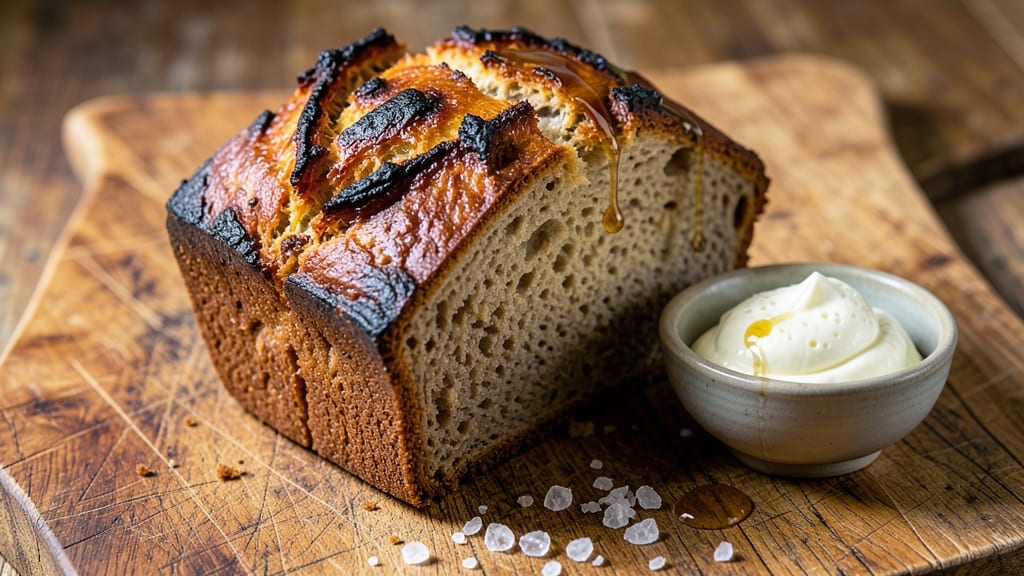
This angry bread recipe transforms simple dough into a bold, aromatic masterpiece with layers of za’atar and warm spices that demand attention. 🔥 The secret lies in balancing toasted sesame seeds, sumac, and oregano for that signature tangy crunch, while a slow bake develops deep, caramelized flavors.
What starts as a humble loaf becomes a showstopper—crisp on the outside, tender within, and packed with enough spice to satisfy even the most adventurous palates.
The magic happens in two stages: first, a foolproof dough that’s easy to shape but sturdy enough to hold its form during baking. Then, the za’atar-spiced butter brush—applied just before the final minutes—creates that golden, aromatic crust that’s impossible to resist.
This isn’t your average bread; it’s a restaurant-quality side that pairs perfectly with grilled meats, roasted vegetables, or even as a standalone snack with a smear of labneh.
By the time you pull it from the oven, you’ll have a loaf with shatteringly crisp edges, a fragrant steam rising from the warm spices, and a crunch that sings with every bite.
The za’atar doesn’t just season—it transforms, turning ordinary bread into something unexpectedly sophisticated. Whether you’re hosting a dinner party or just craving something with a little bite, this recipe delivers.
Pro tip: Let it cool for 10 minutes before slicing to preserve that perfect crunch. Store in an airtight container for up to 3 days, or freeze for longer shelf life. Ready to make your kitchen smell like a Middle Eastern bakery? Let’s get started.
Ingredients for angry bread
Four cups flour, a pinch of yeast, and a bold spice blend—this is your angry bread starter kit.
| Ingredient | Amount | Notes |
|---|---|---|
| All-Purpose Flour 🌾 | 4 cups | Spooned and leveled for accuracy |
| Active Dry Yeast 🍞 | ¼ oz | Or 1 packet (2.25 tsp) |
| Granulated Sugar 🍚 | 1 tbsp | For yeast activation |
| Unsalted Butter 🧈 | ½ cup | Cold, cubed for dough |
| Warm Water 💧 | 1 ¼ cups | 110°F for yeast activation |
| Salt 🧂 | 1 ½ tsp | Diamond Crystal preferred |
| Za’atar Spice Blend 🌿 | ½ cup | Homemade or store-bought |
| Toasted Sesame Seeds 🌰 | ¼ cup | Extra for garnish |
| Sumac 🍃 | 1 tbsp | For tangy crunch |
| Dried Oregano 🌿 | 1 tsp | For extra warmth |
| Melted Butter 🧈 | ¼ cup | For za’atar brush |
| Cornmeal 🌽 | ½ cup | For dusting baking sheet |
The za’atar is non-negotiable here. Middle Eastern markets carry the best blends, but Trader Joe's or Whole Foods usually have a solid jarred version. Look for one with toasted sesame seeds—those little crunchy bits are what make this bread sing. If you’re feeling adventurous, toast your own sesame seeds in a dry pan for 3-4 minutes until golden. The sumac should be bright red and crumbly; if it’s clumpy, crush it with your fingers. For the flour, King Arthur or Bread Flour gives a slightly chewier texture, but all-purpose works in a pinch.
No za’atar? Mix 2 tbsp sesame seeds, 1 tbsp dried thyme, 1 tsp cumin, and 1 tsp salt as a quick sub. Running short on sumac? Lemon zest at half the amount adds brightness. The yeast needs to be fresh—if it’s past its expiration, toss it. For the melted butter, microwave 40 seconds to just soften, then stir until completely smooth. And if you’re worried about the dough sticking, cornmeal is your best friend—it’s coarser than flour, so it creates a better barrier. The dough should be tacky but not wet; if it’s too sticky, add 1 tbsp more flour.
This bread is best made a day ahead—it develops even more flavor as it sits. Store it in a paper bag at room temperature for up to 3 days to keep it crisp. For longer storage, wrap tightly in foil and freeze for up to 3 months. When reheating, wrap a slice in foil and warm in a 350°F oven for 5 minutes. The crust will soften slightly, but that’s the trade-off for keeping the inside tender. And if you make a double batch? Gift the extra—people will think you’re a Middle Eastern bakery pro.
Why You'll Love This Recipe
- Pantry Staples Only: I swear by this recipe because it uses what I already have—flour, yeast, sugar, butter, and water. No fancy ingredients, no last-minute grocery runs. The dough comes together faster than I can put on a pot of coffee.
- Buttery, Golden Crust: That crispy exterior with a soft, pillowy center? It’s all thanks to the cold butter cut into the dough. The sugar caramelizes just enough to give it a subtle sweetness that makes every bite irresistible.
- Weeknight & Picnic Hero: Between us, this bread is my go-to for sandwiches, toast, or even charcuterie boards. It reheats beautifully in the oven or toaster, and slices perfectly for lunchboxes or impromptu gatherings—no one will guess it’s just flour and yeast.
- Budget-Friendly Leftovers: A single batch feeds my family for days, and the dough keeps well in the fridge for up to 48 hours. I often bake half, freeze the other half, and pull it out when I’m in a rush—no waste, all flavor.
Step-by-step instructions for bold za'atar crunch bread
Here's how to transform simple dough into a spicy, nutty, crunchy masterpiece.
🍳 Step 1: Activate the Yeast with Warm Water and Sugar
In a small bowl, combine the 1.25 cups warm water (110°F), 1 tbsp granulated sugar, and 0.25 oz active dry yeast. Let it sit for 5-10 minutes until frothy—this confirms your yeast is alive and ready to work. If it doesn't bubble, start over with fresh yeast.
Here's the thing—temperature matters. Water that's too hot kills yeast, while cold water makes it sluggish. Test it by dipping your finger in—it should feel like bathwater, not scalding or chilly. Stir gently to avoid creating foam bubbles that could deflate your dough later.
👨🍳 Step 2: Mix the Dough with Wet and Dry Ingredients
In a large bowl, whisk together the 4 cups all-purpose flour and 1.5 tsp salt. Make a well in the center and pour in the yeast mixture, then add the 0.5 cup cold cubed unsalted butter. Use a wooden spoon to mix until it starts forming a shaggy mass.
Now for the fun part—kneading. Turn the dough onto a lightly floured surface and knead for 8-10 minutes until smooth and elastic. You'll know it's ready when it springs back slowly when poked. Don't rush this; proper kneading develops gluten for that perfect chewy texture we're after.
🥘 Step 3: First Rise and Flavor Infusion
Place the dough in a lightly greased bowl, cover with a damp towel, and let it rise in a warm place for 1-2 hours until doubled in size. While it rises, mix together the 0.5 cup za'atar spice blend, 0.25 cup toasted sesame seeds, 1 tbsp sumac, and 1 tsp dried oregano in a small bowl.
This is where the magic happens. Za'atar's complex flavors need time to meld. I like to sprinkle a little of this mix over the risen dough before shaping—it infuses the crust with that signature nutty, herby punch. The sumac adds a bright tang that cuts through the richness of the butter.
🔪 Step 4: Shape and Second Rise
Punch down the risen dough and divide it into 4 equal pieces. Roll each piece into a 12-inch log, about 2 inches thick. Arrange them on a parchment-lined baking sheet dusted with 0.5 cup cornmeal—this prevents sticking and adds texture.
Cover loosely with plastic wrap and let rise again for 30-45 minutes until puffy. Here's a pro tip: if your kitchen isn't warm enough, place the dough near a turned-off oven light bulb or in a slightly warmed oven (70°F) to speed up the rising. The dough should feel light and springy when pressed gently.
🔥 Step 5: Bake to Golden Perfection
Preheat your oven to 375°F. Brush the tops of each bread log with 0.25 cup melted butter, then sprinkle generously with the remaining za'atar mixture. Bake for 25-30 minutes until deep golden brown and internal temperature reaches 190°F.
Here's what to watch for: the bread should sound hollow when tapped on the bottom. If the tops brown too quickly but the centers are still pale, tent with foil for the last 5-10 minutes. The sesame seeds should be toasted and crackly, while the crust should be crisp enough to stand up to a slice of warm cheese.
Pro Tips For Making Angry Bread
- Bloom the Yeast First: Skip mixing yeast directly into flour—it’s a slow death sentence. Instead, dissolve it in warm water (110°F) with sugar first and let it foam for 5-10 minutes. If it’s sluggish after 10 minutes, your yeast is dead, and you’re starting over.
- Butter Must Be Soft: Cold butter = tough bread. Take it out of the fridge 30 minutes before mixing, then work it into the dough until it’s just slightly tacky but not greasy. I used to over-soften it, and the bread turned greasy—find that sweet spot.
- Knead Until Silky: This isn’t a punching bag—stop when the dough springs back immediately when poked and feels smooth, not sticky. Over-kneading makes gluten tough; under-kneading leaves it gummy. A food scale helps here (weigh dough at 300g per ball).
- Proof in a Warm Drawer: Your oven’s light-on setting is your best friend. Place a bowl of warm water on the bottom rack, turn the oven to 75°F, and let dough rise there—it’s more consistent than a kitchen counter. Cold kitchen? This is non-negotiable.
Wine and beer pairings for this dish
Wine Pairings
This za’atar-spiced bread demands a wine with enough acidity and body to stand up to its bold flavors. A crisp Gewürztraminer from Alsace—with its lychee and spice notes—cuts through the sesame and sumac beautifully. I love the Domaine Weinbach Gewürztraminer for its aromatic complexity and refreshing finish. 🍷
For something lighter, try a dry rosé from Provence, like Château d’Esclans—its citrus and floral notes complement the bread’s nutty crunch without overwhelming it. Avoid heavy reds; their tannins will clash with the delicate za’atar.
Beer Pairings
A Belgian witbier is my go-to beer pairing—its peppery, citrusy notes mirror the sumac’s tang. Hoegaarden or Stella Artois work perfectly, especially when served chilled. The effervescence cleanses your palate between bites of the crispy crust. 🍺
For beer lovers who prefer hoppier options, a German Helles Lager like Weihenstephaner Original offers a malty sweetness that balances the bread’s spice. Avoid IPAs; their bitterness will compete with the za’atar’s depth.
Non-Alcoholic Options
For a refreshing non-alcoholic match, try sparkling pomegranate juice—its tartness echoes the sumac while the bubbles enhance the bread’s crunch. Pom Wonderful is my favorite brand for this. Alternatively, a cucumber-mint infused water with a squeeze of lemon keeps things light and refreshing. 💧
Coffee or Tea?
If you’re serving this bread with a meal, a strong Turkish coffee or earl grey tea pairs surprisingly well. The coffee’s boldness stands up to the za’atar’s intensity, while the tea’s bergamot notes complement the sesame’s nuttiness.
Both are great for balancing the richness of grilled meats or roasted veggies. ☕
Nutrition facts
Frequently asked questions
Why is this called "angry" bread?
The name comes from the bold, intense flavors of za’atar and sumac that "pack a punch" like something fiery and demanding. The spice blend isn't subtle—it's meant to stand out and complement rich dishes. Think of it as bread with attitude, designed to wake up your taste buds!
Can I make this bread without za'atar?
Mix 2 tbsp sesame seeds, 1 tbsp dried thyme, 1 tsp cumin, and 1 tsp salt for a quick substitute. The sumac can be replaced with lemon zest at half the amount for brightness. The flavor will be different but still delicious—just less "angry" in character!
How do I know when the bread is fully baked?
The bread is done when it's deep golden brown and sounds hollow when tapped on the bottom. Insert an instant-read thermometer—it should reach 190°F at the center. If the top browns too quickly, tent with foil for the last 5-10 minutes to prevent over-browning.
Can I make this in a Dutch oven?
Yes! Shape the dough into a round loaf instead of logs, place it in a greased Dutch oven, and bake at 375°F for 35-40 minutes. The Dutch oven will create a crispier crust and steamed interior. Brush with melted butter and za’atar just before baking for extra flavor infusion.
How long can I store this bread?
Store in an airtight container at room temperature for up to 3 days to maintain crispness. For longer storage, freeze wrapped tightly in foil for up to 3 months. To reheat, wrap a slice in foil and warm in a 350°F oven for 5 minutes—the crust will soften slightly but stay flavorful.