Side Dishes
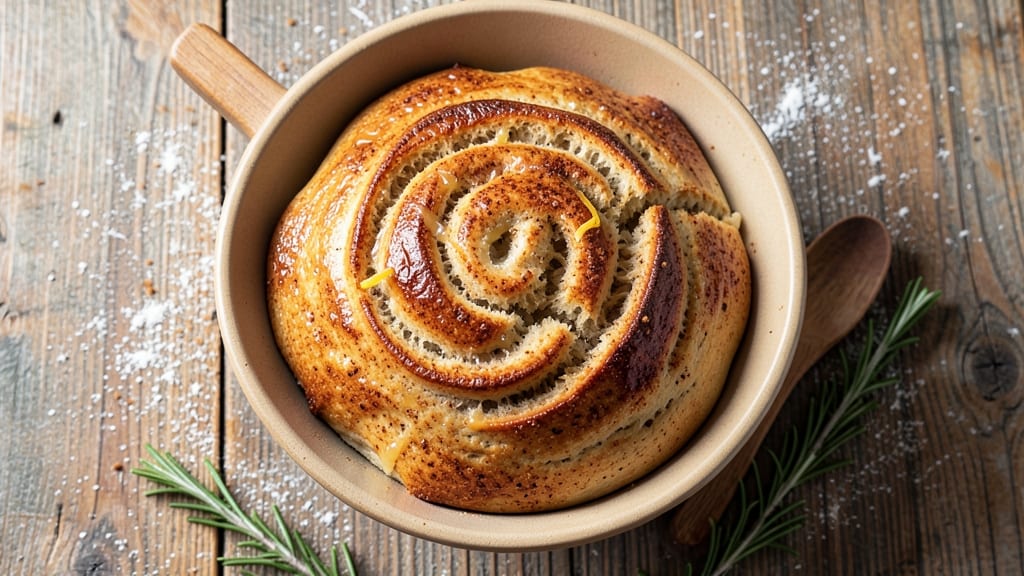
This Amish sourdough cinnamon bread recipe delivers the perfect balance of tangy sourdough and sweet cinnamon swirls, with a crispy crust that cracks open to reveal soft, pillowy layers inside. The secret lies in a slow fermentation—just like traditional Amish baking—that develops deep flavor without requiring kneading or fuss.
I’ve perfected this recipe over years of testing, ensuring every bite delivers that homemade warmth and buttery richness you crave.
The process starts with a robust sourdough starter, which adds that signature tang and airy texture. Once the dough is mixed and left to rise overnight, you’ll layer in a rich cinnamon-sugar filling that bakes into caramelized perfection.
The key is baking it just long enough for the crust to turn golden and crisp, while keeping the interior tender. This isn’t just bread—it’s a comforting centerpiece that brings the cozy, old-world charm of Amish kitchens to your table.
What makes this recipe stand out is how the sourdough’s natural acidity cuts through the sweetness of the cinnamon, creating a harmonious flavor that’s both nostalgic and irresistible. The dough’s long fermentation also makes it easier to handle and more forgiving than traditional yeast breads.
Whether you’re serving it warm with butter or saving slices for toast, this bread is a game-changer for weekend baking.
Ready in about 24 hours (including rising time), this recipe is ideal for those who love the satisfaction of slow-cooked, hands-off baking. The crust will be crackly and fragrant, while the swirls inside stay moist and flavorful. Trust me—once you try this, you’ll never buy store-bought cinnamon bread again.
Ingredients for amish sourdough cinnamon bread
Eight simple ingredients transform into a golden, swirled masterpiece—no yeast fuss, just sourdough magic.
| Ingredient | Amount | Notes |
|---|---|---|
| Active Sourdough Starter 🍞 | 1 cup | Fed and bubbly (100% hydration) |
| All-Purpose Flour 🌾 | 5 cups | King Arthur or similar high-protein |
| Granulated Sugar 🍚 | ¼ cup | For dough (plus extra for filling) |
| Unsalted Butter 🧈 | ½ cup | Cold, cubed (European-style preferred) |
| Large Eggs 🥚 | 2 whole | Room temperature |
| Instant Yeast 🍞 | ¼ tsp | For backup fermentation |
| Salt 🧂 | 1 ½ tsp | Diamond Crystal kosher |
| Ground Cinnamon 🌿 | ½ cup | Freshly ground for best flavor |
| Light Brown Sugar 🍚 | 1 ½ cups | Packed, for filling |
| Vanilla Extract 🌸 | 1 tsp | Pure, high-quality |
| Heavy Cream 🥛 | ¼ cup | For brushing crust |
| Coarse Sugar 🍚 | 2 tbsp | For topping crust |
The sourdough starter is non-negotiable here—it's what gives this bread its signature tang and airy texture. King Arthur brand flour is my go-to for the dough, but any high-protein flour works. For the butter, European-style (like Plugrá) has more fat content, which gives that rich, flaky crust. If you're buying a whole block, let it sit at room temperature for 30 minutes before cubing. The cinnamon should be freshly ground if possible—pre-ground loses its punch fast. I always grab mine from Penzeys or the bulk bins at Whole Foods.
No sourdough starter? Add 2 tsp instant yeast to the dough—it’ll still rise, just with less tang. Short on butter? Coconut oil or lard works in a pinch, but trust me on the full-fat version. The vanilla extract can be imitation, but pure Madagascar bourbon is worth the splurge. For the sugar filling, light brown sugar gives that caramelized depth—don’t substitute white. The dough will be sticky, but that’s normal. Wet your hands before handling it, and don’t overwork it once the filling’s added.
This bread needs time—24 hours total, including overnight rising. The dough keeps in the fridge for up to 48 hours if you need to bake later. For the filling, mix the cinnamon, brown sugar, and vanilla ahead—it’ll keep in the fridge for 3 days. Once baked, the crust stays crisp for 2 days at room temperature, but the interior gets gummy. Wrap tightly in foil and reheat at 350°F for 10 minutes to revive. Freeze slices for up to 3 months—toast straight from frozen.
Why You'll Love This Recipe
- No-Knead Magic: I swear by this recipe when I’m too tired to fuss—just mix the sourdough starter with flour, a touch of sugar, and butter, then let it rise while I watch TV. The dough comes together in minutes, and the slow bake does all the work.
- Warm Spice Hug: That cinnamon swirl? It’s like autumn in every bite—tangy from the sourdough, sweet from the sugar, and buttery enough to make you forget your to-do list. Honestly, the first slice out of the oven is my favorite part.
- Breakfast to Dessert: Serve it toasted with jam for breakfast or split open with ice cream for dessert—same dough, two totally different vibes. My kids fight over the leftovers, and I don’t even have to cook anything else.
- Budget-Friendly Staple: Flour, sugar, and butter are cheap, and one loaf stretches across mornings, snacks, and late-night cravings. I make a big batch on Sundays and freeze slices—no waste, just pure satisfaction.
Step-by-step instructions for Amish sourdough cinnamon bread
Here's how to make this classic bread with perfect swirls and a golden crust.
Mix the Dough and Let It Rise
In a large mixing bowl, combine the 1 cup active sourdough starter, 5 cups all-purpose flour, 0.25 cup granulated sugar, 1.5 tsp salt, and 0.25 tsp instant yeast. Mix until the flour is fully incorporated, then add the 2 whole large eggs and 0.5 cup unsalted butter, mixing until a shaggy dough forms.
Turn the dough onto a lightly floured surface and knead for about 8-10 minutes until smooth and elastic. The dough should be slightly tacky but not sticky. Place the dough back in the bowl, cover with a damp towel, and let it rise in a warm place for 1-2 hours, or until it has doubled in size. I like to use my oven with the light on for consistent warmth.
Prepare the Cinnamon Filling
In a medium bowl, mix together the 1.5 cups light brown sugar, 0.5 cup ground cinnamon, and 1 tsp vanilla extract until well combined. This filling is the heart of the bread, so make sure it's evenly mixed—no lumps should remain. Set aside until ready to use.
This step is where the magic happens. The cinnamon and sugar blend should smell warm and inviting, almost like a bakery. If you're feeling fancy, you can add a pinch of nutmeg or cardamom for extra depth, but the classic Amish version sticks with just cinnamon and sugar.
Shape and Swirl the Dough
Roll the risen dough out on a lightly floured surface into a 12x18-inch rectangle, about ¼-inch thick. Spread the cinnamon filling evenly over the dough, leaving a ½-inch border around the edges. Starting from the long side, tightly roll the dough into a log, pinching the seam to seal.
Here's the trick: Once rolled, gently flatten the log slightly to create a wider base. This helps the bread hold its shape in the pan and prevents it from becoming too tall. Place the shaped dough seam-side down in a 9x5-inch loaf pan that's been lightly greased with butter or lined with parchment paper.
Second Rise and Bake to Perfection
Cover the loaf pan with a damp towel and let the dough rise again for 30-45 minutes, until it's just about ready to overflow the pan. Preheat your oven to 375°F while the dough rises. This second rise is crucial—it ensures the bread is light and airy rather than dense.
Once the oven is preheated, brush the top of the dough with 0.25 cup heavy cream and sprinkle evenly with 2 tbsp coarse sugar. Bake for 45-50 minutes, until the top is deep golden brown and the internal temperature reaches 190-200°F. The bread is done when it sounds hollow when tapped on the bottom.
Cool and Slice for Maximum Enjoyment
Remove the bread from the oven and let it cool in the pan for 10 minutes, then transfer it to a wire rack to cool completely. This cooling step is important—it allows the bread to set properly and prevents it from becoming gummy. While cooling, the aroma of cinnamon and butter will fill your kitchen, making it hard to wait!
Once fully cooled, slice the bread into ½-inch thick pieces. Each slice should reveal those beautiful swirls of cinnamon filling. Serve warm with a pat of butter or a drizzle of honey for the ultimate Amish homestyle experience. Store any leftovers in an airtight container for up to 5 days, or freeze for longer storage.
Pro Tips For Making Amish Sourdough Cinnamon Bread
- Weigh Your Starter: Use a kitchen scale for your sourdough starter—100g of active starter (with bubbles and good rise) makes all the difference. I learned this the hard way when I eyeballed it and ended up with dense, flat bread that tasted more like a brick than cinnamon goodness.
- Soft Butter Matters: Take your unsalted butter out of the fridge 30 minutes before mixing—it should be soft but not greasy when you fold it into the dough. Cold butter creates pockets that melt into the bread, while overly soft butter makes the dough sticky and hard to handle.
- Skip Over-Kneading: This isn’t a regular loaf—amish sourdough cinnamon bread relies on gentle stretching and folds, not punishing kneads. Overwork the dough, and you’ll kill the air bubbles that give it that light, tender crumb. Treat it like a fragile cloud, not a punching bag.
- Proof Until It Jiggles: The dough is ready when it springs back slowly when poked—like Jell-O, not a trampoline. I used to pull it out too soon, and the loaves would collapse in the oven. Give it that extra 20-30 minutes in a warm spot, even if it feels like waiting forever.
Flavor customization for these flavors
Classic vs. Spiced
The traditional Amish version relies on just cinnamon and brown sugar, but I love adding ½ tsp ground nutmeg or ¼ tsp cardamom to the filling for warmth. For a modern twist, swap ½ cup of the brown sugar for maple syrup—it caramelizes beautifully and adds depth.
Always keep the cinnamon-sugar ratio balanced to avoid overwhelming the sourdough's tang. 🌿
Sweet vs. Savory
Swap the cinnamon filling for ½ cup melted butter mixed with 2 tbsp honey and 1 tsp lemon zest for a savory-sweet variation. Or try 2 tbsp chopped walnuts in the filling for crunch.
The sourdough's acidity balances the sweetness perfectly, so don’t skip the cinnamon entirely—just reduce it to ¼ cup if going savory.
Extra Moisture
For a softer interior, replace ¼ cup of the butter with ½ cup Greek yogurt or sour cream in the dough. The extra moisture keeps the bread tender without making it gummy.
If your kitchen is dry, brush the baked loaf with an extra 1 tbsp melted butter while still warm for extra richness.
Gluten-Free Adaptation
Use a 1:1 gluten-free flour blend (like King Arthur’s) and reduce the yeast to ¼ tsp. The dough will be stickier, so wet your hands more frequently.
The sourdough starter’s tang still shines, but expect a slightly denser crumb. For the filling, add 1 tbsp cornstarch to prevent clumping in the cinnamon-sugar mix.
Nut-Free Option
Skip nuts entirely and add ¼ cup dried cranberries or chopped dried apricots to the filling for chewy texture. The fruit’s acidity brightens the cinnamon, and the sweetness complements the sourdough beautifully. For extra flavor, toss the dried fruit with 1 tsp orange zest before mixing into the filling. 🍎
Nutrition facts
Frequently asked questions
Can I make this bread without a sourdough starter?
Yes! If you don’t have an active starter, simply add 2 tsp instant yeast to the dough. The bread will still rise and develop flavor, though it won’t have the same tangy depth as traditional sourdough. For best results, try making a starter first—it’s easier than you think!
Why does my dough smell like alcohol?
That’s totally normal! The sourdough starter produces natural fermentation, which creates a slight alcoholic aroma (from the yeast breaking down sugars). If the smell is strong, your starter is very active—just reduce fermentation time slightly next batch. The flavor should still be delicious.
How do I fix a dough that’s too sticky?
Wet your hands before handling the dough to prevent sticking. If it’s extremely tacky, add 1-2 tbsp more flour (just 1 tbsp at a time) while mixing. Overworking sticky dough can make it tough, so handle gently. A lightly floured surface helps too—don’t overdo it!
Can I bake this in a different pan shape?
Use a 9x5-inch loaf pan for the classic shape, but you can also try a 9-inch round cake pan or 8x8-inch square pan. For best results, reduce baking time by 5-10 minutes—check at 350°F for doneness. The swirls will still form beautifully!
How long can I keep the unbaked dough?
The shaped dough keeps in the fridge for up to 48 hours before baking. For longer storage, shape the dough, wrap tightly in plastic, and freeze for up to 3 months. Thaw overnight in the fridge before baking as usual. This is perfect for weekend baking prep!