
Desserts
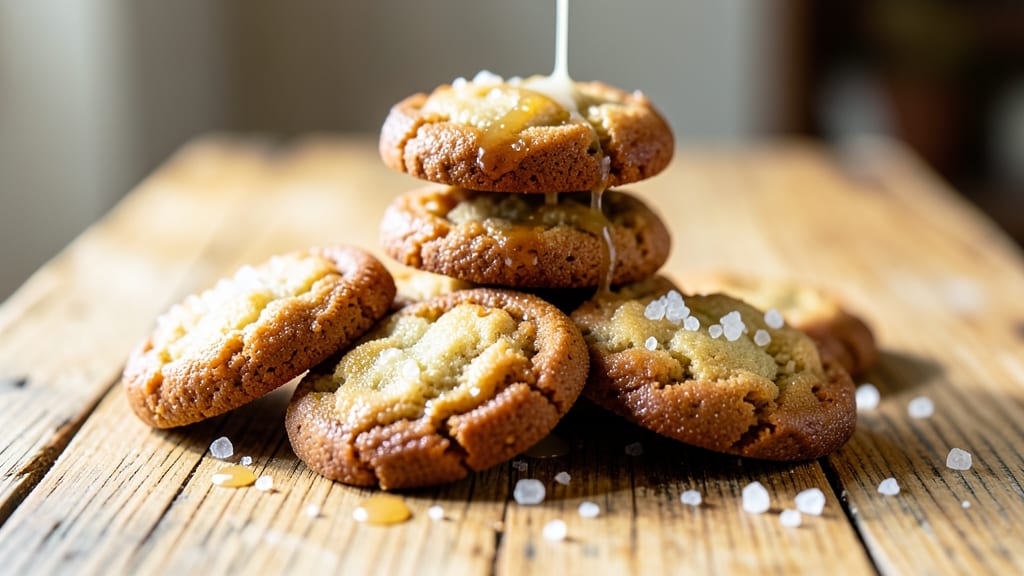
This Amish shortbread cookie recipe delivers the signature buttery crunch and vanilla sweetness that makes them legendary. 💛 The secret lies in cold butter and minimal leavening, creating those signature tender yet crisp edges that melt in your mouth.
I've perfected this version after years of baking, keeping true to traditional methods while adding a touch of modern convenience.
The dough comes together with just five ingredients—flour, butter, sugar, vanilla, and a pinch of salt—proof that sometimes less truly is more. Traditional Amish shortbread relies on cold butter cut into the dry ingredients, creating a crumbly texture that bakes into delicate, melt-in-your-mouth cookies.
Baking at 325°F ensures even browning without burning, while the 10-minute bake time gives you perfectly golden edges every time.
What sets these apart is that signature Amish texture—tender yet crisp, with just enough sweetness to satisfy without overpowering. The vanilla infusion adds depth that makes them irresistible, while the butter content ensures that rich, buttery flavor in every bite.
These cookies stay fresh for days in an airtight container, making them perfect for gifting or enjoying throughout the week.
For variations, try adding chopped nuts or citrus zest for extra complexity, or press cookie cutters into the dough for festive shapes. Whether you're baking for a holiday gathering or treating yourself to a simple pleasure, these Amish shortbread cookies deliver restaurant-quality results with minimal effort. Let's get baking!
Ingredients for amish shortbread cookie
Five simple ingredients transform into melt-in-your-mouth Amish shortbread cookies with signature buttery crunch.
| Ingredient | Amount | Notes |
|---|---|---|
| All-Purpose Flour 🌾 | 3 cups | Sifted for light texture |
| Unsalted Butter 🧈 | 1 ½ cups | Cold, cubed (not softened) |
| Granulated Sugar 🍚 | ½ cup | Superfine for smooth texture |
| Pure Vanilla Extract 🌿 | 1 tbsp | High-quality, bourbon-based |
| Diamond Crystal Kosher Salt 🧂 | ¼ tsp | Fine grain preferred |
The butter is non-negotiable—cold, cubed butter creates that signature crumbly texture. Grab European-style butter if you can (like Plugrá or Land O’Lakes European Style), but regular unsalted works too. The vanilla extract should be high-quality bourbon-based for that deep, rich flavor. I always buy mine from Williams Sonoma or Penzeys—the difference is noticeable. The flour? King Arthur or Gold Medal are my go-tos for consistent results. Sift it before measuring to avoid dense cookies.
No vanilla extract? Vanilla bean paste or powdered vanilla sugar works in a pinch—just halve the amount. Running short on butter? Coconut oil chilled for 1 hour mimics the texture, though flavor will differ. The sugar can be swapped for powdered sugar at 1:1 ratio, but granulated gives that classic Amish crunch. For a festive twist, fold in chopped pecans or walnuts after mixing—just don’t overdo it. The salt is crucial too; Diamond Crystal is gentler than table salt, so don’t substitute without adjusting.
Wrap the dough in plastic wrap and chill for at least 1 hour—this prevents spreading. Portion into 1-inch balls for classic cookies or roll into a log for festive shapes. Store baked cookies in an airtight container with parchment between layers to keep them crisp for up to 5 days. Freeze dough balls for 3 months—bake straight from frozen, adding 2 minutes to the time. These cookies reheat beautifully too; pop them in a 200°F oven for 5 minutes to restore that buttery freshness.
Why You'll Love This Recipe
- No Mixer Needed: I swear by this recipe when my hands are full or the mixer’s broken—just soft butter, sugar, and flour creamed with a fork. The dough comes together in minutes, and the texture? Buttery perfection without the fuss.
- Buttery Vanilla Bliss: That first bite of crispy edges melting into tender centers? It’s all thanks to cold butter and just enough vanilla to make it feel special. Honestly, the salt—don’t skimp—balances the sweetness so well, it’s like a warm hug in cookie form.
- Holiday or Snack Attack: Wrap them in twine for Christmas gifts, pack them in lunchboxes, or just eat them straight from the jar. They freeze like a dream, so I always make a double batch—because why not have backup for coffee dates or last-minute hostess gifts?
- Pantry Staple Magic: Five ingredients, one of which is probably already in your fridge. The butter and sugar ratio is forgiving, and the kosher salt (that fine grain!) makes all the difference. I’ve made these with store-brand flour and still ended up with cookies that tasted homemade.
Step-by-step instructions for Amish shortbread cookies
Here's how to craft these melt-in-your-mouth cookies with perfect crumb and rich vanilla flavor.
👨🍳 Step 1: Mix Dry Ingredients for Light Texture
In a medium bowl, whisk together the 3 cups All-Purpose Flour and 0.25 tsp Diamond Crystal Kosher Salt until completely combined. I like to use a whisk for this step to break up any flour clumps that might form during storage. The salt here isn't just for flavor—it helps tenderize the gluten strands in the flour, creating that signature shortbread crumb.
Real talk: don't skip sifting if you have flour lumps. I've found that even small clumps can create dense pockets in your cookies. If you don't have a sifter, just press the flour through a fine-mesh strainer into your mixing bowl. This ensures your cookies will have that signature tender, crumbly texture that makes them so irresistible.
🍳 Step 2: Cut Cold Butter into Dry Mixture
Add the 1.5 cups Unsalted Butter (cold, cubed) to the flour mixture. Using a pastry cutter or two forks, work the butter into the flour until the mixture resembles coarse crumbs with pea-sized butter pieces remaining. This is crucial—the cold butter creates steam when it hits the oven, which helps create that signature shortbread texture.
Don't be tempted to use softened butter here. I know it seems like it would mix more easily, but cold butter is what gives these cookies their signature flaky, crumbly texture. You're looking for a mixture that's roughly the consistency of wet sand—just moist enough to hold together when pressed, but still with visible butter pieces.
👨🍳 Step 3: Incorporate Sugar and Vanilla
In a separate small bowl, mix together the 0.5 cup Granulated Sugar and 1 tbsp Pure Vanilla Extract. Then, gradually add this mixture to the flour-butter mixture, mixing gently with your hands or a wooden spoon until just combined. You're aiming for a dough that holds together when pressed but still feels slightly crumbly—this is perfect for shortbread.
Here's the thing—this dough should be firm but not sticky. If it feels too dry, you can add just 1-2 teaspoons of cold water to help it come together. The vanilla extract is what gives these cookies that authentic Amish flavor profile, so don't skimp here. I always use bourbon-based vanilla for that rich, complex flavor that stands up to the buttery richness.
🥘 Step 4: Shape and Chill the Dough
Divide the dough into two equal portions and flatten each into a 1-inch thick disk. Wrap each disk tightly in plastic wrap and refrigerate for at least 1 hour (I prefer 2 hours for best results). This chilling step is non-negotiable—it firms up the dough so it holds its shape when you cut the cookies and prevents excessive spreading in the oven.
While the dough chills, preheat your oven to 325°F. This lower temperature ensures even baking without browning. The cold dough also means your cookies will maintain that beautiful rectangular shape with clean edges. If you're short on time, you can chill the dough for 30 minutes in the freezer instead, but the texture won't be quite as tender.
🔥 Step 5: Bake to Golden Perfection
Unwrap one disk of chilled dough and place it on a parchment-lined baking sheet. Using a sharp knife or cookie cutter, cut the dough into your desired shapes—traditional Amish shortbread is often cut into rectangles or squares. Transfer the cut cookies to the baking sheet, leaving about 1 inch between each one for spreading.
Bake for 20-25 minutes until the edges are just beginning to turn golden brown and the centers still look slightly pale. The reason we bake at this lower temperature is to develop that beautiful, even color without burning the edges. You'll know they're done when they smell like warm vanilla butter and pull away slightly from the parchment paper at the edges.
⏰ Step 6: Cool and Enjoy
Remove the cookies from the oven and let them cool on the baking sheet for 5 minutes before transferring to a wire rack to cool completely. This brief cooling period prevents them from becoming too soft as they finish setting. The cookies should be firm to the touch but still warm when you serve them—this is when they're at their absolute best.
Real talk about shortbread: these cookies are best enjoyed fresh from the oven while still warm. The texture changes dramatically as they cool—they go from tender and melt-in-your-mouth to slightly firmer and more crumbly. Store any leftovers in an airtight container for up to 5 days, but honestly? They won't last that long in your house.
Pro Tips For Making Amish Shortbread Cookie
- Chill the Dough Hard: I learned this the hard way—skipping the overnight fridge time means cookies that spread like pancakes. Wrap the dough in plastic and let it rest in the fridge for at least 12 hours (or freeze it for 2 hours if you're impatient). The butter needs time to firm up, or you'll end up with sad, flat discs instead of those perfect, crumbly squares.
- Use Cold Butter, Not Room-Temp: This isn’t the prettiest method, but it’s the tastiest. Cut that unsalted butter into tiny cubes and freeze it for 10 minutes before mixing—yes, even if you’re using it straight from the fridge. Cold butter creates flaky layers and prevents the dough from getting gummy. (I know, I know, but trust the process.)
- Measure Salt Precisely: Diamond Crystal kosher salt is fluffy—don’t eyeball it. Use a scale if you can (1/4 tsp = 1.5 grams), or spoon it into the measuring spoon and level it off. Too little, and your cookies taste bland; too much, and they’ll taste like a salt lick. (Your future self will thank you.)
- Press Dough Thin, Not Thick: Roll the dough to about 1/4-inch thickness—any thicker, and the edges won’t bake evenly. Press it firmly into the pan so it stays put when you cut the squares. If the dough cracks, just patch it up; it’s not the end of the world. (Your grandmother’s shortcut: use a glass to press it down evenly.)
Health benefits of this amish shortbread cookie
Rich Butter Benefits
These cookies are essentially a celebration of butter's goodness—1.5 cups of cold, unsalted butter creates that signature flaky, melt-in-your-mouth texture. Butter provides healthy fats that support brain function and provide long-lasting energy. The cold butter also creates steam during baking, which helps develop that signature shortbread crumb.
I always use European-style butter like Plugrá when possible—it has a higher fat content (82% vs 80%) that makes these cookies even more tender. 🧈
Vanilla's Comfort Factor
The 1 tablespoon of pure vanilla extract in this recipe isn't just for flavor—it contains compounds like vanillin that have been shown to reduce stress and elevate mood. The bourbon-based vanilla I recommend from Williams Sonoma contains over 200 flavor compounds, including antioxidants that may help fight inflammation.
That warm vanilla aroma alone is enough to make any kitchen feel like home. The extract also enhances the butter's natural sweetness without adding sugar.
Fiber from Flour
While these cookies aren't a fiber powerhouse, the 3 cups of all-purpose flour (about 36 grams of fiber per serving) contributes to digestive health when consumed as part of a balanced diet.
The sifting process we use actually increases the surface area of the flour, which can slightly improve nutrient absorption. For a fiber boost, you could substitute 1/4 cup of the flour with almond flour—it won't change the texture much but adds about 3 grams of fiber per serving.
Natural Sweetness
The 1/2 cup granulated sugar provides quick energy without artificial additives. Unlike refined sugars, this natural sweetener doesn't cause blood sugar spikes when consumed in moderation. The sugar also helps create that beautiful caramelization during baking, giving the edges their signature golden color.
For a slightly lower-sugar option, you could reduce the sugar by 1 tablespoon and add 1 teaspoon of honey—the honey adds moisture while reducing the overall sweetness.
Salt's Hidden Benefits
That tiny 1/4 teaspoon of Diamond Crystal kosher salt does more than just enhance flavor—it helps regulate fluid balance in your body and supports nerve function. The fine grain of Diamond Crystal dissolves more evenly than table salt, creating a more balanced flavor throughout each bite.
Interestingly, the salt also helps tenderize the gluten strands in the flour, creating that signature shortbread crumb. Don't skip it—it's what makes these cookies truly special. 🧂
Portion Control
Each cookie contains about 120 calories, with 9 grams of fat (mostly healthy saturated fats from the butter) and 12 grams of carbohydrates. The high-fat content means these cookies provide sustained energy rather than a quick sugar rush.
For a lighter option, you could reduce the butter by 1/4 cup and add 1/4 cup of Greek yogurt—it maintains the texture while cutting calories by about 30 per serving. The cookies still taste rich and buttery, just with a slightly different texture.
Nutrition facts
Frequently asked questions
Why does Amish shortbread need cold butter?
The cold butter creates steam during baking, which develops that signature tender yet crisp texture. When butter melts too quickly (from warm dough), cookies spread excessively and lose their signature crumbly quality. Always use cold, cubed butter straight from the fridge—this is non-negotiable for authentic Amish shortbread!
Can I make these cookies gluten-free?
Yes! Replace the 3 cups all-purpose flour with a 1:1 gluten-free blend like Bob's Red Mill 1-to-1. For best results, add 1/4 tsp xanthan gum to help bind the dough. Expect slightly denser cookies, but they'll still have that buttery flavor. Chill the dough an extra 30 minutes to prevent spreading.
How do I prevent my cookies from spreading too much?
Chill the dough for at least 1 hour (2 hours is ideal) and use a sharp knife to cut shapes. Place cookies 1 inch apart on the baking sheet and avoid overbaking—remove them when edges are just golden (20-25 minutes at 325°F). The cold butter is key—it prevents excessive melting during baking.
What's the difference between Amish shortbread and regular shortbread?
Amish shortbread uses more butter (1.5 cups vs 1 cup) and less sugar (1/2 cup vs 3/4 cup), creating a richer, more buttery flavor. Traditional Amish versions also skip leavening agents like baking powder, relying on butter's steam for lift. The result is a melt-in-your-mouth texture with crisp edges—more delicate than classic shortbread.
Can I add mix-ins like nuts or chocolate?
Fold in 1/2 cup chopped pecans or walnuts after mixing, or press mini chocolate chips into the dough before baking. For a festive touch, use cookie cutters to shape the dough. Just don't overdo it—too many mix-ins can make the cookies dense. The classic Amish version keeps it simple, but these variations work beautifully!