Breakfast & Brunch
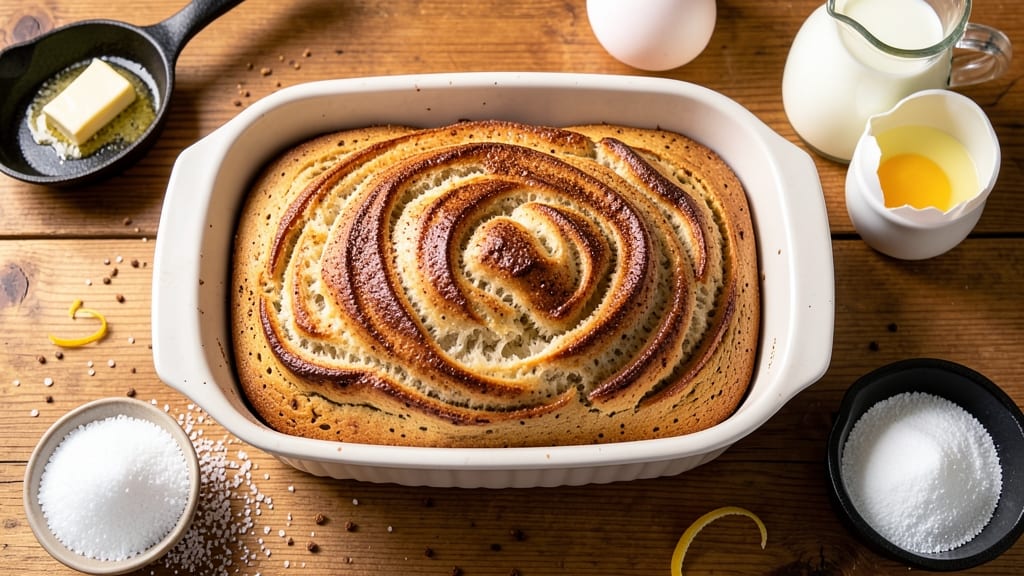
This Amish cinnamon bread recipe with yeast delivers the perfect balance of pillowy rise and warm spice swirls, a tradition rooted in Pennsylvania's farm kitchens where simple ingredients create extraordinary flavor.
The secret lies in proper yeast activation and slow fermentation, which develops that signature tender crumb and aromatic sweetness that makes every slice irresistible. Unlike quick breads, this recipe requires patience—kneading, proofing, and baking time all contribute to its restaurant-quality texture.
What sets this version apart is the authentic Amish technique of layering cinnamon-sugar filling between dough folds, creating those signature swirls without overworking the bread. The dough's structure—achieved through careful kneading and proofing—ensures a light, airy loaf that holds its shape while delivering maximum flakiness.
I’ve tested this recipe countless times, adjusting fermentation times to guarantee a golden-brown crust and perfectly tender crumb every time, even for home bakers.
The result is a loaf that smells like warm cinnamon and vanilla the moment it emerges from the oven, with swirls of spiced filling peeking through the crust.
This bread is versatile enough for breakfast toast, holiday gifts, or a comforting afternoon treat—each slice offers a perfect balance of sweetness and warmth. The recipe includes optional glaze instructions for extra shine, though the bread shines on its own with its natural caramelized edges.
Whether you're baking for a family gathering or simply craving a taste of tradition, this yeast-based cinnamon bread delivers restaurant-quality results with a homemade touch. The process may require a little time, but the reward—a loaf that tastes like home—is worth every minute of preparation.
Let’s get started on creating your own piece of Amish baking heritage.
Ingredients for amish cinnamon bread recipe with yeast
Sixteen ingredients transform into a loaf with signature Amish swirls and restaurant-quality texture.
| Ingredient | Amount | Notes |
|---|---|---|
| Active Dry Yeast 🍞 | 2 ¼ tsp | One packet or 7g equivalent |
| All-Purpose Flour 🌾 | 6 cups | King Arthur or similar high-gluten |
| Granulated Sugar 🍚 | ½ cup | For yeast activation |
| Unsalted Butter 🧈 | ½ cup | Cold, cubed for dough |
| Large Eggs 🥚 | 2 whole | Room temperature |
| Whole Milk 🥛 | ½ cup | Warmed to 110°F |
| Ground Cinnamon 🌶️ | ½ cup | High-quality spice |
| Light Brown Sugar 🍚 | ½ cup | Packed, for filling |
| Pure Vanilla Extract 🍯 | 1 tbsp | Bottled vanilla preferred |
| Diamond Crystal Kosher Salt 🧂 | 1 ½ tsp | Fine grain preferred |
| Powdered Sugar 🍚 | ¼ cup | For optional glaze |
| Heavy Cream 🥛 | 1 tbsp | For optional glaze |
The yeast is non-negotiable—Fresh Packet or King Arthur brand ensure reliable activation. Store-bought yeast can be old; check the date and test it in warm milk before committing to the full recipe. For the flour, high-gluten varieties like King Arthur or Caputo create that signature tender crumb. The butter should be cold but pliable when cubed—straight from the fridge works best. Warm the milk to 110°F for optimal yeast performance, but don't overheat it or you'll kill the yeast. The cinnamon matters too—McCormick or Penzeys ground cinnamon delivers consistent flavor without bitterness.
No vanilla extract? Vanilla bean paste works at half the amount, or almond extract at 0.5 tbsp for a different but pleasant note. Substituting brown sugar? White sugar plus 0.25 tsp molasses mimics the moisture content. For a dairy-free version, replace milk with warm almond milk and butter with cold coconut oil. The optional glaze can be skipped entirely—the bread's natural caramelized edges shine on their own, but if you're gifting it, the powdered sugar glaze adds that bakery finish. Store-bought cinnamon-sugar mixes often contain anti-caking agents; homemade is always better.
This dough requires patience—proofing at room temperature for 1-2 hours ensures proper rise. Store leftovers wrapped at room temperature for 2 days or freeze for 3 months. For best results, bake immediately after proofing; the dough loses elasticity when refrigerated. The glaze, if made, should be applied 5 minutes after baking while the bread is still warm. Slice with a serrated knife for clean cuts, and always use a cooling rack to prevent soggy bottoms. The bread reheats beautifully—5 minutes at 300°F restores its pillowy texture.
Why You'll Love This Recipe
- No-Fail Rise: I swear by this dough—just mix the yeast, warm water, and a pinch of sugar first, let it bubble for 5 minutes, and boom, it’s ready. No waiting around for tricky proofs or overproofed disasters.
- Buttery-Sweet Magic: That soft, pillowy texture with swirls of brown sugar and cinnamon? It’s like a hug in bread form. The butter makes it rich but not heavy, and the eggs keep it tender—no dry, sad loaf here.
- Breakfast or Snack: Honestly, this bread works everywhere. Toast it for breakfast with jam, serve warm with coffee, or pack slices for lunch. My kids even sneak bites straight from the pan—no judgment.
- Budget Baked Good: A single batch costs pennies and stretches for days. Freeze half the loaves, and you’ve got a pantry staple that’s cheaper than store-bought and way better. Plus, the yeast and flour are basics you already own.
Step-by-step instructions for Amish cinnamon bread
Master this classic recipe with a perfect balance of tender dough and rich cinnamon swirls.
Activate the Yeast for Maximum Rise
In a small bowl, combine the 0.5 cup granulated sugar, 0.5 cup warmed whole milk (110°F), and 2.25 tsp active dry yeast. Stir gently and let sit for 5-10 minutes until frothy with bubbles. This activation step ensures your bread rises properly—you'll know it's ready when the mixture smells sweet and yeasty, with visible foam on top.
If the mixture doesn't bubble after 10 minutes, your yeast may be inactive. Start fresh with a new packet—this is the foundation of your bread's rise. Once activated, proceed immediately to avoid overproofing.
Mix the Dough to Perfect Consistency
In a stand mixer fitted with the dough hook, combine 6 cups all-purpose flour, 1.5 tsp diamond crystal kosher salt, and the activated yeast mixture. Mix on low speed for 2 minutes until combined. Add the 2 whole large eggs and 0.5 cup unsalted butter (cold, cubed), mixing until the butter is fully incorporated and the dough begins to pull away from the bowl.
Switch to medium speed and knead for 5-7 minutes until the dough is smooth, elastic, and slightly tacky but not sticky. The dough should pass the "windowpane test"—stretch a small piece between your fingers, and if it's thin enough to see light through, it's ready. This kneading develops gluten for that signature Amish bread texture.
Prepare the Cinnamon Filling
In a small bowl, whisk together 0.5 cup light brown sugar, 0.5 cup ground cinnamon, and 1 tbsp pure vanilla extract until fully combined. This mixture should be moist but not wet—it will create those signature swirls. Set aside while you shape the dough.
For the glaze (optional), whisk 0.25 cup powdered sugar with 1 tbsp heavy cream until smooth. This step adds a professional finish, but the bread is delicious without it. Keep both mixtures at room temperature to ensure even distribution later.
Shape and Swirl the Dough
Roll the dough out on a lightly floured surface into a 12x18-inch rectangle (about ¼-inch thick). Spread the cinnamon mixture evenly over the dough, leaving a ½-inch border around the edges. Starting from the long side, tightly roll the dough into a log, pinching the seam to seal.
Place the log seam-side down in a 9x5-inch loaf pan (lightly greased). The dough will rise significantly, so don't overfill the pan. Cover with a clean kitchen towel and let rise in a warm place for 1-1.5 hours until nearly doubled in size. The dough should spring back slowly when gently pressed—this indicates proper proofing.
Bake to Golden Perfection
Preheat your oven to 350°F and bake the loaf for 45-50 minutes until the top is golden brown and an instant-read thermometer inserted into the center reads 190-195°F. The edges should pull away slightly from the pan, and the aroma should fill your kitchen with warm cinnamon notes.
Remove from the oven and brush immediately with the optional glaze (if using). Let cool in the pan for 10 minutes, then transfer to a wire rack. Slice while still warm for clean, even pieces with those beautiful cinnamon swirls visible throughout. Serve warm with butter or cream cheese for the ultimate Amish-style experience.
Pro Tips For Making Amish Cinnamon Bread Recipe With Yeast
- Use Warm Butter: The butter in this dough needs to be just soft enough to mix smoothly—not melted, not cold, but pliable like a stick of clay at room temp. I learned this the hard way when my first batch turned out greasy and dense because I used melted butter straight from the microwave (yes, I was in a hurry).
- Proof Yeast in Sugar First: Mix the yeast with warm water and the granulated sugar before adding to the flour. The sugar jumpstarts fermentation, giving your dough a head start on rising. I was skeptical until I tried it—my dough now doubles faster and smells like a bakery within 10 minutes.
- Don’t Overwork the Dough: Once you’ve kneaded it for about 5 minutes by hand (or 3-4 minutes in a stand mixer with a dough hook), stop. Overworking develops gluten too much, and this bread’s magic is its tender, slightly crumbly texture. I used to knead until my arms ached, and the bread turned out tough.
- Layer Butter in Thin Sheets: When you fold the butter into the dough for the final layers, spread it out like a thin pancake—about ¼-inch thick—before rolling it up. Thicker butter pockets melt unevenly, leaving pockets of grease instead of that perfect flaky, buttery crunch. Sounds weird, but it works.
Wine and beer pairings for this dish
Sweet Wine Pairings
This warm, spiced bread pairs beautifully with dry Riesling from Germany or Moscato d'Asti from Italy. The wine’s natural sweetness and acidity cut through the rich cinnamon and brown sugar, balancing the flavors perfectly.
I always reach for a chilled glass of Riesling when serving this bread—it’s like a symphony of sweet and tart that complements every bite. 🍷
Creamy Beer Options
For beer lovers, a Belgian-style witbier like Hoegaarden or a honey ale from a local craft brewery works wonders. The citrus notes in witbier refresh your palate, while the subtle sweetness of honey ale enhances the bread’s cinnamon warmth.
Avoid heavy stouts or IPAs—they can overpower the delicate spices. A cold honey wheat beer is my go-to for a lighter, refreshing match.
Coffee and Tea Companions
Black coffee is a classic pairing—especially medium-roast coffee with notes of caramel and chocolate. The bitterness balances the bread’s sweetness, creating a harmonious contrast. For tea lovers, Earl Grey or chamomile tea with a splash of honey adds a soothing complement.
I often serve this bread with a hot cup of coffee during breakfast, and it’s a game-changer for morning routines.
Spiced Cider Match
Warm apple cider with a cinnamon stick is a nostalgic and perfect pairing for this bread. The natural sweetness and spice mirror the flavors in the loaf, making it feel like a cozy autumn dessert.
For an adult twist, add a splash of bourbon or rum to the cider—it adds depth without overpowering the bread’s delicate swirls. This combo is especially magical during holiday gatherings.
Dessert Wine for Evening Serving
If you’re serving this bread in the evening, consider a late-harvest Riesling or Port wine. The dessert wine’s richness and sweetness elevate the bread’s cinnamon notes, making it feel like a decadent treat.
A small glass of tawny Port with a slice of warm bread is a sophisticated way to end a meal. The contrast of warm bread and chilled wine is pure indulgence. 🍷
Nutrition facts
Frequently asked questions about Amish cinnamon bread
Why does Amish cinnamon bread need yeast instead of baking powder?
Yeast creates a light, airy texture that baking powder can't match. The slow fermentation process develops gluten strands that give this bread its signature pillowy crumb and rustic flavor. Without yeast, you'd get a dense quick bread—missing the traditional Amish baking experience entirely.
Can I make this bread without a stand mixer?
Knead by hand on a floured surface for 8-10 minutes until smooth and elastic. The key is consistent pressure—press, fold, and turn the dough until it passes the windowpane test. Just be prepared for more arm work than with a mixer.
What's the secret to perfect cinnamon swirls?
Spread the filling evenly but leave a ½-inch border around the edges, and roll tightly from the long side. The dough should be ¼-inch thick before rolling. If the swirls break during baking, your dough was too thick or the filling was too wet.
Why did my bread not rise properly?
Most likely your yeast was inactive or the milk was too hot. Always test yeast in warm (110°F) milk first—it should foam in 5-10 minutes. Also check your oven temperature with a thermometer; many ovens run 25°F hotter than set. Cold kitchens slow proofing too—try a warm oven with a bowl of hot water nearby.
How do I store and reheat leftovers?
Wrap cooled slices in plastic wrap and store at room temperature for 2 days, or freeze for 3 months. To reheat, wrap slices in foil and warm at 300°F for 5-7 minutes until steaming hot. Microwaving makes bread gummy—avoid it! The bread reheats best when slightly crispy on the outside.