
Side Dishes
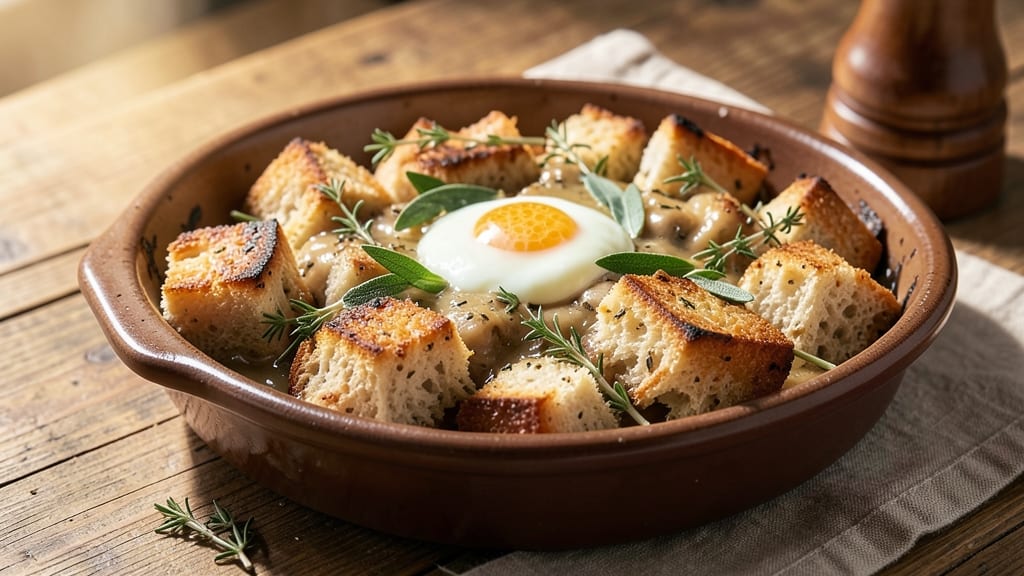
This Amish bread stuffing recipe transforms humble ingredients into golden, crispy bites that steal every holiday table. The secret lies in cubing day-old bread just right—neither too fine nor too chunky—and balancing moisture with rich chicken broth and melted butter.
I’ve perfected this version over years of Thanksgiving gatherings, where it becomes the star of the meal, not just a side.
Traditional Amish techniques focus on simplicity and texture: cubed cornbread mixed with savory herbs, toasted to a perfect golden brown. No fancy ingredients needed—just quality bread, aromatic seasonings, and patience.
The key is baking it slowly until the edges are crispy while keeping the center tender, a balance that takes practice but delivers restaurant-quality results at home.
What you’ll get is a stuffing with crispy, caramelized edges that give way to a moist, herby interior—rich with the flavors of sage, thyme, and poultry seasoning. The cornbread adds a subtle sweetness that complements the savory notes, making each bite irresistible.
This recipe serves 12 and can be prepped ahead, so you can focus on other dishes while the oven does the work.
For a modern twist, try swapping regular bread for gluten-free cornbread or adding diced apples for a sweet contrast. The stuffing also reheats beautifully, so leftovers are just as delicious the next day. Let’s get started on a dish that brings warmth and tradition to your table.
Ingredients for amish bread stuffing
Golden, crispy bites start with day-old bread and aromatic herbs—no fancy ingredients needed.
| Ingredient | Amount | Notes |
|---|---|---|
| Day-Old Cornbread 🍞 | 12 cups | Cubed into 1-inch pieces (store-bought or homemade) |
| Day-Old Sourdough Bread 🍞 | 4 cups | Cubed into 1-inch pieces (for texture contrast) |
| Unsalted Butter 🧈 | ¾ cup | Melted, full-fat for richness |
| Chicken Broth 🍲 | 2 ½ cups | Low-sodium, homemade preferred |
| Fresh Sage Leaves 🌿 | ½ cup | Chopped, stems removed (dried at 1 tbsp) |
| Fresh Thyme Leaves 🌿 | 2 tbsp | Chopped, stems removed (or 1 tsp dried) |
| Poultry Seasoning 🌶️ | 2 tbsp | Store-bought or homemade blend |
| Salt 🧂 | 1 ½ tsp | Diamond Crystal preferred (adjust to taste) |
| Black Pepper 🌶️ | 1 tsp | Freshly ground for best flavor |
| Granny Smith Apples 🍎 | 1 medium | Diced small (optional for sweet contrast) |
| Yellow Onion 🧅 | 1 medium | Diced small (for subtle sweetness) |
| Eggs 🥚 | 1 whole | Beaten for binding (optional for extra moisture) |
The bread is everything here. Day-old cornbread and sourdough give that perfect texture—crispy edges, tender center. I always grab Stone Ground Grits cornbread from the bakery section, but homemade works too. If you're short on time, Pepperidge Farm French bread cubed and toasted does the trick. The apples and onion add subtle sweetness that balances the savory herbs—Granny Smiths are best for tartness, but any crisp apple works. Toast your bread cubes in the oven for 10 minutes before mixing to kick up the flavor even more.
No fresh sage? Dried works at one-third the amount, but the flavor isn't the same. Short on poultry seasoning? Mix 1 tsp each of thyme, rosemary, and marjoram for a close match. The butter matters—full-fat only. If you're making this ahead, skip the egg and add more broth instead. For a gluten-free version, swap the bread for gluten-free cornbread or use cauliflower rice as the base. The broth should be low-sodium—Swanson or Pacific Foods are my go-tos, but homemade is always better.
This stuffing reheats beautifully—cover with foil for 20 minutes at 350°F to keep it moist. Leftovers keep for 4 days in the fridge or 3 months frozen. I always make a double batch because it disappears fast. For extra crispiness, broil for 2-3 minutes at the end. The secret to restaurant-quality stuffing? Patience—don't rush the baking time, or you'll end up with dry edges.
Why You'll Love This Recipe
- No Leftovers Wasted: I swear by using day-old cornbread and sourdough—no sad, stale scraps here. The texture stays perfect, and honestly? I never have to force myself to eat "extra" because it’s so good, I’ll make a second batch just to reheat later.
- Sage-Kissed Comfort: That fresh sage in the butter? It’s the star. The aroma alone makes my kitchen smell like Thanksgiving morning, and the crispy edges with the creamy center? Chef’s kiss every time.
- Crowd-Pleaser Always: Between us, this stuffing works for holidays and lazy Sundays. Serve it with roast chicken, turkey, or even just a fried egg—my college-aged son still asks for it when he visits, and that’s saying something.
- One-Pot Wonder: Minimal chopping, no fancy tools—just cube the bread, mix with broth, and bake. I’ve made this while chatting with a friend on the phone, and it still comes out better than takeout. (Yes, even on a Tuesday night.)
Step-by-step instructions for savory herb and crispy cornbread bites
Transforming day-old bread into golden, crispy stuffing is easier than you think.
Prep and Toast the Bread Cubes
Preheat your oven to 350°F. Spread the 12 cups of day-old cornbread and 4 cups of day-old sourdough bread (both cubed into 1-inch pieces) evenly on two rimmed baking sheets. This ensures even browning without overcrowding.
Toast the bread cubes for 10-12 minutes, stirring once halfway through, until they're golden brown and crisp around the edges. The cornbread will release its natural sweetness while the sourdough adds hearty texture. Let them cool slightly before proceeding—this prevents a soggy stuffing later.
Sauté the Aromatics and Apples
In a large skillet over medium heat, melt the 0.75 cup unsalted butter. Add the diced yellow onion and cook for 4-5 minutes until softened and translucent. Stir in the diced Granny Smith apples (if using) and cook for another 3 minutes until they begin to caramelize slightly.
Add the 0.5 cup chopped fresh sage leaves and 2 tbsp chopped fresh thyme leaves, stirring for 30 seconds until fragrant. The apples add subtle sweetness that balances the savory herbs, while the butter infuses everything with rich flavor. Remove the skillet from heat and let the aromatics cool for 2 minutes—this prevents steam from making your stuffing watery.
Combine All Ingredients for Maximum Flavor
In a large mixing bowl, combine the toasted bread cubes, sautéed onion-apple mixture, 2.5 cups chicken broth, 2 tbsp poultry seasoning, 1.5 tsp salt, and 1 tsp black pepper. If using the 1 whole beaten egg, drizzle it over the mixture and gently toss until evenly distributed. The egg acts as a binder, ensuring your stuffing holds together without being gluey.
Use a wooden spoon to mix thoroughly—you want every bread cube coated in the flavorful broth and butter mixture. Taste and adjust seasoning if needed; the poultry seasoning already packs a punch, so go easy with additional salt. Let the mixture sit for 5 minutes to allow the flavors to meld.
Bake Until Golden and Crispy
Transfer the stuffing mixture to a 9x13-inch baking dish and spread it evenly. Bake at 375°F for 25-30 minutes, covered with foil, until the internal temperature reaches 165°F. The foil traps steam, ensuring the stuffing cooks through without drying out.
Remove the foil and bake for an additional 10-15 minutes until the top is deep golden brown and crispy. For extra crunch, broil for 2-3 minutes at the end, watching closely to avoid burning. The stuffing should be moist but not soggy, with a crisp exterior that contrasts beautifully with the tender interior.
Pro Tips For Making Amish Bread Stuffing
- CRUMBLE FIRST, THEN MIX: Dry out your day-old cornbread and sourdough by breaking them into 1-inch chunks, then tossing them on a baking sheet at 300°F for 10-12 minutes. This prevents a gummy center—trust me, I’ve made the soggy version, and it’s a crime.
- USE COLD BUTTER: Cut your unsalted butter into small cubes and fold it into the stuffing last, keeping it cold until everything’s in the pan. Melted butter makes the bread turn to paste, and you’ll end up with a sad, dense lump instead of fluffy pockets.
- SAGE SHOULD SHINE: Chop the fresh sage leaves fine—think confetti, not confetti salad—and toast them in a dry pan for 30 seconds before mixing. This releases their oils and gives that deep, herby aroma that makes Amish-style stuffing sing.
- BROTH NEEDS SALT: Don’t assume your chicken broth is seasoned enough—add an extra ½ teaspoon of salt per cup to the liquid, especially if you’re using unsalted butter. I learned this after tasting a bland, buttery mess that needed more oomph.
Troubleshooting your amish bread stuffing
Dry and Crumbly Stuffing
If your stuffing turns out dry or crumbly, it’s usually from over-toasting the bread or baking too long. Toast bread cubes for only 10-12 minutes—no longer, or they’ll lose moisture. Also, cover with foil during the first half of baking to trap steam.
If it’s still dry, add ¼ cup extra broth and bake for another 5-10 minutes until heated through. 💫
Soggy or Mushy Texture
Soggy stuffing happens when there’s too much liquid or under-toasted bread. Toast bread thoroughly before mixing, and reduce broth by ¼ cup if your recipe feels wet. For extra insurance, skip the egg—it can make the texture gluey.
If it’s already soggy, spread it on a baking sheet and broil for 2-3 minutes to crisp the edges.
Uneven Cooking or Raw Centers
Stuffing that’s raw in the middle usually means it didn’t bake long enough or was overcrowded. Use a meat thermometer to check the center—it should reach 165°F. If your oven runs hot, lower the temp to 350°F and bake for 10-15 minutes longer.
Spread the stuffing in a single even layer in your baking dish to ensure even cooking.
Lack of Flavor or Bland Taste
Bland stuffing often means under-seasoned ingredients or weak broth. Toast your bread cubes to deepen their flavor, and use homemade chicken broth if possible—store-bought can be too mild. Add ½ tsp smoked paprika or a pinch of nutmeg for warmth.
Taste as you mix and adjust salt, pepper, or herbs—poultry seasoning is key, but don’t overdo it.
Burnt or Overly Browned Top
If the top browns too quickly, your oven is too hot or the foil was removed too soon. Cover with foil until the stuffing is 80% cooked, then uncover for the final 10-15 minutes.
For extra insurance, reduce oven temp to 350°F during the last phase. If it’s already burnt, cover with a fresh sheet of foil and bake at 300°F for 5-10 minutes to reheat gently.
Preventing Common Mistakes
Start with day-old bread—fresh bread absorbs too much liquid and turns mushy. Toast the bread cubes before mixing to lock in moisture and add texture. Measure broth carefully—too much makes it soggy, too little makes it dry. Use a baking dish with high sides to contain any overflow, and let the stuffing rest for 5 minutes after baking to redistribute juices. 🔥
Nutrition facts
Frequently asked questions about Amish bread stuffing
Why does the recipe call for day-old bread instead of fresh?
Day-old bread works best because it's drier and absorbs less liquid, preventing a soggy texture. Fresh bread releases too much moisture, making the stuffing mushy. The slight staleness also helps create that perfect crispy exterior when baked.
Can I make this stuffing ahead of time?
This stuffing actually tastes better the next day. Prepare it up to 24 hours ahead, then refrigerate uncovered. When ready to bake, add ¼ cup extra broth and bake at 350°F for 30-35 minutes until heated through and crispy.
What's the best way to reheat leftovers?
For best results, spread leftovers on a baking sheet and bake at 350°F for 15-20 minutes, covered with foil for the first 10 minutes to prevent drying. The foil trap keeps the center moist while the edges crisp up again.
Can I substitute cornbread with regular bread?
You can, but the texture will be different. Regular bread lacks the subtle sweetness and crumbly texture of cornbread. For a close match, use a mix of 50% cornbread and 50% crusty bread like sourdough or French bread for better flavor and structure.
How do I make this gluten-free?
Replace the bread with gluten-free cornbread or use cauliflower rice as the base. For binding, add 1 extra beaten egg or 1 tbsp cornstarch mixed with broth. Check gluten-free labels carefully, as some seasonings may contain hidden gluten.