
Side Dishes
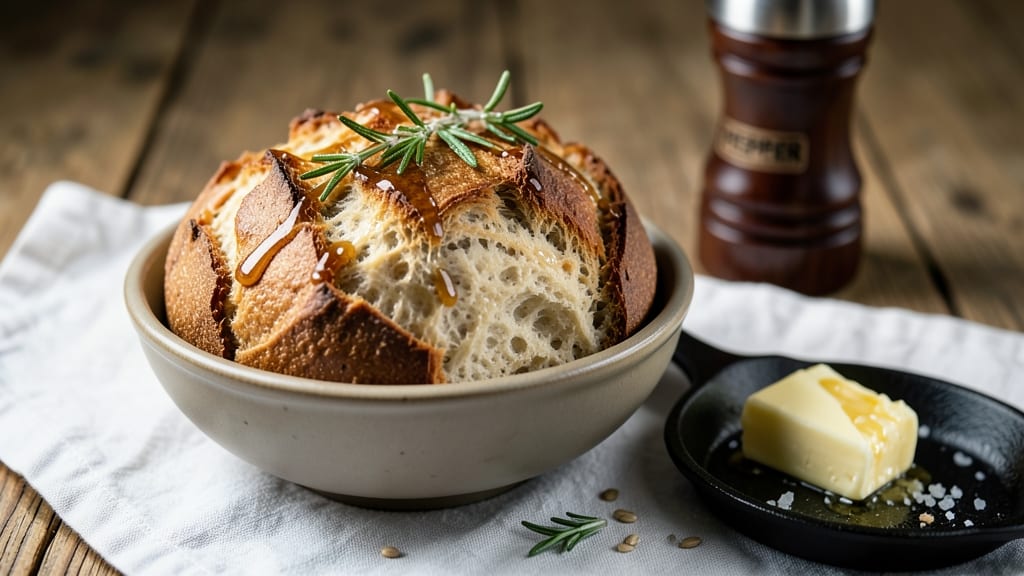
This American bread recipe delivers the perfect balance of a crisp golden crust and soft, airy crumb that makes every slice irresistible. 💛 The secret lies in precise dough handling and steam baking—a technique that transforms simple ingredients into artisanal-quality loaves you'll want to bake every week.
What sets this recipe apart is its foolproof method, designed for home bakers who want professional results without the complexity. We'll focus on proper kneading, proofing, and shaping to develop gluten structure, followed by steam baking that creates that signature crackly crust while keeping the interior tender.
No special equipment required—just time and attention to detail. By the time your bread emerges from the oven, you'll have a loaf with a deep caramelized crust and an open, even crumb that's perfect for sandwiches, toast, or serving warm with butter.
The aroma alone will have everyone gathering around your kitchen, and the texture will make them ask for seconds. Whether you're making classic sandwich bread, a rustic boules, or dinner rolls, this recipe adapts beautifully.
Let's get started on creating bread that tastes like a slice of nostalgia—homemade perfection you can't get from a store.
Ingredients for american bread
Simple pantry staples transform into golden, crusty bread with a soft center—no fancy tools needed.
| Ingredient | Amount | Notes |
|---|---|---|
| All-Purpose Flour 🌾 | 5 cups | Sifted for even texture |
| Active Dry Yeast 🍞 | 2 ¼ tsp | Freshly opened packet |
| Granulated Sugar 🍚 | 1 tbsp | For yeast activation |
| Unsalted Butter 🧈 | ½ cup | Softened, full-fat preferred |
| Large Eggs 🥚 | 1 whole | Room temperature |
| Warm Water 💧 | 1 ¼ cups | 110°F for yeast activation |
| Salt 🧂 | 1 ½ tsp | Kosher or sea salt |
| Milk 🥛 | ¼ cup | Warm, for dough enrichment |
| Cornmeal 🌽 | ½ cup | For dusting work surface |
| Ice Cubes ❄️ | ¼ cup | For shaping dough |
| Egg Wash 🥚 | 1 tbsp | 1 egg beaten with 1 tbsp water |
| Coarse Sugar 🍚 | 1 tbsp | For sprinkling crust |
Flour is everything here. King Arthur or Bob's Red Mill are my go-tos—they develop gluten beautifully, giving that signature open crumb. If you're using store-brand flour, add an extra tablespoon since brands vary in density. The yeast? Fresh is non-negotiable—that little packet in your fridge has been sitting there for months. For the butter, Land O'Lakes or Plugrá work perfectly, but any full-fat butter will do. Pro tip: Let your butter sit out for 30 minutes before mixing—it should be soft enough to press with a finger but not melted. And that warm water? It's the yeast's happy place—110°F is ideal. Use a thermometer if you're unsure; too hot and you kill the yeast, too cold and it won't activate.
No yeast on hand? Instant yeast works 1:1, but active dry needs proofing first. Short on butter? Olive oil or coconut oil gives a slightly different flavor but keeps the dough tender. Eggs too expensive? Flax eggs (1 tbsp ground flax + 3 tbsp water) work in a pinch, though the texture will be slightly denser. For the milk, whole milk gives the best flavor, but any milk works in a bind. The cornmeal is just for dusting—semolina works too—but don't skip it. It prevents sticking and adds that gorgeous texture to the bottom of your loaf. And that ice cube trick? Worth the extra minute—it tightens the gluten for easier shaping and a cleaner crust.
Dough keeps best in the fridge for 24 hours if you make it ahead—just let it come to room temp before baking. For longer storage, freeze shaped dough balls wrapped in plastic for up to 3 months. Thaw overnight in the fridge before baking. Once baked, let your bread cool completely on a wire rack—cutting into warm bread is a crime. Store wrapped at room temp for 2 days, or freeze sliced for 3 months. The crust stays crispy if you reheat slices in a 350°F oven for 5 minutes. Trust me, your toaster can't compete with that.
Why You'll Love This Recipe
- No-Knead Magic: I swear by this dough—just mix, let it rise, and bake. The yeast does all the work while I sip coffee, and that buttery richness? Pure reward for doing almost nothing.
- Buttery Soft Crust: That warm, pillowy interior with a golden crust? The butter and sugar team up to make it taste like a bakery’s secret. Honestly, my kids think it’s "fancy bread," and I’m not correcting them.
- Weeknight Hero: Toss together the night before, wake up to proofed dough, and bake while you shower. It’s my go-to for sandwiches, toast, or even French toast—no last-minute stress, just fresh bread.
- Budget-Friendly Staple: A few bucks for flour and yeast stretches to a week’s worth of meals. Freeze slices for toast or stuff it in soups—this bread pays its way in flavor and savings. (Yes, even on a Tuesday night.)
Step-by-step instructions for American bread
Here's the classic method that delivers that perfect crispy crust and soft interior every time.
👨🍳 Step 1: Activate the Yeast and Mix the Dough
In a large bowl, combine the 1.25 cups warm water (about 110°F) with the 1 tbsp granulated sugar and 2.25 tsp active dry yeast. Let it sit for 5-10 minutes until foamy—this means your yeast is alive and ready to work. If it doesn't foam, your yeast might be dead, and you'll need to start over.
In a separate bowl, whisk together the 5 cups all-purpose flour and 1.5 tsp salt. Add the yeast mixture, 0.5 cup softened butter, 1 whole egg, and 0.25 cup warm milk to the dry ingredients. Mix with a wooden spoon or dough whisk until a shaggy dough forms—don't worry if it looks messy at this stage. The dough will come together as you work it.
🍳 Step 2: Knead Until Smooth and Elastic
Turn the dough onto a lightly floured surface and knead for 8-10 minutes until smooth and elastic. You'll know it's ready when it springs back when poked and doesn't stick to your fingers. I like to use the "windowpane test"—stretch a small piece of dough thin enough to see light through it without tearing.
Real talk: kneading can feel like a workout, but this step develops gluten, which gives your bread that classic soft crumb. If your arms get tired, switch to using a stand mixer with a dough hook attachment for 5-6 minutes on medium speed. The dough should pull away cleanly from the sides of the bowl.
⏰ Step 3: First Rise and Shape the Loaf
Place the dough in a lightly greased bowl, cover it with a clean kitchen towel, and let it rise in a warm place for 1-2 hours or until doubled in size. The dough should feel light and airy when pressed gently—it should leave an indentation that slowly fills back in. This first rise is crucial for developing flavor and texture.
Once risen, punch down the dough to release air, then shape it into a loaf on a baking sheet dusted with 0.5 cup cornmeal. For that classic American bread look, fold the edges toward the center and tuck them under. The cornmeal helps create a crispy bottom crust and prevents sticking. Cover loosely with the towel and let it rise again for 30-45 minutes—it should puff up noticeably.
🔥 Step 4: Bake to Golden Perfection
Preheat your oven to 375°F and place a baking sheet with 0.25 cup ice cubes on the bottom rack to create steam. Brush the risen dough with the 1 tbsp egg wash and sprinkle generously with 1 tbsp coarse sugar for that beautiful caramelized crust. Bake for 25-30 minutes until the bread is deep golden brown and sounds hollow when tapped on the bottom.
Here's the thing—don't open the oven during baking. The steam is what creates that soft interior, and every time you peek, you lose heat and moisture. When the bread is done, transfer it to a wire rack to cool completely before slicing. This resting period allows the crumb to set properly, preventing a gummy texture.
Pro Tips For Making American Bread
- Bloom the Yeast First: Skip mixing yeast with flour—it’s a waste of time. Instead, dissolve it in warm water (110°F) with a pinch of sugar first, then let it sit for 5-10 minutes until frothy. This guarantees your dough will rise properly, not just hopefully rise.
- Use Cold Butter: Cut that unsalted butter into cubes and chill it before mixing. Cold butter creates pockets in the dough that yield a flaky, tender crumb—no one wants a dense brick, even if it’s "American" bread.
- Don’t Over-Knead: Stop when the dough springs back slowly when poked. I used to think more kneading = better bread, but this recipe doesn’t need it—overworking it makes gluten tough and chewy. Two minutes past the right point ruins the texture.
- Proof in a Warm Spot: Your oven’s light-on setting is your best friend here. Place the dough in a bowl, cover it loosely, and let it rise until it’s nearly doubled—about 1-1.5 hours. A cool kitchen slows it down; warmth speeds it up without skipping steps.
Creative variations of these flavors
Classic Sandwich Bread
This is the bread you grew up with—perfect for grilled cheese or PB&J. Shape the dough into a 9x5-inch loaf pan lined with parchment paper, then brush the top with egg wash before baking.
For extra richness, add 1 tablespoon melted butter to the egg wash. Bake at 375°F for 30-35 minutes until golden. Let it cool completely before slicing—this prevents a gummy texture. 🥪
Crusty Boule Style
For a rustic French-inspired boule, shape the dough into a round loaf on a baking sheet lined with parchment. Use a razor blade to score a deep cross on top before baking.
Bake at 425°F for 20 minutes to develop a crisp crust, then reduce heat to 375°F and bake 20-25 minutes more. The high initial heat creates that signature crackly crust while keeping the inside tender. 🥖
Dinner Rolls
Divide the dough into 12 equal pieces and roll each into a ball. Place them on a baking sheet dusted with cornmeal, cover with a towel, and let rise for 30-45 minutes. Brush with egg wash and sprinkle with coarse sugar.
Bake at 375°F for 12-15 minutes until golden. For extra flavor, add 1 tablespoon honey to the egg wash before brushing. These rolls are perfect for serving with soups or steaks. 🍽️
Honey Whole Wheat
Swap 2 cups of all-purpose flour for whole wheat flour and add 2 tablespoons honey to the dough. Whole wheat requires 1 extra tablespoon of water for hydration. Shape into a boule or loaf and bake as directed.
The honey adds natural sweetness and helps balance the nuttier whole wheat flavor. Brush the baked loaf with extra honey for a sticky glaze. 🍯
Cinnamon Swirl
Roll out ½ cup softened butter with ½ cup brown sugar and 2 tablespoons cinnamon into a rectangle. Wrap this around the shaped dough before the final rise. Bake as directed, then brush with egg wash and sprinkle with extra cinnamon sugar.
The swirl adds a sweet surprise in every bite—ideal for breakfast or dessert. 🍞
Gluten-Free Adaptation
Replace the all-purpose flour with a 1:1 gluten-free flour blend (like Bob's Red Mill) and add 1 teaspoon xanthan gum to the dough. Reduce the water by 2 tablespoons since gluten-free flours absorb less moisture.
Bake at 375°F for 35-40 minutes—gluten-free bread needs extra time to fully cook. The texture won’t be identical, but it’s still delicious! 💪
Nutrition facts
Frequently asked questions
Why does my American bread turn out dense instead of light and airy?
Over-kneading or under-proofing are the most common culprits. Knead just until the dough passes the windowpane test (8-10 minutes by hand), and let it rise until it's doubled in size—both times. Also check your yeast: if it didn't foam in warm water with sugar, it's dead and needs replacing.
Can I make this recipe without a stand mixer?
This dough is designed for hand-kneading. Just work it on a floured surface for 8-10 minutes until smooth and elastic. The ice cube trick (adding 0.25 cup ice cubes to the oven) helps tighten the dough for easier shaping without special tools.
What's the best way to store homemade American bread?
For freshness, wrap cooled bread in plastic wrap and store at room temperature for 2 days. Freeze sliced bread for 3 months by wrapping individual slices tightly. To revive, reheat slices in a 350°F oven for 5 minutes—the crust stays crispy while the interior warms perfectly.
How do I adjust this recipe for high altitude?
For elevations above 3,500 feet, reduce the yeast by 0.25 tsp and add 1 tablespoon sugar to feed the yeast. Also increase flour by 2-4 tablespoons to prevent a gummy texture. The steam baking method helps compensate for lower air pressure during baking.
Can I use this dough for dinner rolls instead of a loaf?
Yes! Divide the dough into 12 equal balls and let them rise on a cornmeal-dusted sheet. Brush with egg wash and bake at 375°F for 12-15 minutes until golden. For extra flavor, add 1 tablespoon honey to the egg wash before brushing—these rolls pair perfectly with soups or steaks.