Side Dishes
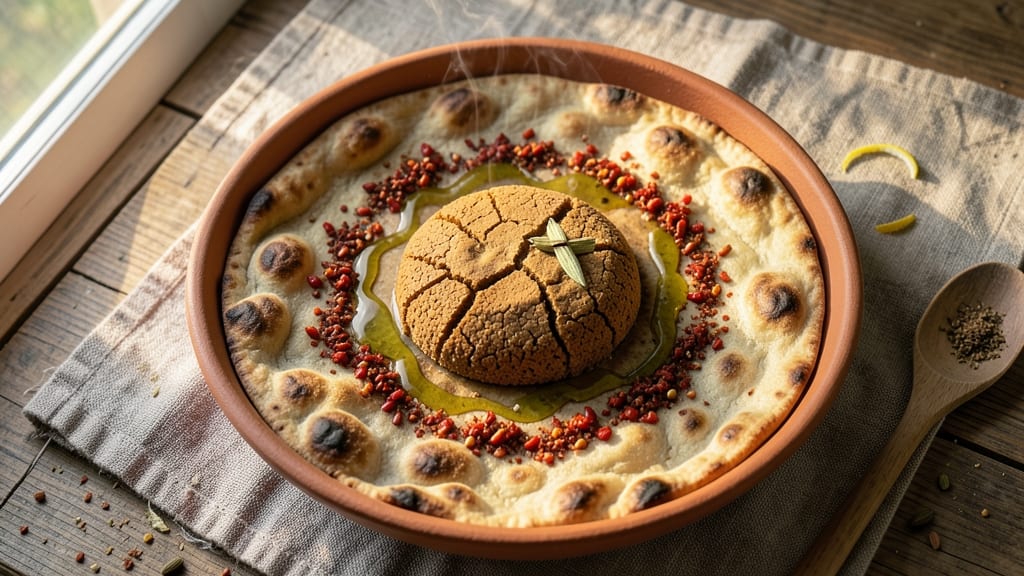
Ambasha bread brings the rich tradition of Ethiopian cuisine to your kitchen table with its signature spongy texture and subtle spice infusion. This recipe captures the essence of Ethiopian flatbreads, traditionally served with hearty stews or enjoyed on its own. The secret lies in the teff flour, which gives it a unique, slightly tangy flavor and a delicate, airy crumb—unlike any bread you’ve tried before.
What sets ambasha apart is its simplicity and versatility. With just a few key ingredients—teff flour, yeast, water, and a pinch of salt—plus optional spices like berbere for heat—you’ll create a bread that’s both rustic and refined.
The dough requires minimal handling, yet the result is a perfectly balanced flatbread with a soft, pillowy interior and a lightly crisp exterior. It’s the kind of bread that disappears faster than you can say "injera," but with a texture all its own.
The beauty of ambasha lies in its adaptability. Serve it warm alongside Ethiopian stews, use it to scoop up sauces, or enjoy it as a side with grilled meats. The spice-infused dough adds depth to every bite, making it a standout addition to any meal.
Whether you’re new to Ethiopian cuisine or a seasoned fan, this recipe delivers authentic, restaurant-quality results at home.
Ready to master the art of ambasha? The process is straightforward, and the reward is a bread that’s as satisfying to make as it is to eat. Let’s get started—your kitchen is about to smell like a bustling Ethiopian café.
Ingredients for ambasha bread
Four simple ingredients make this Ethiopian flatbread magic—teff flour, yeast, water, and just the right spice blend.
| Ingredient | Amount | Notes |
|---|---|---|
| Teff Flour 🌾 | 2 cups | Brown or ivory variety preferred |
| Active Dry Yeast 🍞 | ¼ tsp | Or 1 packet instant yeast |
| Warm Water 💧 | 1 ¼ cups | 110°F (43°C) ideal temperature |
| Berbere Spice Blend 🌶️ | 1 ½ tbsp | Homemade or store-bought |
| Salt 🧂 | ½ tsp | Fine sea salt preferred |
| Olive Oil 🫒 | 1 ½ tbsp | For dough shaping |
| Cardamom Pods 🌿 | 3 whole | Lightly crushed, optional |
| Cinnamon Stick 🌿 | 1 whole | Optional for warmth |
| Sesame Seeds 🌰 | 1 tbsp | For topping, optional |
Teff flour is the star here, and Bob's Red Mill or Ethiopian markets have the best quality. Look for the brown or ivory variety—they’re packed with flavor. If you can't find teff, a mix of whole wheat and all-purpose flour works in a pinch, but it won't be quite the same. The yeast needs to be fresh, so check the expiration date (it's active dry yeast, not instant). For the berbere, Mitkeme is the brand to grab if you're at an Ethiopian market—it's the real deal. If you're making your own, start with paprika, cayenne, fenugreek, coriander, and cardamom.
No berbere? Mix 1 tsp paprika, ½ tsp cayenne, ½ tsp cumin, ½ tsp coriander, and a pinch of fenugreek for a close substitute. The spices in this bread are what make it sing, so don't skip them. The dough is delicate—handle it gently to avoid tearing. If you're feeling fancy, add a cinnamon stick or whole cardamom pods to the dough for extra warmth. They'll infuse flavor but can be removed after shaping. For the sesame seeds, toasted in a dry pan for 2 minutes brings out their nutty flavor—worth the extra minute.
This dough keeps best in the fridge, covered, for 24 hours if you want to let it ferment longer for deeper flavor. For shaping, keep a bowl of water nearby—wet your hands to prevent sticking. The bread is best served warm, so cover with a damp towel while cooking to keep it soft. Leftovers? Store in an airtight container for 3 days, or freeze for 1 month. Toasting stale slices brings them back to life—just pop them in a dry pan for 2 minutes.
Why You'll Love This Recipe
- No-Fuss Dough: I swear by this dough—just teff flour, yeast, and water. No kneading, no fuss, just mix and let it rise while you sip coffee or scroll through your phone.
- Berbere Magic: That berbere spice blend? It’s the star—smoky, slightly spicy, and earthy all at once. A pinch transforms plain dough into something ridiculously flavorful with zero effort.
- Weekend Brunch Hero: Tear it into triangles, brush with butter, and serve with honey or jam. It’s the perfect grab-and-go for lazy mornings—or impress guests without stressing over a fancy loaf.
- Budget-Friendly Staple: Teff flour is affordable, and a single batch stretches for days. Freeze extras for quick toast or sandwiches—no waste, just pure practicality.
Step-by-step instructions for Ethiopian spice-infused flatbread
This dough comes together faster than you'd expect—just follow the rhythm.
Bloom the Yeast and Infuse the Water
In a small bowl, combine the 1.25 cups warm water (around 110°F) with the 0.25 tsp active dry yeast. Let it sit for 5 minutes until it becomes frothy—that's your signal the yeast is alive and ready to work. While waiting, crush the 3 whole cardamom pods lightly with a rolling pin or mortar and pestle, and snap the 1 whole cinnamon stick into small pieces. Drop these into the yeast mixture and stir gently.
This aromatic water will carry the essence of Ethiopia through every bite. If the yeast doesn't foam, try warming the water slightly more—it needs to be cozy, not hot. The spices will dissolve gradually, but their warmth will shine through in the final bread.
Mix the Dough with Berbere and Salt
In a large mixing bowl, whisk together the 2 cups teff flour and 1.5 tbsp berbere spice blend. Add the 0.5 tsp salt and mix well to distribute the spices evenly. Create a well in the center and pour in the yeast-spice water mixture. Using a wooden spoon, stir until a shaggy dough forms—it'll be sticky, but that's perfect for this recipe.
At this point, the dough will look more like a thick batter than traditional bread dough. Don't panic—this is normal for teff-based flatbreads. The berbere will give your bread its signature depth, so don't skip this step. If the dough feels too dry, add 1 teaspoon of warm water at a time until it reaches a thick but workable consistency.
Knead and Rest for Maximum Flavor
Lightly oil your hands and the surface of the dough, then knead for 3-4 minutes until smooth. The dough should be soft but hold together when pressed. If it's too sticky to handle, wet your hands slightly as you work. Transfer the dough to a lightly oiled bowl, cover with a damp towel, and let it rest at room temperature for 1 hour.
This resting period allows the gluten to relax and the flavors to meld. You'll notice the dough doubles in size—this is the yeast doing its magic. For best results, let it rise in a warm spot, like near your oven with the light on. If your kitchen is cold, place the bowl on top of your turned-off oven with the light on to create a cozy environment.
Shape and Cook the Flatbreads
After resting, divide the dough into 4 equal portions. On a lightly floured surface, roll each portion into a 6-inch circle about ¼-inch thick. Brush each circle lightly with 1.5 tbsp olive oil (divided equally) and sprinkle with 1 tbsp sesame seeds (divided equally), pressing them gently into the surface. Let the shaped breads rest for 5 minutes before cooking.
Heat a clean skillet over medium-high heat until hot but not smoking. Cook one flatbread for 2-3 minutes per side until golden brown spots appear and the bread puffs slightly at the edges. The sesame seeds should be toasted and fragrant. Transfer to a warm plate and keep covered while you cook the remaining breads. Each one should develop a crispy exterior with a soft, spiced interior.
Serve Warm with Your Favorite Ethiopian Dishes
Ambasha bread is best enjoyed fresh from the skillet. Serve immediately with traditional Ethiopian stews or as a side to grilled meats. The combination of nutty teff, aromatic berbere, and toasted sesame seeds creates a symphony of flavors that pairs perfectly with rich, spiced dishes.
If you have leftovers, store them wrapped in a clean towel at room temperature for up to 2 days. To reheat, warm in a dry skillet over medium heat for 1-2 minutes per side until crispy again. The bread will soften slightly but maintain its delicious texture and flavor.
Pro Tips For Making Ambasha Bread
- SIFT THE TEFF: Teff flour is dense—don’t just dump it in. Lightly sift it with the salt and berbere before mixing to break up clumps and distribute the spices evenly. I learned this the hard way when my first batch turned out bland in spots and gummy in others.
- TEST THE YEAST FIRST: Skip the guesswork—proof your yeast in warm water with a pinch of sugar before adding it to the dough. If it doesn’t foam in 5–10 minutes, your bread will be flat and sad. (Yes, even if you’re impatient like me.)
- KNEAD JUST ENOUGH: Teff dough is sticky and doesn’t behave like wheat—over-kneading makes it tough. Work it until it’s cohesive (about 3–4 minutes by hand), then let the gluten relax during the rise. After burning three batches, I finally figured out "just until" is the magic phrase.
- STEAM THE FIRST 10 MINUTES: Cover the pan with a damp towel or spray the oven rack with water before baking. The steam keeps the crust from drying out too fast, which is especially crucial for teff’s delicate texture. Sounds weird, but it works—your bread will stay soft and chewy longer.
Storing and reheating this dish
Room-Temp Storage
Ambasha bread stays fresh and soft for up to 2 days at room temperature when wrapped in a clean kitchen towel. The towel traps moisture better than plastic, keeping the bread's signature spongy texture.
Store in an airtight container with the towel to prevent drying out. I like to place it in a wooden bread box for that authentic Ethiopian café feel while maintaining freshness. 🌾
Refrigerator Life
For longer storage, refrigerate wrapped bread in an airtight container for up to 3 days. The cold slows down staling, but the texture becomes slightly denser. To revive, reheat in a dry skillet over medium heat for 1-2 minutes per side until crispy again.
For best results, don't refrigerate longer than 3 days—the flavor starts degrading after that. I find toasting stale slices with a sprinkle of sesame seeds brings back that fresh-from-the-skillet magic.
Freezer Preservation
Freeze ambasha bread for up to 1 month by wrapping each flatbread individually in plastic wrap, then placing them in a freezer bag with all air squeezed out. Label with the date to track freshness. When ready to use, thaw at room temperature for 1-2 hours before reheating.
For quick meals, I microwave thawed bread for 10-15 seconds, then finish in a skillet to restore crispiness. The freezer method preserves the spice flavors exceptionally well.
Reheating Secrets
For the perfect reheat, use a clean skillet over medium heat—never high heat, which can burn the exterior before the interior warms. Cook for 1-2 minutes per side until golden brown spots reappear. For extra flavor, brush with a tiny bit of olive oil before reheating.
I've found that adding a pinch of berbere spice to the skillet while reheating intensifies the Ethiopian flavors. The result? Bread that tastes almost as good as fresh-baked.
Leftovers Hack
Turn stale ambasha into delicious croutons by cutting into ½-inch cubes and toasting in a dry skillet over medium heat for 3-4 minutes until crispy. These make fantastic toppings for Ethiopian salads or soups.
Another trick: blend dried ambasha with olive oil and herbs to make a flavorful bread crumb for coatings or stuffings. This zero-waste method keeps your pantry stocked with ambasha goodness for days. ✨
Nutrition facts
Frequently asked questions
Can I substitute teff flour for another type of flour?
While teff flour gives ambasha its signature nutty flavor and delicate texture, you can use a 1:1 ratio of whole wheat and all-purpose flour if needed. For best results, add 1 teaspoon of vinegar to the dough to mimic teff's slight tanginess. The flavor won't be identical, but the texture will be closer to traditional ambasha.
Why does my ambasha dough look like batter instead of traditional bread dough?
Teff flour creates a thinner, stickier dough because it has less gluten than wheat flour. This is completely normal! The key is to handle it gently—wet your hands slightly when shaping to prevent sticking. The final bread will still have that signature spongy texture, just with a lighter, more delicate crumb.
How do I make ambasha bread extra crispy?
For a crispier exterior, cook the flatbreads over slightly higher heat (medium-high) until deep golden brown spots appear. Press down gently with a spatula in the last 30 seconds of cooking to flatten slightly. Let them rest uncovered for 2 minutes after cooking to set the crispness. The sesame seeds should be toasted and crackling!
Can I make ambasha bread without berbere spice?
If you can't find berbere, mix 1 teaspoon paprika, ½ teaspoon cayenne, ½ teaspoon cumin, ½ teaspoon coriander, and a pinch of fenugreek for a close substitute. The bread will still have wonderful spice depth, though the exact Ethiopian flavor profile will differ slightly. The spices are what make this bread special, so don't skip them entirely!
What's the best way to serve ambasha bread?
Ambasha shines as a side for Ethiopian stews like doro wat or misir wat, but it's also perfect with grilled meats, hearty salads, or even as a base for open-faced sandwiches. The spongy texture makes it ideal for soaking up sauces—try using it to scoop up tikil alicha (spicy tomato sauce) or shiro (chickpea stew). Warm slices work best!