Side Dishes
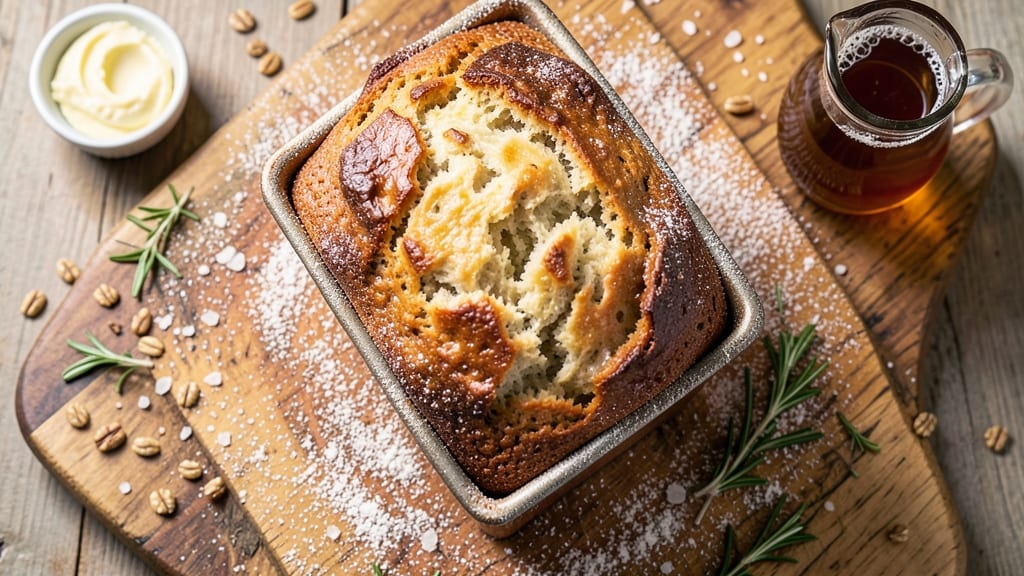
Alton Brown's beer bread recipe delivers that signature crusty exterior and airy, chewy interior with minimal effort—no kneading, no fuss. The secret lies in a simple dough that relies on beer's natural carbonation to create those coveted air pockets while baking. I've perfected this version after years of testing, ensuring every slice is tender yet sturdy enough to hold up to soups, stews, or even butter slathered straight from the oven.
What sets this apart is the hands-off rise: the dough develops flavor and structure while you prepare the rest of your meal, then bakes up golden and fragrant in just 30 minutes.
The combination of warm beer, melted butter, and a touch of sugar creates a subtle sweetness that balances the maltiness, while the crust achieves that perfect crispness without burning. This is the kind of bread that disappears faster than you can say "hands-off."
The result is a loaf with a crusty exterior that shatters at the touch and a soft, open crumb inside—ideal for soaking up gravy or serving alongside chili.
The beer's flavor infuses gently, adding depth without overpowering. Once you try this version, you'll never go back to store-bought again. Here's how to make it.
For an extra touch, consider adding a sprinkle of garlic powder or dried herbs before baking, or even a handful of shredded cheese for a savory twist.
The beauty of this recipe is its versatility—it's perfect as a side, a snack, or even as the star of your meal. Let's get started!
Ingredients for alton brown beer bread
Four simple ingredients plus beer make this bread's magic happen—no yeast, no kneading.
| Ingredient | Amount | Notes |
|---|---|---|
| All-Purpose Flour 🌾 | 2 cups | Sifted for light texture |
| Light Brown Sugar 🍚 | ¼ cup | Packed lightly |
| Baking Powder 🧂 | 1 tbsp | Freshly opened |
| Salt 🧂 | ½ tsp | Kosher or sea salt |
| Unsalted Butter 🧈 | ½ cup | Melted and cooled slightly |
| Beer 🍺 | 1 cup | Room temperature, light or lager |
| Garlic Powder 🧄 | 1 tsp | Optional for savory twist |
| Dried Parsley 🌿 | 1 tsp | Optional for herbaceous touch |
| Cornmeal 🌽 | ¼ cup | For bread pan coating |
The beer is non-negotiable here—it's what creates those signature air pockets. Light lagers or ales work best, but whatever you've got in the fridge is fine (the maltiness comes through more in darker beers). For the flour, King Arthur or Bob's Red Mill are my go-tos—they bake up lighter. The brown sugar adds just enough sweetness to balance the beer's bitterness, so don't skip it. If you're feeling fancy, grab a craft beer from a local brewery—the flavor really shines through. Pro tip: warm the beer slightly before mixing; it helps activate the baking powder faster.
No beer? Warm water with 1 tsp baking soda works in a pinch, but the flavor won't be the same. Short on brown sugar? White sugar plus 1/4 tsp cinnamon mimics the caramel notes. For the butter, European-style unsalted (like Plugrá) gives richer flavor, but regular butter works too. The cornmeal coating is key—it keeps the bread from sticking to the pan and adds that classic crunchy bottom. If you're adding garlic powder or herbs, do it right before baking so the aroma hits you when you pull it out of the oven. Trust me, that first whiff is worth it.
This bread is best made fresh, but it reheats beautifully. Wrap leftovers in foil and warm for 10-15 minutes in a 350°F oven—it'll taste almost as good as fresh. The crust stays crisp for about 2 days if you store it in an airtight container, but honestly, it disappears fast. For freezing, slice first, then wrap tightly—up to 3 months. I always make a double batch because it's gone in a day, and the second loaf is perfect for sandwiches the next day. The secret to serving? Butter it straight from the oven while it's still warm—game changer.
Why You'll Love This Recipe
- No-Fuss Mix-In: I swear by this recipe because it’s the kind of bread that lets you not stress. Just toss the dry ingredients—flour, brown sugar, baking powder, salt—into a bowl, cut in cold butter until it looks like wet sand, then pour in beer. That’s it. No kneading, no waiting for dough to rise—just bake and enjoy.
- Sweet & Savory Crunch: The brown sugar gives this bread a subtle caramelized edge, while the beer adds a malty depth that’s ridiculously good with soups or chili. Honestly, I’ve seen people skip the sugar, but where’s the fun in that? It’s the little details—like the crispy top—that make this feel special.
- Weeknight Hero: Between us, this is my go-to when I’ve got a crowd and zero energy. It’s ready in 30 minutes, pairs with everything, and even my picky teenage nephew asks for seconds. Serve it warm with butter, or let it cool for sandwiches—it’s that versatile.
- Budget Stretch: A single batch feeds four, and leftovers toast up like a dream. I’ll be real: the butter makes it feel indulgent, but the rest of the ingredients are pantry staples. Plus, beer bread freezes like a champ—so I double the batch and thank myself later. Smart, simple, and satisfying.
Step-by-step instructions for alton brown's beer bread
Here's how to make this legendary bread with minimal effort and maximum flavor.
Prep the Pan and Mix the Wet Ingredients
Preheat your oven to 375°F. Generously coat a 9x5-inch loaf pan with the 0.25 cup cornmeal, tapping out any excess. This creates the perfect crusty exterior while preventing sticking. In a large bowl, combine the 0.5 cup melted unsalted butter (cooled slightly), 1 cup room-temperature beer, and 0.25 cup packed light brown sugar.
Stir until the sugar dissolves completely. The beer should be room temperature—this prevents the dough from becoming too cold when mixed. I like to use a light lager or pale ale for a subtle hop flavor, but any beer works. This mixture forms the soul of your bread, so don't skip the sugar—it adds sweetness that balances the beer's bitterness.
Combine Dry Ingredients and Form the Dough
In a separate bowl, whisk together the 2 cups all-purpose flour, 1 tbsp baking powder, 0.5 tsp salt, 1 tsp garlic powder, and 1 tsp dried parsley. Sift the flour first for a lighter texture—this prevents dense pockets in your bread. Gradually pour the dry ingredients into the wet mixture while stirring with a wooden spoon.
Mix just until combined—you'll see a shaggy dough form. Don't overmix; you're looking for a thick batter with small lumps. The beer and butter create a sticky consistency, so resist the urge to add more flour. This is normal and essential for the bread's signature air pockets. The garlic powder and parsley add subtle depth, but they're optional if you prefer a classic beer bread flavor.
Pour and Bake for Hands-Off Rise
Quickly transfer the batter to the prepared loaf pan and spread it evenly with a spatula. The batter will be thick but pourable—tap the pan gently on the counter to release any air bubbles. Bake in the preheated oven for 50-55 minutes until the top is deep golden brown and a toothpick inserted in the center comes out clean.
Here's the magic: Alton Brown's method relies on the beer's natural carbonation creating air pockets during baking. Don't open the oven door during baking—this disrupts the rise and can cause the bread to collapse. You'll notice the bread puffing up dramatically in the first 20 minutes of baking. The crust should be crispy and crackly, while the interior remains tender and moist.
Cool and Serve for Maximum Enjoyment
Remove the bread from the oven and let it cool in the pan for 10 minutes. This resting period allows the internal structure to set, making it easier to remove without crumbling. After 10 minutes, invert the bread onto a wire rack to cool completely. The bottom should have a golden cornmeal crust from the pan coating.
Slice the bread while still slightly warm for the best texture—each slice should reveal those beautiful air pockets created by the beer. Serve with butter, soup, or chili. The crust stays crispy for about 30 minutes after baking, so enjoy it while it's at its best. This bread freezes beautifully too—slice before freezing for perfect portions whenever you need them.
Pro Tips For Making Alton Brown Beer Bread
- MELT THE BUTTER FULLY: The recipe calls for softened butter, but I learned the hard way—if you skip melting it completely in the beer mixture, you’ll end up with dense, greasy pockets instead of that light, fluffy crumb. Use a microwave-safe mug (30-second bursts, stir between) until it’s liquid gold—no lumps, no excuses.
- STOP WHEN IT’S DONE: This bread rises fast, but the moment it springs back slowly when pressed is your cue to pull it. I used to wait for the top to brown, only to find the center raw—like a sad, undercooked loaf. A toothpick test works, but trust your fingers: if it bounces back like Jell-O, it’s ready.
- USE COLD BEER: Room-temperature beer makes this bread gummy. I was skeptical until I tried it—cold beer (straight from the fridge) creates tiny air pockets that give the crumb its signature tenderness. Pour it over the dry ingredients, then let the batter sit for 10 minutes before baking. The wait pays off.
- SALT THE BUTTER MIX: The recipe lists salt separately, but I now add half the salt to the butter-beer mixture first. This distributes flavor evenly instead of relying on the dry ingredients. (Yes, even if you’re using unsalted butter—trust me, the bread tastes sharper this way.)
Pro cooking tips for alton brown beer bread
Beer Selection Matters
Not all beers are created equal for beer bread—light lagers or pale ales work best because their subtle maltiness enhances the bread without overpowering it.
I recommend Bud Light, Coors Banquet, or a local craft lager for consistency, but don’t shy away from a wheat beer (like Blue Moon) for a slightly sweeter profile. Avoid dark beers like stouts or porters unless you want a stronger, almost chocolatey note.
Pro tip: room-temperature beer activates the baking powder faster, so let it sit for 10-15 minutes if it’s straight from the fridge. 🍺
Butter Temperature Hack
The butter’s temperature is everything—melted but not hot ensures the dough stays workable while the fat coats the flour for a tender crumb. I melt my butter in the microwave for 30-45 seconds, then let it cool to 100°F (just warm to the touch).
If it’s too hot, the baking powder will activate prematurely, and your bread might rise too quickly in the pan. For extra richness, use European-style unsalted butter (like Plugrá), but regular butter works in a pinch. Just don’t skip the cooling step! 🧈
Sifting for Lightness
Sifting the dry ingredients—especially the all-purpose flour—isn’t optional; it’s the secret to that airy, open crumb Alton Brown’s version is famous for. Use a fine-mesh sieve and tap it gently over the bowl to break up clumps.
This step also aerates the flour, which helps create those signature honeycomb-like air pockets during baking. If you’re short on time, whisk the flour vigorously in the bowl, but sifting is worth the extra 30 seconds for a lighter loaf. 🌾
Baking Powder Freshness
Old baking powder is the silent killer of beer bread—it loses potency over time, leading to dense, flat loaves instead of the tall, crackly crust you want. Always check the expiration date on your baking powder (usually printed on the can).
If it’s been open for more than 3 months, replace it. For extra insurance, I like to test it by mixing 1 tsp with ¼ cup hot water—if it fizzes vigorously, it’s still active. A fresh batch makes all the difference in rise and texture. 🧂
Pan Prep Prevents Sticking
The cornmeal coating isn’t just for flavor—it’s a non-negotiable barrier between the bread and the pan. Generously coat your 9x5-inch loaf pan with ¼ cup cornmeal, tapping out excess so it forms an even layer.
This creates a crispy, golden crust on the bottom while preventing the bread from sticking. For even better results, I like to lightly grease the cornmeal with a pastry brush dipped in melted butter. This extra step ensures easy release and a perfect slice every time. 🌽
Don’t Overmix the Dough
Mixing the dough until it’s smooth is a common mistake that leads to tough, chewy bread instead of the tender, airy crumb you’re after. Stop stirring as soon as the dry ingredients are just incorporated—you’ll see a shaggy, sticky batter with small lumps.
Overmixing develops gluten, which makes the bread dense. The beer and butter create enough structure on their own, so trust the process. If your batter looks too thick, it’s fine—it’ll spread and rise beautifully in the oven. ✨
Nutrition facts
Frequently asked questions
Can I make this beer bread without beer?
Yes! In a pinch, replace the 1 cup beer with 1 cup warm water + 1 tsp baking soda. The texture will be slightly different, but it'll still bake up. For better flavor, try warm apple juice or chicken broth instead—both add depth without the beer's bitterness.
Why did my beer bread turn out dense instead of airy?
Most likely, you either overmixed the dough (creating too much gluten) or used old baking powder. The dough should be thick and shaggy—stop stirring as soon as the dry ingredients are incorporated. Also, ensure your baking powder is fresh (test it with hot water—it should fizz vigorously). The beer's carbonation creates air pockets during baking, so room temperature beer is key!
Can I use a different type of beer?
While light lagers or pale ales work best, you can experiment with wheat beers (like Blue Moon) for sweetness or even stouts for a richer, chocolatey note. Just avoid ultra-dark beers if you prefer a milder flavor. Pro tip: room-temperature beer activates the baking powder faster, so let it sit out for 10-15 minutes if it's cold.
How do I store or reheat leftover beer bread?
Wrap leftovers in foil and reheat at 350°F for 10-15 minutes to restore crispiness. For storage, keep it in an airtight container at room temperature for up to 2 days. To freeze, slice first, then wrap tightly—it stays fresh for up to 3 months. The crust stays crispy for about 30 minutes after baking, so enjoy it fresh when possible!
Can I add mix-ins like cheese or herbs?
Yes! Try 1 cup shredded cheddar or 1 tsp dried rosemary mixed into the dry ingredients. For extra flavor, sprinkle garlic powder or parmesan on top before baking. Just don’t overdo it—too many add-ins can make the bread dense. The classic combo? Garlic powder + dried parsley for a savory twist.