
Side Dishes
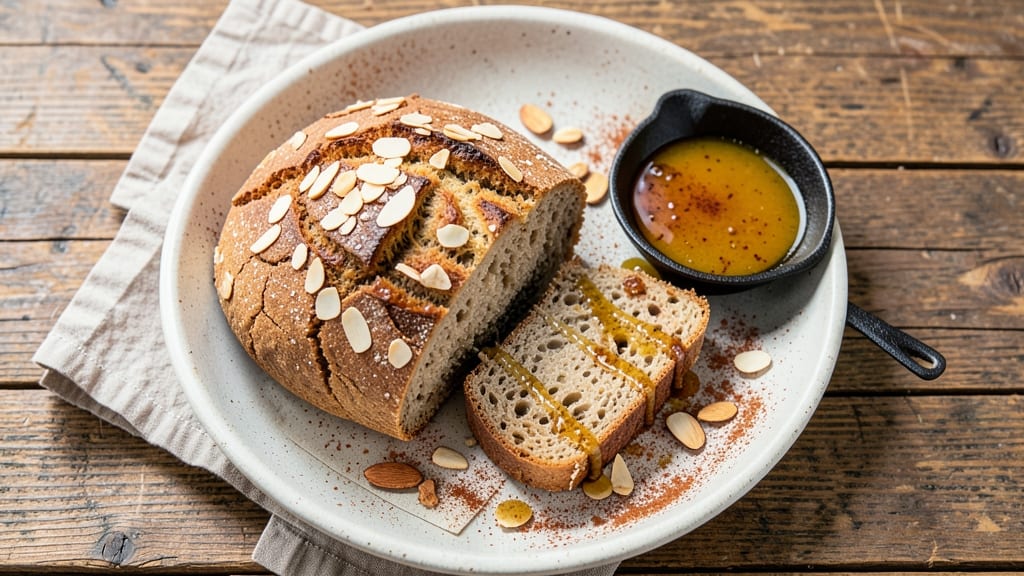
This almond flour unleavened bread delivers the perfect balance of crispy crust and nutty, tender interior—ideal for gluten-free diets and paleo lifestyles. Unlike traditional yeasted breads, this recipe relies on almond flour's natural binding properties and careful hydration to create a satisfying texture without gluten.
The result is a bread that pairs beautifully with soups, dips, or even as a base for sandwiches, all while being naturally low-carb and vegan-friendly.
The key to success lies in precise hydration control and proper resting time. Almond flour absorbs moisture differently than wheat flour, so we'll use a ratio that ensures a workable yet tender dough.
Resting the dough for at least 30 minutes allows the almond flour to hydrate fully, which prevents cracking during baking. This technique transforms what could be a dense loaf into a bread with a satisfying crunch and soft interior.
What makes this recipe stand out is its versatility—it works as a side dish, a snack, or even a base for open-faced sandwiches. The nutty flavor from the almond flour adds depth that complements both savory and sweet pairings.
Whether you're following a gluten-free diet, looking for a low-carb option, or simply exploring new baking techniques, this bread delivers restaurant-quality results at home.
Baking at a precise temperature ensures a golden crust while keeping the interior tender. We'll also cover troubleshooting tips for common issues like cracking or dryness, so you can achieve perfect results every time. Ready to bake bread that's as nutritious as it is delicious?
Ingredients for almond flour unleavened bread
Pantry staples plus a few specialty items for that perfect crunchy crust and tender inside.
| Ingredient | Amount | Notes |
|---|---|---|
| Almond Flour 🌰 | 2 cups | Blanched, fine grind preferred |
| Tapioca Flour 🌾 | ¼ cup | For binding and elasticity |
| Psyllium Husk Powder 🌿 | 1 tbsp | Unflavored, key for structure |
| Baking Powder 🍞 | ½ tsp | Aluminum-free for best flavor |
| Salt 🧂 | ½ tsp | Fine sea salt preferred |
| Apple Cider Vinegar 🍎 | 1 tbsp | For acidity and rise |
| Extra-Virgin Olive Oil 🫒 | ½ cup | High quality, fruity |
| Water 💧 | ½ cup | Room temperature |
| Flaxseed Meal 🌾 | 1 tbsp | For extra binding |
| Ground Cinnamon 🌿 | ¼ tsp | Optional, for warmth |
| Sesame Seeds 🌻 | 1 tbsp | For crust texture |
| Poppy Seeds 🌱 | 1 tsp | Optional, for crunch |
Almond flour is the star—Bob's Red Mill or Anthony's Goods are my go-tos for consistent quality. Look for blanched almond flour, which has a finer texture and less bitterness. The tapioca flour is non-negotiable here; it's what gives this bread that satisfying chew. Psyllium husk powder might be in the health food aisle—Nature's Way is a reliable brand. If you can't find it, ground flaxseed works in a pinch, though the texture will be slightly different. The key is to measure everything precisely—almond flour can vary in moisture content, so don't eyeball it.
No tapioca flour? Arrowroot powder works at the same amount, though it's a bit more expensive. Short on psyllium husk? Extra flaxseed meal (another tablespoon) can help, but you might need to add an extra splash of water. The apple cider vinegar can be swapped for lemon juice, though the flavor will shift slightly. For the seeds, anything you've got works—sesame, sunflower, or even crushed nuts add texture. Pro tip: Toast your seeds lightly before sprinkling for extra crunch. And if you're worried about the dough being too dry, add water one teaspoon at a time—this bread is forgiving but not infinitely stretchable.
This dough needs 30-60 minutes to rest—don't skip it! Cover it with a damp towel and let it sit while you preheat your oven to 350°F. The dough will seem too stiff to work with at first, but patience pays off. For storage, keep the dough wrapped in the fridge for up to 2 days or freeze portions for 3 months. Once baked, store at room temperature in a bread box or wrapped in a clean towel for 3-4 days. The crust stays crispy for about 2 days, but the interior stays tender for longer. Want to reheat? A quick 5-minute warm in the oven revives the crunch.
Why You'll Love This Recipe
- No Mixer Needed: Mixing this dough is ridiculously simple—just fold the psyllium husk powder into the almond and tapioca flours with a fork. No stand mixer, no food processor, just 2 minutes of hands-on work. (Yes, even on a Tuesday night.)
- Nutty Crunch Surprise: The almond flour gives it a toasty, slightly sweet depth, while the psyllium husk adds that perfect chewy texture you’d expect from traditional unleavened bread—no weird aftertaste, just pure satisfaction.
- Meal Prep MVP: Slices perfectly for sandwiches, wraps, or toast—no sogginess, no crumbling. I keep a loaf in the fridge all week for quick lunches, and it stays fresh longer than store-bought bread. (My lunchbox’s new best friend.)
- Budget-Friendly Staple: Almond flour’s pricey reputation fades fast when you realize this recipe uses half the amount of most others. The psyllium husk powder stretches it further, and the tapioca flour keeps costs down without sacrificing texture. (My wallet thanks me.)
Step-by-step instructions for almond flour unleavened bread
Here's how to create a perfectly textured almond flour bread with that signature crunchy crust and tender interior.
Mix the Dry Ingredients Thoroughly
In a large mixing bowl, combine the 2 cups almond flour, 0.25 cup tapioca flour, 1 tbsp psyllium husk powder, 0.5 tsp baking powder, 0.5 tsp salt, and 0.25 tsp ground cinnamon. I like to use a whisk for this step to ensure everything gets evenly distributed—those dry ingredients need to blend completely for the right texture.
This is where the magic happens. The psyllium husk powder acts like a natural binder, creating that signature chewy texture, while the tapioca flour adds just enough elasticity. Whisk for about 1 minute until you see no more flour streaks—this prevents dense spots in your final bread.
Combine Wet Ingredients and Form the Dough
In a separate bowl, mix together the 0.5 cup extra-virgin olive oil, 0.5 cup water, 1 tbsp apple cider vinegar, and 1 tbsp flaxseed meal. The vinegar adds a subtle tang that balances the nutty flavor, while the flaxseed meal provides extra binding power.
Pour the wet mixture into the dry ingredients and stir with a spatula until everything comes together. You'll notice the dough will be thick and slightly sticky—this is completely normal. The psyllium husk powder will start absorbing liquid immediately, creating a gummy consistency that's perfect for this type of bread.
Shape and Prepare for Baking
Transfer the dough to a lightly floured surface and gently shape it into a rectangular loaf about 8 inches long. I like to use my hands, pressing down lightly to compact the dough without overworking it. Sprinkle the top evenly with 1 tbsp sesame seeds and 1 tsp poppy seeds, pressing them in gently so they stick.
Line a baking sheet with parchment paper and transfer the shaped loaf onto it. The seeds will give your bread that beautiful crusty texture while adding a delightful crunch with each bite. Let the loaf rest at room temperature for 10 minutes before baking—this helps the dough relax and prevents cracking during baking.
Bake to Golden Perfection
Preheat your oven to 350°F. Bake the loaf for 30-35 minutes until the edges are golden brown and the internal temperature reaches 190°F. You'll know it's done when the top springs back slightly when pressed gently with your finger—this is the perfect balance between soft interior and crispy exterior.
Don't be tempted to open the oven door early to check—this can cause the bread to sink. If the top browns too quickly, tent it loosely with aluminum foil after 20 minutes to prevent over-browning while still allowing steam to escape.
Pro Tips For Making Almond Flour Unleavened Bread
- Mix the Psyllium First: Mix the psyllium husk powder with just the water first—no other ingredients. Let it sit for 3-5 minutes until it turns into a thick, gel-like paste. This isn’t just a step; it’s the glue holding your bread together. I used to skip this and wondered why my loaves crumbled like dry sand.
- Preheat Pan to 375°F: Your pan needs to be hot—375°F, no lower. Cold pans mean uneven cooking and a gummy center. I learned this after pulling out bread that looked golden outside but tasted raw inside. Give it 10 minutes to heat through, and don’t rush it.
- Don’t Overmix the Dough: Stir the wet ingredients into the dry just until combined—maybe 10-12 strokes max. Overmixing develops gluten, and almond flour dough doesn’t need it. I used to beat it like I was making pancakes, and the result was dense and tough. Keep it loose.
- Use Fine Almond Flour: Coarse almond flour works, but fine almond flour blends smoother and gives a lighter texture. If you’re using coarse, pulse it in a food processor for 10 seconds—just enough to break up the chunks, not turn it into butter. The difference in crumb is noticeable.
Regional styles of this recipe
Middle Eastern Flatbread
This recipe draws heavy inspiration from traditional khobz or markook, the classic Middle Eastern unleavened breads. For an authentic touch, replace the sesame seeds with poppy seeds and add 1 tsp ground cumin to the dry ingredients.
Shape the dough into a round loaf instead of rectangular, and bake on a preheated stone baking tray at 400°F for 15-20 minutes until puffed and golden. Serve warm with hummus or olive tapenade for that true regional experience. 🌿
Italian Focaccia Twist
Transform this bread into a nutty focaccia by adding 1 tsp dried rosemary and 2 minced garlic cloves to the dough. Shape it into a thick rectangle and dimple the top with your fingers.
Brush with an extra 1 tbsp olive oil after baking and sprinkle with flaky sea salt and crushed black pepper. This version pairs perfectly with balsamic glaze or whipped ricotta.
Mexican Cornbread Style
For a Southwestern fusion, swap ½ cup almond flour for ½ cup cornmeal and add ½ tsp smoked paprika to the dry mix. Shape into a small round loaf and bake at 375°F for 25 minutes.
Top with crumbled cotija cheese and cilantro before serving. This version works beautifully as a side for tacos or chili. 🌶️
Japanese Mochi-Inspired
For a softer, mochi-like texture, reduce the almond flour to 1.5 cups and add 2 tbsp matcha powder to the dry ingredients. Shape the dough into small, round patties and bake at 325°F for 20 minutes until just set.
Dust with kinako (roasted soybean flour) for a delicate, earthy flavor. These bite-sized treats pair wonderfully with green tea or red bean paste.
Moroccan Msemen Style
Create a flaky, layered version inspired by Moroccan msemen by adding 1 tbsp melted ghee to the wet ingredients and folding the dough into thin layers. Roll out each layer on a floured surface and bake at 375°F for 10-12 minutes until puffed.
Finish with a sprinkle of ground cinnamon and orange blossom water for an aromatic twist. Serve with harissa or lamb stew.
Modern Paleo Sandwich Bread
For a heartier loaf, increase the olive oil to ⅔ cup and add 1 tbsp ground flaxseed to the dry mix. Shape into a tall, rectangular loaf and bake at 325°F for 40 minutes until the crust is deep golden.
Slice thickly and use as a base for open-faced sandwiches with avocado, smoked salmon, and microgreens. This version holds up well for meal prep too! 💪
Nutrition facts
Frequently asked questions
Why does this almond flour bread need psyllium husk powder?
Psyllium husk powder acts as a natural binder and structural support since almond flour lacks gluten. It creates that signature chewy texture while preventing the bread from crumbling. Without it, your bread would be too fragile and dense. Think of it as the gluten-free equivalent of vital wheat gluten!
Can I make this bread without tapioca flour?
Yes, but the texture will change. Replace it with arrowroot powder in equal amounts, though it may make the bread slightly less elastic. For a chewier texture, add 1 extra tbsp flaxseed meal and 1 tsp water to compensate. The bread will still work but may be denser.
How do I prevent my bread from cracking during baking?
Always let the dough rest for at least 30 minutes before baking to allow the almond flour to fully hydrate. Avoid overworking the dough when shaping, and score the top lightly with a knife before baking if you notice tension. Baking at 350°F with steam in the oven also helps create a smooth crust.
Is this bread suitable for paleo or keto diets?
This recipe is naturally gluten-free, grain-free, and low-carb, making it perfect for paleo and keto lifestyles. A single serving contains about 3g net carbs (after subtracting fiber), and it's packed with healthy fats from almond flour. Just watch your portion sizes if you're strictly tracking macros.
Can I make this bread in a Dutch oven for extra crispiness?
Yes! Shape the bread into a round loaf and bake in a preheated Dutch oven at 400°F for 25-30 minutes. This creates a crispier crust while keeping the interior tender. For best results, add 1 tbsp water to the dough and bake with the lid on for the first 15 minutes, then remove the lid.