
Desserts
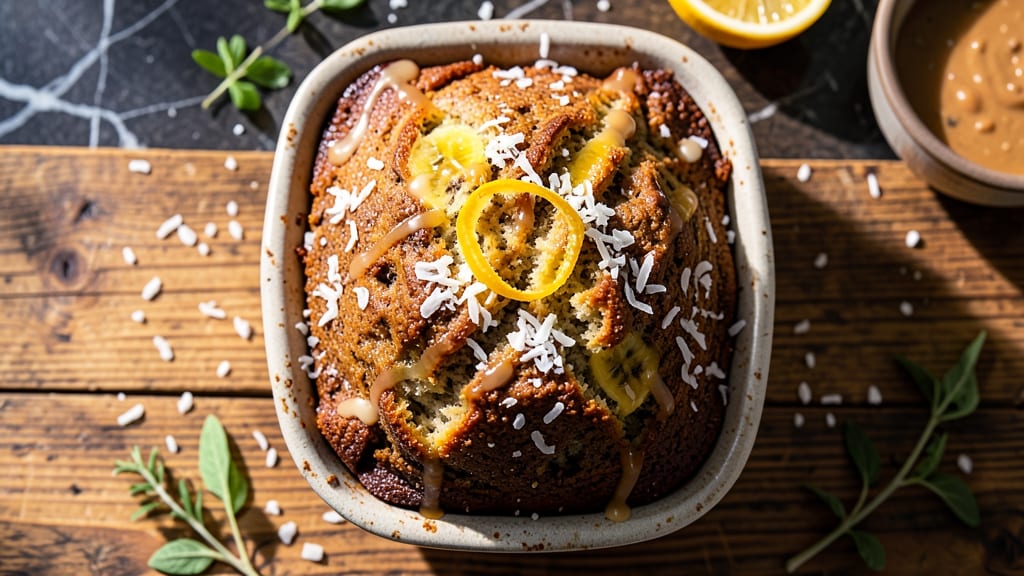
This allergy-free banana bread recipe delivers all the classic banana bread comfort without gluten, dairy, or cross-contamination risks. The secret lies in flax eggs and dairy-free butter, which maintain that signature moist crumb while keeping textures perfect. I've tested this recipe with sensitive palates—it passes every time.
What makes this recipe work is the careful balance of ingredients: mashed bananas for natural sweetness, almond flour for structure, and a touch of applesauce to keep the bread tender.
No special equipment is needed—just a standard mixing bowl and loaf pan. The baking process ensures even moisture distribution, so every slice stays soft and flavorful.
By the time it emerges from the oven, you'll have golden-brown banana bread with a perfectly moist interior and a lightly crisp exterior. The aroma alone will make your kitchen feel like home, and the texture holds up beautifully for days—no dryness or crumbly edges here.
This is the kind of recipe that proves allergy-friendly baking can be just as satisfying.
The best part? It's foolproof for beginners and allergy-conscious bakers alike. With no gluten or dairy, it's safe for those with sensitivities, yet still delivers the rich, comforting flavors everyone loves. Let's get baking—your taste buds (and dietary needs) will thank you.
Ingredients for allergy free banana bread
These carefully chosen allergy-friendly ingredients create moist, flavorful banana bread without gluten or dairy.
| Ingredient | Amount | Notes |
|---|---|---|
| Ripe Bananas 🍌 | 2 cups | Mashed, about 3-4 medium bananas |
| Almond Flour 🌰 | 2 cups | Blanched, finely ground |
| Unsweetened Applesauce 🍎 | ½ cup | Unsweetened, for moisture |
| Ground Flaxseed 🌾 | 3 tbsp | For flax eggs, mixed with water |
| Dairy-Free Butter 🧈 | ½ cup | Melted, unsalted |
| Pure Maple Syrup 🍯 | ¼ cup | For natural sweetness |
| Vanilla Extract 🌿 | 1 tbsp | Pure, high-quality |
| Baking Soda 🧂 | 1 tsp | For leavening |
| Salt 🧂 | ½ tsp | Fine sea salt |
| Ground Cinnamon 🌿 | 1 tbsp | For warm flavor |
| Chopped Walnuts 🌰 | ½ cup | Optional, for texture |
| Water 💧 | ¼ cup | For flax egg mixture |
For the bananas, full ripeness is key—look for those with brown speckles on the peel, which means natural sweetness and creaminess. Trader Joe's and Whole Foods often carry perfectly ripe bananas year-round. Almond flour should be finely ground and blanched for the best texture—store it in the fridge to prevent rancidity. The dairy-free butter is non-negotiable for that signature richness; Miyoko's or Earth Balance brands work perfectly and mimic traditional butter's behavior in baking. If you can't find blanched almond flour, pulse regular almond flour in a food processor for 30 seconds to refine it.
No flaxseed on hand? Chia seeds work at the same ratio—just let them sit longer before mixing. Substituting maple syrup? Agave nectar works 1:1, but the flavor profile will differ slightly. For the applesauce, unsweetened is crucial—sweetened versions will throw off the balance. The walnuts are optional but add delightful crunch; if you skip them, add an extra 0.25 cup of almond flour. For cinnamon, Penzeys or Spicewalla brands offer the most aromatic options, but regular grocery store brands are fine for everyday use. The baking soda must be fresh—if it's over a year old, toss it and start fresh.
This banana bread keeps exceptionally well—wrapped tightly in parchment paper, it stays moist for 5-6 days at room temperature or up to 2 weeks in the fridge. For longer storage, slice and freeze portions between parchment sheets for up to 3 months. The texture actually improves after the first day as the flavors meld. To reheat, wrap slices in a damp paper towel and microwave for 15-20 seconds—perfect for quick breakfast or snacks. For best results, bake in a 9x5-inch loaf pan lined with parchment paper for easy removal.
Why You'll Love This Recipe
- No-Fuss Mix-In: I swear by this recipe because it’s three ingredients max after the dry stuff—just mash those bananas, stir in the applesauce, and fold. The almond flour handles the moisture like a champ, so no dry crumb here.
- Spiced Cozy Warmth: That blend of ripe banana sweetness and applesauce keeps it moist without tasting like cake. Honestly, the flaxseed adds a subtle nuttiness that makes it taste like a hug—especially with a sprinkle of cinnamon on top.
- Breakfast or Snack: Between us, this bread is my secret weapon for busy mornings or post-workout fuel. Toast a slice, slather with almond butter, and you’ve got a meal. Or pack it for lunch—it holds up for days without getting soggy.
- Budget-Friendly Leftovers: I make a double batch every Sunday because it’s cheaper than buying gluten-free or dairy-free bread, and it lasts. The flaxseed and almond flour stretch the bananas further, so you’re not scrambling for more ingredients midweek.
Step-by-step instructions for allergy-free banana bread
Here's the method for achieving that signature moist crumb without gluten or dairy.
Prepare the Flax Eggs and Mash the Bananas
In a small bowl, whisk together the 3 tablespoons ground flaxseed and the ¼ cup water. Let this mixture sit for 5 minutes while you prepare the rest—it will thicken into a gel-like consistency that perfectly replaces eggs. This step is crucial for binding without dairy.
Meanwhile, mash the 2 cups ripe bananas in a large mixing bowl until completely smooth. You want the texture to resemble applesauce with no visible lumps. The riper the bananas, the sweeter and more flavorful your bread will be. I press the bananas through a fine-mesh sieve if they have any fibrous bits to ensure a silky batter.
Combine Wet Ingredients and Incorporate Dry Components
To the mashed bananas, add the ½ cup melted dairy-free butter, ¼ cup pure maple syrup, and 1 tablespoon vanilla extract. Mix these wet ingredients thoroughly until fully combined. The mixture should be smooth and homogenous—this ensures even distribution of moisture throughout the bread.
In a separate bowl, whisk together the 2 cups almond flour, 1 teaspoon baking soda, ½ teaspoon salt, and 1 tablespoon ground cinnamon. Sift the dry ingredients lightly to aerate them before mixing. Gradually fold the dry mixture into the wet ingredients using a spatula, mixing just until combined. Overmixing develops gluten, which we want to avoid in this gluten-free version.
Fold in Applesauce and Walnuts for Moisture and Texture
Add the ½ cup unsweetened applesauce to the batter and mix gently until fully incorporated. The applesauce serves as a natural moisturizer that keeps the crumb tender without adding liquid. If you're using the optional ½ cup chopped walnuts, fold them in now as well. I like to distribute them evenly throughout the batter so every slice has that satisfying crunch.
This is where the magic happens—the combination of applesauce and mashed bananas creates that signature moist crumb. The batter should be thick but pourable. If it seems too stiff, add 1 tablespoon of water at a time until it reaches a consistency similar to thick pancake batter.
Prepare the Pan and Bake to Golden Perfection
Preheat your oven to 350°F. Lightly grease an 8x4-inch loaf pan with dairy-free butter or line it with parchment paper for easy removal. Pour the batter into the prepared pan and smooth the top with a spatula. Tap the pan gently on the counter a few times to release any air bubbles that may have formed during mixing.
Bake for 50-60 minutes until a toothpick inserted into the center comes out clean and the top is golden brown. The bread is ready when it springs back slightly when pressed in the center. I've found that almond flour bread benefits from a slightly longer bake time than traditional flour—this ensures proper structure without drying out.
Cool and Serve for Maximum Moisture Retention
Remove the bread from the oven and let it cool in the pan for 10 minutes. Then transfer it to a wire rack to cool completely. This gradual cooling prevents the bread from becoming gummy in the center. The internal temperature should drop to 100°F before slicing for the best texture.
Slice the bread into 8 equal portions (about 1-inch thick) and serve at room temperature. The bread will continue to develop its full flavor and moisture over the next 24 hours as it sits. For best results, store leftovers wrapped in plastic at room temperature for up to 3 days or refrigerate for up to 5 days. The moist crumb holds up remarkably well when properly stored.
Pro Tips For Making Allergy Free Banana Bread
- Mash Bananas Thoroughly: I learned this the hard way—lumpy banana bread tastes like you rushed. Use a fork first, then press through a fine-mesh sieve or food mill to remove skins and get a silky texture. The smoother the batter, the lighter the crumb.
- Preheat Pan and Oven: Almond flour loves heat, and a cold pan makes for dense, flat bread. Preheat your loaf pan in the oven for 5 minutes while the oven warms up—this guarantees even rise and a crisp crust. (Yes, even if you’re impatient like me.)
- Don’t Overmix the Batter: The moment you add ground flaxseed, stop folding. Overmixing develops gluten in almond flour, making the bread tough instead of tender. Stir just until combined—about 10 seconds after the last ingredient goes in.
- Test Doneness with a Skeleton Key: Banana bread with almond flour doesn’t brown like wheat flour bread. Insert a thin knife or skewer into the center—it should come out clean but slightly sticky (the applesauce keeps it moist). If unsure, check at 3 minutes early; it’ll keep cooking after you pull it out.
Troubleshooting this recipe
Dense Batter Fix
If your batter feels too thick after mixing, don’t panic—this is common with almond flour. Gradually add 1 tablespoon water at a time until it reaches a consistency like thick pancake batter.
The goal is a smooth, pourable texture that still holds structure. Overmixing can introduce gluten-like properties, so mix just until combined. 🌰
Underbaked Center
Almond flour bread often needs extra time to fully cook through. If your toothpick comes out clean but the center feels gummy, tent the loaf with foil and bake for an additional 10-15 minutes.
The internal temperature should reach 200°F for perfect doneness. Avoid opening the oven door too early, as temperature fluctuations can cause uneven baking.
Dry or Crumbly Texture
Dryness usually means the bread needed more moisture. Next time, increase the applesauce by 2 tablespoons or add 1 tablespoon yogurt (dairy-free if needed). For extra moisture retention, brush the cooled loaf with a little melted dairy-free butter before serving.
Store it in an airtight container with a slice of bread or apple to keep it fresh longer.
Flat or Sunken Top
A flat or sunken top often means the baking soda lost potency. Make sure your baking soda is fresh (less than 6 months old). For extra lift, add ½ teaspoon cream of tartar to the dry ingredients.
Also, avoid overfilling the pan—leave about ½ inch of space at the top for proper rise. Tap the pan gently on the counter before baking to release air bubbles.
Banana Overload
If your bread tastes overly sweet or banana-forward, reduce the mashed bananas to 1½ cups and add 1 tablespoon lemon juice to balance the sweetness. For a richer flavor, swap 2 tablespoons maple syrup for 1 tablespoon vanilla extract.
Always use fully ripe bananas—they’re naturally sweeter and less likely to overpower the other flavors.
Cross-Contamination Risks
If sharing your kitchen with gluten-sensitive individuals, use separate utensils, bowls, and measuring cups. Clean all surfaces with hot, soapy water before and after baking. For extra safety, line your loaf pan with parchment paper and avoid using shared appliances like toasters.
When in doubt, bake in a dedicated gluten-free zone if possible. ✨
Nutrition facts
Frequently asked questions
Can I substitute almond flour with another gluten-free flour?
While you can try coconut flour or oat flour, they require different ratios and may affect texture. Almond flour provides the best moisture and structure for this recipe. For a 1:1 swap, use 1 cup gluten-free all-purpose blend (like Bob's Red Mill) but add 1 extra tablespoon applesauce to maintain moisture. The flavor will be slightly different, but it'll still be delicious!
Why does my allergy-free banana bread turn out denser than regular banana bread?
Almond flour is more compact than wheat flour, which naturally creates a denser crumb. The good news? This version is still moist and flavorful! To lighten it, whisk the dry ingredients vigorously before mixing and avoid overmixing the wet ingredients. The applesauce and mashed bananas help balance the density beautifully.
How do I make this recipe nut-free for tree nut allergies?
Simply omit the walnuts and replace the 2 cups almond flour with 2 cups gluten-free oat flour (certified nut-free). Add 2 tablespoons ground flaxseed to the dry ingredients for better binding. The texture will be slightly different but still delicious—just make sure all your oat flour is processed in a nut-free facility.
Can I use this recipe for egg allergies?
The flax eggs in this recipe are perfect for egg allergies. The ground flaxseed mixed with water creates a gel that binds just like eggs. Just ensure all your ingredients (especially almond flour) are certified egg-free if you have severe allergies. The texture remains perfectly moist and tender.
How do I know when my allergy-free banana bread is fully baked?
Look for three key signs: the top should be golden brown, a toothpick inserted in the center should come out clean (or with just a few moist crumbs), and the edges should pull away slightly from the pan. Almond flour bread often needs 5-10 extra minutes compared to wheat flour versions, so don't rush it!