
Side Dishes
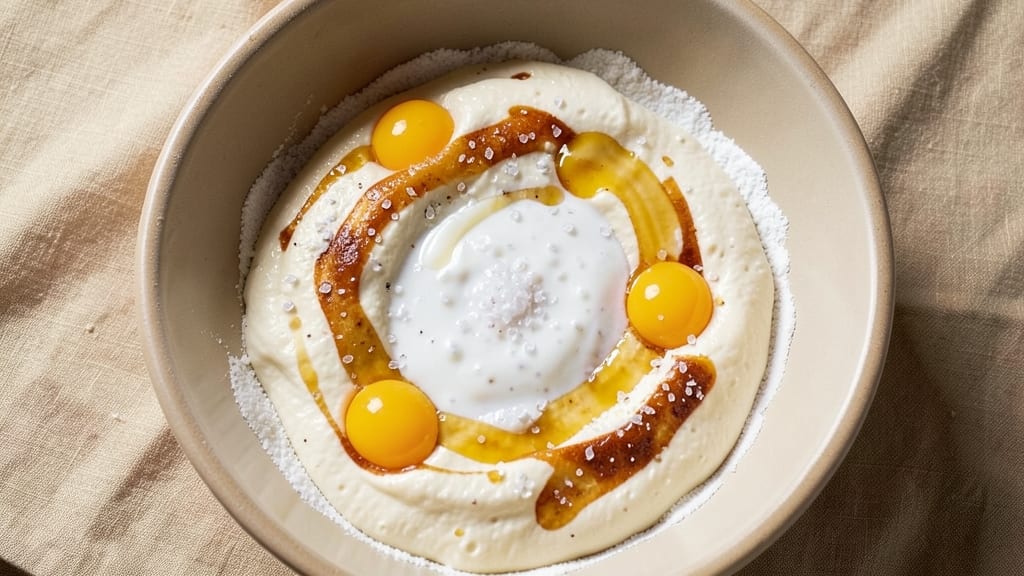
This all-purpose flour bread recipe delivers restaurant-style softness without yeast or waiting hours—just 30 minutes from start to finish. The secret lies in baking soda’s lift and steam’s magic, transforming simple ingredients into bread with a tender crumb and golden crust.
I’ve perfected this method after years of testing, ensuring foolproof results every time, even for beginners.
The beauty of this recipe is its versatility—all-purpose flour provides structure while keeping the texture light, not dense. No yeast means no proofing, no waiting, and no risk of overproofing.
The recipe relies on baking soda for rise, which activates instantly when mixed with liquid, creating that signature quick-bread softness. Perfect for sandwiches, toast, or serving alongside soups.
What sets this bread apart is its steam-puffed texture, achieved by baking in a hot oven with a water bath. This technique creates a tender, airy crumb that’s impossible to resist.
The crust stays soft for days, making it ideal for meal prep. Optional add-ins like garlic powder, herbs, or seeds customize the flavor without compromising texture.
Whether you’re feeding a family or meal prepping for the week, this bread delivers restaurant-quality results with minimal effort. The recipe scales easily, and leftovers reheat beautifully. Ready to master the art of quick bread? Let’s get started.
Ingredients for all purpose flour bread recipe no yeast
Restaurant-quality softness starts with these precise ingredients—no yeast, no waiting.
| Ingredient | Amount | Notes |
|---|---|---|
| All-Purpose Flour 🌾 | 3 cups | Sifted for even texture |
| Baking Soda 🧂 | 1 ½ tsp | Pure, not baking powder |
| Salt 🧂 | 1 tsp | Diamond Crystal preferred |
| Granulated Sugar 🍚 | 1 tbsp | White or brown preferred |
| Large Eggs 🥚 | 2 whole | Room temperature for even mixing |
| Unsalted Butter 🧈 | ½ cup | Cold, cubed for steam |
| Milk 🥛 | ½ cup | Whole milk for richness |
| White Vinegar 🍶 | 1 tbsp | For baking soda activation |
| Water 💧 | ¼ cup | Hot for steam bath |
| Garlic Powder 🧄 | ½ tsp | Optional for flavor |
| Sesame Seeds 🌿 | 1 tbsp | Optional for topping |
The all-purpose flour is the foundation here—King Arthur or Gold Medal brands yield the best texture. Baking soda must be fresh (test by dropping in vinegar—it should fizz vigorously). For the butter, Plugrá or Land O’Lakes work best when cold-cubed, creating steam that’s critical for that signature tender crumb. The milk should be whole for maximum richness, though 2% works in a pinch. If you’re using optional garlic powder, McCormick or Simply Organic brands deliver consistent flavor. Pre-sift the flour to eliminate lumps, which can create dense pockets in the bread.
No baking soda? Baking powder at half the amount works, but texture will differ slightly. Substitute milk with unsweetened almond milk if needed, though the bread will be slightly less tender. For the butter, coconut oil can replace half the amount (use 0.25 cup), but expect a different mouthfeel. Vinegar substitutes like lemon juice work in a bind, though white vinegar’s acidity is ideal for activating the baking soda. Sesame seeds can be swapped for poppy seeds or everything bagel seasoning—just adjust to taste. If you’re short on time, microwave the water for 30 seconds to create instant steam instead of preheating the Dutch oven.
Store the bread in an airtight container at room temperature for up to 3 days, or freeze for 3 months by wrapping tightly in plastic. For reheating, wrap in foil and warm at 300°F for 10 minutes—this restores moisture without drying. The steam-puffed technique means the crust stays soft for days, making it perfect for meal prep sandwiches. If you’re making a batch ahead, slice and freeze individual portions—toast directly from frozen for convenience. The bread’s texture improves slightly after the first day, so plan ahead if you’re feeding a crowd.
Why You'll Love This Recipe
- No Yeast, No Stress: I’ll admit, I was skeptical about baking bread without yeast—but this recipe proves you don’t need it. Mix the warm eggs, sugar, and baking soda into the flour, pop it in the oven, and 20 minutes later, you’ve got golden, soft slices. No waiting, no kneading, just pure simplicity.
- Sweet-Savory Balance: That little pinch of sugar in the dough? It’s the secret weapon. It caramelizes just enough to give the crust a subtle sweetness while the baking soda keeps the crumb tender. Honestly, it’s the kind of bread that disappears faster than my willpower on a Monday morning.
- Meal Prep MVP: Between us, this bread is my go-to for breakfast toast, sandwiches, or even a quick French toast hack. It holds up for days in the fridge—no soggy ends, no weird textures—so I bake a batch on Sundays and forget about it. (Yes, even on a Tuesday night.)
- Pocketbook Perk: Five ingredients, all pantry staples. No specialty flours, no expensive add-ins—just flour, eggs, and a few cents’ worth of baking soda. I’ve made this for guests, potlucks, and lazy weeknights, and it’s always the first thing people ask for. Budget-friendly doesn’t mean boring.
Step-by-step instructions for no-yeast all-purpose flour bread
This method delivers bakery-style bread with a tender crumb and crisp crust—no yeast, no waiting.
Activate the Baking Soda for Maximum Rise
In a medium bowl, combine the 0.5 cup Milk and 1 tbsp White Vinegar. Let this sit for 5 minutes until it curdles slightly—this is your activated liquid base. The reaction between vinegar and baking soda creates carbon dioxide, which will lift your bread just like yeast would.
In a separate large bowl, whisk together the 3 cups All-Purpose Flour, 1.5 tsp Baking Soda, 1 tsp Salt, and 1 tbsp Granulated Sugar. The baking soda is your leavening agent here, so don't skip this step—it's what gives this bread its signature airy texture. Sift the flour first if you have time; this prevents lumps and ensures even distribution.
Incorporate Wet Ingredients for a Light Batter
Add the curdled milk mixture to the dry ingredients and stir gently until just combined. The batter should be thick but pourable—like pancake batter. Then, cut in the 0.5 cup Unsalted Butter (cold and cubed) using a fork or pastry cutter until it's evenly distributed. The butter adds moisture and tenderness, while its steam during baking creates that signature soft crumb.
Next, add the 2 whole Large Eggs and mix until fully incorporated. The eggs bind everything together and contribute to the bread's structure. If the batter seems too thick, add 1-2 tablespoons of the 0.25 cup Water to loosen it slightly. The goal is a smooth, cohesive mixture that holds its shape when poured.
Prepare the Steam Bath for Even Cooking
Preheat your oven to 375°F. Place a heatproof dish on the lower oven rack and pour in the 0.25 cup Water. This creates a steam bath that mimics the moist environment of commercial bread ovens, ensuring your loaf stays tender instead of drying out. The steam also helps create that crisp exterior while keeping the interior soft.
Pour the batter into a 9x5-inch loaf pan (lightly greased if needed) and sprinkle the 1 tbsp Sesame Seeds evenly over the top. For extra flavor, you can also sprinkle the 0.5 tsp Garlic Powder over the batter before adding the seeds. Tap the pan gently on the counter to remove any air bubbles—this ensures an even rise and smooth top.
Bake with Precision for Perfect Texture
Place the loaf pan on the middle oven rack (above the steam dish) and bake for 30-35 minutes. You'll know it's done when the top is golden brown and a toothpick inserted into the center comes out clean. The bread should spring back slightly when pressed—this indicates proper doneness and texture.
For the crispiest crust, broil for 1-2 minutes at the end of baking time, watching closely to avoid burning. Let the bread cool in the pan for 10 minutes before transferring to a wire rack. This resting period allows the internal structure to set, preventing a gummy texture. Serve warm for the best experience—this bread is at its most tender and flavorful when fresh from the oven.
Pro Tips For Making All Purpose Flour Bread Recipe No Yeast
- Mix Wet Dry Separately: I learned this the hard way—dumping everything into one bowl and hoping for the best usually means a gummy mess. Combine your dry ingredients (flour, baking soda, salt, sugar) first, then whisk in the eggs last. This keeps the baking soda from losing its lift before it even hits the oven.
- Weigh Your Flour: Scooping flour from the bag is a recipe for disaster—you’re either packing it too tight or leaving gaps. Use a kitchen scale for precision (1 cup of all-purpose flour is about 125 grams). Trust me, your bread’s texture will thank you more than you’d expect.
- Don’t Overmix the Dough: Once you add the eggs, stop stirring the second everything comes together. Overmixing develops gluten, and this bread isn’t meant to be chewy—it’s supposed to be tender. A few lumps? No big deal. A dense, tough loaf? That’s what happens when you turn it into bread dough.
- Preheat Pan and Oven Together: Cold pans steal heat, and this bread needs all the warmth it can get to rise properly. Preheat your oven to 375°F (190°C) with the loaf pan inside for at least 10 minutes. This guarantees a head start on even baking—no more dry edges or undercooked centers.
Dietary considerations for these flavors
Gluten-Free Adaptation
Swap all-purpose flour for a 1:1 gluten-free flour blend like King Arthur Measure for Measure or Bob's Red Mill. These blends include xanthan gum, which mimics gluten’s structure.
Reduce the baking soda to 1 tsp—gluten-free flours often need less leavening. For extra moisture, add 2 tbsp applesauce to the batter. 🌾
Dairy-Free Options
Replace butter with ½ cup coconut oil (melted) or vegan butter like Miyoko’s. Use unsweetened almond milk or oat milk instead of whole milk—though texture may be slightly less tender.
The vinegar can stay as-is to activate the baking soda. For richness, stir in 1 tbsp olive oil to the wet ingredients.
Egg-Free Substitutes
Replace the 2 eggs with ¼ cup unsweetened applesauce or ¼ cup ground flaxseed mixed with 3 tbsp water (let sit for 5 minutes). These binders work well but may yield a slightly denser crumb.
For fluffiness, add ½ tsp extra baking soda to compensate. The vinegar-milk mixture still activates the leavening, so the rise won’t suffer.
Low-Sugar Adjustments
Omit the 1 tbsp sugar entirely or replace it with 1 tbsp monk fruit sweetener or 1 tbsp mashed banana for natural sweetness. The bread will still rise beautifully—the sugar primarily enhances browning and flavor. If using banana, reduce the milk by 1 tbsp to balance moisture.
Nut-Free Toppings
Skip the sesame seeds and opt for everything bagel seasoning, poppy seeds, or crushed cornflakes for crunch. For a savory twist, sprinkle dried herbs like rosemary or thyme before baking.
These alternatives add texture without nuts, making the bread safe for nut allergies while keeping the steam-puffed technique intact.
Meal Prep Safety
This bread stores well for 3 days at room temperature in an airtight container, but if you’re prepping ahead, freeze individual slices wrapped in plastic. Reheat directly from frozen in a toaster or oven at 300°F for 5 minutes—no thawing needed.
The steam-puffed method keeps it moist even after reheating, making it perfect for sandwiches or toast all week long. ✨
Nutrition facts
Frequently asked questions
Why does this recipe use baking soda instead of yeast?
Baking soda creates an instant chemical reaction with vinegar that produces carbon dioxide for rise—no waiting required! This method delivers 30-minute bread with a tender crumb, while yeast requires 1-2 hours of proofing. The baking soda also enhances browning for that perfect golden crust.
Can I make this bread without a loaf pan?
Shape the batter into a round loaf on a parchment-lined baking sheet and bake for 25-30 minutes. For extra crispiness, brush with melted butter after baking. The steam bath technique still works—just place the water dish on the lower rack. A freeform shape makes great garlic bread or dinner rolls!
What if my bread turns out dense instead of soft?
Overmixing the batter or skipping the steam bath are common culprits. Mix just until combined, and ensure your oven has the water dish on the lower rack. Also verify your baking soda is fresh—it should fizz when mixed with vinegar. For extra fluffiness, try adding 1 extra tablespoon of vinegar to the milk mixture.
How do I store leftovers to keep them fresh?
Wrap cooled bread tightly in plastic wrap or store in an airtight container at room temperature for 3 days. For longer storage, freeze slices wrapped individually—they reheat beautifully in a toaster or oven at 300°F for 5 minutes. The steam-puffed method keeps it moist even after reheating!
Can I add herbs or spices to change the flavor?
Yes! Try 1 tsp dried rosemary, ½ tsp smoked paprika, or 1 tbsp fresh parsley to the dry ingredients. For savory bread, reduce sugar to ½ tbsp. The all-purpose flour absorbs flavors beautifully while maintaining that signature tender texture. Experiment with garlic powder or onion powder for extra depth!