
Side Dishes
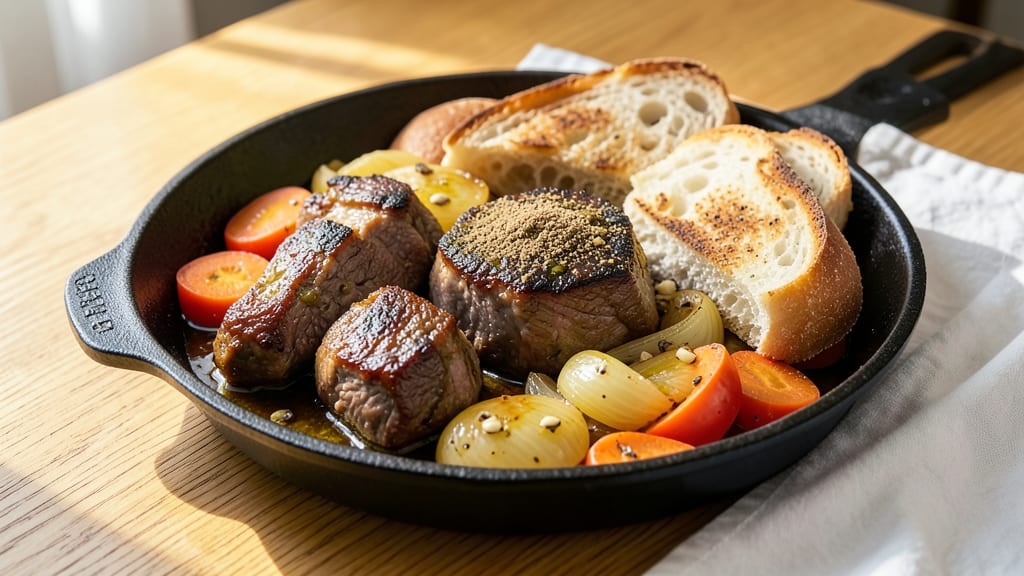
This Algerian bread matlouh recipe brings North Africa's comforting tradition of layered bread and meat to your table with flaky perfection that's both rustic and refined. The dish transforms simple ingredients—crusty bread, tender lamb, and aromatic vegetables—into a hearty, slow-cooked masterpiece that's been feeding families for generations.
What makes matlouh special is how the bread absorbs all the rich flavors, creating a dish that's equal parts satisfying and elegant.
The process begins with browning meat and vegetables until deeply caramelized, then layering everything with bread slices that soften just enough to soak up the savory broth. The result is a flaky, golden-brown casserole with tender meat and vegetables nestled between crispy bread layers.
This dish proves that comfort food can be both simple and sophisticated, requiring only patience and a few key techniques.
Traditionally served during special occasions, matlouh pairs beautifully with fresh salads or a simple tomato-cucumber dish to balance its richness. The spices—cumin, coriander, and paprika—add warmth without overpowering, while the bread provides a satisfying texture contrast.
Once you taste the first bite of this Algerian classic, you'll understand why it's a staple in North African kitchens.
Perfect for feeding a crowd or meal prepping, this recipe delivers restaurant-quality results with minimal effort. The slow cooking transforms tough cuts into tender morsels, and the bread absorbs all the delicious juices, making every bite unforgettable. Let's bring this ancient tradition to your kitchen.
Ingredients for algerian bread matlouh
Simple ingredients that create flaky, golden layers of Algerian comfort food tradition.
| Ingredient | Amount | Notes |
|---|---|---|
| Lamb Shoulder 🐑 | 3 lb | Bone-in for flavor, cut into chunks |
| Crusty Bread Loaves 🍞 | 2 whole | Baguettes or crusty French bread |
| Yellow Onions 🧅 | 2 whole | Thinly sliced for even cooking |
| Carrots 🥕 | 4 whole | Medium size, sliced into rounds |
| Garlic Cloves 🧄 | 6 cloves | Minced for aromatic depth |
| Ground Cumin 🌿 | 1 tbsp | Toasted for enhanced flavor |
| Ground Coriander 🌿 | 1 tbsp | Freshly ground preferred |
| Smoked Paprika 🌶️ | 1 tbsp | Sweet or hot variety |
| Olive Oil 🫒 | ½ cup | Extra-virgin for richness |
| Chicken or Vegetable Broth 💧 | 2 cups | Low-sodium preferred |
| Fresh Parsley 🌿 | ¼ cup | Chopped for garnish |
| Salt 🧂 | 1 ½ tsp | Kosher or sea salt |
| Black Pepper 🌶️ | ½ tsp | Freshly ground preferred |
| Fresh Lemon Juice 🍋 | 2 tbsp | Brightens flavors |
The lamb shoulder is the heart of this dish—look for well-marbled cuts at Whole Foods or your local butcher. Bone-in pieces add depth of flavor as they slow-cook. If you can't find lamb shoulder, beef chuck works beautifully (though flavor will differ slightly). The bread matters too—crusty baguettes or French bread from a good bakery (or even the freezer section) give that perfect crunch before softening into pillowy layers. For the spices, Penzeys Spices or bulk bins at natural markets deliver the freshest ground cumin and coriander—key for that authentic North African warmth.
No lamb? Beef chuck or pork shoulder will work, though cooking time may vary. The bread can be toasted lightly before layering to prevent sogginess, but don't overdo it—you want that crispy contrast. Fresh parsley is ideal for garnish, but dried parsley at one-third the amount gets you close in a pinch. For the broth, low-sodium vegetable broth is best (I use Pacific Foods brand), but chicken broth works too. The onions and carrots should be sliced uniformly—about 1/4-inch thick—so they cook evenly alongside the meat. And that lemon juice? Freshly squeezed makes all the difference—bottled won't cut it here.
This dish tastes even better the next day as flavors meld. Store leftovers in an airtight container for up to 5 days in the fridge, or freeze portions for 3 months. The bread layers crisp up beautifully when reheated—just cover with foil and warm at 350°F for 15 minutes. For meal prep, assemble the dish but skip baking until serving—this keeps the bread crispy. The flavors improve with time, so make extra if you can. And trust me, everyone will ask for seconds—this is crowd-pleaser territory.
Why You'll Love This Recipe
- One-Pot Magic: Honestly? This dish is that easy—just brown the lamb, toss in chopped bread, onions, and carrots, then let it simmer. No fancy steps, no stress, and the bread soaks up all the juices like a dream.
- Garlic-Lamb Obsession: That slow-cooked lamb shoulder with garlic cloves? It’s ridiculously tender, and the bread adds this crusty, caramelized bite that makes every bite worth it. My husband still asks for seconds even after three helpings.
- Weeknight Workhorse: Between us, this is my go-to for busy nights—feed a family of four in one pan, and it’s just as good cold the next day. Pack it for lunch or reheat it for dinner; it’s that reliable.
- Budget-Friendly Feast: Lamb shoulder on sale? Grab it. Stale bread? Use it. Carrots and onions bulk up the meal without breaking the bank. It’s the kind of dish that stretches ingredients and satisfaction.
Step-by-step instructions for Algerian bread matlouh
Transform simple ingredients into a showstopping layered masterpiece with this authentic technique.
Prepare the Lamb Filling for Maximum Flavor
In a large Dutch oven, heat the 0.5 cup olive oil over medium-high heat. Add the 3 lb lamb shoulder cut into chunks and sear until deeply browned on all sides—about 8-10 minutes. This caramelization builds the foundation for rich flavor.
Remove the lamb and set aside. In the same pot, add the 2 whole yellow onions sliced into thin rounds and 4 whole carrots cut into rounds. Cook for 5 minutes until softened but not colored. Stir in the 6 cloves garlic cloves (minced) and cook for 30 seconds until fragrant.
Return the lamb to the pot and sprinkle with 1 tbsp ground cumin, 1 tbsp ground coriander, 1 tbsp smoked paprika, 1.5 tsp salt, and 0.5 tsp black pepper. Pour in 2 cups chicken or vegetable broth and bring to a simmer. Cover and cook for 1.5 hours until the lamb is fork-tender and the liquid has reduced by half. This slow cooking ensures tender meat that will melt between the bread layers.
Assemble the Matlouh Layers for Perfect Texture
Preheat your oven to 375°F. Cut the 2 whole crusty bread loaves in half lengthwise, then slice each half into ½-inch thick pieces. You should have about 12-15 slices total—enough to create 3-4 layers.
Arrange a layer of bread slices in the bottom of a greased 9x13-inch baking dish, slightly overlapping them. Spread half of the lamb mixture evenly over the bread, then sprinkle with 1 tbsp fresh lemon juice to brighten the flavors. Repeat with another layer of bread and remaining lamb filling. Top with the final bread layer.
Here's the secret: Press down gently on each bread layer to ensure even contact with the filling. This prevents air pockets and guarantees those signature flaky layers when baked. The bread should absorb the juices without becoming soggy.
Bake Until Golden and Flaky
Cover the baking dish tightly with aluminum foil and bake for 45 minutes. This initial covered baking steams the bread, allowing it to absorb the lamb juices without drying out. After 45 minutes, remove the foil and bake for an additional 15-20 minutes until the top is golden brown and crispy.
Watch carefully during the final uncovered phase—you want the bread to develop that beautiful caramelized crust while the layers inside remain tender. The dish is done when the top is deeply golden and the edges pull away slightly from the pan.
Rest and Serve for Maximum Flakiness
Let the matlouh rest for 10 minutes before serving. This resting period allows the bread layers to fully absorb the juices and develop that signature flaky texture. The contrast between the crispy top and tender, juicy interior is what makes this dish extraordinary.
Garnish with 0.25 cup fresh parsley chopped and a final drizzle of fresh lemon juice to cut through the richness. Serve immediately with a simple green salad or pickled vegetables to complement the hearty lamb filling. Each flaky layer should reveal tender meat and savory broth with every bite.
Pro Tips For Making Algerian Bread Matlouh
- CRUSH THE BREAD FIRST: Tear the crusty loaves into rough chunks—no need for perfect cubes—and pulse them lightly in a food processor until they resemble coarse sand. This creates a thick, velvety sauce instead of a gloppy one. (Yes, even if you’re impatient like me, resist the urge to skip this.)
- SEAR THE LAMB IN BATCHES: Don’t overcrowd the pan when browning the lamb shoulder—work in two batches if needed. A hot sear locks in flavor, but a packed pan just steams the meat. After the first batch gets a deep crust, move it aside and repeat. (Your future self will notice the difference.)
- SWEAT THE ONIONS LOW AND SLOW: Cook the onions over medium-low heat until they’re translucent and just starting to caramelize—about 10 minutes. Too high a heat burns them before they soften, and you’ll end up with bitter bits instead of sweet depth. (I learned this the hard way with a charred onion disaster.)
- USE COLD CARROTS FOR EVEN COOKING: Peel and slice the carrots, then plunge them in ice water for 5 minutes before adding to the pot. This evens out their cooking time, so they don’t turn to mush while the lamb finishes. (Sounds weird, but it works—no more sad, waterlogged carrots.)
Serving suggestions for this algerian bread matlouh
Classic Algerian Pairings
Matlouh shines when served with traditional Algerian sides like zaalouk (smoky eggplant and tomato dip) or carottes à la tunisienne (sweet-and-sour carrots). The acidity and freshness balance the rich lamb perfectly.
I love adding a simple cucumber-tomato salad with lemon and olive oil—it’s a refreshing contrast to the hearty bread layers. 🥗
Wine and Beverage Match
A crisp Algerian white wine like Coteaux de Tébessa (made from Chenin Blanc or Muscat) complements the dish beautifully. The wine’s citrus notes echo the lemon in the matlouh while cutting through the richness.
For non-alcoholic options, mint tea (a North African staple) or sparkling water with lemon keeps the meal light and refreshing. 🍷
Garnish and Finishing Touches
Fresh chopped parsley and a final drizzle of lemon juice elevate the dish right before serving. For extra flair, add toasted pine nuts or crumbled feta cheese—both add texture and brightness.
I also sprinkle a pinch of smoked paprika over the top for a smoky finish that ties into the dish’s North African roots. ✨
Meal Prep and Storage
Matlouh reheats beautifully—cover with foil and warm at 350°F for 15 minutes to restore crispiness. Store leftovers in an airtight container for up to 5 days or freeze for 3 months.
For meal prep, assemble the dish but skip baking until serving—this keeps the bread layers crisp and prevents sogginess. 💫
Regional Variations
In Oran, matlouh often includes preserved lemons for a tangy twist, while Algiers versions might feature olives mixed into the filling. For a vegetarian option, swap the lamb for chickpeas or mushrooms—just increase the broth slightly to compensate.
The bread remains the star, so keep it crusty for that signature flakiness. 🗺️
Nutrition facts
Frequently asked questions
Can I use chicken instead of lamb in matlouh?
Yes, chicken works beautifully! Use 3 lb boneless, skinless chicken thighs (they stay juicier than breasts) and reduce the cooking time to 1 hour instead of 1.5 hours. The flavor will be milder but still delicious, and the bread layers will absorb all the juices perfectly. For extra richness, add 1 tbsp harissa paste to the filling.
Why does my matlouh turn out soggy instead of flaky? Sogginess usually happens when the bread absorbs too much liquid before baking. To fix this, lightly toast the bread slices before layering (just until golden, about 2-3 minutes per side) and
What's the best bread for matlouh?
Traditionally, Algerian matlouh uses crusty French bread or baguettes with a thick crust and soft interior. Look for bread with a firm texture that can hold its shape during baking. Avoid soft sandwich bread or rolls—they'll fall apart. If you can't find crusty bread, Italian bread or sourdough works well too. The key is bread that's sturdy enough to create those signature layers.
Can I make matlouh ahead of time?
Matlouh actually tastes better the next day as the flavors meld. Assemble the dish (including baking) and let it cool completely, then store in an airtight container for up to 3 days. Reheat at 350°F for 15 minutes covered with foil to restore crispiness. For freezing, assemble but don't bake—wrap tightly and freeze for up to 3 months. Thaw overnight in the fridge before baking.
What's the secret to getting crispy top layers?
The crispy top comes from proper baking technique: cover with foil for the first 45 minutes to steam the bread, then remove the foil and bake uncovered until golden brown (about 15-20 minutes). For extra crispiness, brush the top bread layer with a little olive oil before the final baking phase. Also, make sure your oven is fully preheated to 375°F—this creates that perfect caramelized crust.